

Pine Storage Commode
These pine storage commode pieces offer practical domestic utility through straightforward timber construction, bringing historic charm and robust bedroom organisation to contemporary interiors.

Pine Storage Commode
A pine storage commode primarily takes the form of a chest of drawers or a cupboard, serving as functional bedroom furniture from the Georgian, Victorian, and Edwardian eras. These pieces originate from workshops across England, Ireland, Hungary, France, and Scandinavia.
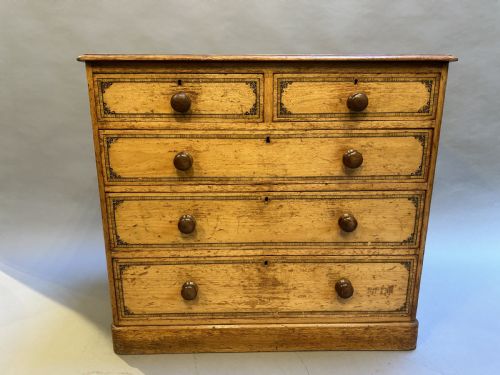
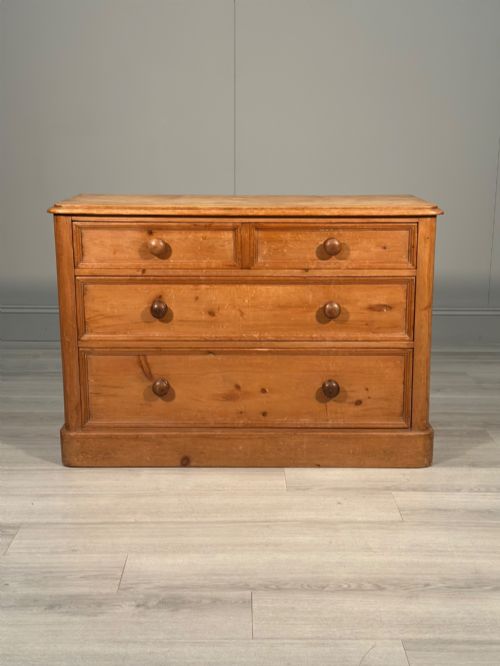
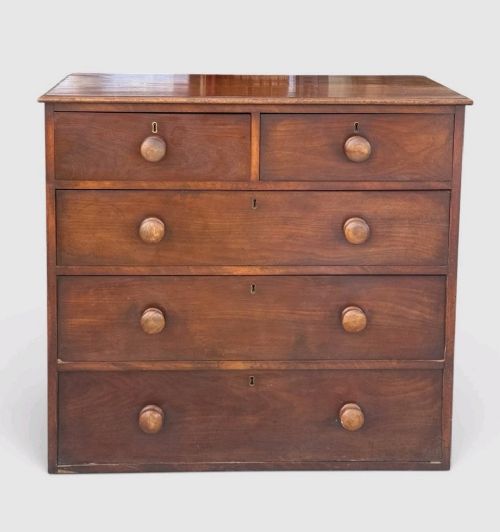
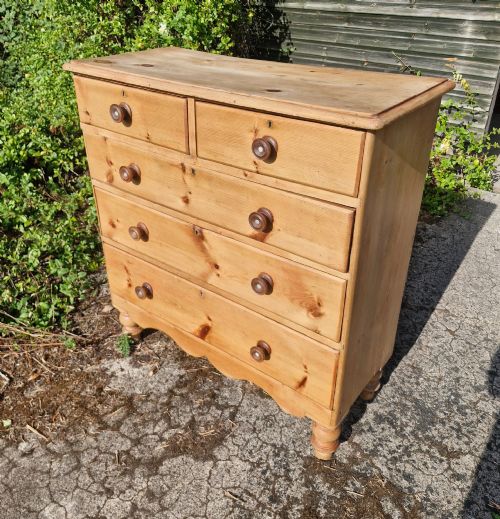
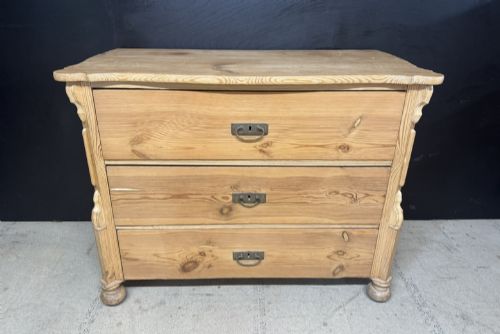
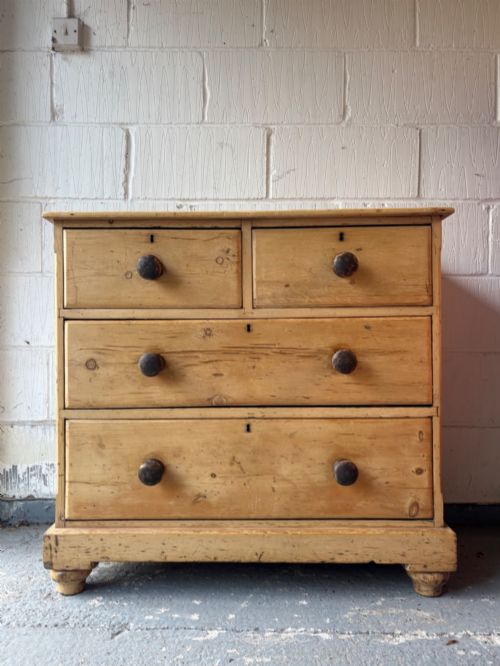
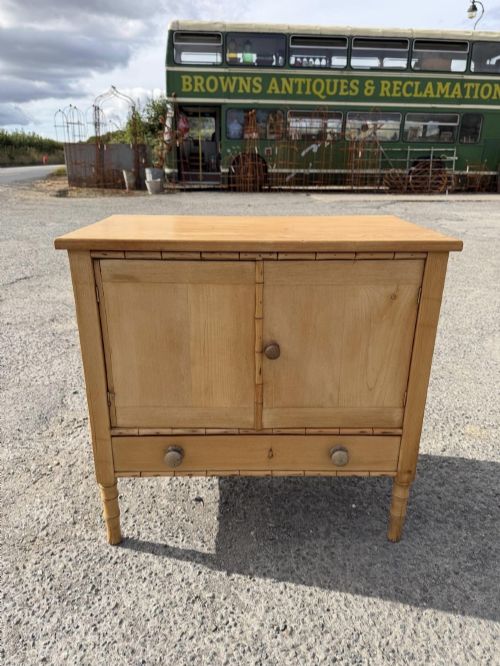
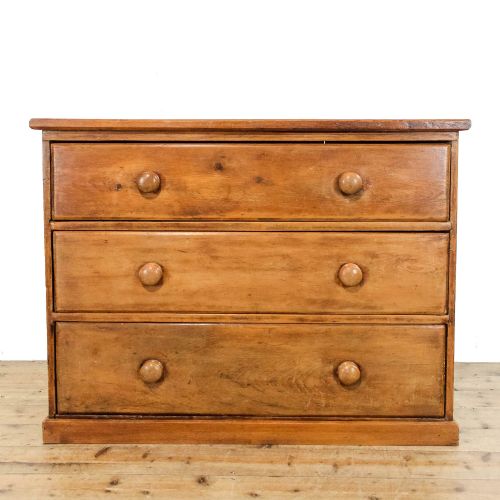
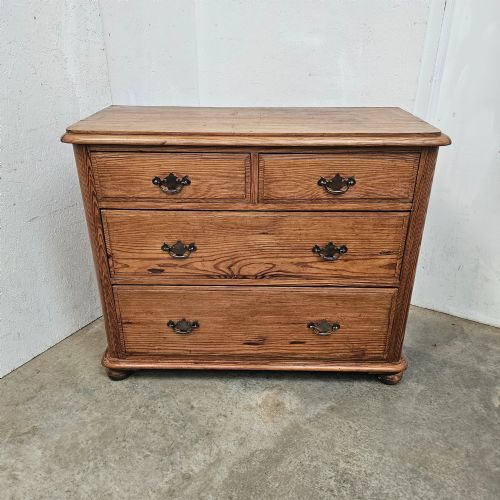
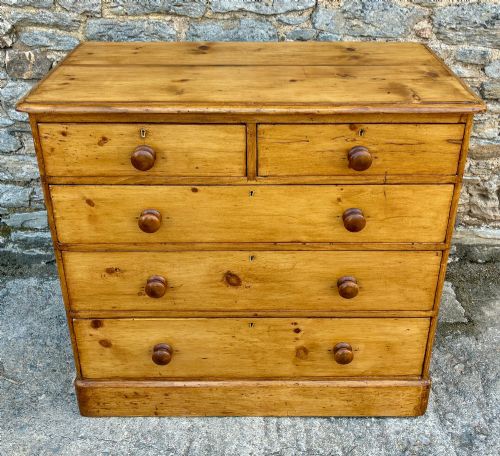
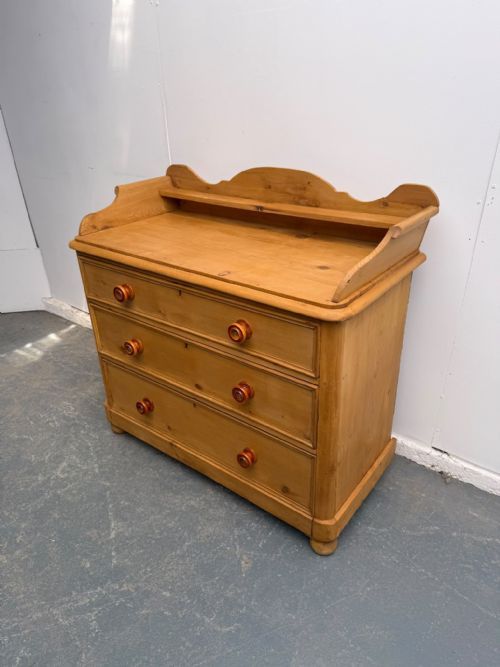
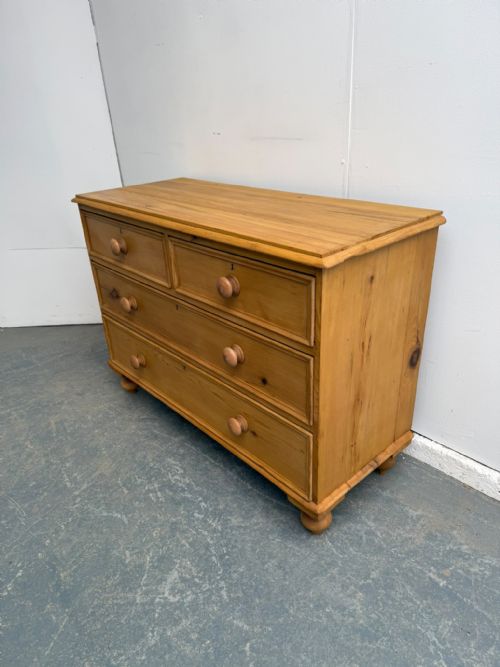
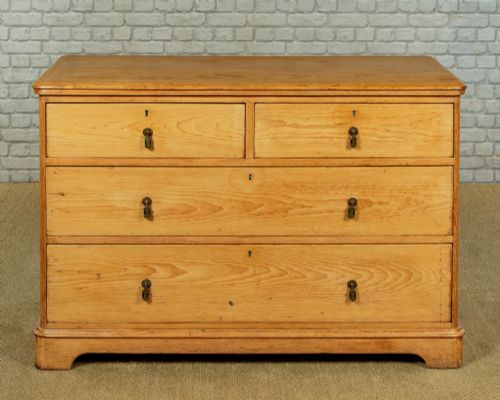
The version most commonly encountered on this page is the Victorian chest of drawers, often constructed with two smaller drawers over three or four larger ones. Alongside standard drawer configurations, low wide examples and occasional cupboards appear.
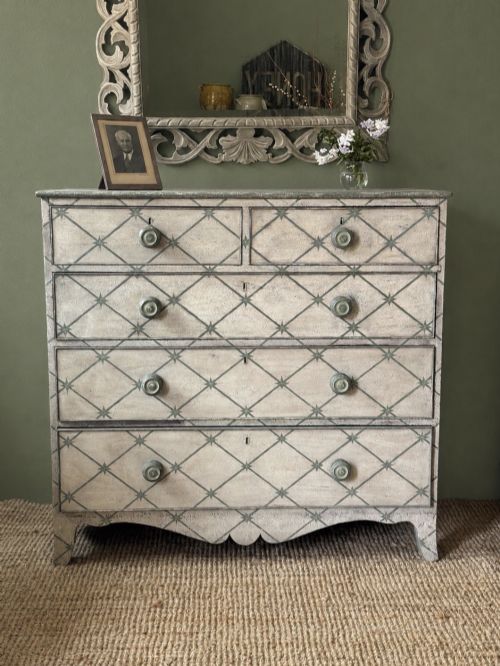
Makers utilised softwoods to build substantial storage items for daily use, resulting in furniture that balances utilitarian purpose with regional stylistic touches. From scrubbed timber surfaces to painted finishes, these items reflect the domestic habits of the nineteenth century.
How they were made
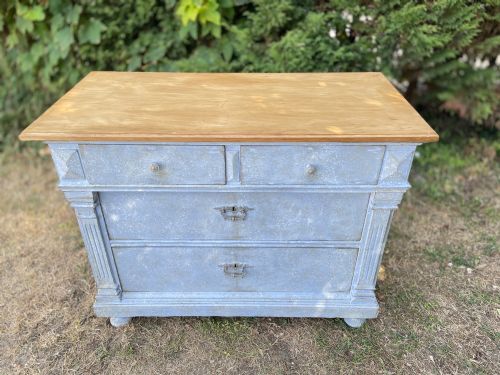
Cabinet makers built these items using pine and pitch pine timbers, frequently finishing the wood with wax, natural polish, or applied layers of paint. Surfaces often display original brown scumble paint or black pigments that protect the softwood underneath.
Hardware details such as brass pulls and turned bun handles complete the construction, securing drawers and doors built for heavy domestic use. Joinery relies on traditional methods suited to softwood construction, ensuring durability across decades of service.
The inventory spans multiple periods including Georgian, Victorian, and Edwardian eras, utilising both standard pine and pitch pine materials.
What varies in quality
The standard of a pine storage commode depends largely on the integrity of its original surface treatment, whether that is an untouched layer of paint, scrubbed timber, or a clean waxed finish. Pieces retaining their earliest decoration carry more historical weight than those stripped down to bare wood in later decades.
Proportion and scale also define the hierarchy among these chests, ranging from low wide formats and balanced two-over-two drawer arrangements to massive six-drawer examples. The crispness of turning on bun handles and the stability of the structural frame further distinguish standard utility furniture from finer country workshop pieces.
The Pine Storage Commode Glossary
- Scumble paint
- A decorative translucent paint technique applied over a lighter base colour to simulate grain or create mottled patterns. This finish appears frequently on nineteenth-century country furniture.
- Pitch pine
- A dense, resinous softwood variety utilised for its durability and prominent grain patterns. Cabinet makers selected this material for pieces requiring extra structural strength.
- Scrubbed pine
- Timber surfaces washed repeatedly with water and soap until the grain rises and paint or polish is removed. This treatment leaves a pale, matte finish associated with utilitarian kitchen and bedroom furniture.
- Bun handle
- A small, rounded wooden knob shaped like a bun and turned on a lathe. These handles serve as pulls on nineteenth-century drawers and cupboard doors.
- Commode
- A movable piece of furniture containing drawers or compartments for storage. In this context, the term encompasses both traditional chests of drawers and low cupboards.
Pine Storage Commode: Frequently Asked Questions
How do I clean a waxed pine chest?
Maintain waxed pine surfaces by dusting regularly with a soft, dry cloth to prevent dirt accumulation. Apply a quality beeswax periodically to nourish the timber and preserve the soft sheen.
Avoid using harsh chemical sprays or excessive water, as moisture damages traditional wax finishes and softwood fibres. Gentle care ensures the historic patina remains intact over years of daily use.
Were these painted originally?
Many nineteenth-century pieces left the workshop coated in paint, including decorative scumble finishes, black pigments, or simple flat colours. Paint protected the softwood and offered an affordable alternative to costly hardwoods.
Subsequent generations often stripped these finishes to expose the raw timber underneath. Finding a piece retaining its original paint layer is a notable survival of historical domestic decoration.
How do I date a pine chest?
Dating relies on examining construction methods, hardware types, and overall proportions relative to known stylistic periods. Georgian pieces typically show different drawer depth proportions compared to late Victorian or Edwardian examples.
Original backboards, handle styles, and construction marks provide further clues to the decade of manufacture. Comparing these elements with documented regional furniture helps narrow down the production era.