

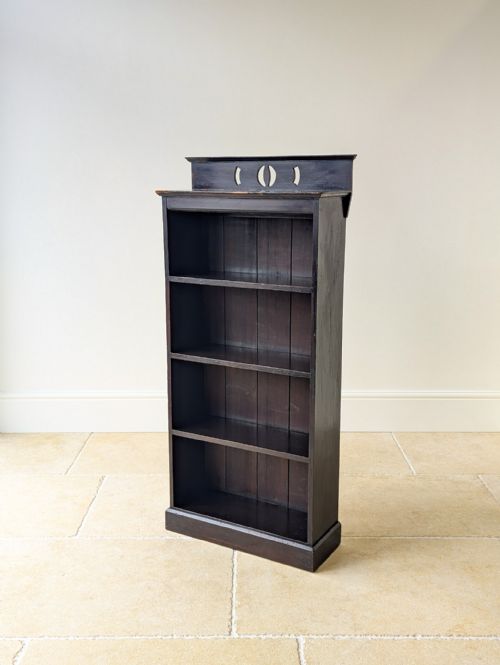
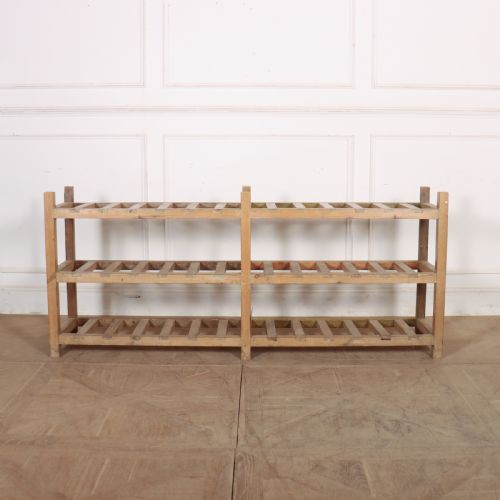


Pine Standing Shelves
These pine standing shelves are practical and sturdy pieces of utilitarian furniture, offering honest storage and display space for any room.
Pine Standing Shelves
When you search for pine standing shelves, you are looking at practical storage furniture designed to stand independently against a wall without needing architectural support. The pieces on this page span several eras, reaching from the eighteenth century through the nineteenth and twentieth centuries, encompassing periods such as the Georgian, Victorian, and Edwardian eras, as well as the year nineteen twenty and nineteen thirty.
The forms vary from simple open bookcases and large open bookshelves to specialist pieces like shoe racks, corner cabinets, shop display stands, and fitted dome top cabinets. You will also encounter regional and international variations, including Scottish items and Swedish Gustavian examples.
The versions you are most likely to meet on this page are open bookcases and bookshelves built from deal, solid pine, or stained pine, often showing a rustic country character. These standalone units provide straightforward shelving for books and objects, utilising timber construction intended for everyday utility.
How they were made
The construction of these pieces relies primarily on solid timber, specifically pine, deal, and pitch pine, occasionally accompanied by walnut or cast iron components. Woodworkers utilised straightforward joinery techniques to build durable frames capable of supporting heavy loads of books and household goods.
Surface treatments vary between natural wood finishes and stained pine, while older examples feature carved details such as dome tops on eighteenth-century cabinets. The combination of local timber and practical craftsmanship yielded sturdy standing furniture designed for long-term domestic or retail use.
Pine Standing Shelves Retail Price Guide 2026
Typical asking prices for pine standing shelves among the pieces listed under this phrase on Sellingantiques today, from the lower quarter to the upper quarter. They describe what is for sale here now, not the wider market.
The inventory records diverse forms including shoe racks, corner cabinets, and shop display stands alongside standard open bookcases.
What varies in quality
The standard of a piece is determined by the quality of the timber selection and the integrity of its construction. Dense, well-seasoned deal or solid pine with honest patination sits at a different level from utilitarian workshop builds.
Design complexity also separates standard utility items from finer examples, such as a mid-eighteenth-century carved dome top cabinet or a matched pair of Swedish bookcases. Superior examples display thoughtful proportions and careful cabinetmaking alongside their practical function.
The Pine Standing Shelves Glossary
- Deal
- Fir or pine timber commonly used in British cabinetmaking and joinery. It provided an economical and dependable material for shelving and carcass construction.
- Pitch pine
- A resinous pine variety known for its durability and distinct grain pattern. It frequently appeared in nineteenth-century standing bookshelves.
- Gustavian
- The Swedish neoclassical style spanning the late eighteenth and early nineteenth centuries. Pieces from this tradition often feature lighter painted finishes or refined proportions.
- Corner cabinet
- A specialised storage piece built with an angled footprint to fit neatly into a room intersection. These units made efficient use of domestic space before fitted kitchens and modern shelving.
- Dome top
- A rounded upper architectural feature found on taller cabinets. This classic shape added height and formal presence to eighteenth-century storage furniture.
Pine Standing Shelves: Frequently Asked Questions
How were standing shelves used?
Historically, these items served practical storage needs in parlours, shops, and libraries. They held volumes of books, displayed goods in retail settings, or organised footwear.
Their upright, freestanding design allowed them to be moved easily between rooms as household storage requirements shifted over time.
How do I live with pine shelves?
Integrating these pieces into a modern interior involves letting their natural wood grain and honest construction ground the room. They accept books, ceramics, and daily objects comfortably.
Keep them away from direct heat sources to protect the solid timber and maintain the stability of the joints.
How do I tell periods apart?
Differentiating eras relies on observing construction methods, timber types, and stylistic details. Eighteenth-century pieces often showcase carved elements like dome tops, while Victorian items frequently utilise pitch pine or stained finishes.
Twentieth-century examples tend toward simpler rustic forms, reflecting the utilitarian needs of later decades.