



Pine Pedestal Drawers
Pine pedestal drawers bring honest utility and character to a room, offering sturdy timber construction and practical storage for daily life.
Pine Pedestal Drawers
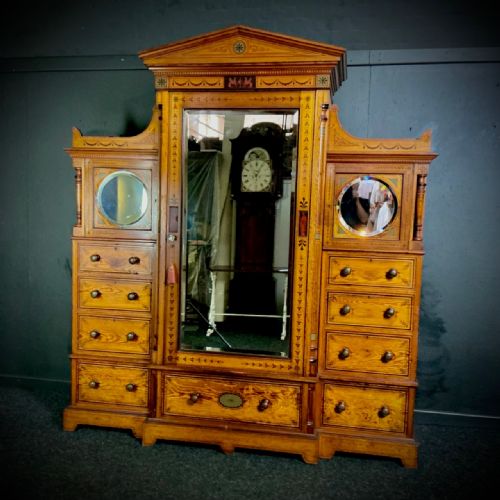
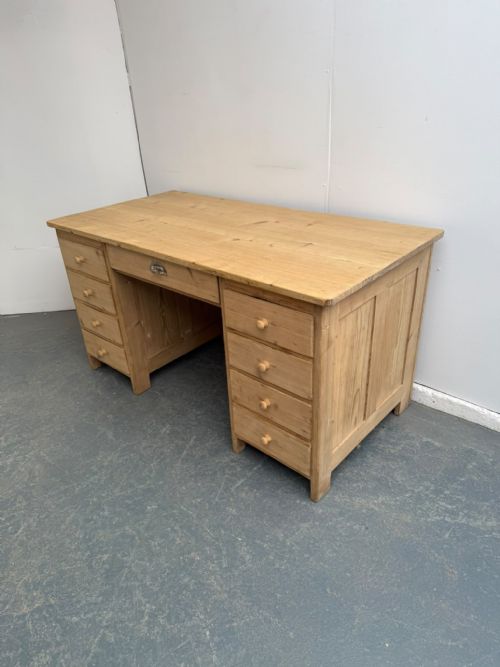
These items encompass sturdy storage units and workspaces built around vertical tiers of drawers, often referred to in the evidence through desks, bedside chests, and dressing tables. When you search for pine pedestal drawers, you encounter pieces designed for practical service rather than mere display.
The examples recorded here span the Victorian, Edwardian, and Georgian eras, alongside instances dated around 1800, 1880, and 1910. Most variants lean toward robust Victorian examples and country-made pieces, utilising straightforward timber construction.
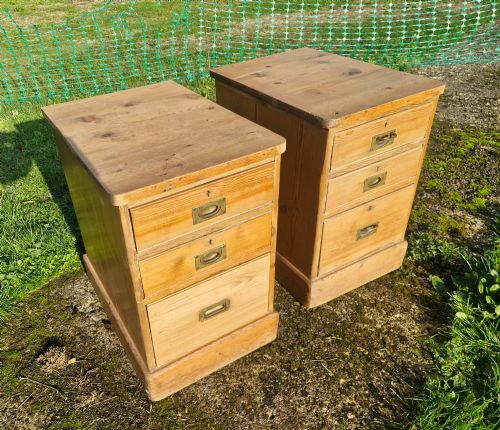
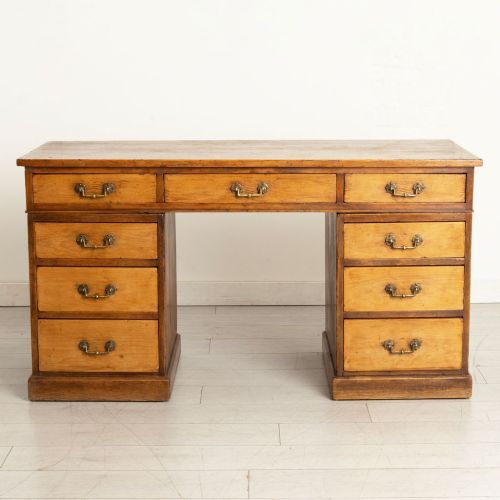
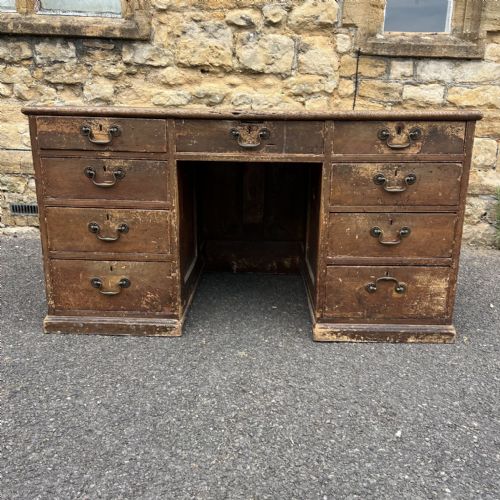
Forms range from compact campaign style bedside chests to large nine-drawer desks and estate desks. Pitch pine and standard pine form the primary structural basis for these configurations.
Construction and materials
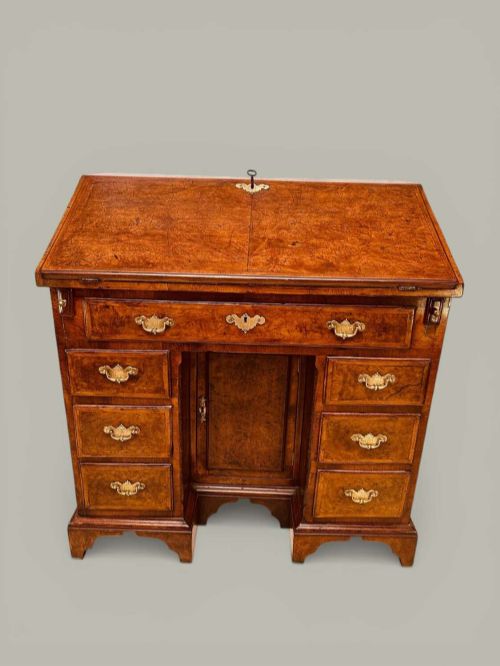
Makers utilised solid pine and pitch pine as the principal woods, often pairing them with brass hardware for campaign styles and handles. Some pieces incorporate secondary timbers such as oak or mahogany, particularly in country-made kneehole bureaus.
Surface finishes vary from waxed and painted wood to decorated panels and glass elements. Construction reflects traditional workshop methods designed to endure heavy daily use in estate offices and bedrooms.
Pine Pedestal Drawers Retail Price Guide 2026
Typical asking prices for pine pedestal drawers among the pieces listed under this phrase on Sellingantiques today, from the lower quarter to the upper quarter. They describe what is for sale here now, not the wider market.
Estate desks often carry the quiet ink stains of forgotten estate managers who sat at them before the advent of the ballpoint pen.
Assessing quality and build
Quality rests upon the selection of timber density and the integrity of the joinery across the pedestal and drawer structures. Heavy pitch pine construction indicates a sturdier build than lighter domestic variants.
Finishing details, such as the quality of the painted decoration, the retention of original brass fittings, and the integration of secondary hardwoods like burr oak, separate utilitarian items from finer country pieces.
The Pine Pedestal Drawers Glossary
- Pitch pine
- A dense, resinous softwood commonly used for heavy-duty Victorian furniture. It provides exceptional durability and a distinct grain pattern.
- Campaign style
- Portable furniture designed for travel, typically featuring recessed brass handles and reinforced corners. This style appears in early twentieth-century bedside chests.
- Kneehole bureau
- A compact desk featuring a central recess for the legs flanked by banks of drawers. Early examples incorporate fine secondary veneers.
- Estate desk
- A large, functional workspace built for administrative duties on large properties. These pieces prioritize robust timber construction over delicate ornamentation.
Pine Pedestal Drawers: Frequently Asked Questions
How do I date pine pedestal drawers?
Dating relies upon construction techniques, hardware style, and timber selection recorded across Victorian, Edwardian, and Georgian periods. Details like recessed brass handles or pitch pine construction point towards specific late nineteenth or early twentieth-century eras.
Comparison with documented pieces from 1800 to 1910 helps establish a reliable timeframe for each item.
Where were these pieces used?
These items served functional roles in estate offices, bedrooms, and studies. Desks and dressing tables provided dedicated workspaces and storage for daily administration.
Bedside chests and sideboards offered convenient bedside or living area storage within traditional homes.
Are painted finishes original?
Painted surfaces on nineteenth-century pieces range from original decorative schemes to later applications. Examining the wear patterns and underlying timber helps determine the age of the finish.
Listings specifically note decorated wardrobes and painted sideboards where surface treatment forms part of the piece's character.
How do I care for antique pine?
Maintenance involves regular dusting and occasional waxing to nourish the timber and preserve the surface sheen. Avoid placing pieces in direct sunlight or near heat sources to prevent wood splitting.
Pitch pine and standard pine respond well to traditional beeswax treatments that maintain their natural lustre.