




Pine Kitchen Rack
These pine kitchen rack examples bring centuries of utilitarian service and vernacular charm straight to domestic walls.
Pine Kitchen Rack
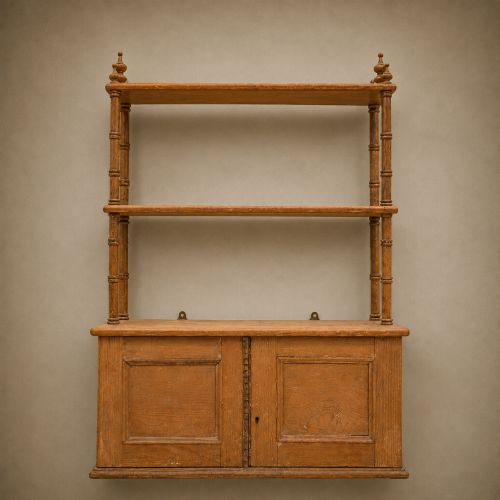
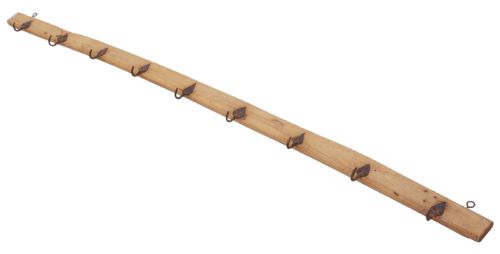
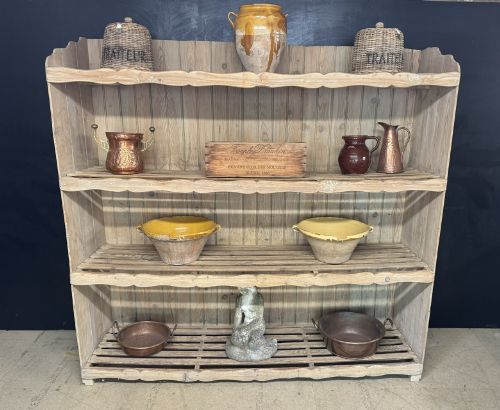
A pine kitchen rack serves as a practical wall-mounted or freestanding fixture designed for domestic storage and display, frequently appearing in the form of open plate racks, wall shelves, and hanging racks. These items emerge from various regional traditions including English country, Welsh vernacular, and Victorian farmhouse aesthetics.
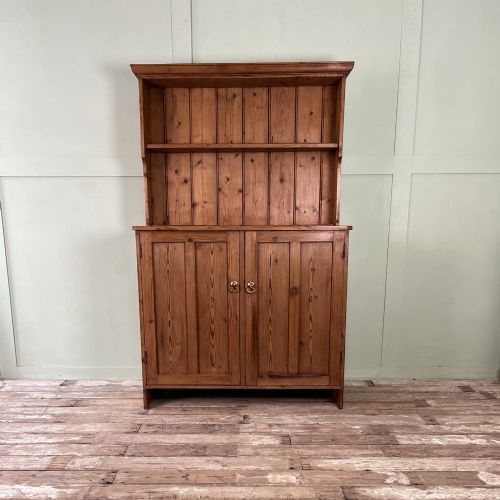
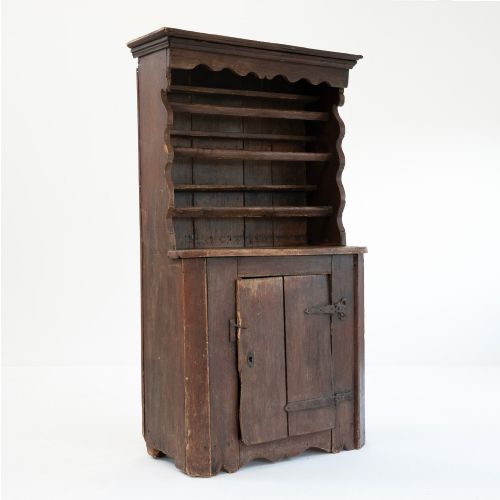
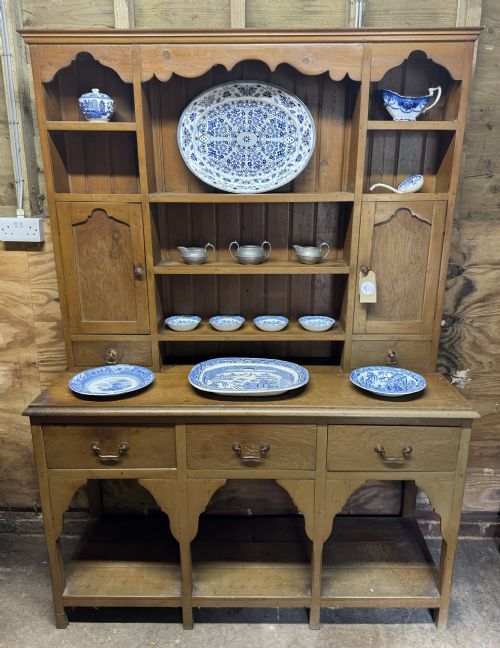
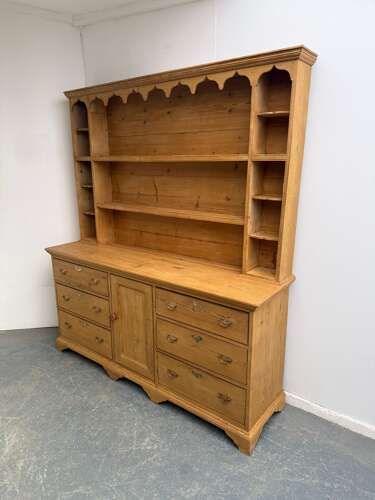
Buyers commonly encounter two main formats on this page: dedicated wall-mounted plate or hanging shelves, and larger two-part dressers featuring integrated upper racks. The pieces span periods from the eighteenth century through to the early twentieth century, reflecting enduring rural craftsmanship.
Regional variations span West Country, Welsh, Irish, and Scots pine origins, alongside specific forms like the Talwrn dresser or pot board dresser. Each variation displays distinct structural traits shaped by local domestic needs and regional workshops.
Materials and construction
Makers relied primarily on solid pine, supplemented occasionally by oak or painted wood surfaces, applying wrought iron or brass hooks and fittings for hanging elements. Timber selection prioritised local availability and durability, resulting in surfaces that accept wax, original paint, or historical patination over decades of use.
Construction techniques involve traditional joinery methods suited to utilitarian furniture, combining pegged joints, dovetailed drawers, and fretwork details on delft racks. Many surfaces retain layers of early paint or accumulated wax finishes built up through generations in farmhouse and cottage kitchens.
Pine Kitchen Rack Retail Price Guide 2026
Typical asking prices for pine kitchen rack among the pieces listed under this phrase on Sellingantiques today, from the lower quarter to the upper quarter. They describe what is for sale here now, not the wider market.
Listings feature items spanning the eighteenth, nineteenth, and early twentieth centuries, constructed primarily from pine alongside painted wood, oak, brass, and wrought iron.
Judging quality
Quality rests in the integrity of the surface patination and the survival of original elements like fretwork crests, pot boards, and hanging hooks. Pieces that maintain their unstripped timber or genuine early paint layers carry higher visual authority than those altered by modern interventions.
Proportions and regional vernacular character separate standard utility pieces from exceptional examples. Finer items exhibit balanced drawer arrangements, delicate fretwork, and harmonious integration between the upper display rack and the lower base unit.
The Pine Kitchen Rack Glossary
- Delft rack
- A set of open wall shelves specifically designed for displaying plates and pottery upright. These racks often feature shallow ledges and plate grooves.
- Pot board
- A low slatted or solid lower shelf built into a dresser base for storing heavy kitchen pots and pans. This feature is typical of traditional English and Welsh vernacular furniture.
- Fretwork
- Ornamental perforated carving cut into thin boards, commonly seen along the topboards or pelmets of plate racks. It provides a decorative flourish to otherwise utilitarian furniture.
- Welsh dresser
- A large kitchen sideboard with an integrated multi-tiered plate rack rising above a base of drawers and cupboards. They originate from rural Welsh and English traditions.
- Patina
- The deep surface sheen and mellow colour acquired by wood and paint over long periods of handling and exposure. It acts as a visual indicator of age and genuine use.
Pine Kitchen Rack: Frequently Asked Questions
What is a pine kitchen rack?
A pine kitchen rack is a utilitarian storage fixture designed to hold plates, cups, and culinary items on walls or above dresser bases. These items served busy domestic kitchens across British and European farmhouses.
They appear in various formats, ranging from simple hanging wall shelves to large multi-tiered plate racks integrated into full country dressers.
How do I date an antique pine rack?
Dating relies on observing construction methods, timber characteristics, joinery techniques, and the presence of original paint or wax finishes. Eighteenth-century examples often display hand-sawn boards and specific regional joinery.
Victorian and later pieces tend to show more uniform machine-sawn timber elements while retaining the traditional forms established in earlier rural workshops.
Where were these racks made?
These pieces originate from various rural regions including Wales, the West Country of England, Ireland, Scotland, and parts of continental Europe like France and Denmark. Local vernacular traditions influenced their specific proportions and decorative details.
Regional workshops adapted standard domestic storage requirements to suit local materials and regional interior layouts.
How should I care for waxed pine?
Maintaining waxed pine involves dusting with a soft cloth and occasionally applying a traditional beeswax to nourish the dry timber. Avoid placing these pieces in areas with excessive direct sunlight or rapid humidity changes.
Gentle maintenance preserves the historical surface patination and prevents the softwood from drying out over time.