



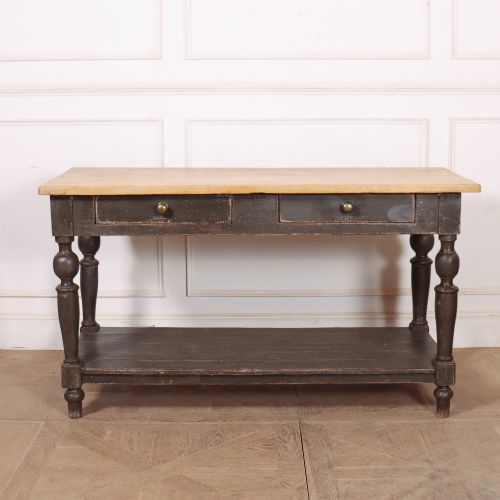
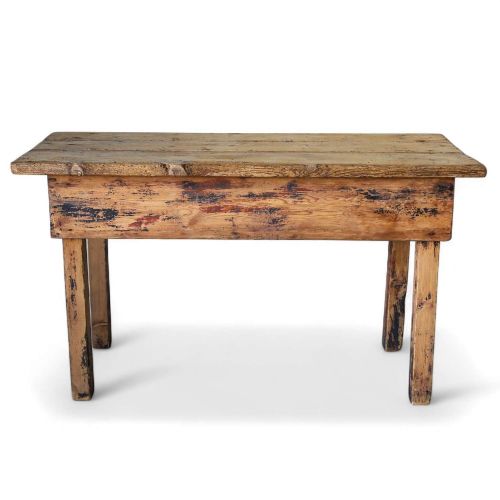
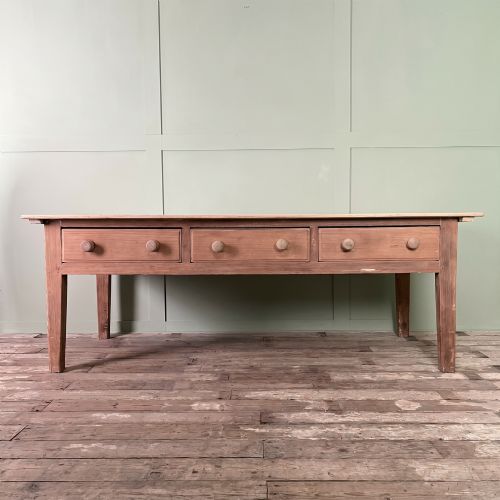

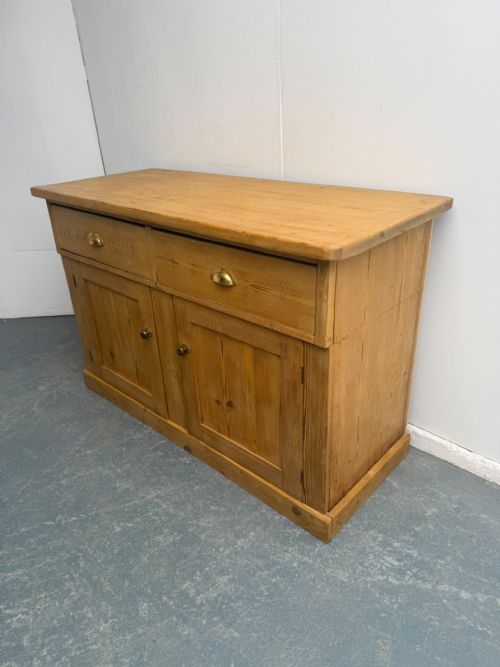
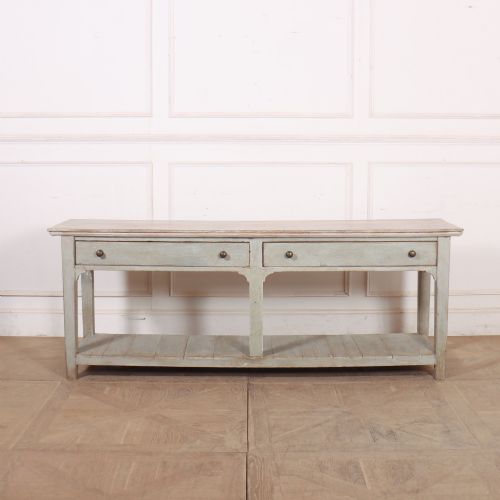
Pine Kitchen Console
These pine kitchen console pieces bring practical utility and rustic country character into modern spaces.
Pine Kitchen Console
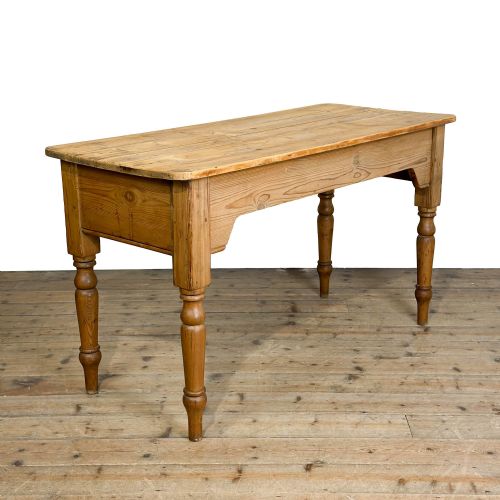
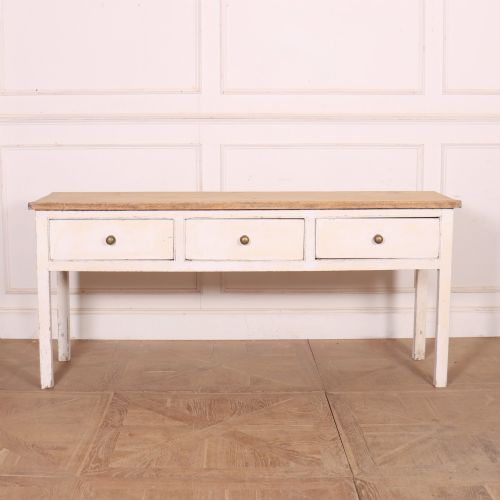
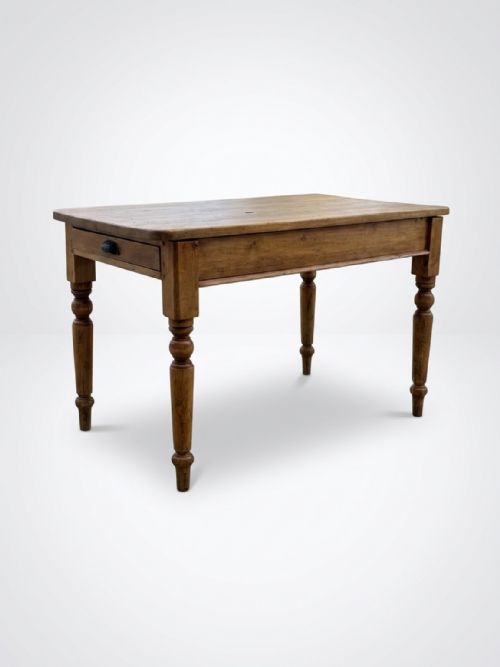
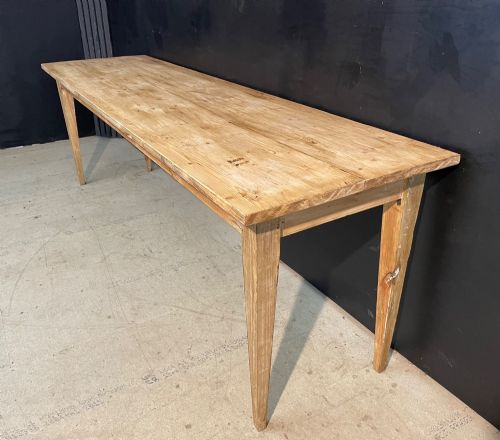
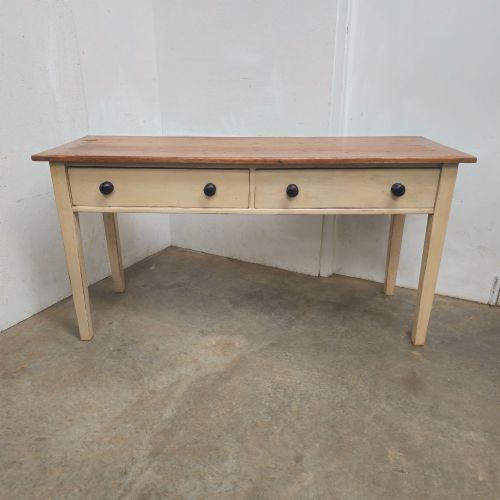
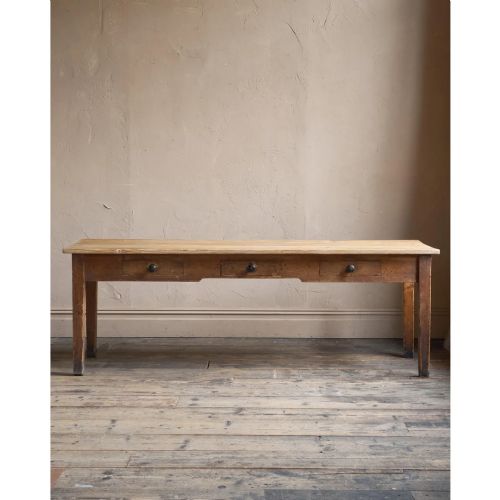
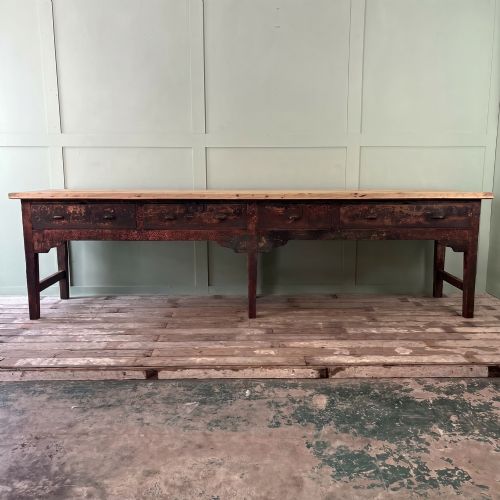
When searching for a pine kitchen console, buyers encounter a variety of utilitarian wooden forms originally utilised for food preparation, storage, and domestic labour. These pieces span centuries of rural craftsmanship, including worktables, dresser bases, sideboards, and serving tables.
The selection on this page draws heavily from nineteenth-century examples alongside early twentieth-century variations. Items originate from English, Scottish, Welsh, French, and Scandinavian workshops, reflecting diverse regional domestic traditions.
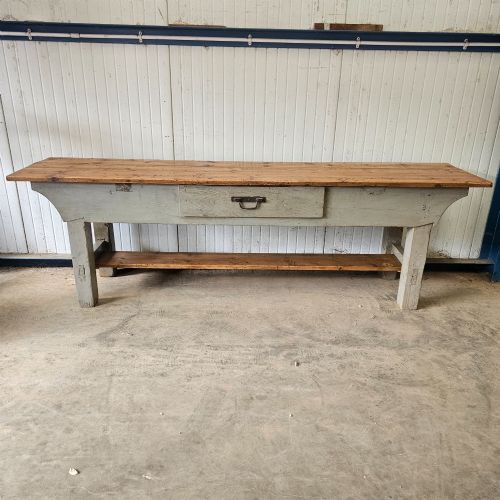
Forms range from long worktables with lower pot shelves to drawer-equipped dresser bases and narrow side tables. Many display the heavy use characteristic of utility furniture intended for sculleries, dairies, and kitchens.
How they were made
Construction relies primarily on pine and painted timber, sometimes paired with sycamore for scrub-tops or complemented by brass and iron hardware. Wood selection prioritised density and resilience against daily wear in working environments.
Surfaces frequently show layers of original paint or wax finishes applied over solid timber boards. Joinery techniques reflect practical joinery designed to withstand heavy domestic service rather than ornate display.
Pine Kitchen Console Retail Price Guide 2026
Typical asking prices for pine kitchen console among the pieces listed under this phrase on Sellingantiques today, from the lower quarter to the upper quarter. They describe what is for sale here now, not the wider market.
Listings feature pieces spanning the eighteenth, nineteenth, and early twentieth centuries, constructed from pine, painted timber, and scrubbed wood.
What varies in quality
Quality in these items relates to the integrity of the original timber and the retention of authentic surface treatments, such as original paint or aged scrub-tops. Pieces that retain their structural robustness without excessive modern intervention command greater interest.
Proportion and functional details, such as integrated drawers, potboards, and lower shelves, influence the character of each piece. Tables with balanced dimensions and honest signs of period use present the most desirable domestic presence.
The Pine Kitchen Console Glossary
- Dresser base
- A low sideboard featuring cupboards or drawers beneath a flat top, historically used for food preparation and storage in country houses. They frequently incorporate potboards or lower display shelves.
- Potboard
- An open slatted lower shelf fitted beneath a dresser base or worktable, originally designed for storing heavy pots and pans off damp stone floors.
- Drapers table
- A long, narrow utilitarian table with multiple drawers or open lower tiers, traditionally utilised in retail or domestic settings for folding textiles.
- Dairy table
- A specialised preparation table constructed with scrubable wooden tops, historically placed in cool dairies for cheese and butter making.
Pine Kitchen Console: Frequently Asked Questions
What is a pine kitchen console?
A pine kitchen console is typically a repurposed antique worktable, dresser base, or side table utilised for storage and preparation in modern spaces.
These pieces combine durable softwood construction with utilitarian forms originally designed for nineteenth-century domestic labour.
How do I date an old pine table?
Dating relies on construction methods, timber patination, and design characteristics such as drawer dovetails and leg forms.
Evidence from nineteenth and early twentieth-century examples shows distinct regional vernacular styles that help establish approximate eras.
Are painted finishes original?
Many items feature original paint layers applied during their working life in country kitchens and sculleries.
Surviving paintwork often shows characteristic wear and patination accumulated through decades of domestic use.
How do I care for antique pine?
Antique pine benefits from simple maintenance using natural beeswax to nourish dry wood and protect scrubbed surfaces.
Avoid excessive moisture and direct heat sources to preserve the historic timber and original painted finishes.