



Pine Dining Seating
Pine dining seating brings robust utility and honest charm to domestic spaces through enduring timber benches, settles, and chairs.
Pine Dining Seating
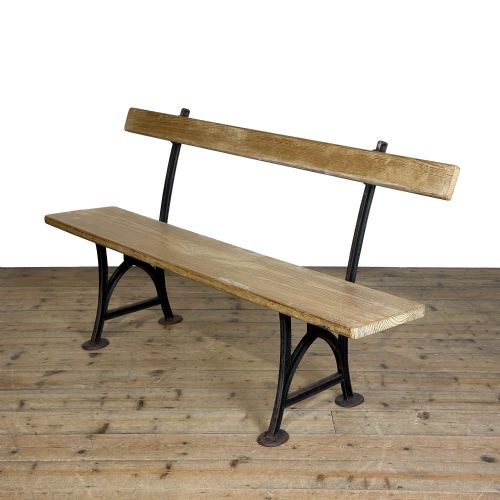
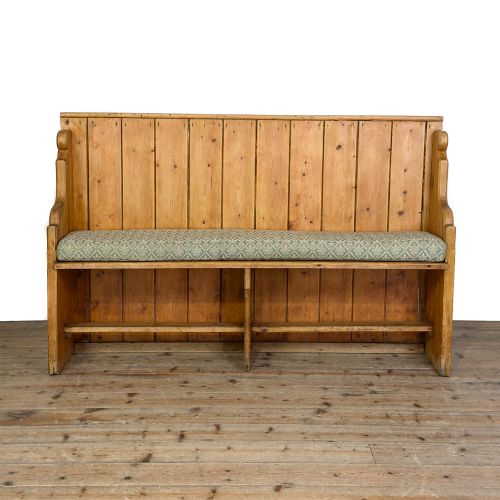
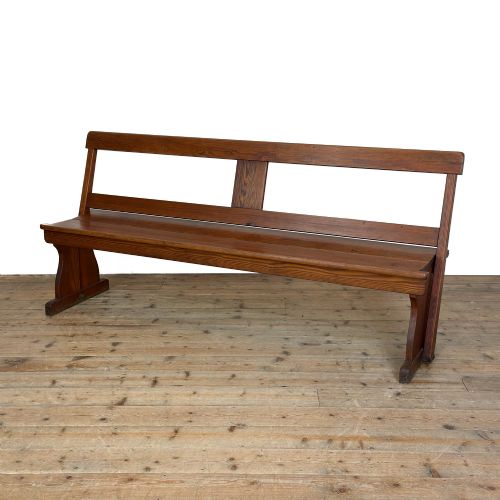
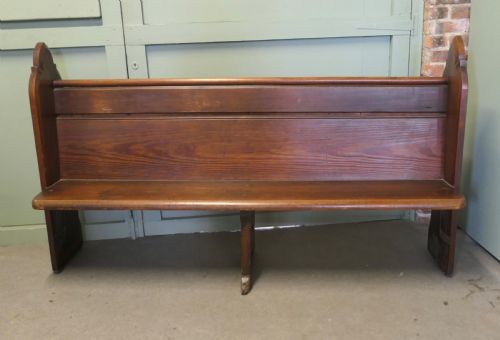
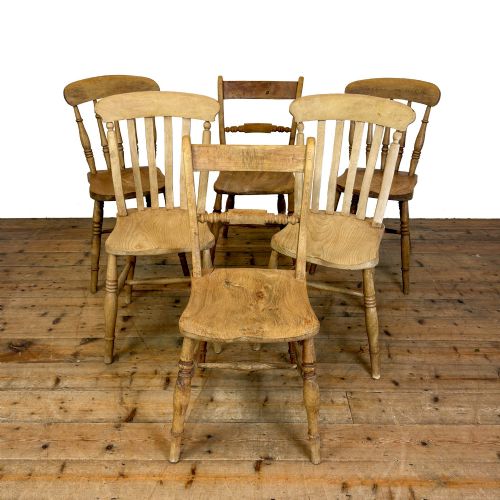
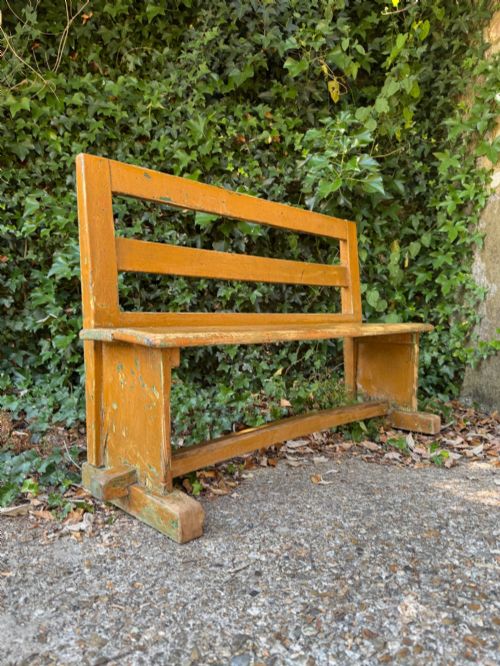
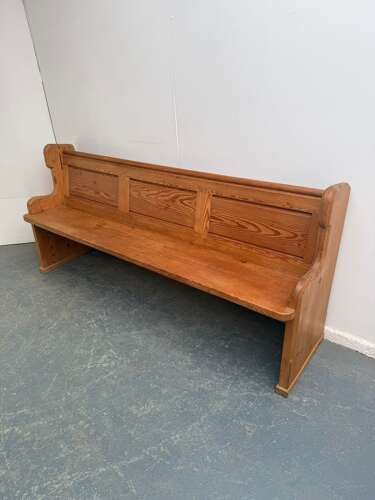
When searching for pine dining seating, buyers encounter a diverse selection of benches, pews, and chairs spanning the nineteenth and early twentieth centuries. These pieces originate from domestic, ecclesiastical, and institutional settings, offering practical long seating and matched chair sets.
Forms range from simple backless benches and flip-over chapel pews to comb-back Windsor chairs and Gothic design hall seating. Such variety allows buyers to furnish modern or traditional dining spaces with characterful wooden seating solutions.
Materials and construction
Makers utilised native softwoods, predominantly standard pine and dense pitch pine, alongside subsidiary hardwoods like elm and beech for structural elements. Surfaces were frequently treated with wax, left in bare timber, or finished with decorative paint and scumbling.
Joinery relied on traditional techniques suitable for heavy utility furniture, incorporating pegged joints, solid board construction, and turned spindles for Windsor backs. Pitch pine provided extra durability for institutional pews, while painted finishes protected softer deal timbers.
Pine Dining Seating Retail Price Guide 2026
Typical asking prices for pine dining seating among the pieces listed under this phrase on Sellingantiques today, from the lower quarter to the upper quarter. They describe what is for sale here now, not the wider market.
Some nineteenth-century chapel pews cleverly flip their backrests over, letting worshippers instantly change which direction they faced.
Assessing quality in antique seating
Quality rests upon the integrity of the original timber, structural stability, and the retention of authentic surface patination rather than uniform perfection. Pieces with original painted finishes or honest wax surfaces hold greater character than those stripped down to raw wood.
Proportional balance and thoughtful craftsmanship distinguish standard utility items from finer examples, such as Gothic ecclesiastical pews or regionally distinctive Scandinavian settles. The survival of matching sets, whether harlequin chair collections or long pairs of benches, adds functional and visual coherence.
The Pine Dining Seating Glossary
- Pitch pine
- A dense, resinous variety of pine noted for its prominent grain pattern and superior durability. It was frequently selected for heavy-duty church pews and institutional furniture.
- Settle
- A wooden bench featuring a high back to block draughts, solid arms, and often a storage box beneath the seat. These traditional forms served communal areas in country houses and taverns.
- Scumbled
- A decorative paint technique involving translucent layers dragged over a base coat to imitate the grain of more costly hardwoods. Victorian makers frequently applied this finish to ordinary pine furniture.
- Comb back
- A Windsor chair variation where the vertical spindles of the back extend upward through a horizontal crest rail resembling the teeth of a comb. This construction offers robust support in farmhouse seating.
- Harlequin set
- A collection of dining chairs that share similar periods, materials, or overall forms without being part of an original factory-made matching suite. They offer a collected country house aesthetic.
Pine Dining Seating: Frequently Asked Questions
How do I choose between a church pew and benches?
Church pews offer fixed backrests and often incorporate enclosed ends designed for long-term ecclesiastical seating. Standard benches provide greater versatility for pulling up to dining tables and often feature simpler backless or low-backed designs.
Consider the available dining space and seating capacity required when deciding between a single long pew and a pair of matched benches.
Can I mix antique pine chairs with a modern table?
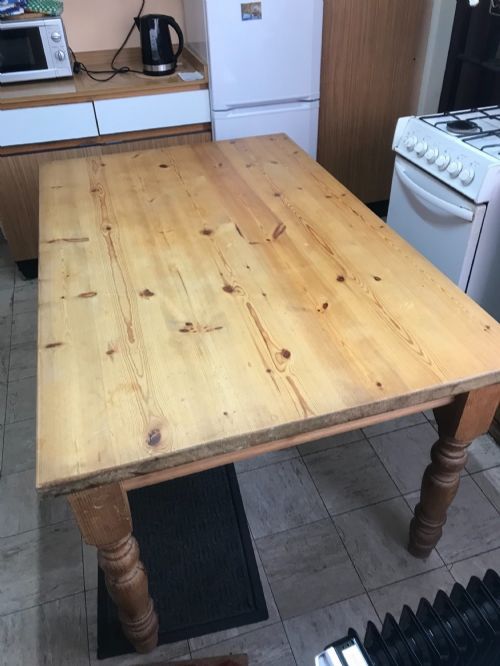
Mixing antique pine seating with contemporary tables creates a balanced interior by contrasting modern clean lines with aged wooden textures and patination. Harlequin sets of chairs or mismatched benches add casual charm to dining areas.
Ensure seat heights align comfortably with the underside clearance of the table before combining different periods.
How do I care for waxed pine dining furniture?
Maintain waxed pine surfaces by dusting regularly with a soft cloth and occasionally applying a nourishing beeswax to protect the timber. Avoid placing wooden seating near direct heat sources to prevent the pine from drying out or splitting.
Spills should be wiped away promptly to preserve the vintage finish and prevent water marking the soft wood.
What distinguishes Victorian pine from twentieth-century pieces?
Victorian pine furniture typically exhibits hand-finished joinery, deeper patination from age, and construction methods utilising heavier timber sections. Twentieth-century pieces often reflect simpler utilitarian designs or regional painted country traditions.
Examining tool marks, nail types, and the depth of the wood grain helps identify the manufacturing era.