

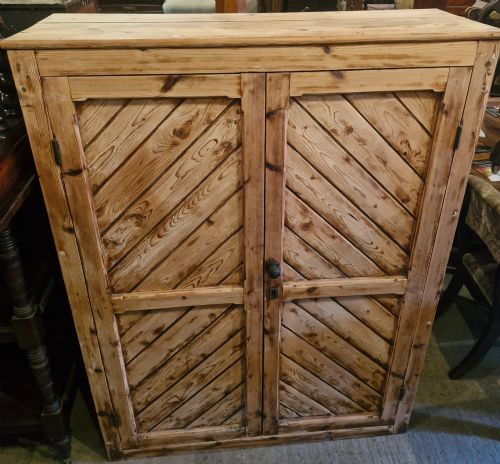
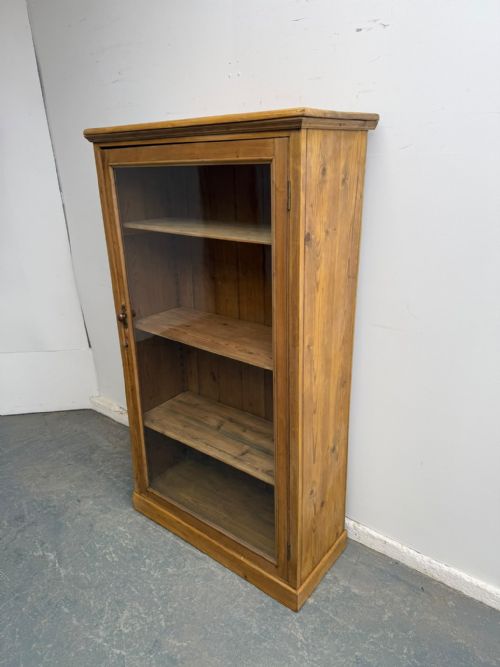
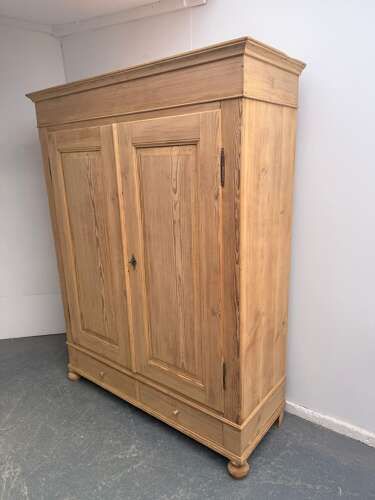


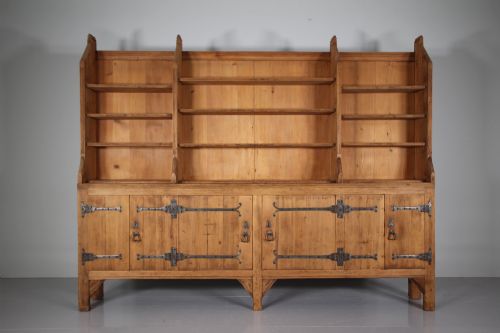


Pine Cupboard and Shelves
These pine cupboard and shelves pieces combine practical storage with honest country character, offering sturdy timber construction and versatile shelving.
Pine Cupboard and Shelves
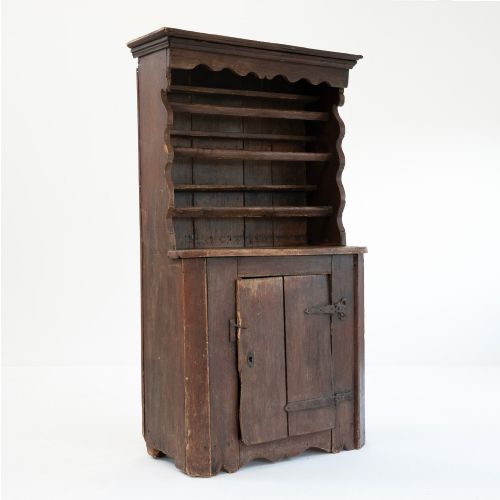
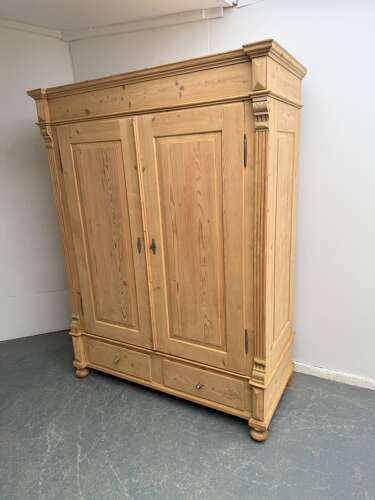
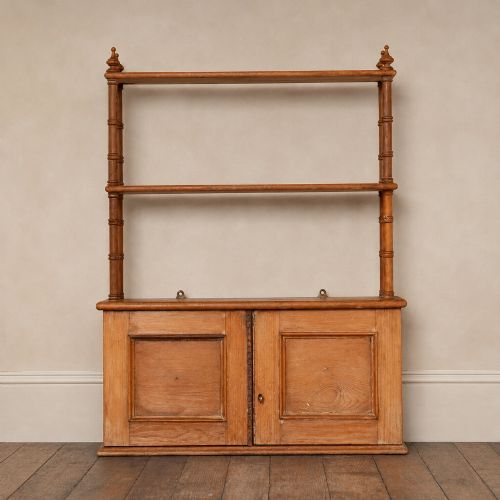
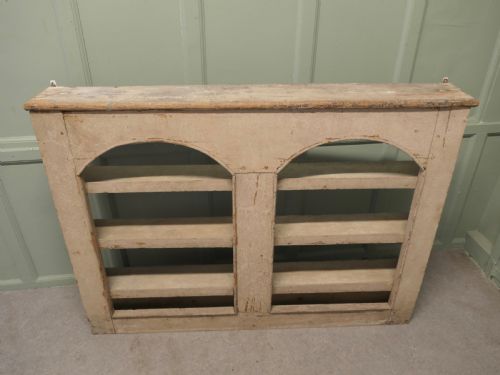
When searching for pine cupboard and shelves, buyers encounter a robust mix of storage furniture spanning the Georgian, Victorian, and eighteenth century periods. The selection includes wardrobes, bookcases, corner cabinets, dressers, and wall shelves originating from English, Irish, Welsh, French, and Swedish workshops.
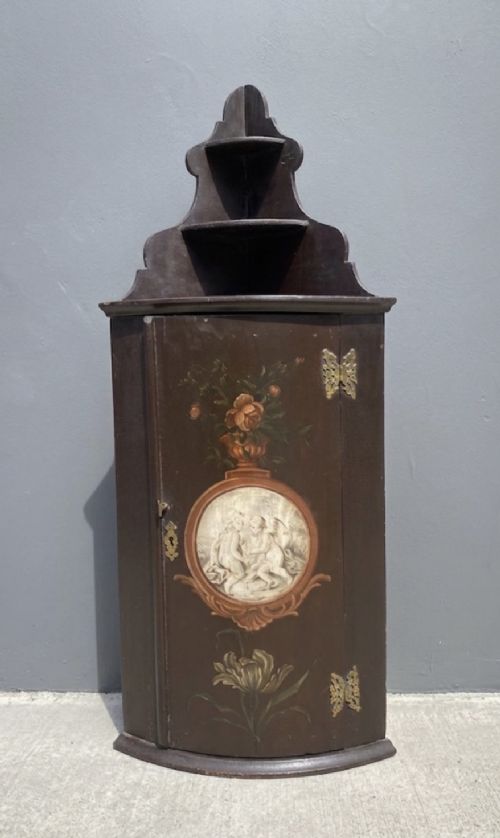
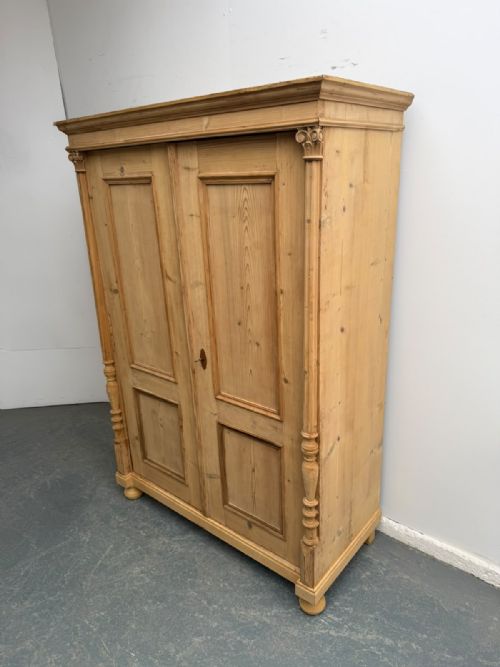
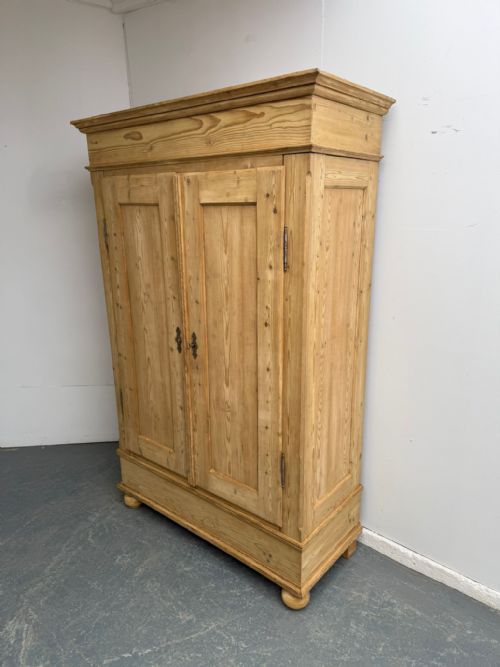
Tall knockdown wardrobes and fitted alcove cupboards dominate the offerings, frequently built with adjustable storage and open display shelving. Painted finishes, distemper, and bare wax surfaces appear alongside carved architectural details and dome top forms.
Country house utility meets vernacular design in these pieces, providing deep shelving combined with enclosed cupboard space. Pieces range from large linen armoires to compact corner cabinets and kitchen racks designed for everyday domestic use.
How they were made
Construction relies heavily on solid pine timber, frequently assembled as knockdown frames to allow movement between rooms. Iron, wrought iron, and brass hardware provide functional support and hinges.
Surfaces are finished with distemper paint or traditional wax over bare wood, preserving the natural grain and tool marks of the maker. Joinery methods include pegged joints and panelled doors suited to heavy daily use.
Pine Cupboard and Shelves Retail Price Guide 2026
Typical asking prices for pine cupboard and shelves among the pieces listed under this phrase on Sellingantiques today, from the lower quarter to the upper quarter. They describe what is for sale here now, not the wider market.
Many old wardrobes bear pencil marks and carpenter's numbering on hidden joints, left by makers to ensure the heavy pine panels reassembled correctly.
What varies in quality
Quality rests on the integrity of the timber framing, the survival of original painted surfaces, and the cleverness of internal fitted shelving. Superior examples retain their original knockdown peg construction and hardware without excessive timber replacement.
Proportion and regional vernacular detailing distinguish standard utility pieces from finer architectural cabinets, such as dome top fitted designs or documented Welsh and Irish dressers.
The Pine Cupboard and Shelves Glossary
- Knockdown wardrobe
- A large wardrobe designed to be dismantled into flat sections using pegged tenons for ease of transport. This clever construction method was particularly common for bulky country furniture.
- Distemper paint
- A water-based paint using size or glue as a binder, yielding a chalky, matte finish found on older painted pine surfaces. It patinates softly over decades of cleaning.
- Corner cabinet
- A triangular cabinet built to fit neatly into a room angle, often featuring open shelves above a closed cupboard base. They made efficient use of tight spaces in period homes.
- Welsh Talwrn dresser
- A distinct regional dresser type originating from Wales, combining a base cupboard with upper plate racks. These pieces represent strong vernacular furniture traditions.
- Alcove shelving
- Fitted shelving and cupboards designed to fill recessed architectural wall spaces beside chimneys or in corners. They maximise room storage while maintaining a flush profile.
Pine Cupboard and Shelves: Frequently Asked Questions
What is a knockdown pine wardrobe?
A knockdown wardrobe is a large storage piece built to be disassembled into panels and parts for moving between rooms. Pegs and slot joints hold the heavy pine frame securely together without permanent gluing.
This practical design allowed bulky furniture to travel up narrow staircases in older houses. Many surviving examples retain their original numbered joints to guide reassembly.
How do I care for painted pine furniture?
Painted pine surfaces benefit from gentle dusting with a dry, soft cloth rather than modern chemical polishes. Avoiding excessive moisture protects delicate distemper and historical paint layers from lifting.
Waxed pine surfaces require occasional feeding with traditional beeswax to maintain the timber's moisture balance. Keeping pieces away from direct heat sources prevents timber splitting and warping.
Where were these cupboards originally used?
These pine cupboards and shelves served working domestic roles in kitchens, sculleries, bedrooms, and parlours. Dressers and wall racks held everyday ceramics and provisions, while wardrobes stored household linens.
Regional variations reflect the specific needs of English, Welsh, Irish, French, and Swedish country households. Their sturdy construction suited active domestic environments rather than formal drawing rooms.
How do I identify a Georgian pine piece?
Georgian pine furniture often displays restrained architectural proportions, heavy plank construction, and hand-cut mouldings. Timber selection tended to focus on dense, old-growth pine with tight grain patterns.
Construction details such as hand-wrought iron hinges and early painted finishes help distinguish these pieces from later Victorian reproductions. Interior layouts frequently prioritised deep, fixed shelving and simple panelled doors.