

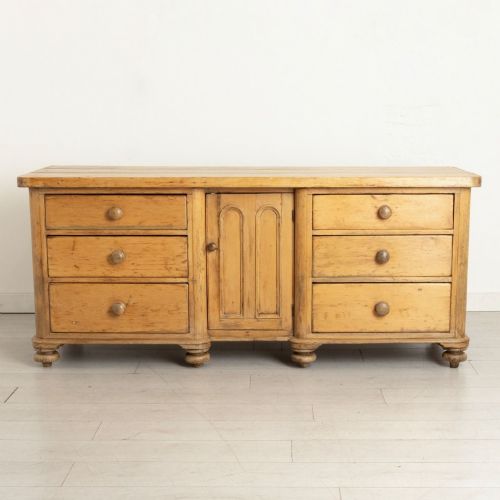
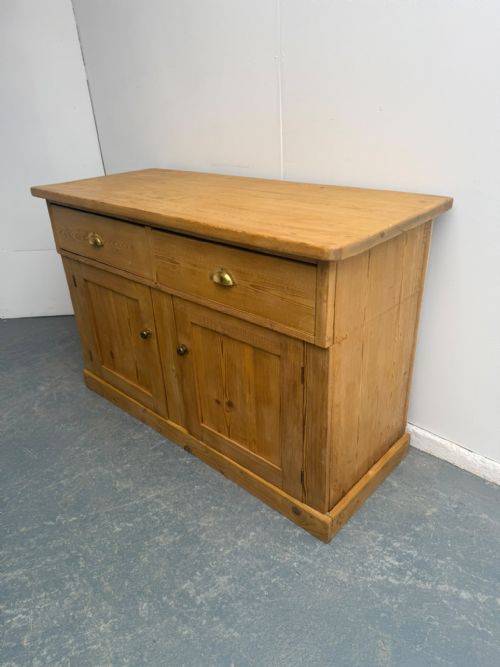


Pine Buffet Cupboard Drawers
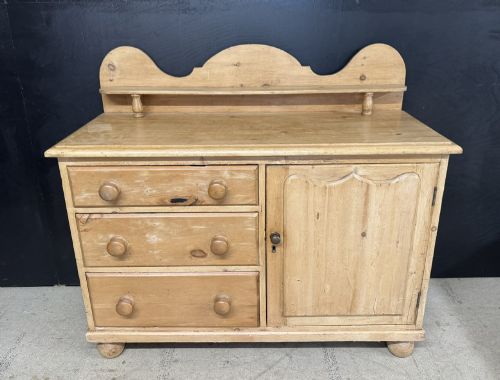
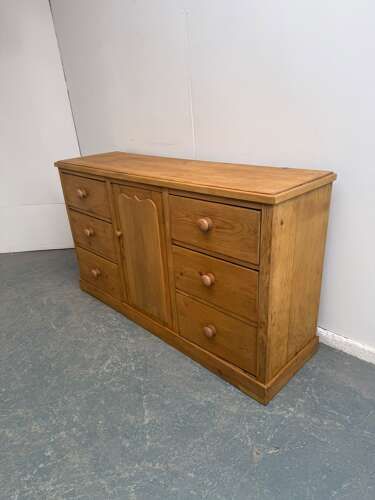
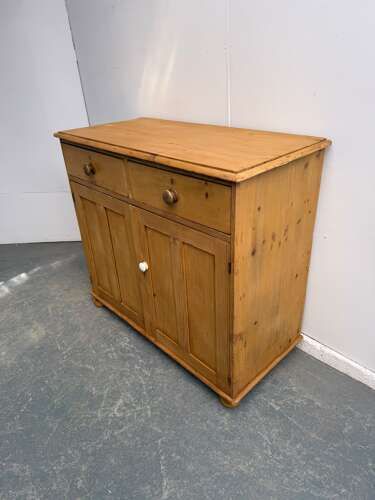
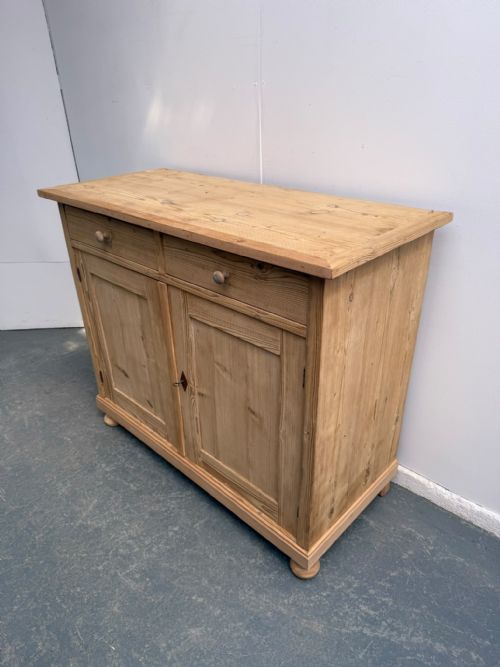
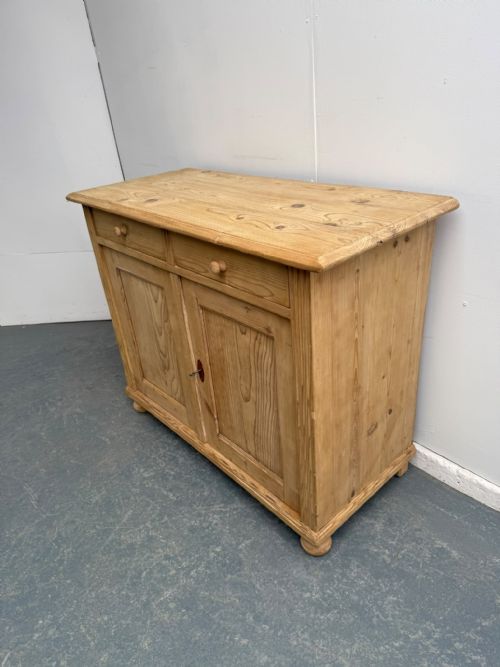
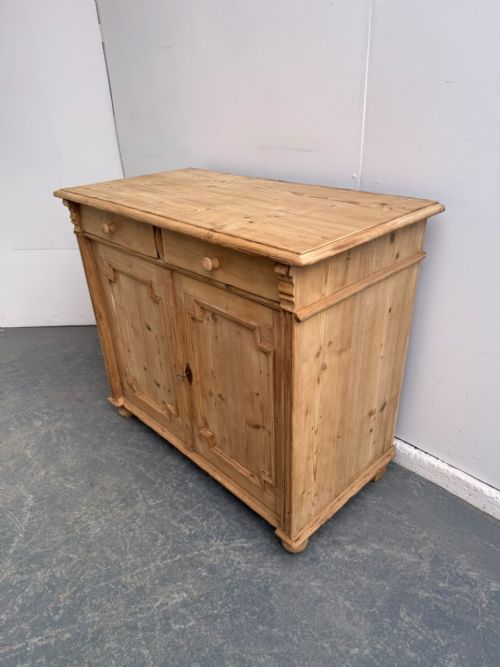
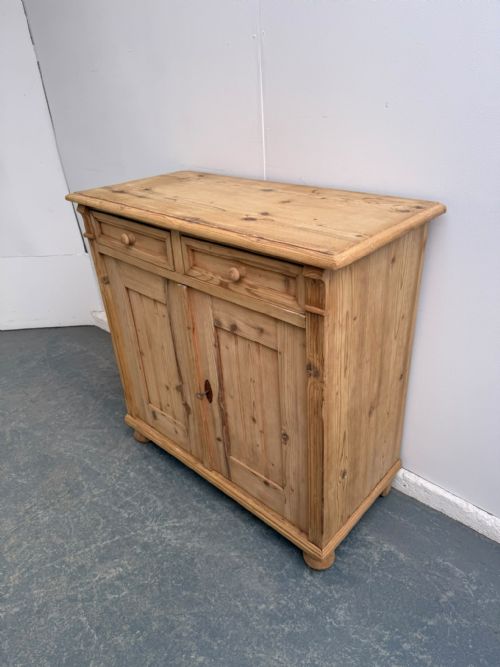
These pine buffet cupboard drawers are honest country workhouses, offering deep storage and sturdy timber surfaces for any kitchen or dining room.
Pine Buffet Cupboard Drawers
When you search for pine buffet cupboard drawers, you encounter practical storage furniture built for daily domestic use. The pieces listed under this search span several decades and origins, including Welsh, West Country, and Scottish examples.
The version you are most likely to meet on this page is the Victorian dresser base or kitchen dresser, typically fitted with two doors and matching drawers. These utilitarian items served generations of households for food preparation and tableware storage.
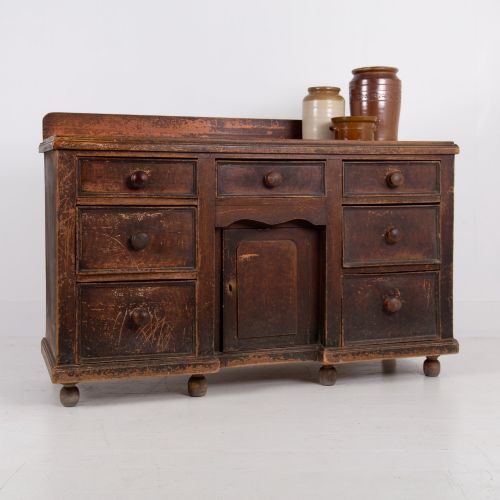
Alongside standard Victorian examples, the selection includes pieces originating from the Georgian and Regency periods, as well as items in original paint or stripped for waxing. Regional variations appear in smaller dressers, hall cupboards, and chiffonier sideboards.
What varies in quality
Construction depth and timber selection also divide the range, with larger proportions and older Georgian or Regency origins commanding greater interest. Cabinetwork quality shows in the thickness of the pine boards and the integrity of the original hardware.
The listings span from the eighteenth century through the Victorian era, featuring solid pine alongside oak and mahogany elements.
The Pine Buffet Cupboard Drawers Glossary
- Dresser base
- A low cabinet combining cupboards and drawers, historically used for food preparation and storage in the kitchen.
- Bread slide
- A pull-out wooden shelf integrated into the cabinetry, originally designed for cooling freshly baked bread.
- Chiffonier
- A compact sideboard featuring enclosed lower cupboards, emerging during the Regency and early Victorian periods.
- Waxed pine
- A surface treatment where clear or coloured wax is buffed into the timber to protect the grain and provide a soft sheen.
- Breakfront
- A piece of furniture where the central section projects forward from the flanking cupboards or drawers.
Pine Buffet Cupboard Drawers: Frequently Asked Questions
What is a pine dresser base used for?
These pieces functioned as sturdy work surfaces and storage units in traditional kitchens and dining rooms. The combination of drawers and cupboards held linens, cutlery, and heavy tableware.
Today, they serve equally well as sideboards in living spaces or as functional kitchen islands and preparation counters.
How do I date an antique pine cupboard?
Dating relies on observing construction methods, timber thickness, and hardware styles across different periods. Georgian and Regency pieces often show finer proportions, while Victorian examples tend to be heavier and more utilitarian.
Examining the drawer linings and backboards helps distinguish earlier solid construction from later standardised manufacturing.
Should I keep the original paint or wax the pine?
Deciding on the surface finish depends on whether the piece retains a genuine historical paint layer. Original paint provides a record of the object's age and regional character, which many collectors prefer to preserve.
Stripping and waxing suit pieces that have lost their early finish or carry layers of later, non-original decoration.
Where were these country dressers made?
Regional workshops across Britain produced these utility items to suit local domestic requirements. Welsh, West Country, and Scottish examples often display distinct regional traits in their timber selection and proportions.
Local joiners built them using accessible regional woods like solid pine, supplemented by oak or mahogany.