
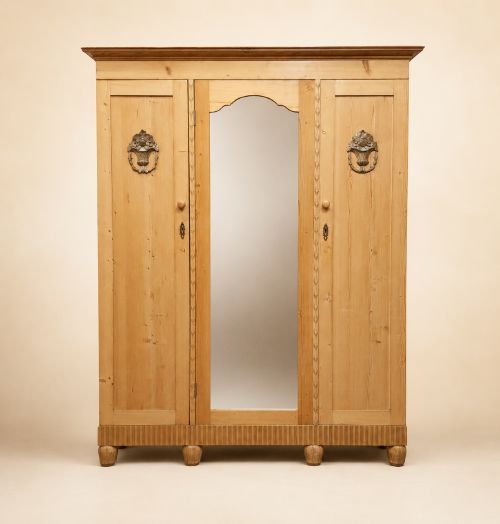
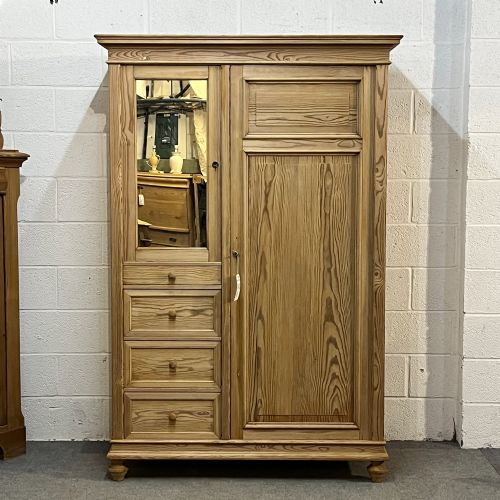
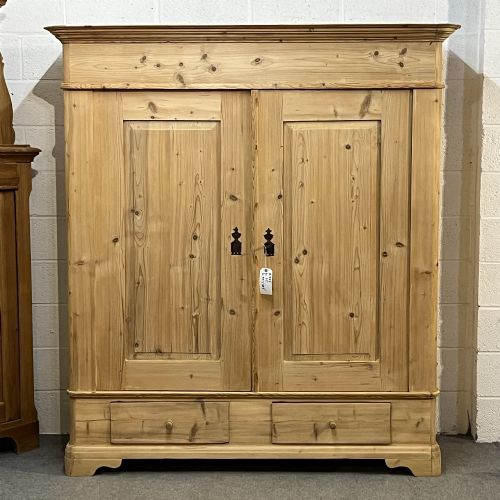
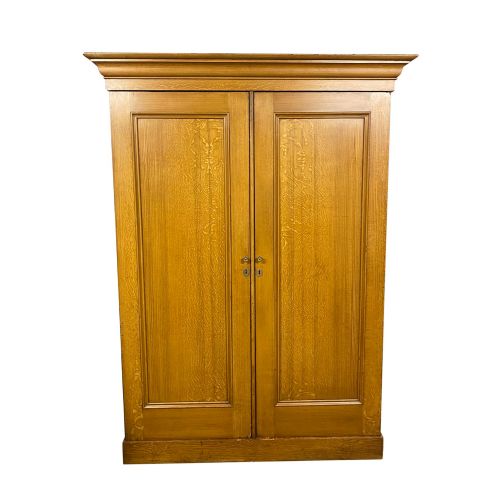
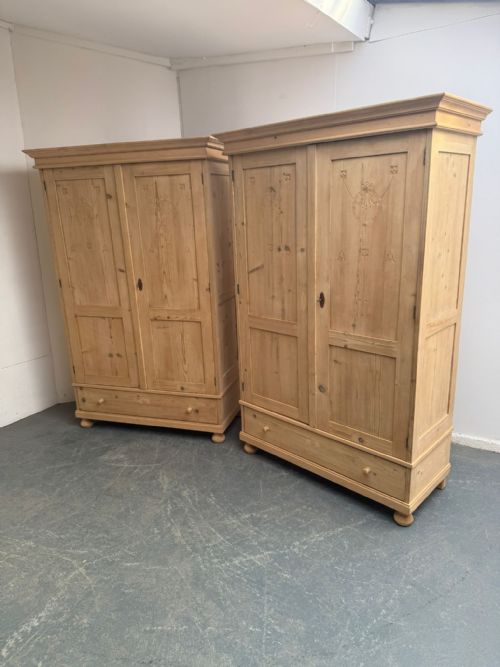
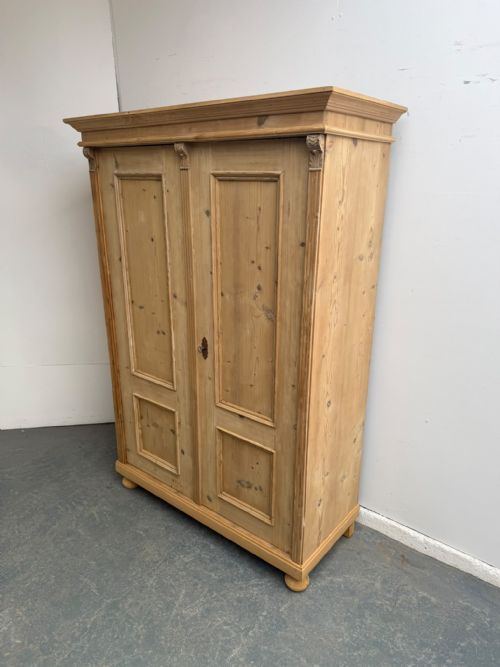
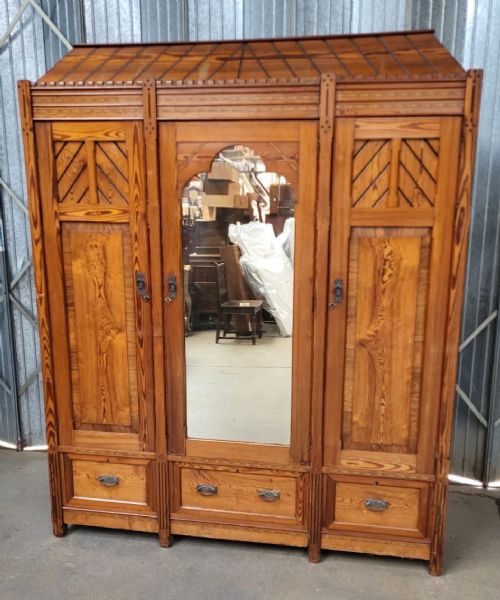
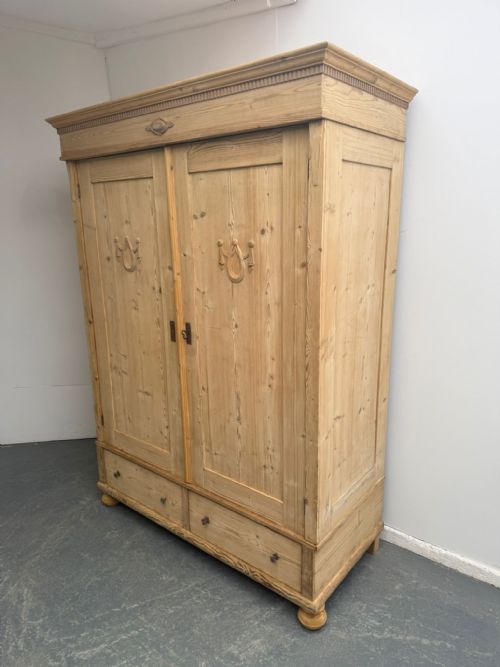
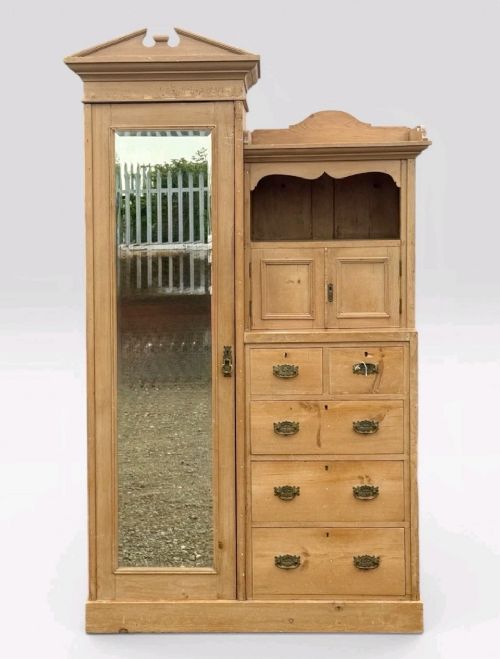


Pine Bedroom Cupboard
A pine bedroom cupboard brings warmth and practical storage to a room, offering sturdy hanging space and shelves built to last.
Pine Bedroom Cupboard
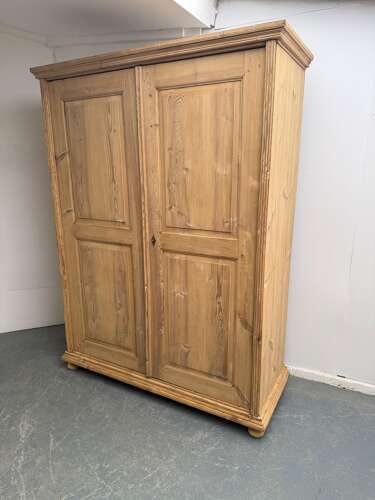
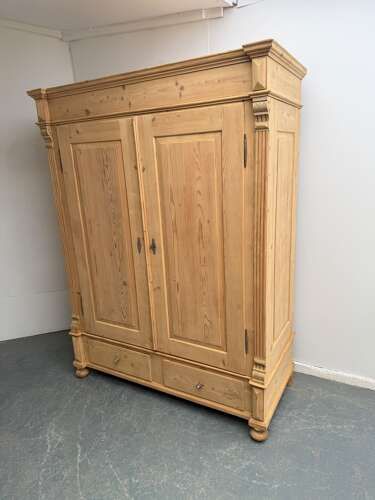
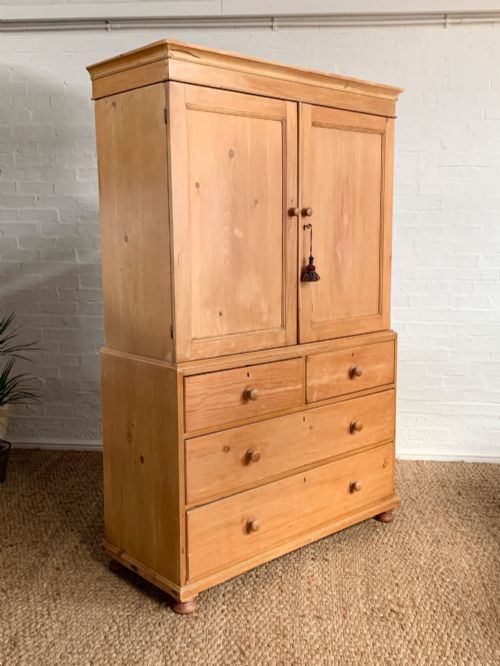
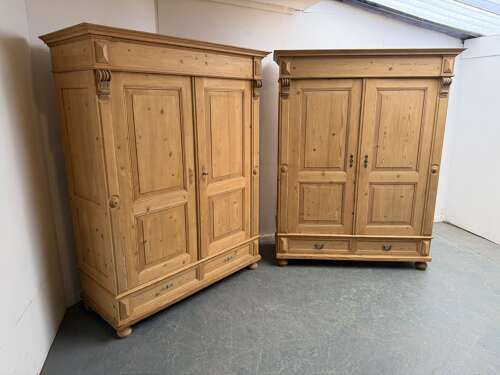
When you search for a pine bedroom cupboard, you encounter large wardrobes, compactums, and linen presses designed for domestic utility. The pieces on this page span several eras, from Georgian country pieces to Victorian and early twentieth-century designs.
Wardrobes and armoires dominate the selection, often featuring knockdown construction for easy transport between rooms. Alongside these, buyers find bedside cabinets and dedicated storage cupboards that served bedrooms and halls alike.
Origins stretch across English country workshops as well as continental makers, yielding both unpainted timber finishes and painted surfaces. Buyers select these items to anchor a room with functional, historic character.
What varies in quality
Construction methods dictate the integrity of each cupboard, with superior examples retaining original knockdown mechanisms and solid backboards. The thickness of the pine and the precision of the joinery separate utilitarian workshop items from finer fitted pieces.
Surface preservation marks another distinction, particularly where original scumble paint, polychrome decoration, or aged patination remains intact. Pieces that have undergone unsympathetic stripping or heavy alteration sit at a different level from untouched examples.
Listings feature pieces spanning the Georgian, Victorian, and Arts and Crafts eras, constructed from standard pine, pitch pine, and iron.
The Pine Bedroom Cupboard Glossary
- Compactum
- A multi-functional wardrobe that combines hanging space with banks of internal drawers and shelving. It provides comprehensive storage within a single footprint.
- Scumble paint
- A decorative glazing technique used to imitate finer timbers like oak or create mottled patterns on pine surfaces. Artisans dragged or combed the wet glaze over a lighter base coat.
- Knockdown
- Furniture designed to be easily disassembled and reassembled using modular joints or internal fixings. This construction aided transport through tight stairwells and narrow hallways.
- Pitch pine
- A dense, resinous variety of pine known for its durability and prominent grain patterns. Makers utilised it for pieces requiring extra structural resilience.
- Linen press
- A tall storage piece featuring upper shelving enclosed by doors and lower drawers for folded textiles. It served traditional bedrooms before fitted closets became standard.
Pine Bedroom Cupboard: Frequently Asked Questions
How do I assemble a knockdown wardrobe?
Knockdown wardrobes rely on interlocking panels, wooden pins, or internal bolts that secure the sides to the base and cornices without permanent glue.
Mark each component during dismantling to ensure the pieces realign correctly when you rebuild the cupboard in your bedroom.
Are these cupboards suitable for modern hangers?
Many older wardrobes feature shallower depths or wooden hanging pegs rather than modern rails, designed for period garments.
Check the internal depth before purchase, as some antique cabinets require front-to-back hanging adapters or specific shorter hangers.
How should I care for painted pine?
Painted surfaces benefit from gentle dusting with a dry microfiber cloth and protection from direct, strong sunlight that can fade pigments.
Avoid chemical polishes and abrasive cleaners that risk lifting aged scumble paint or decorative polychrome layers from the timber.
What is the difference between a chifferobe and a wardrobe?
A chifferobe typically combines wardrobe hanging space with a section of drawers, functioning as a hybrid storage unit.
Standard wardrobes focus primarily on vertical garment hanging, sometimes featuring a single drawer at the very base.
How do I date a pine cupboard?
Dating relies on construction clues such as hand-cut dovetails, original hardware types, and the presence of scumble or plain wax finishes.
Georgian and Victorian pieces exhibit heavier mouldings and panel construction, while early twentieth-century examples display simpler Arts and Crafts lines.