




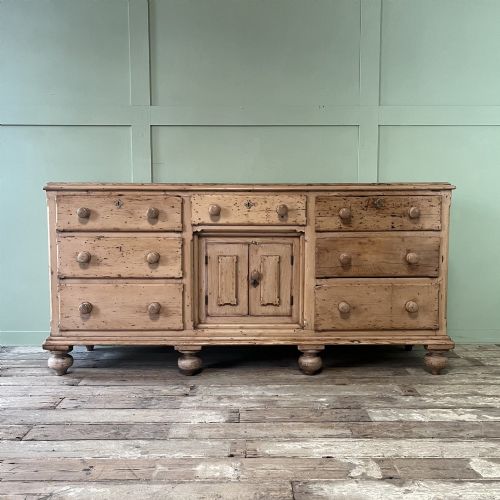


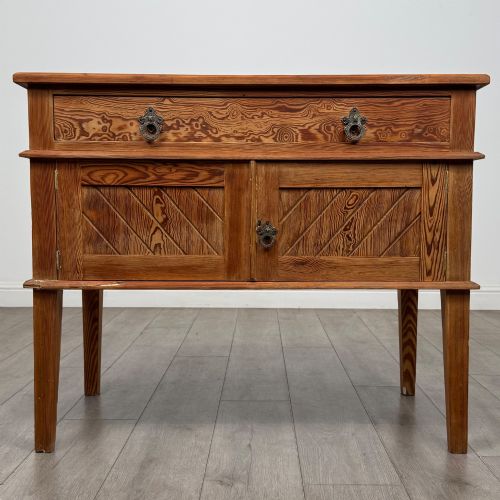
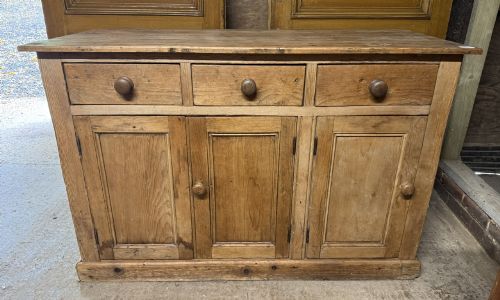
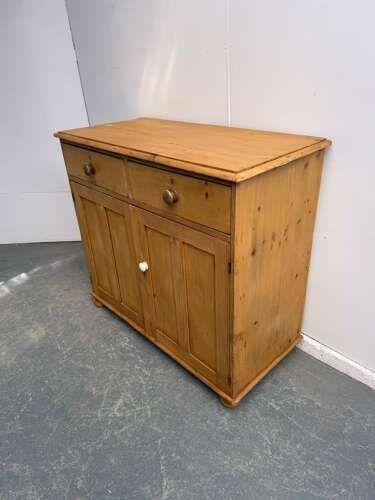
Pine Base Cabinet
A pine base cabinet brings hard-wearing utility and rustic warmth to a kitchen or hallway, offering generous storage with honest joinery.
Pine Base Cabinet
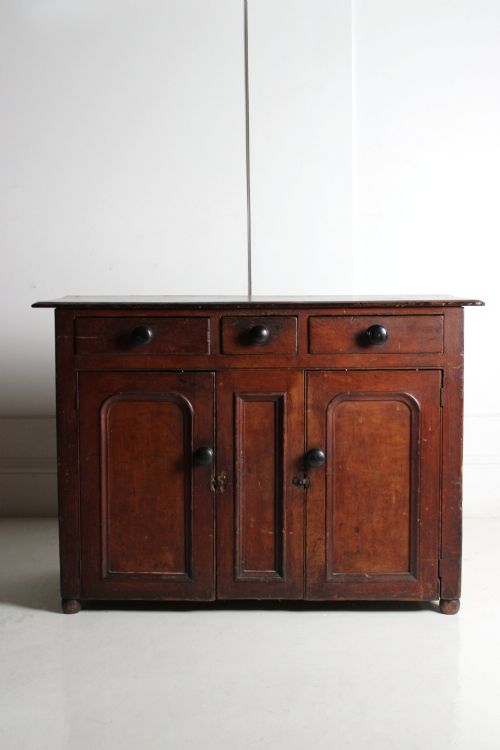
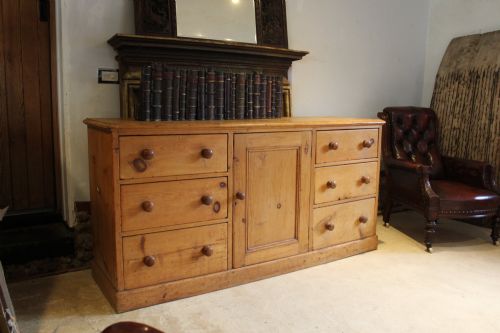
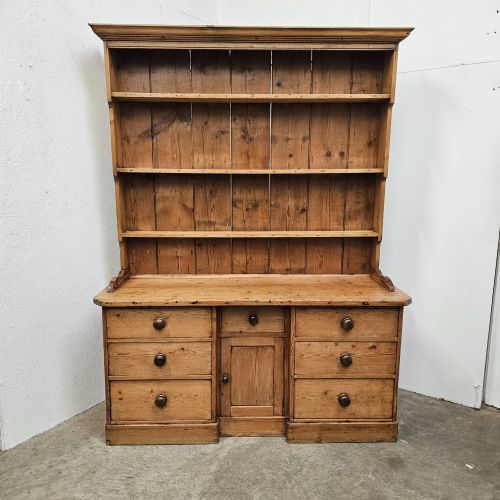
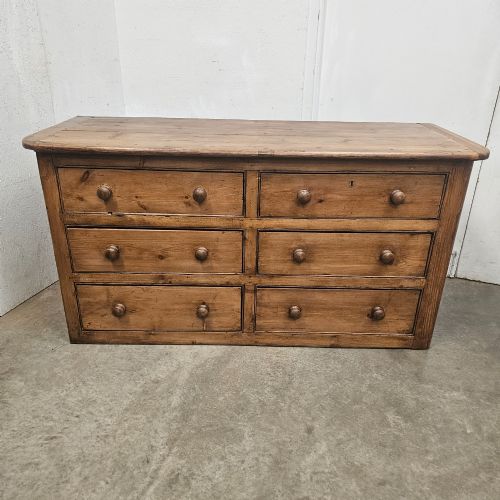
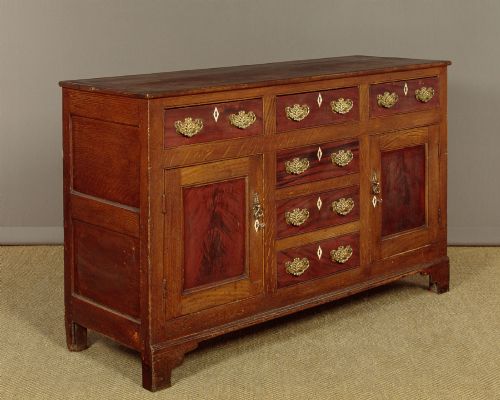
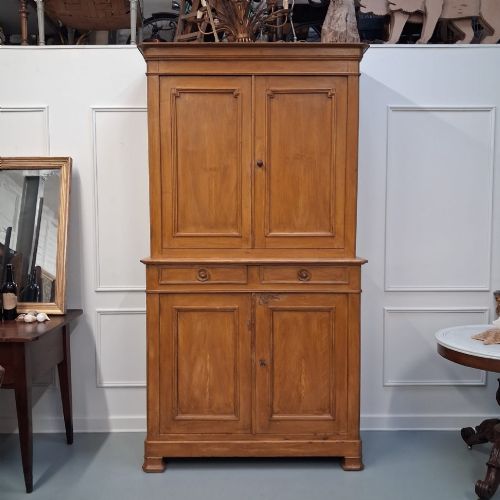
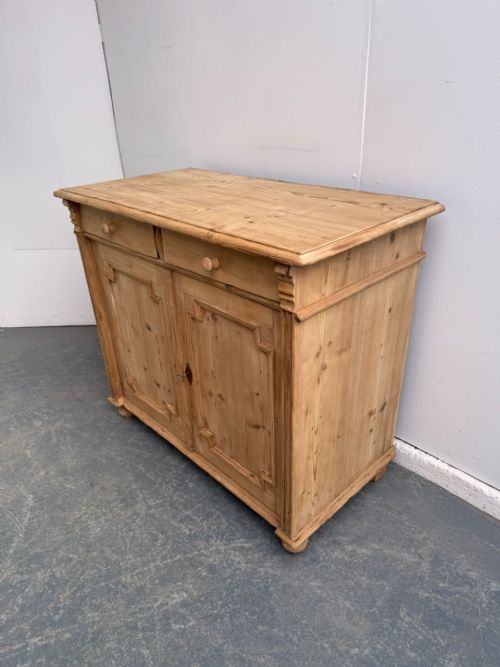
A pine base cabinet combines lower storage cupboards with drawer space, serving as a practical foundation for country and farmhouse interiors. Buyers seeking a pine base cabinet will encounter sturdy dresser bases, low kitchen cupboards, and sideboards originating from the nineteenth century.
The selections span Georgian country craftsmanship through to Victorian utilitarian pieces, often featuring two doors and two drawers. Regional variations appear in English, Welsh, Scottish, French, and Scandinavian examples, each carrying distinct proportions and surface finishes.
Many items survive from the Victorian era, offering substantial storage capacity for domestic spaces. These low-slung cabinets range from stripped wood finishes to painted surfaces showing decades of patination.
Materials and construction
Makers relied on solid pine for the carcase and drawer linings, selected for its accessibility and workability in regional workshops. Surfaces were either left plain for waxing or finished with layers of paint.
Fittings commonly incorporate brass handles, iron hinges, and occasional ceramic details. These utilitarian metals provided durable service for daily opening and closing in busy kitchens and pantries.
Joinery techniques prioritize strength, utilising pegged joints and solid boards to withstand heavy domestic use. Cupboards often feature internal shelving while dresser bases incorporate durable wooden working surfaces.
Pine Base Cabinet Retail Price Guide 2026
Typical asking prices for pine base cabinet among the pieces listed under this phrase on Sellingantiques today, from the lower quarter to the upper quarter. They describe what is for sale here now, not the wider market.
Materials documented across the inventory include solid pine, brass hardware, iron fittings, and original painted surfaces.
Distinguishing quality
Quality rests upon the integrity of the original timber and the retention of authentic surfaces, whether waxed pine or old paint. Pieces with untouched patination and minimal structural replacement command greater interest from collectors.
Construction details differentiate standard workshop output from finer cabinet work, visible in the dovetailing of drawers and the thickness of top boards. Well-proportioned cornices and balanced door alignments reflect superior regional craftsmanship.
The presence of original hardware, such as brass pulls and iron latches, enhances the integrity of a cabinet. Alterations to feet, bases, or interior configurations alter the historical standing of the piece.
The Pine Base Cabinet Glossary
- Dresser base
- A low cabinet featuring cupboards and drawers beneath a flat top surface, designed for kitchen and dining storage.
- Housekeepers cupboard
- A tall storage piece with generous internal shelving, traditionally used for linen and provisions in large country houses.
- Chiffonier
- A compact low sideboard or cabinet, typically fitted with a combination of drawers and lower doors.
- Bread slide
- A pull-out wooden tray integrated into the cabinetry, historically used for cooling or preparing bread.
- Patina
- The surface sheen and colour acquired by wood and paint through age, use, and cleaning over generations.
Pine Base Cabinet: Frequently Asked Questions
Where were pine base cabinets used?
These cabinets served primarily in domestic kitchens, sculleries, and pantries for storing dry goods and utensils.
Their sturdy top surfaces also provided practical workspace for food preparation before fitted kitchens became common.
Should I choose painted or waxed pine?
Waxed pine showcases the natural grain and warm tones of the softwood after stripping or gentle cleaning.
Original paint finishes offer historical character and colour, preserving the decorative choices of earlier owners.
How do I date a pine cabinet?
Dating relies on construction methods, such as hand-cut dovetails, timber thickness, and the style of hinges and handles.
Secondary woods used in drawer linings and backboards also provide clues to the period of manufacture.