






Pietra Dura Inlay
Pietra dura inlay pieces are meticulously crafted stonework surfaces bringing together polished marbles and hardstones into permanent floral, geometric, and figurative designs.
Pietra Dura Inlay
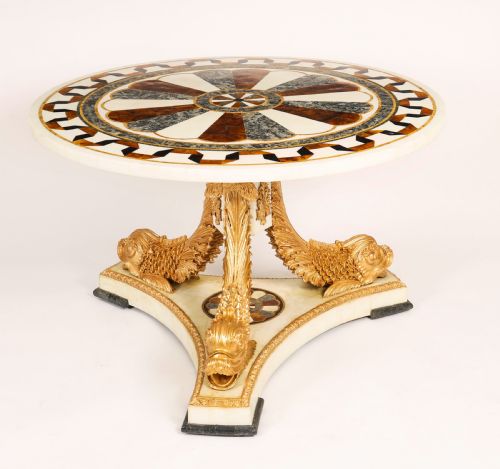
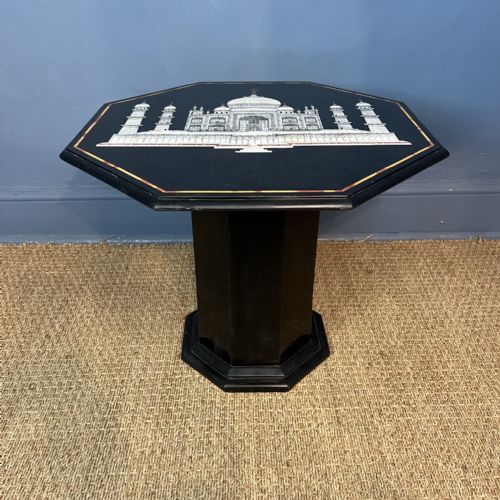
When you search for pietra dura inlay, you encounter elaborate tables, decorative panels, and small desk accessories originating primarily from nineteenth-century Italy, England, and India. These objects demonstrate a high degree of lapidary skill, utilising natural mineral colours to create permanent pictorial surfaces on hard stones and marbles.
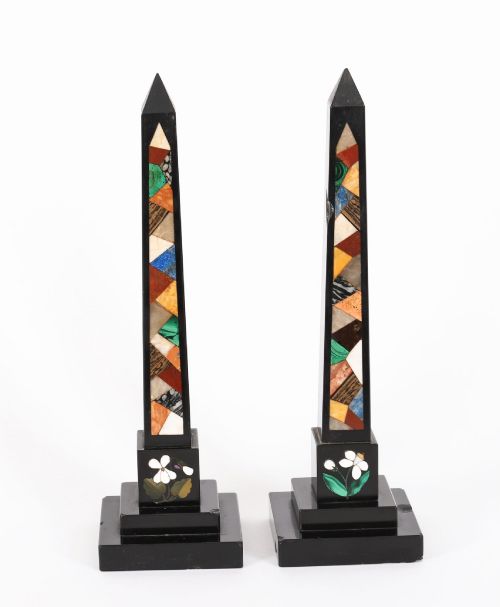
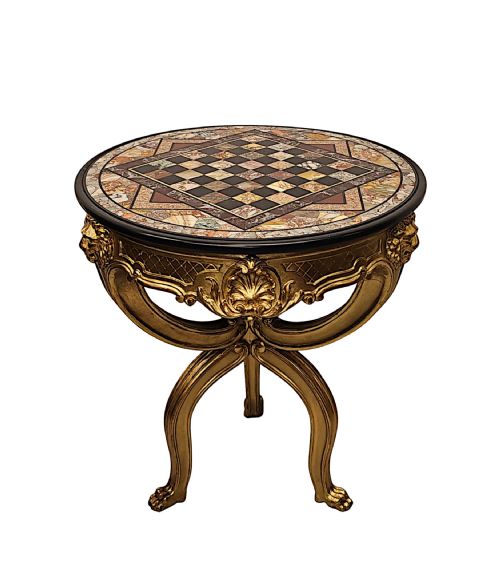
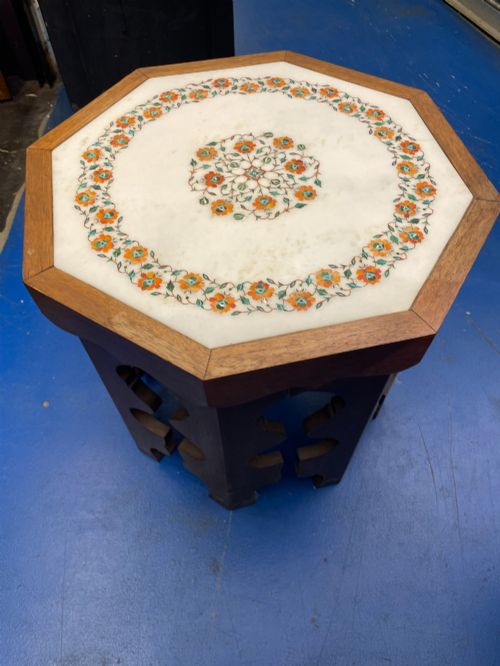
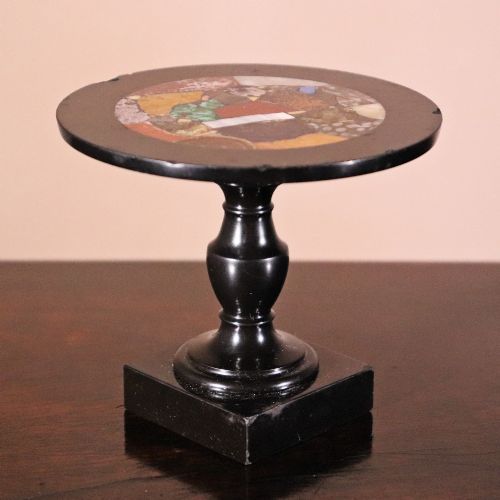
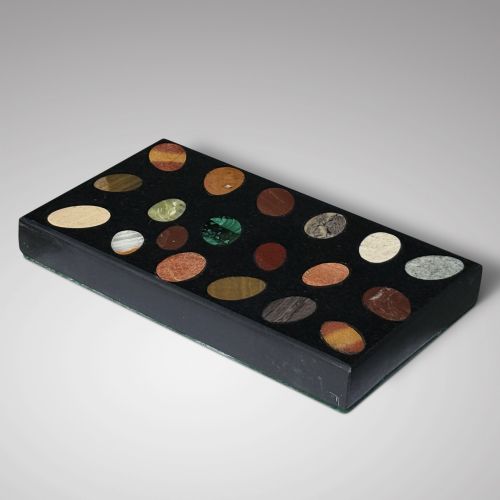
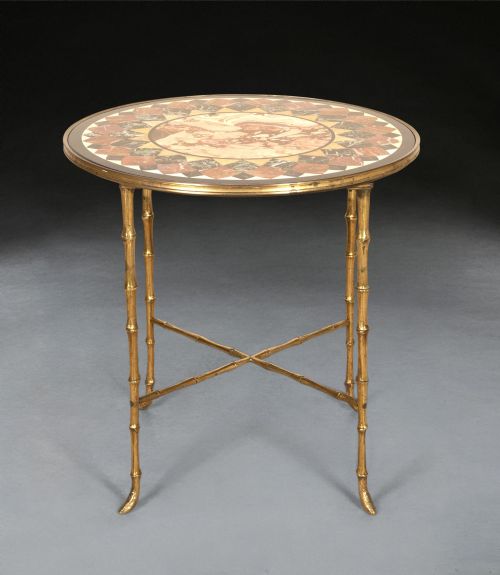
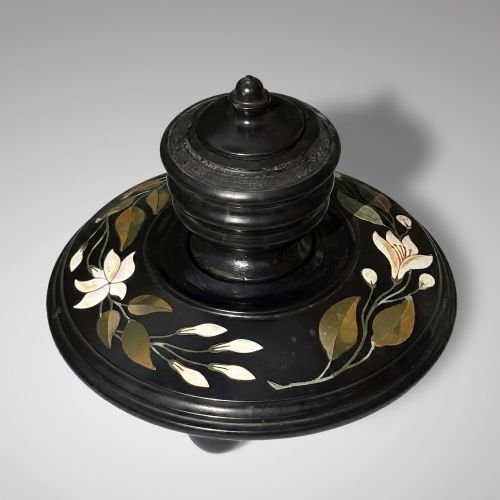
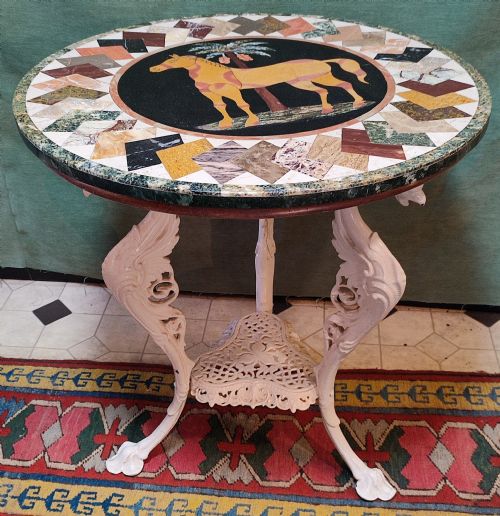
Centre tables, occasional tables, and side cabinets dominate the available forms, often combining heavy stone tops with carved wooden bases in walnut, mahogany, or ebonised wood. Smaller decorative objects such as paperweights, inkwells, and obelisks also appear frequently, representing the portable souvenirs brought home by travellers on the Grand Tour.
The aesthetic ranges from classical Italian floral compositions to Anglo-Indian architectural motifs and British regional work associated with Ashford black marble. Each piece reflects the specific taste of its period, spanning the Regency, Victorian, and Edwardian eras with distinct regional variations in stone selection.
How They Were Made
The technique relies on precision cutting, where thin slices of coloured stones and marbles are shaped by hand to fit tightly into hand-carved recesses within a solid stone base. Craftsmen used materials such as black marble, malachite, lapis lazuli, and various specimen marbles to build up complex pictorial or geometric designs.
Once the stones were glued into place using traditional adhesives, the entire surface was ground down and polished to a uniform, glossy finish that disguised the microscopic joints between the individual inlays. Structural supports often incorporated mahogany, rosewood, walnut, or cast iron, paired occasionally with giltwood or brass mounts to frame the heavy stone tops.
Pietra Dura Inlay Retail Price Guide 2026
Typical asking prices for pietra dura inlay among the pieces listed under this phrase on Sellingantiques today, from the lower quarter to the upper quarter. They describe what is for sale here now, not the wider market.
Listings feature items spanning the Regency, Victorian, and Edwardian periods, constructed from marbles, ebonised wood, brass, and mahogany.
What Varies in Quality
The artistic ambition of the pictorial composition separates standard decorative items from exceptional ones, with naturalistic birds, floral sprays, and architectural replicas demanding advanced lapidary skill. The quality of the supporting base, whether finely carved mahogany, ebonised wood, or gilt bronze, contributes equally to the overall standard of the object.
Woodley family in Devon
The Pietra Dura Inlay Glossary
- Pietra dura
- An Italian term describing the technique of inlaying cut and polished coloured stones into a solid stone background to form decorative pictures or patterns.
- Specimen marble
- A collection of diverse natural marbles gathered from different quarries and arranged together within a single decorative surface or table top.
- Ashford black marble
- A dark limestone quarried in Derbyshire, England, used locally as a dark base for inlaid mineral specimens and floral motifs.
- Grand Tour
- A cultural journey through Europe undertaken by young upper-class men during the eighteenth and nineteenth centuries, resulting in the acquisition of portable antiquities and decorative stone items.
- Ebonised wood
- Timber treated with a dark stain or finish to imitate the appearance of heavy, costly ebony.
Pietra Dura Inlay: Frequently Asked Questions
What is pietra dura inlay?
Pietra dura inlay is a traditional lapidary technique involving the precise cutting and fitting of polished coloured stones into a stone base. This method creates flat, permanent decorative panels depicting flowers, landscapes, or geometric patterns.
The craft reached a high point during the nineteenth century in Italy and England, where workshops produced both large table tops and small desktop items. The finished surfaces were polished until smooth, creating a durable picture made entirely of natural minerals.
How do I care for a marble table?
Stone tables require gentle cleaning with a soft, damp cloth and neutral soap, avoiding all acidic substances like vinegar or lemon juice. Acids will etch the polished surface of marble and specimen stones instantly.
Using coasters and felt pads under objects prevents scratches on the delicate inlaid top. Regular dusting keeps grit from abrading the glossy finish over time.
Where were these pieces made?
These items originated primarily in Florentine workshops in Italy, specialised English centres like Ashford in Derbyshire, and regional Indian workshops influenced by the British Raj. Italian craftsmen supplied travellers on the Grand Tour with scenic plaques and table tops.
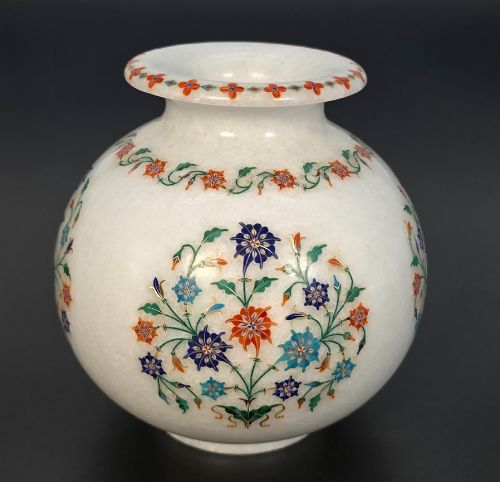
English makers utilised local black marble alongside imported mineral specimens, while Indian artisans produced distinctive marble tables and chess boards featuring intricate floral inlay work.
How are nineteenth century pieces identified?
Nineteenth-century pieces are identified through a combination of material construction, regional stone types, and base woodwork styles such as Regency or Victorian framing. The ageing of the underlying timber and the specific hand-cut characteristics of the stone inlay offer strong clues to the period.
Makers often utilised local timbers appropriate to their region, such as mahogany in England or walnut in Italy, supporting heavy slate or marble slabs.