




Pierced Silverware
Pierced silverware brings intricate openwork metal design to the table, offering a decorative surface achieved through careful cutting and piercing.
Pierced Silverware
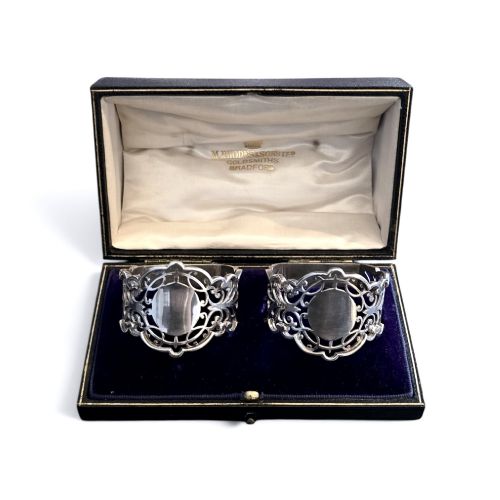
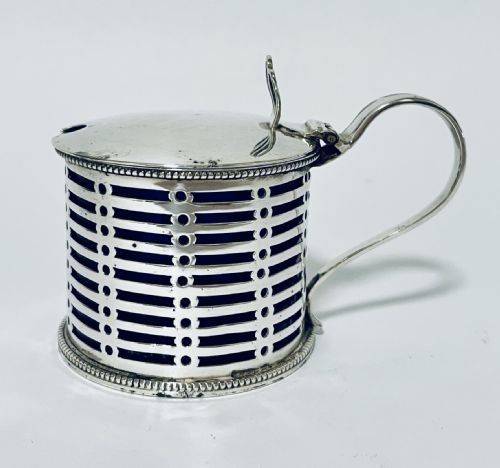
Pierced silverware encompasses a range of tableware and serving pieces featuring ornamental cutouts in the metal, appearing across Victorian, Edwardian, and earlier nineteenth-century periods. These items include sugar baskets, mustard pots, napkin rings, and bread dishes made in sterling silver and silver.
The objects derive from diverse origins, incorporating English silversmithing alongside Chinese export silver and French silver work. Buyers frequently encounter nineteenth-century items designed for formal dining and condiment service.
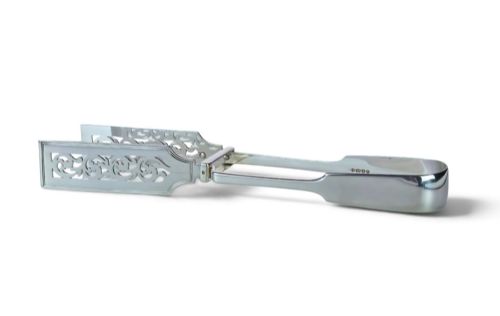
Forms span from small menu card holders and tongs to larger serving dishes, each utilising openwork techniques to lighten the visual weight of the metal. These pieces reflect the decorative priorities of their respective periods, from ornate Victorian designs to simpler George V forms.
Materials and construction
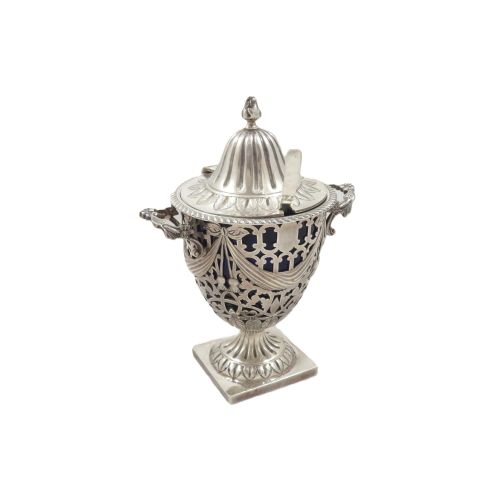
Silversmiths constructed these items primarily from sterling silver and solid silver, frequently combining the metal with cobalt glass liners in pieces like mustard pots and sugar baskets. The manufacturing process relied on forming the silver body before cutting away sections to create intricate openwork patterns.
Makers utilised piercing, sawing, and chasing techniques to achieve the open designs found on bread dishes and sugar casters. Workshop practices across London, Sheffield, Paris, and other centres ensured precise assembly of components such as lids, handles, and fitted glass inserts.
Pierced Silverware Retail Price Guide 2026
Typical asking prices for pierced silverware among the pieces listed under this phrase on Sellingantiques today, from the lower quarter to the upper quarter. They describe what is for sale here now, not the wider market.
Menu card holders ensure guests find their seats without awkward wandering.
Assessing quality
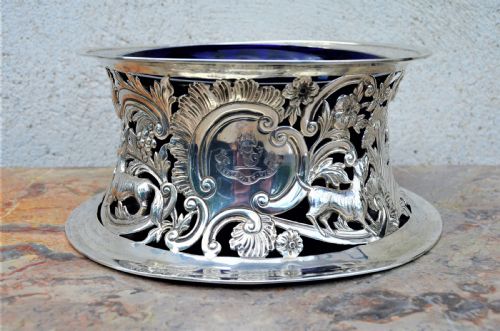
Quality in pierced silverware rests on the crispness of the pierced cutouts and the precision of the surrounding chased or engraved details. Finer pieces maintain structural integrity despite extensive metal removal, ensuring the openwork remains sharp and symmetrical.
The integration of components, such as the fit of a cobalt glass liner within a pierced silver basket or the precise closure of a mustard pot lid, distinguishes superior examples. Maker marks and clear hallmarking also contribute to the standing of an item within its period.
Elizabeth Eaton·Martin Hall And Co
The Pierced Silverware Glossary
- Piercing
- The technique of cutting decorative openings through sheet metal to create light, openwork patterns. This method defines the visual character of pierced silverware.
- Sterling silver
- An alloy containing a high proportion of pure silver by weight, standard for quality British tableware of the nineteenth and early twentieth centuries. It provides durability alongside a bright metallic lustre.
- Cobalt glass
- A deep blue glass used for liners inside openwork silver mustard pots and sugar baskets. The dark colour contrasts effectively with the pierced silver exterior.
- Sugar caster
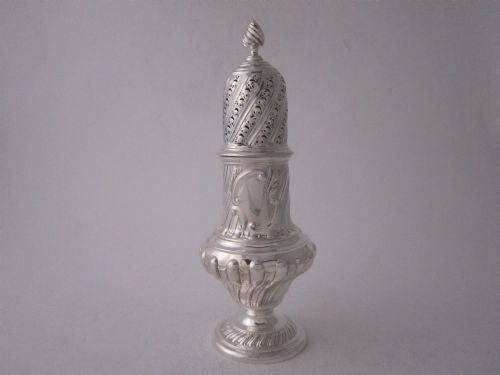
- A perforated vessel used for sprinkling sugar over food. These often feature pierced lids and bodies executed in sterling silver.
- Hallmark
- Official stamps struck into precious metals to guarantee purity and indicate the maker, assay office, and year of production. These marks provide definitive historical context for antique silver.
Pierced Silverware: Frequently Asked Questions
What is pierced silverware?
Pierced silverware refers to metal tableware and serving items decorated with cut-out patterns. Silversmiths removed sections of the silver sheet to form geometric, floral, or scroll designs.
These pieces range from sugar baskets and mustard pots to bread dishes and menu card holders. The technique lightens the object while adding decorative detail.
How do I clean pierced silverware?
Cleaning requires gentle care to avoid damaging delicate openwork and any fitted glass liners. Use a soft cloth and a reputable silver polish applied sparingly.
Remove glass liners before cleaning the silver body. Avoid harsh abrasives that might wear down the edges of the pierced patterns.
Did all pierced silver have glass liners?
Not all pieces required glass inserts, though items designed to hold liquids or loose contents, such as mustard pots and sugar baskets, frequently utilised cobalt glass liners. The deep blue glass protected the silver from corrosive contents while providing a striking colour contrast beneath the openwork.
Items like bread dishes and menu card holders functioned entirely in metal without additional inserts.
How do I identify Victorian pierced silver?
Victorian pierced silver is identified through hallmarks, stylistic cues, and manufacturing methods typical of the nineteenth century. Assay marks and date letters stamped on the metal provide precise production years.
The style of the piercing often reflects Victorian tastes, ranging from naturalistic floral motifs to more formal geometric arrangements.