



Pierced Brass Kerb
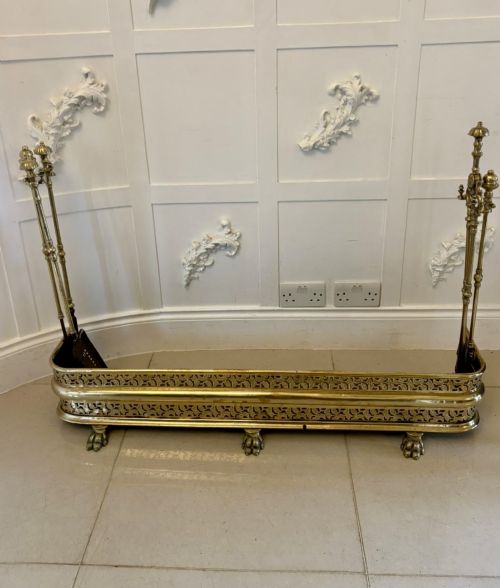
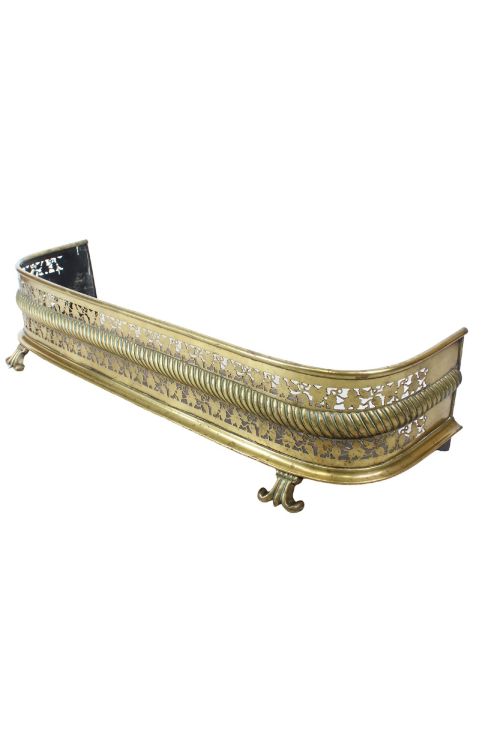
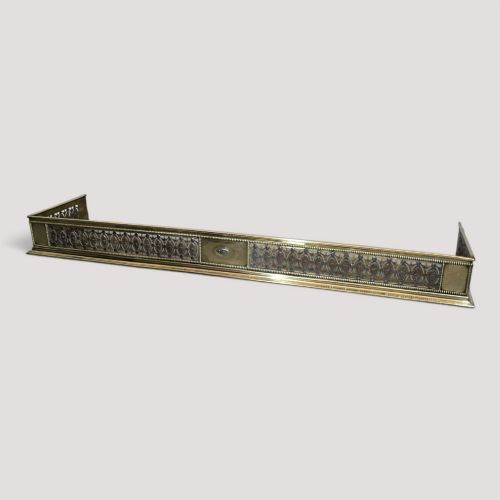
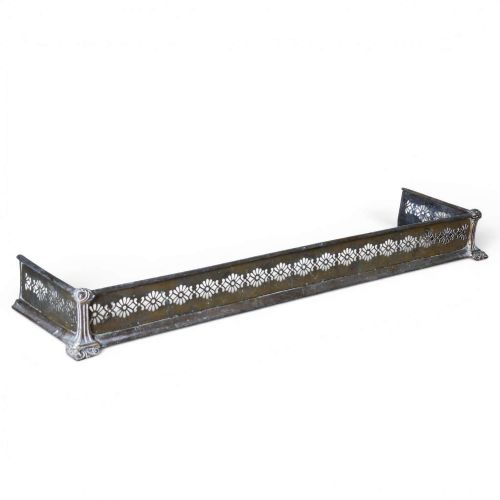
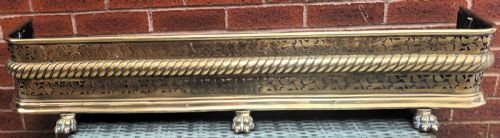
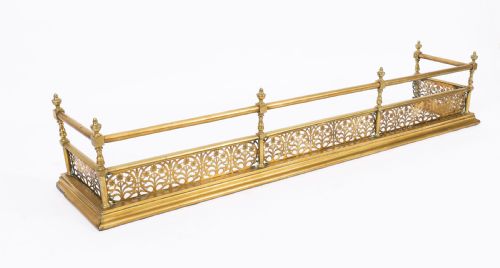
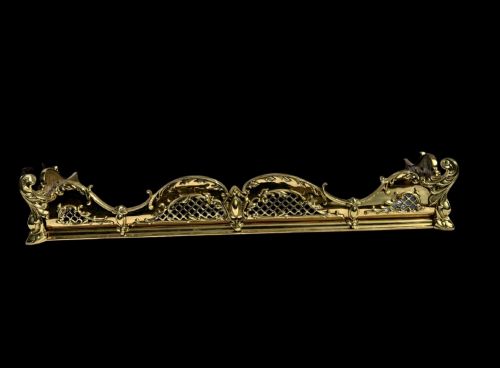
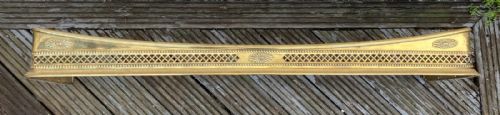
A pierced brass kerb guards the hearth with patterned metalwork, framing the fire while stopping stray embers from rolling onto the floorboards.
Pierced Brass Kerb
When you search for a pierced brass kerb, you are looking at fireplace accessories designed to contain coal and ash within the hearth. These fender guards appear across multiple historical periods, taking the form of low metal barriers placed directly in front of the fire.
The most common examples you will meet on this page date from the nineteenth century, including Victorian and Regency periods. These pieces range from simple domestic fire guards to substantial versions incorporating steel and iron elements alongside their brass construction.
How they were made
Maker's workshops built these kerbs using sheet brass, cast brass, and iron or polished steel. Metalworkers pierced the brass plates with geometric or floral patterns, using hand tools to create the distinctive openwork galleries seen across the periods.
Many examples combine brass bodywork with cast iron or cut steel sections for added weight and stability. Surface finishes vary from bright polished brass to darkened or patinated metal surfaces.
Listings span the Georgian, Regency, and Victorian periods, utilising brass, cast iron, and polished steel in various fireplace fender configurations.
What varies in quality
The distinction between standard domestic items and finer examples lies in the weight of the metal and the crispness of the pierced decoration. Thicker brass gauge and deep, clean piercing separate better-wrought kerbs from lighter production pieces.
Construction methods also define the tier of the piece, with heavier cast components and integrated steel elements indicating more substantial manufacturing origins. The presence of matching fire irons or original structural fittings adds to the integrity of the object.
The Pierced Brass Kerb Glossary
- Kerb fender
- A low metal barrier placed around the hearth to keep burning fuel and ash contained. It sits directly on the floor in front of the fireplace opening.
- Pierced brass
- Sheet metal punched or cut through with decorative patterns. This technique allows light from the fire to reflect through the openings.
- Cut steel
- Steel facings or studs faceted to catch the light. It frequently appears alongside brass on hearth furniture from the Georgian and Regency periods.
- Patina
- The surface appearance acquired by metal over decades of use and polishing. It shows the age and handling history of the brass.
- Regency
- A design period spanning the early nineteenth century. Pieces from this era often feature clean classical lines and restrained ornament.
Pierced Brass Kerb: Frequently Asked Questions
What is a pierced brass kerb used for?
A pierced brass kerb serves as a physical barrier for the fireplace, sitting on the floor to keep rolling embers and hot ash inside the hearth area.
Beyond safety, it frames the fireplace opening and holds the fire irons in place while adding a polished decorative element to the room.
How do I date a brass fender?
Dating relies on observing the manufacturing techniques, metal thickness, and stylistic motifs present in the piece. Georgian and Regency examples often display sharper classical details, while Victorian pieces incorporate heavier cast elements and floral piercing.
Comparing the construction methods of the iron or steel base components also helps place the object within its nineteenth-century context.
Are steel parts common on brass kerbs?
Many kerbs combine brass with iron or polished steel to provide structural strength and weight. The contrasting metals were a common manufacturing choice during the nineteenth century.
These mixed-metal examples often pair a pierced brass gallery with a steel base or decorative cut steel studs.
How should I clean an antique brass fender?
Careful dusting and occasional light cleaning help preserve the surface without removing the accumulated age of the metal. Avoid harsh chemical cleaners that strip the historic patination.
Gentle maintenance keeps the brass bright while respecting the long history of the fireplace accessory.