




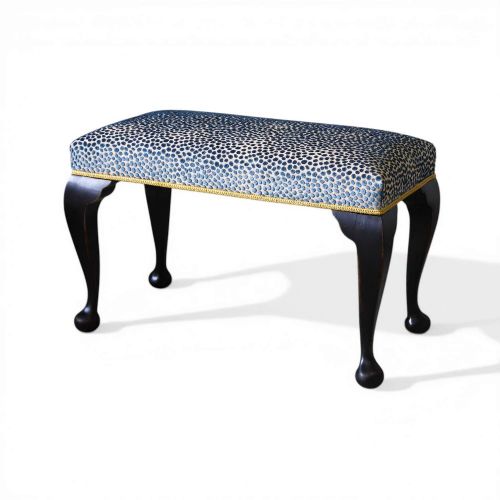
Piano Seating Bench
A piano seating bench serves musicians and collectors alike, combining practical keyboard posture with period craftsmanship spanning the Victorian era to Art Deco.
Piano Seating Bench
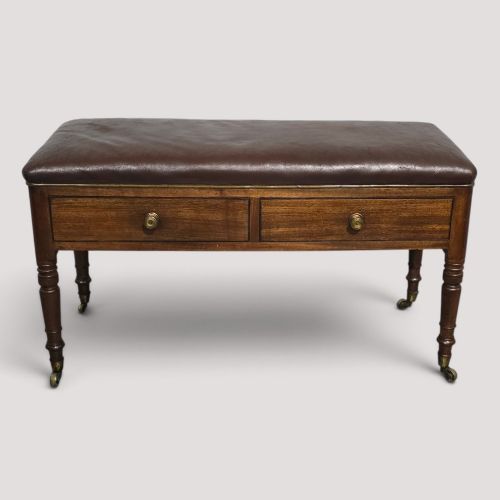
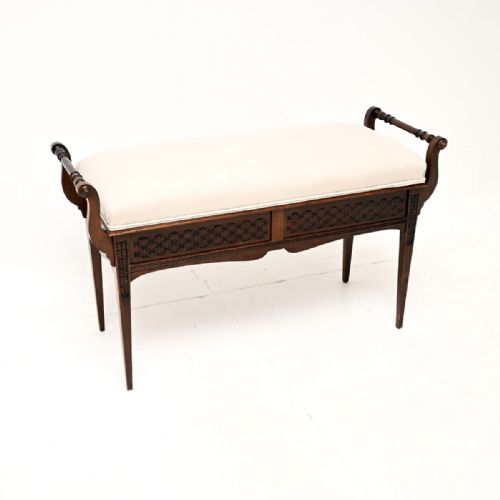
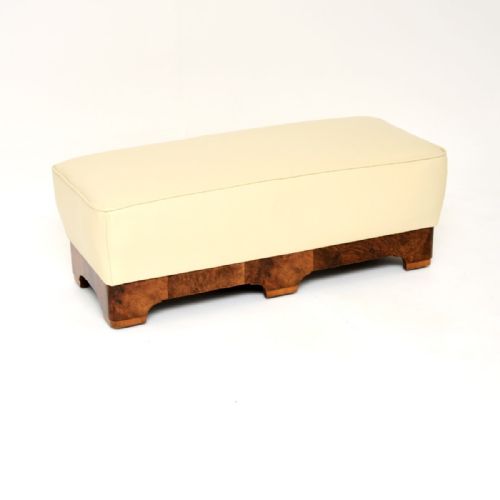
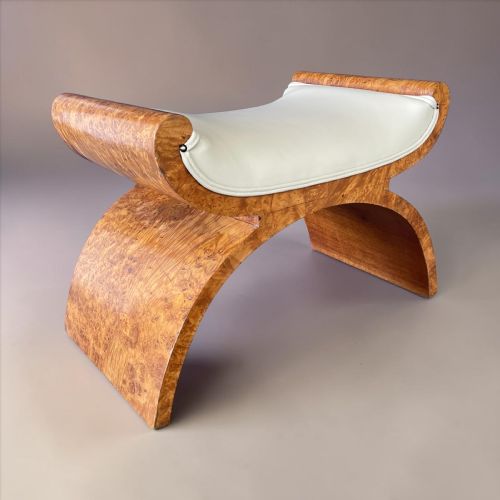
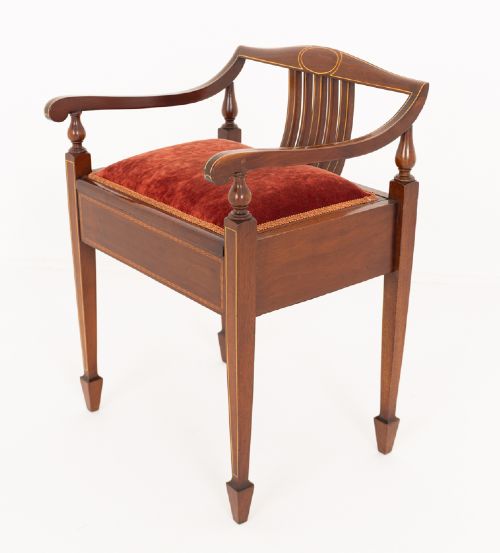
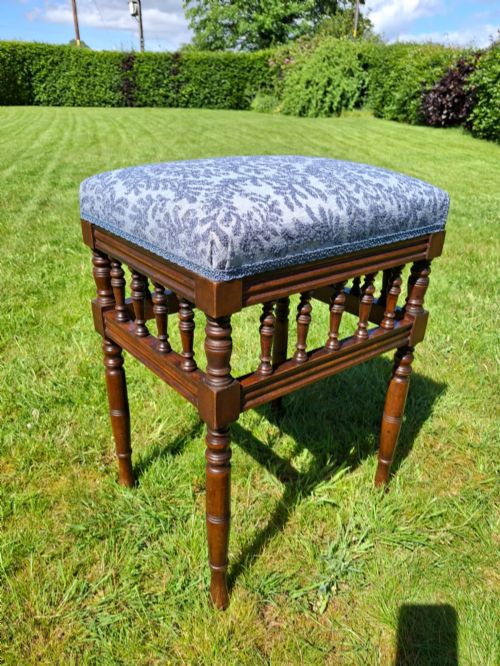
When searching for a piano seating bench, buyers encounter a variety of forms including single piano stools, extended duet stools, and versatile window seats that double as music furniture. These pieces span centuries of design, drawing on periods such as the Victorian era, the Edwardian years, and the Art Deco movement.
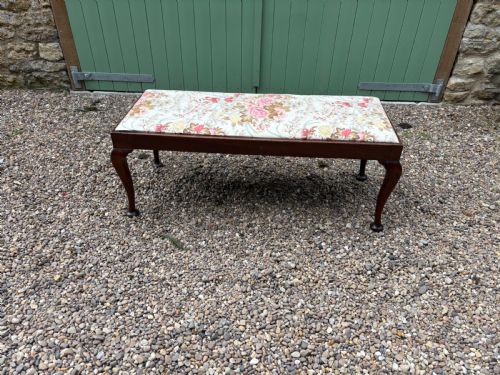
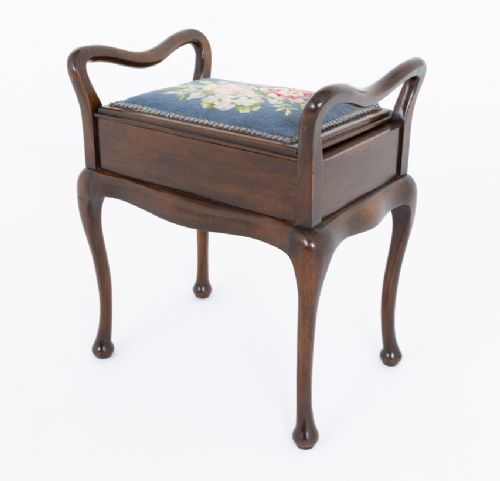
The selections on this page lean heavily towards the nineteenth and early twentieth centuries, showcasing classic woods and period upholstery. Makers often adapted traditional forms like Queen Anne style legs or Sheraton Revival details to suit domestic music rooms.
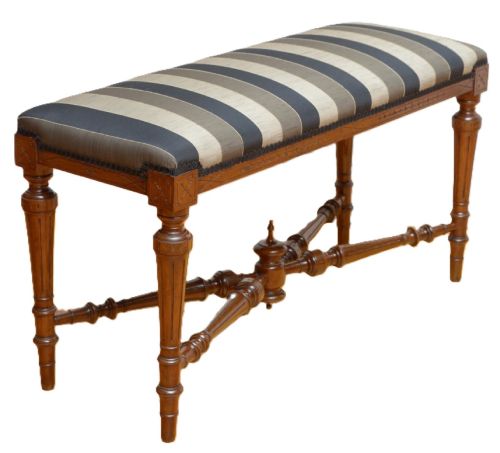
Beyond standard solo music stools, the inventory includes duet benches designed for two players, alongside occasional ottomans and dressing table stools sharing similar proportions. Walnut and mahogany dominate the construction, reflecting the prevailing cabinet-making materials of their respective decades.
Materials and Construction Techniques
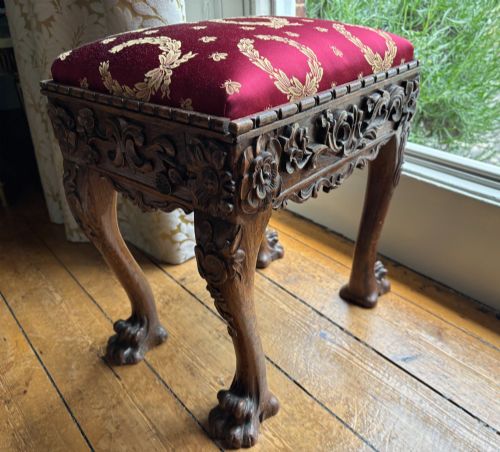
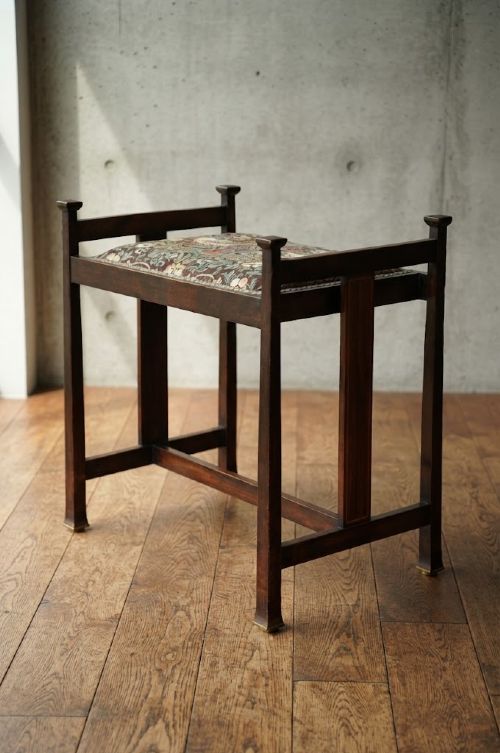
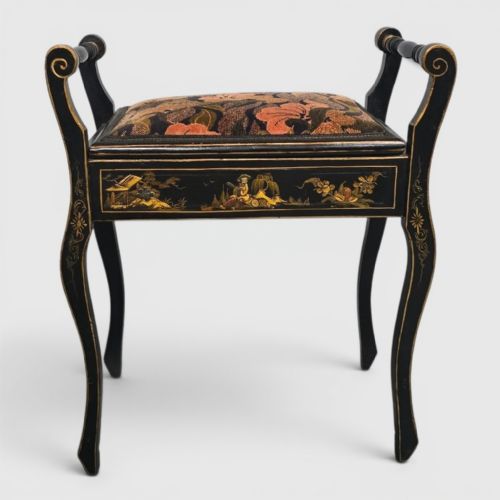
Cabinet makers utilised dense hardwoods such as mahogany, walnut, and satinwood for the frames, frequently employing ebonisation or white paint finishes depending on the prevailing aesthetic. Structural integrity relies on traditional joinery, turned legs, and carved cabriole supports that bear the weight of daily use.
Seating portions incorporate diverse textiles including velvet, leather, needlepoint, and patterned fabrics, often mounted over padding supported by webbing or springs. Brass hardware appears selectively on adjustable mechanisms, hinges, and decorative castors, adding functional metallic contrast to the timber frames.
Piano Seating Bench Retail Price Guide 2026
Typical asking prices for piano seating bench among the pieces listed under this phrase on Sellingantiques today, from the lower quarter to the upper quarter. They describe what is for sale here now, not the wider market.
Several pieces double cheerfully as window seats, proving that nineteenth-century musicians spent considerable time staring out at the garden.
Distinguishing Quality in Period Seating
The upper tier of these pieces reveals itself through refined timber selection, such as figured burr walnut or detailed satinwood inlay, paired with crisply carved cabriole or turned legs. Master workshops applied sophisticated finishes and robust joinery that withstands the downward pressure of seated musicians over generations.
Simpler examples utilise plain mahogany or ebonised softwoods with minimal decoration, reflecting utilitarian manufacture for modest parlours rather than grand drawing rooms. The sophistication of the upholstery work, from needlepoint execution to the choice of leather or velvet, further separates standard production from exceptional craftsmanship.
Hampton & Sons of Pall Mall·James Shoolbred·Harry and Lou Epstein
The Piano Seating Bench Glossary
- Duet Stool
- An extended piano seat designed to accommodate two players simultaneously during piano practice or performance. These longer benches often feature hinged lids revealing internal storage compartments for sheet music.
- Ebonised
- Wood treated with a dark stain or finish to imitate expensive ebony. This technique was particularly popular during the Victorian and Aesthetic Movement periods.
- Cabriole Leg
- A furniture leg that curves outward and then tapers inward, mimicking an animal's limb. It is frequently seen on pieces influenced by Queen Anne and Georgian styles.
- Sheraton Revival
- A late nineteenth and early twentieth century design movement that reinterpreted the lighter, neoclassical furniture forms of the eighteenth century designer Thomas Sheraton.
- Needlepoint
- Stitched textile work utilising yarn on canvas mesh, commonly employed for period upholstery. It adds colourful patterned texture to the top of dressing table and piano stools.
Piano Seating Bench: Frequently Asked Questions
What is a piano seating bench?
A piano seating bench is a dedicated piece of furniture designed to provide correct posture and comfort for keyboard players. They range from simple single stools to long duet benches with hinged storage.
Many examples incorporate upholstered tops in leather, velvet, or needlepoint, matching the aesthetic of period drawing rooms and music salons.
How do I date a piano bench?
Dating relies on identifying stylistic markers, timber choices, and construction methods associated with specific eras like the Victorian or Edwardian periods. For instance, ebonised finishes and heavy carvings point to the nineteenth century, while sleek walnut forms suggest Art Deco production.
Makers' stamps or labels underneath the seat can also provide precise attribution to workshops like James Shoolbred or Hampton and Sons.
Can these benches store sheet music?
Many period duet stools and larger piano benches feature lift-up lids with internal compartments specifically built for organising sheet music. This kept scores close at hand while keeping the music room tidy.
Solo stools are more frequently non-storage designs, focusing purely on adjustable height mechanisms or fixed upholstered seating.
How do I incorporate one into modern interiors?
These versatile benches function effectively beyond the piano, serving as window seats, dressing table stools, or hallway furniture. Their compact proportions allow them to sit neatly at the foot of a bed or beneath a console table.
Matching the wood tone or fabric upholstery to existing room decor helps integrate a historical piece into a contemporary living space.