




Pewter Metal Tableware
Pewter metal tableware brings tactile domestic history to the table through centuries of plates, chargers, and serving vessels.
Pewter Metal Tableware
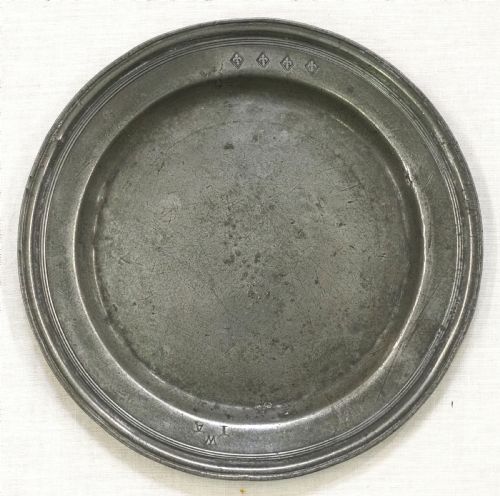
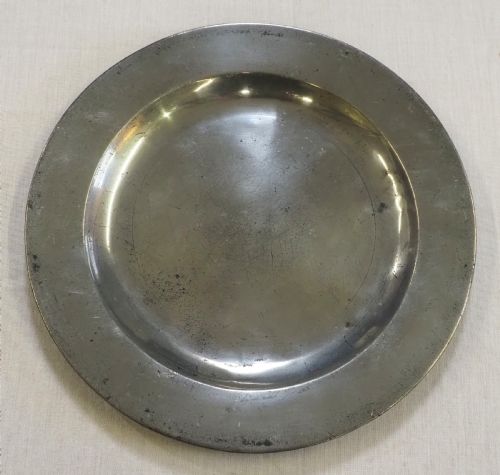
The objects appearing on this page most frequently take the form of eighteenth-century and nineteenth-century English plates and chargers. These domestic pieces demonstrate the enduring utility of base metal alloys in historical households before the dominance of ceramic and glass alternatives.
How they were made
These items are shaped from pewter, a malleable metal alloy composed primarily of tin combined with copper, lead, or antimony to achieve stability. Makers cast the molten metal in moulds before hammering, turning, and finishing the surfaces by hand.
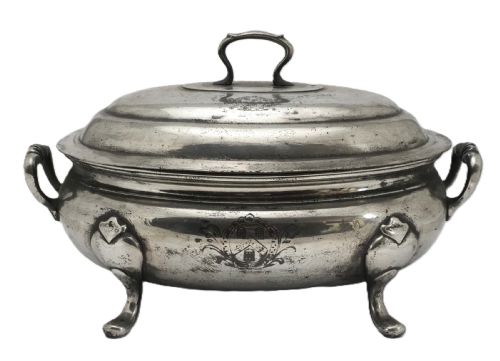
Certain pieces incorporate contrasting materials, pairing the dark metallic lustre of pewter with glass components in functional serveware or novelty table articles.
Pewter Metal Tableware Retail Price Guide 2026
Typical asking prices for pewter metal tableware among the pieces listed under this phrase on Sellingantiques today, from the lower quarter to the upper quarter. They describe what is for sale here now, not the wider market.
A nineteenth-century novelty dog pepperette stands ready to bark flavour onto your dinner table.
What varies in quality
Quality in these pieces rests upon the crispness of maker touchmarks, the weight and thickness of the metal plate, and the integrity of original rims and reeding. Heavier gauges resist warping and maintain their structural form more successfully through centuries of use.
Engraving depth and clarity distinguish superior items, particularly when coats of arms or personalized crests are applied with precision. The balance of proportion between rim breadth and central well also dictates the visual success of chargers and plates.
William Wright·T & H Compton·Richard King·Robert Moulins·Liberty & Co·Thomas Alderson·Dixon & Son·Yates Birch and Spooner
The Pewter Metal Tableware Glossary
- Touchmark
- A stamped maker mark pressed into the pewter surface to identify the workshop or guild member responsible for the piece. These small impressions serve as vital clues for dating and attribution.
- Charger
- A large decorative or serving plate positioned beneath smaller dinner plates during formal meals. They represent some of the heaviest surviving examples of domestic metalwork.
- Reeded
- Decorated with parallel raised moulding lines around the rim of a plate or dish. This technique adds structural rigidity and visual detail to plain metal surfaces.
- Pepperette
- A small table vessel pierced for dispensing ground seasoning or pepper. Novelty examples take figurative animal shapes like dogs.
Pewter Metal Tableware: Frequently Asked Questions
How do I clean pewter?
Clean pewter gently using warm water and mild soap, followed by thorough drying with a soft cloth to prevent water spots. Avoid abrasive scouring powders that remove the historic surface patina.
Traditional polishing is rarely required unless active oxidation threatens the metal. Maintaining a dull, dark grey finish preserves the authentic age of the object.
Are old plates safe for food?
Historical plates often contain lead within the alloy mixture, making them unsuitable for regular modern dining use. They are best appreciated as display pieces or for serving dry foods.
Using them for acidic items accelerates surface corrosion and transfers heavy metals to the food. Displaying them on walls or dressers avoids these safety concerns entirely.
How do I date a piece?
Examine the touchmarks stamped into the back of the plate and compare them against historical maker registers. The rim style, such as single reeding or broad plain borders, also points to specific decades.
Weight offers another clue, as earlier seventeenth-century plates often feel substantially heavier and thicker than later nineteenth-century production. Documented historical styles like Arts and Crafts narrow down the production era further.
What is a touchmark?
A touchmark is a small punch stamp applied by the maker to guarantee the alloy standard and advertise their workshop. Guild regulations required these marks to maintain quality control.
Finding a clear touchmark allows collectors to trace pieces to specific towns and makers active in England. Unmarked pieces rely entirely on stylistic comparison for dating.