

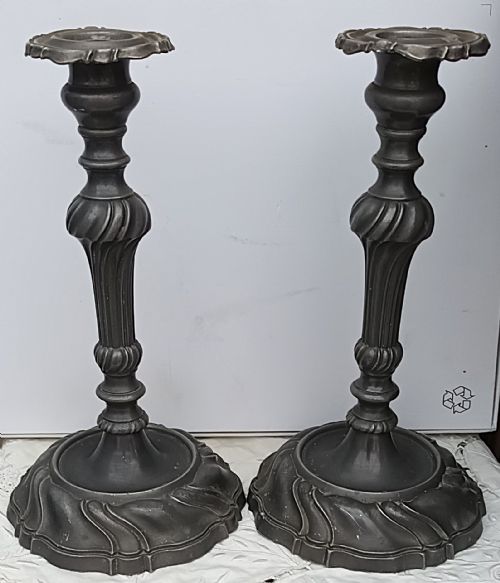
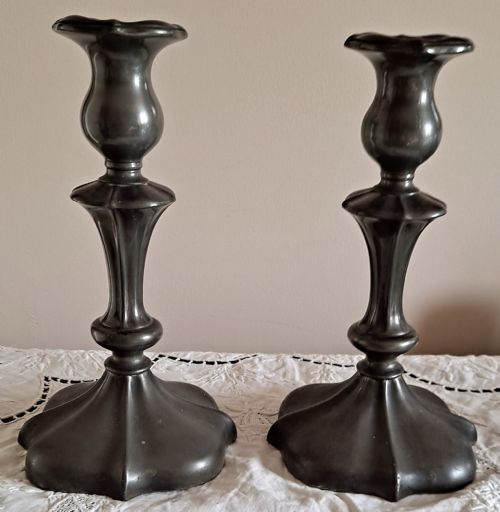


Pewter Candlestick Holder
These pewter candlestick holder pieces range from seventeenth-century Stuart examples to sleek art deco designs, offering durable metalwork for domestic lighting.
Pewter Candlestick Holder
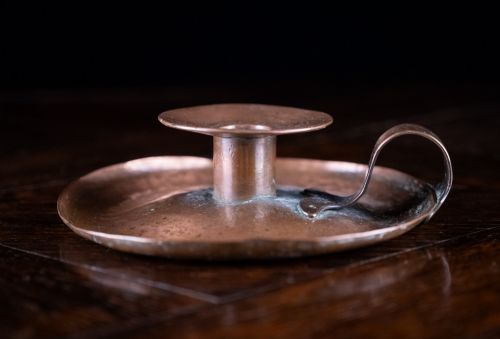
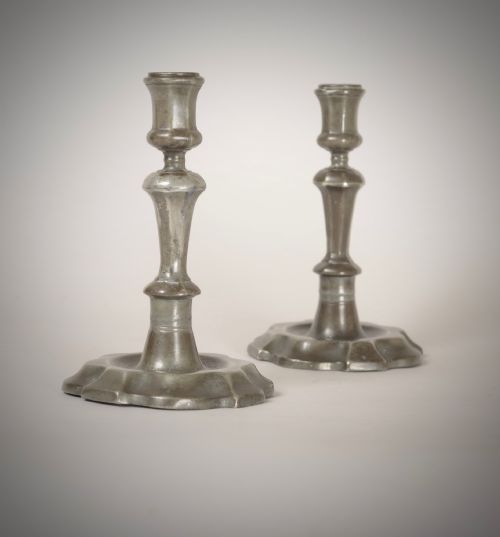
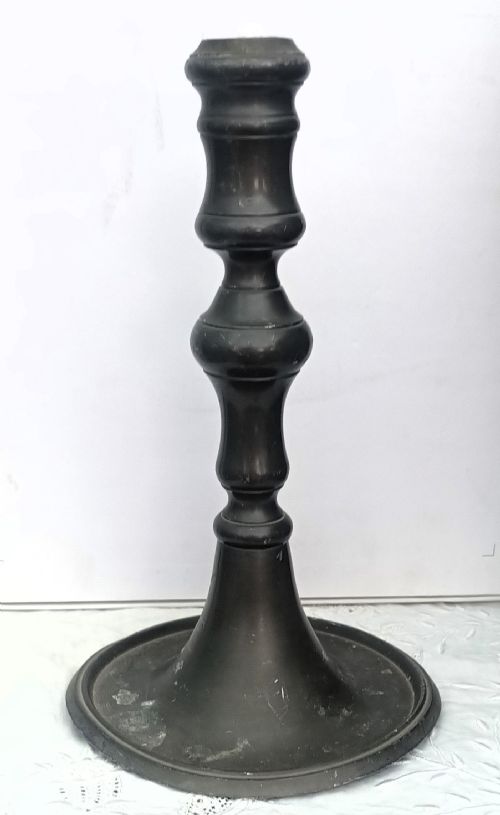
A pewter candlestick holder forms a practical domestic lighting device shaped from metal to support taper candles securely during dark evenings. These items appear across multiple periods, including the seventeenth, eighteenth, and nineteenth centuries, alongside twentieth-century movements.
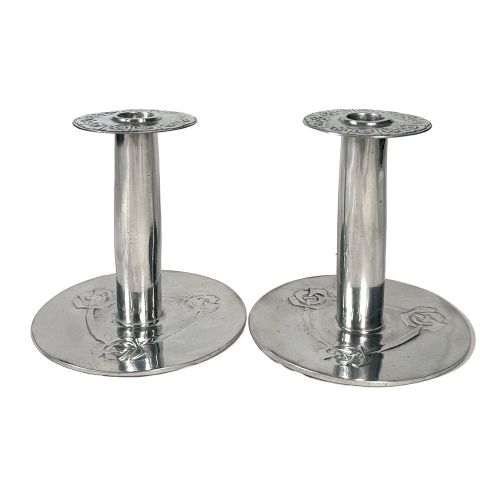
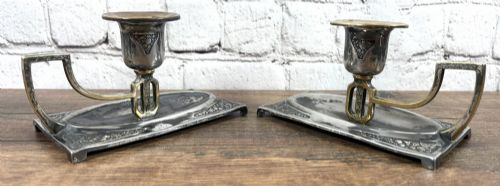
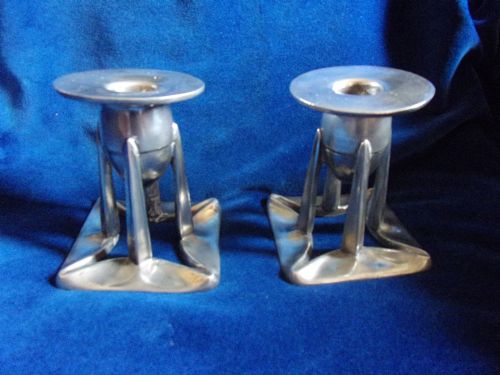
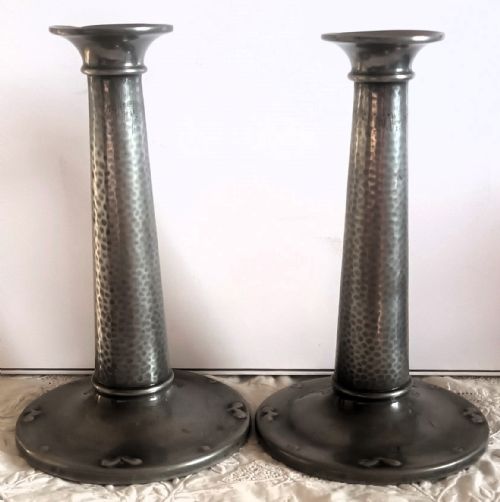
Most examples found on this page arrive as matched pairs rather than single items, featuring straightforward pillar forms or decorative figural shapes. The selection encompasses diverse stylistic influences ranging from Stuart severity through to Victorian rococo flourish.
How They Were Made
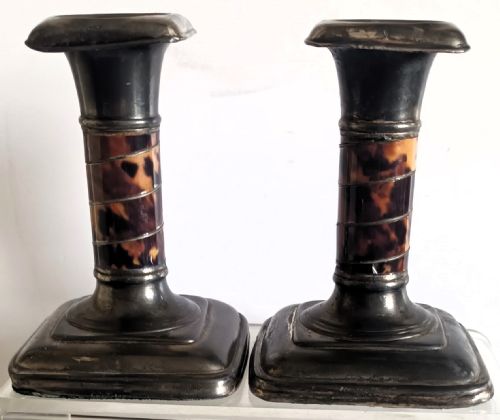
Pewter serves as the primary metal alloy utilised for these candlesticks, often combined with secondary elements such as brass or tortoiseshell inlay to enhance texture. Certain pieces incorporate enamel highlights or receive a silvered surface finish to shift the visual tone of the metal.
Makers shaped the alloy through casting and hammering techniques, matching the stylistic demands of periods from the georgian era to the art nouveau movement. Craftspeople utilised specific model numbers on notable designs, integrating decorative motifs directly into the body of the holder.
Pewter Candlestick Holder Retail Price Guide 2026
Typical asking prices for pewter candlestick holder among the pieces listed under this phrase on Sellingantiques today, from the lower quarter to the upper quarter. They describe what is for sale here now, not the wider market.
Listings feature items spanning the seventeenth through to the twentieth century, utilising pewter, tortoiseshell, enamel, and brass.
What Varies in Quality
The distinction between standard production items and superior examples rests upon the clarity of casting and the presence of documented design attribution. Pieces bearing specific maker marks or associated with recognised creative output demonstrate greater artistic ambition in their execution.
Integration of contrasting materials like enamel or tortoiseshell elevates the complexity of the construction beyond simple metal shaping. The preservation of original surface finishes and period details dictates how successfully a piece retains its intended character.
Archibald Knox·Liberty and Co·Alexandre Clerget
The Pewter Candlestick Holder Glossary
- Pewter
- A malleable metal alloy composed principally of tin, combined with copper, antimony, or bismuth. It provides a durable material for domestic vessels and lighting.
- Art Nouveau
- An international style of design prominent around nineteen hundred, characterised by flowing organic lines and stylised plant motifs. This aesthetic appears frequently on silvered metal items.
- Stuart
- A seventeenth-century period in British history associated with specific vernacular forms in metalwork and furniture. Pieces from this time display robust and straightforward construction.
- Rococo
- An elaborate decorative style featuring asymmetrical C-scrolls and shell motifs. Victorian interpretations of this aesthetic bring heavy ornamentation to candle supports.
- Tortoiseshell
- The mottled brown and amber shell of certain marine turtles utilised as an overlay material. It provides decorative contrast when paired with polished metal.
Pewter Candlestick Holder: Frequently Asked Questions
How do I clean pewter candlesticks?
Clean these metal objects gently using warm soapy water and a soft cloth to remove dust without harming the surface. Avoid harsh chemical polishes that can strip away desirable age patinas accumulated over the decades.
Dry the metal thoroughly after washing to prevent water spotting. Store them in stable environmental conditions away from dampness.
Are these candle holders safe to use?
Many historical pieces function adequately for holding standard taper candles during short periods of use. Ensure the candle fits securely in the socket before lighting to prevent wobbling.
Monitor burning candles closely and extinguish them before the flame reaches the metal holder. Older pieces benefit from careful handling due to the softness of the alloy.
How can I tell the period?
Examine the stylistic details and manufacturing techniques to determine the likely era of production. Stuart pieces display seventeenth-century heaviness, whereas later items incorporate nineteenth-century ornamentation or twentieth-century geometric lines.
Look for maker marks, numbers, or stamps located on the base of the metal. Comparative study of known design archives helps confirm the date.
Did pewter items always come in pairs?
Makers produced many lighting items in matched pairs to adorn mantelpieces and dining tables symmetrically. Single examples also exist, often surviving independently from larger sets dispersed over time.
Checking the base dimensions and casting marks helps confirm whether two individual pieces belong together as a matched set.