

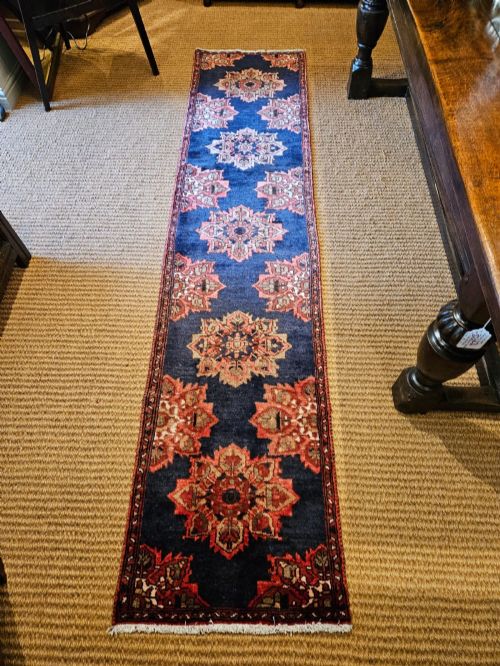
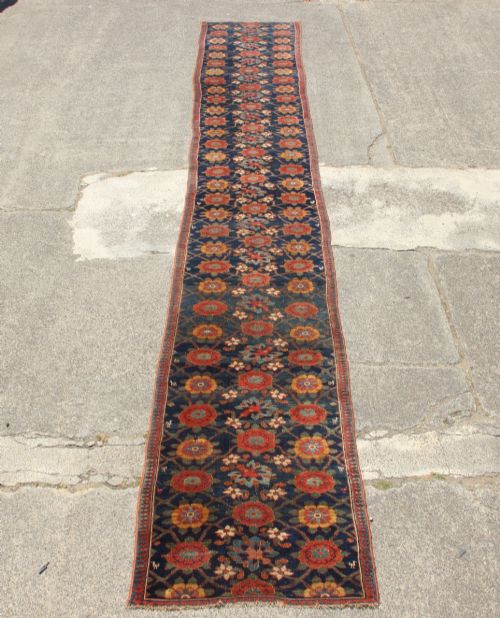
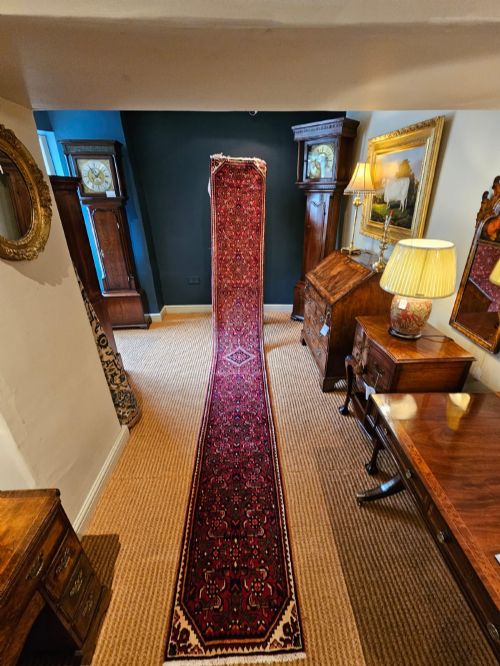
Persian Wool Hallway Carpet
A persian wool hallway carpet brings enduring pattern and warmth to a narrow space through time-tested weaving traditions.
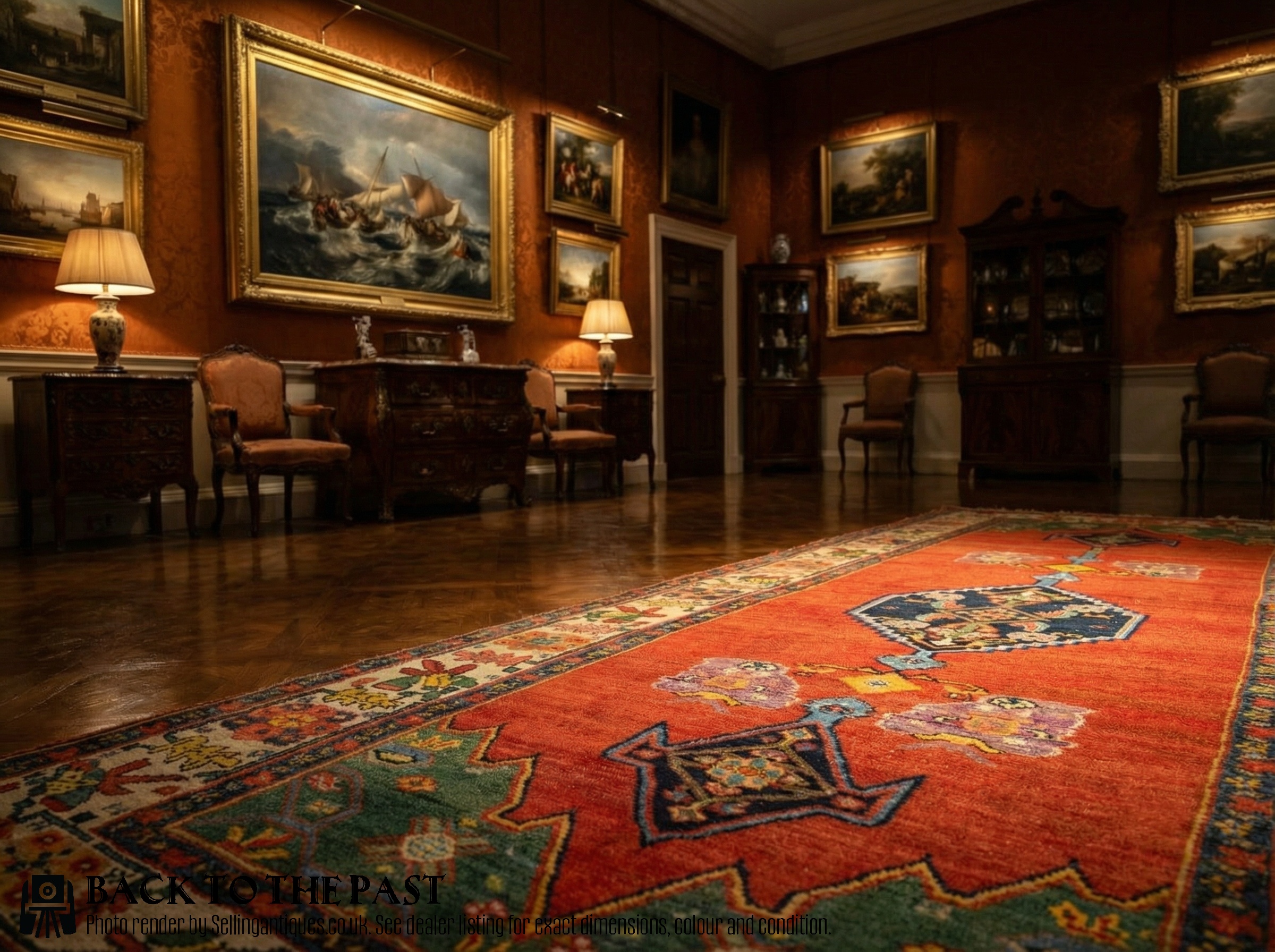
Persian Wool Hallway Carpet
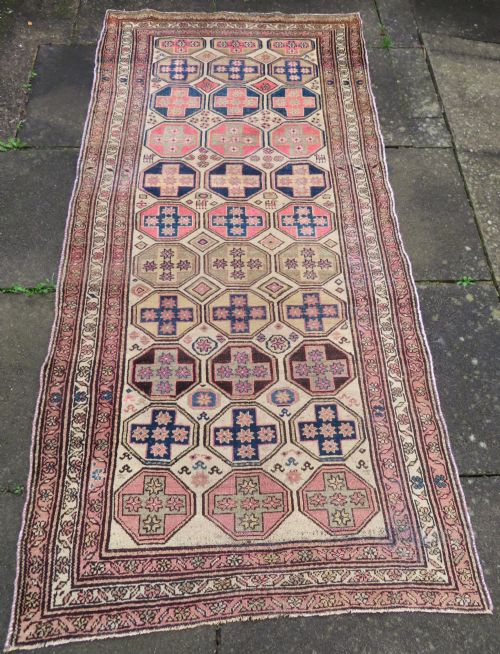
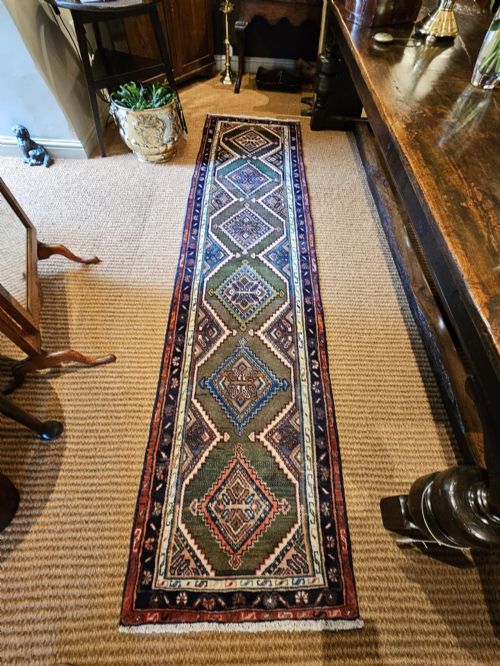
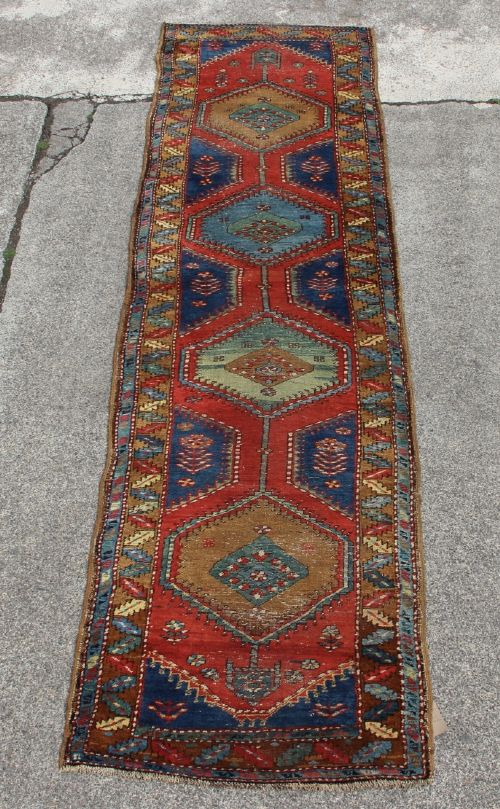
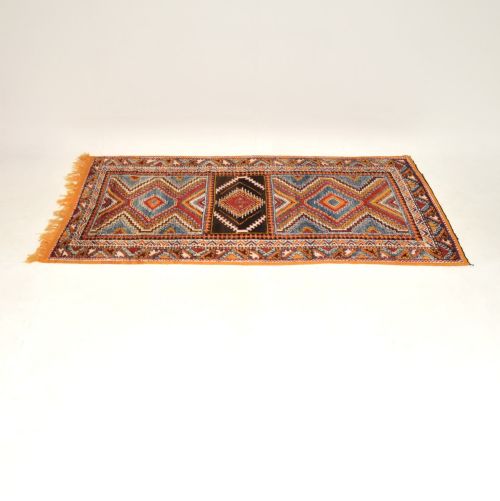
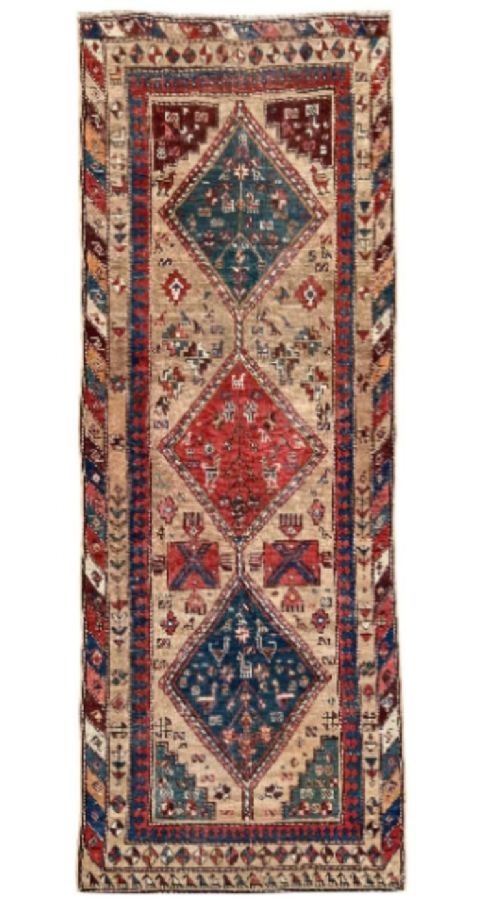
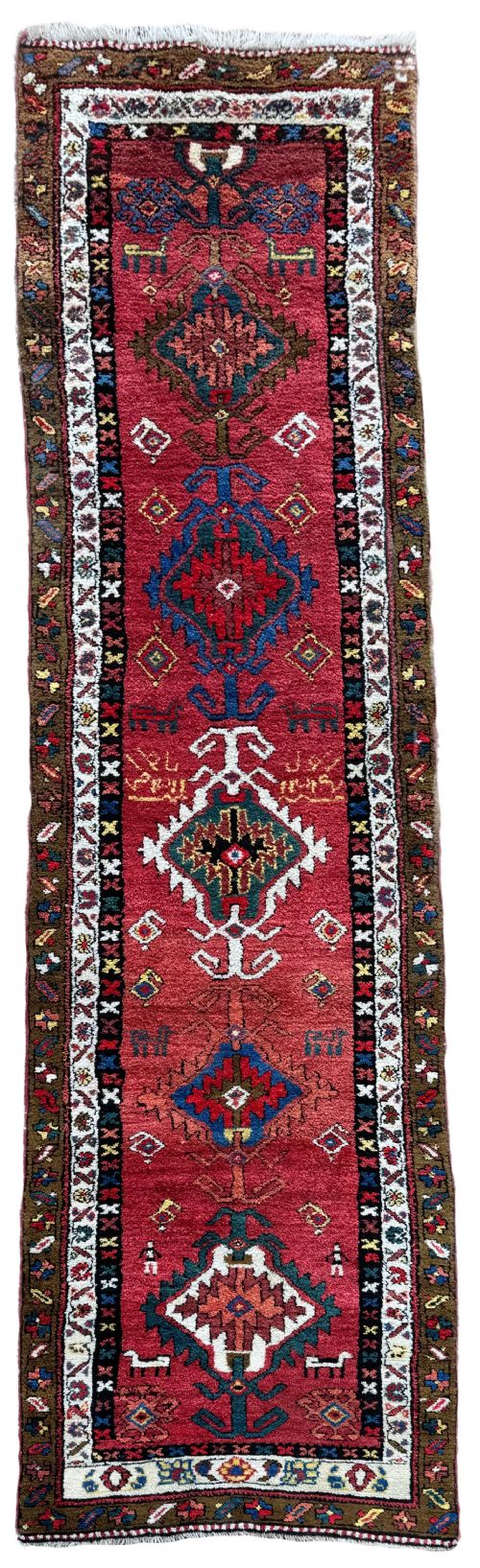
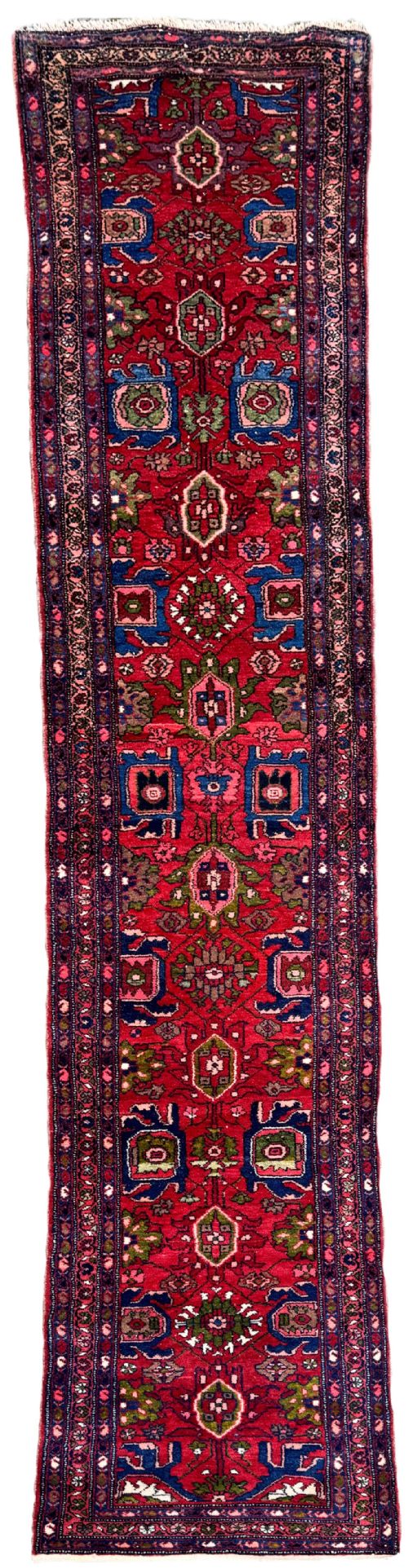
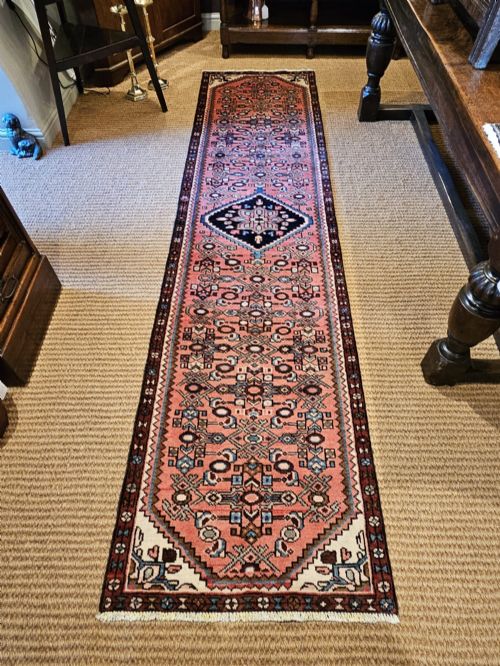
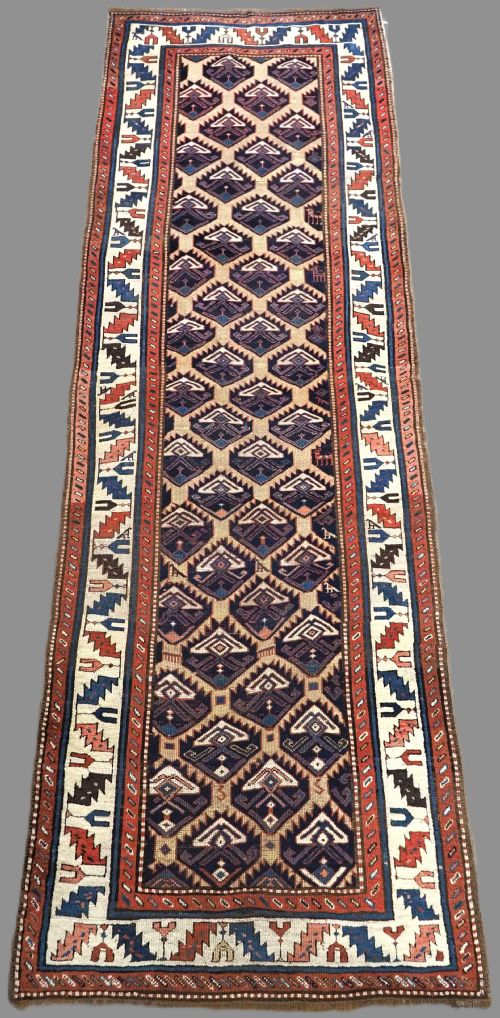
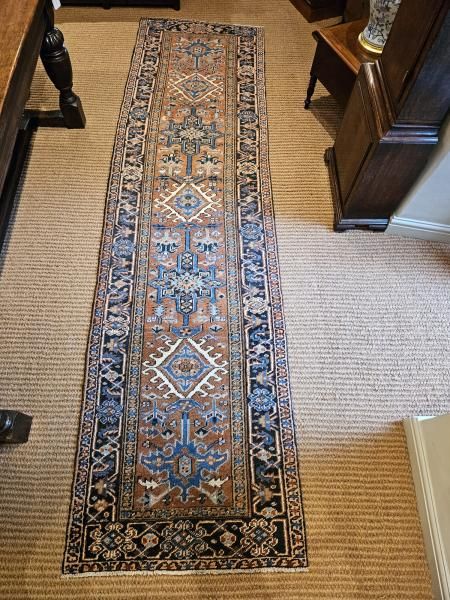
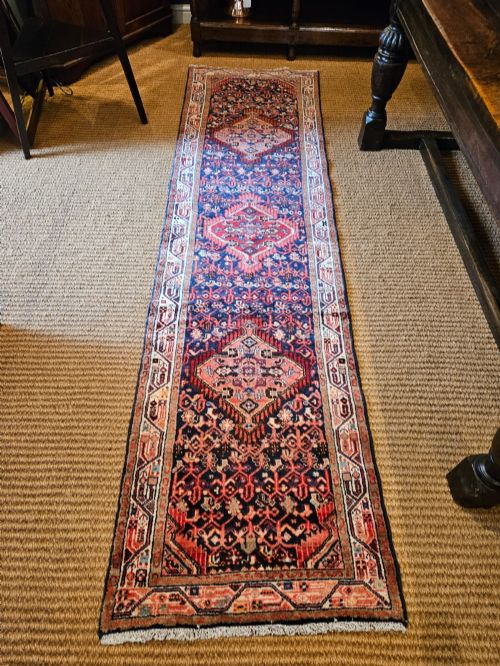
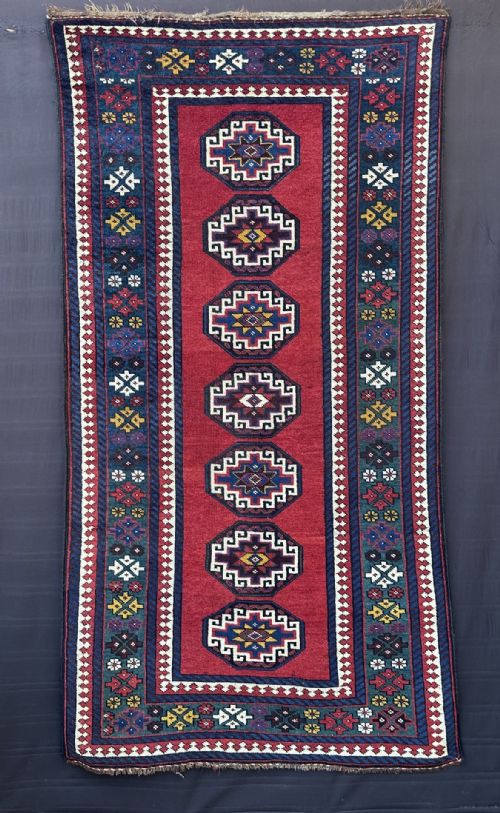
When searching for a persian wool hallway carpet, buyers encounter long, narrow formats designed specifically for corridors, landings and extended spaces. These pieces span production periods from the nineteenth century through to the early decades of the twentieth century, originating from village and tribal workshops across Persia and the Caucasus.
The most common versions on this page appear as runner rugs and long narrow runners, often featuring traditional geometric or floral repeat patterns. Examples range from Kurdish and Heriz weaves to Hamadan and Caucasian types, reflecting diverse regional aesthetics within a functional format.
Materials and construction
These carpets are constructed predominantly using wool pile on cotton foundations, providing the resilience required for heavy foot traffic in a hallway. The natural lanolin in the wool gives the fibres a durable quality that resists dirt and wears gracefully over decades.
Weavers utilised traditional handweaving techniques, knotting the wool onto warp and weft threads to create dense, supportive piles. Natural dyes provide the depth of colour seen across these historical examples, ensuring the palette ages with distinct character.
Listings feature wool and cotton materials across nineteenth and twentieth-century periods, including specific regional formats like Heriz, Hamadan and Kurdish runners.
Assessing quality
Quality in these carpets rests on the tightness of the weave and the precision of the knotting, which dictates how sharply the geometric or floral design is rendered. Finer knot counts allow for intricate detail in regional patterns, distinguishing village works from standard utility pieces.
The condition of the wool pile and the structural integrity of the cotton foundation determine longevity. Even wear across the surface indicates balanced usage, while the integrity of the original selvedges and ends preserves the historical authenticity of the runner.
Kurdish Tribal·Heriz·Hamadan·Afshar
The Persian Wool Hallway Carpet Glossary
- Runner
- A long, narrow carpet format designed primarily for hallways, corridors and staircases. These pieces measure significantly longer than they are wide.
- Pile
- The upright yarn loops or cut ends that form the soft surface of a carpet. In these pieces, the pile is typically woven from pure wool.
- Warp
- The vertical threads stretched tightly on the loom that form the structural backbone of the carpet. Cotton is commonly used for this purpose in these examples.
- Weft
- The horizontal threads passed back and forth across the warp threads to hold the knots in place. Together with the warp, it forms the foundation of the weave.
- Selvedge
- The reinforced edge of a carpet running parallel to the length, finished to prevent the sides from fraying. Original selvedges indicate careful preservation.
Persian Wool Hallway Carpet: Frequently Asked Questions
How do I choose the correct length?
Measure your hallway while leaving a consistent border of exposed flooring around the perimeter of the rug. Ensure doorways can swing open freely over the pile height of the chosen runner.
Account for standard furniture placement and radiators so the carpet lies flat without awkward bunching along the passage.
Are these carpets suitable for heavy traffic?
Traditional wool construction combined with a dense foundation provides natural durability suited to corridors and entryways. The resilient fibres withstand daily foot movement while maintaining their structural integrity.
Regular rotation distributes wear evenly across the length of the runner, extending its functional lifespan in busy areas.
How do I clean an antique runner?
Gentle vacuuming without a rotating brush roll removes surface dust and grit from the wool pile. Professional specialist cleaning is recommended for deeper maintenance to protect natural dyes.
Avoid harsh chemical treatments and excessive moisture, which can damage the cotton foundations and wool fibres.
How do I identify different regional styles?
Examine the specific geometry, medallion layouts and border motifs, which often point to distinct weaving groups such as Heriz, Hamadan or Kurdish traditions. Regional palettes and structural characteristics provide further clues to provenance.
Comparing knot density and foundation materials helps separate village productions from larger workshop pieces.