



Persian Wool Area Carpet
A persian wool area carpet brings enduring warmth and texture to a room, grounding your interior with centuries of weaving tradition.
Persian Wool Area Carpet
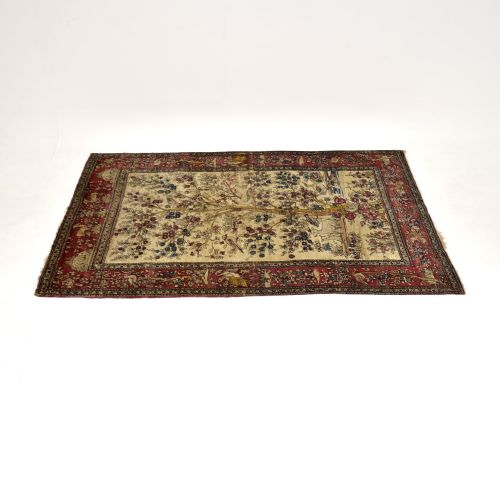
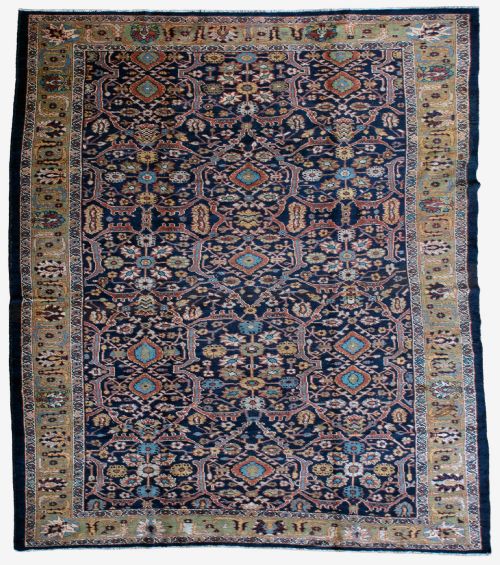
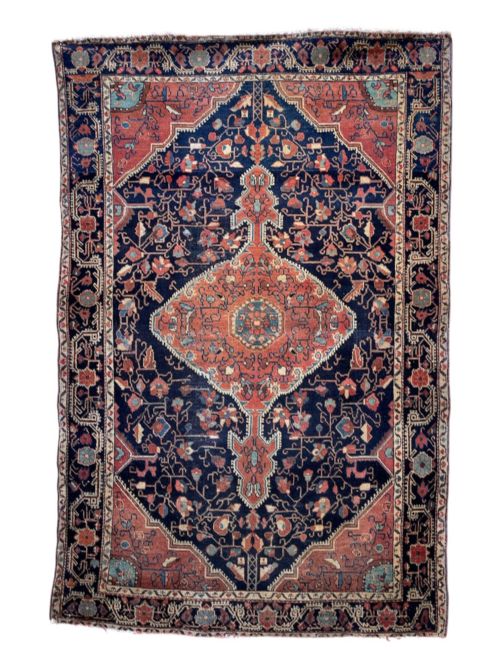
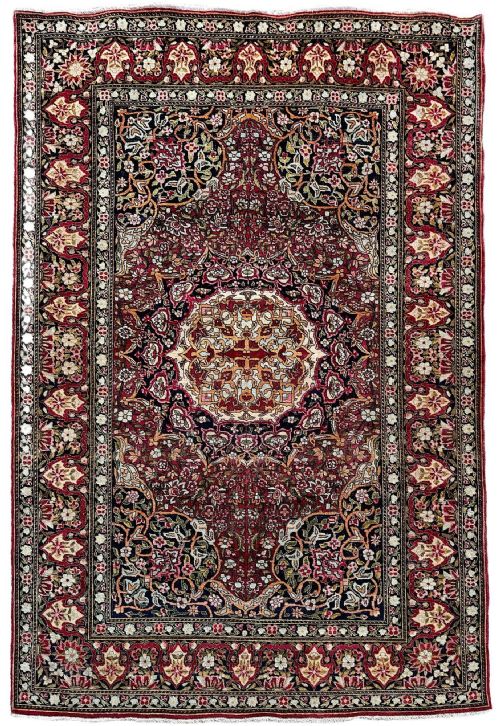
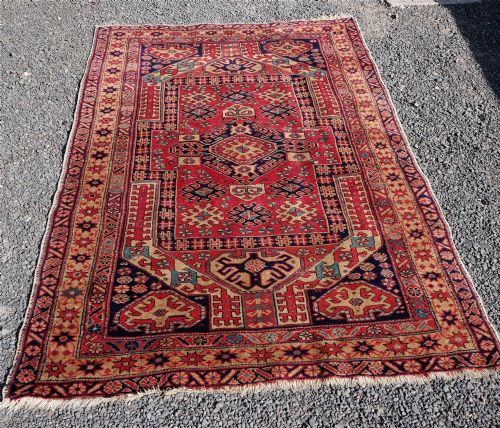
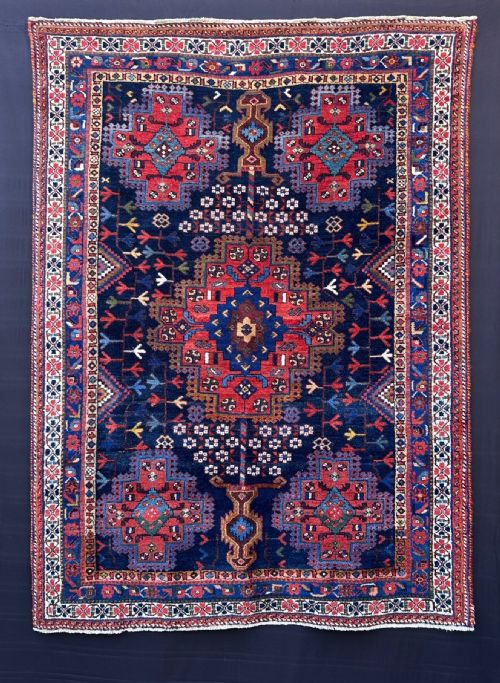
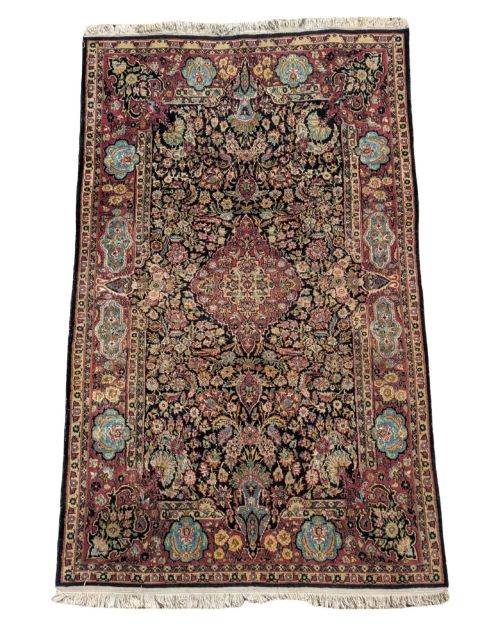
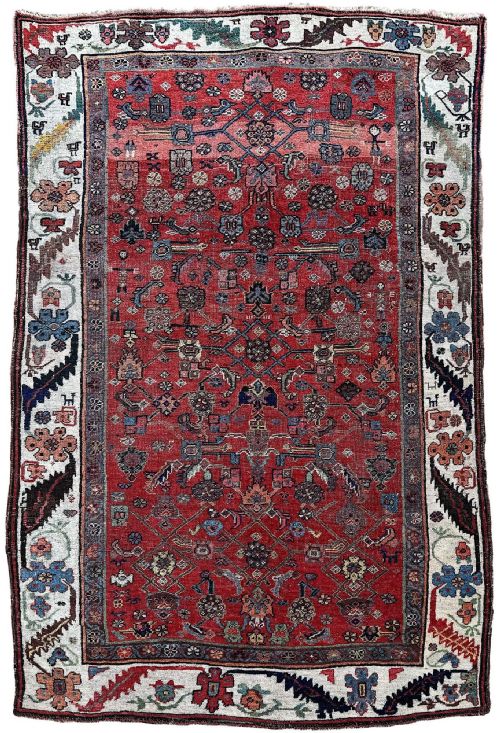
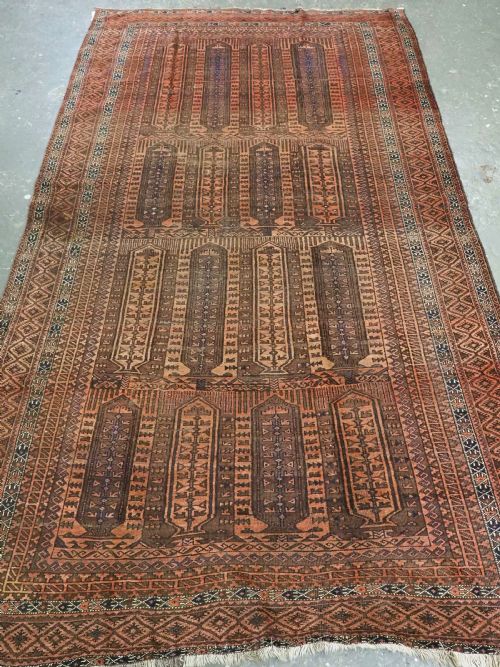
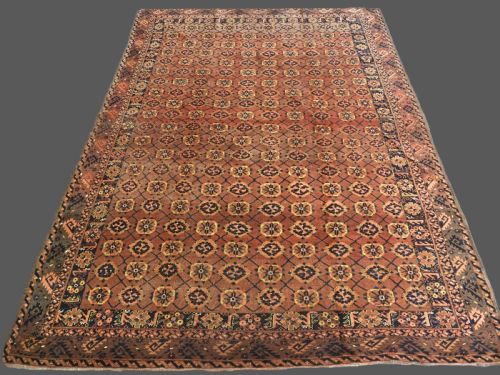
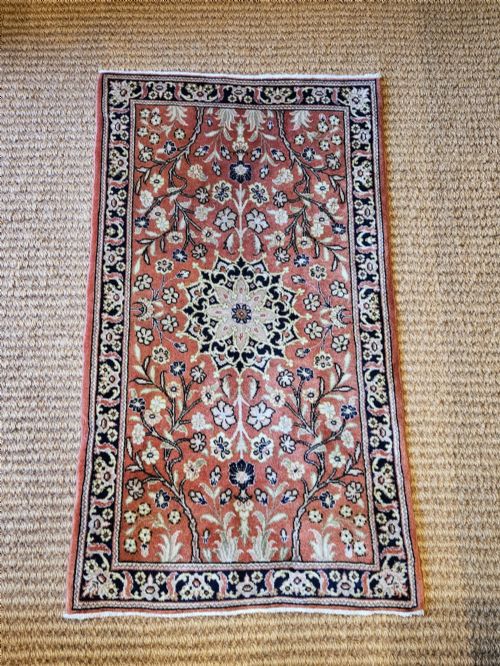
A persian wool area carpet encompasses floor coverings originating from various towns and districts in Iran, dating from the nineteenth and early twentieth centuries. These pieces arrive in rug and carpet formats, showcasing traditional Persian, Persian antique, Persian tribal, and Heriz styles.
Buyers browsing this selection most frequently encounter rugs and carpets originating from historic weaving centres such as Bidjar, Bakhtiar, Kashan, Heriz, Sultanabad, Sarouk, Tabriz, and Hamadan. The periods represented span the nineteenth century, alongside pieces dated around 1890, 1900, 1910, and 1930.
These floor coverings function both as practical domestic furnishings and as artistic expressions of regional design vocabularies. Each piece reflects the specific decorative traditions and knotting techniques characteristic of its origin.
Materials and construction
The construction of these floor coverings relies primarily on wool for the pile, providing resilience and a rich tactile surface underfoot. Cotton typically serves as the foundation material for the warp and weft, giving the structure stability and strength.
Weavers knotted the wool pile onto the cotton foundation by hand, creating dense surfaces designed to endure generations of use. Regional workshops utilised locally sourced materials and time-honoured dyeing traditions to achieve their distinct palettes.
Persian Wool Area Carpet Retail Price Guide 2026
Typical asking prices for persian wool area carpet among the pieces listed under this phrase on Sellingantiques today, from the lower quarter to the upper quarter. They describe what is for sale here now, not the wider market.
Materials recorded across the listings are strictly limited to wool and cotton.
Distinctions in quality
Quality in these textiles depends heavily on the fineness of the knotting and the precision of the design execution. Denser knots allow for greater intricacy in pattern work and superior durability over time.
The choice of dye materials and the harmony of the palette distinguish finer examples from standard production. Master weavers in renowned centres achieved subtle tonal variations and lasting depth of colour that elevate the overall visual impact.
The Persian Wool Area Carpet Glossary
- Pile
- The upright yarn loops or tufts that form the usable surface of the carpet. This layer absorbs foot traffic and displays the woven pattern.
- Warp
- The stationary vertical threads stretched on the loom before weaving begins. The pile knots are tied around these foundational threads.
- Weft
- The horizontal threads passed through the warp threads after each row of knots. This secures the knots in place and determines the structural rigidity of the piece.
- Boteh
- A traditional almond-shaped or paisley motif representing a floral or cypress sprout. This ancient symbol appears frequently in traditional Persian textile designs.
- Knot density
- The measurement of individual knots per square unit of the carpet. Higher counts generally indicate greater skill and time invested in production.
Persian Wool Area Carpet: Frequently Asked Questions
How do I care for my wool carpet?
Regular gentle vacuuming without a rotating brush roll helps remove surface dust and protects the wool pile from abrasive particles. Professional cleaning should be undertaken periodically by specialists experienced in antique textiles.
Keeping the carpet out of direct, continuous sunlight prevents the natural dyes from fading prematurely. Rotating the rug every year ensures even wear patterns across high-traffic areas.
What is the difference between a rug and a carpet?
In traditional terms, carpets generally refer to larger floor coverings designed to occupy a significant portion of a room. Rugs typically denote smaller formats that cover specific floor areas or sit beneath particular items of furniture.
Both formats utilise the same foundational weaving techniques and materials such as wool and cotton. The distinction lies primarily in scale and placement within an interior.
How do I identify a Heriz carpet?
Heriz carpets typically feature bold geometric medallion designs, robust structural wool, and distinctive large-scale central motifs. Their palette often includes deep reds, blues, and contrasting ivory accents.
These pieces originate from the Heris district in northwest Iran and are known for their exceptional durability and architectural layout. The designs tend to be less curved and more rectilinear compared to urban workshop pieces.
Where were these carpets made?
These floor coverings were produced across various towns, villages, and tribal regions of Persia, which is modern-day Iran. Specific weaving centres include Tabriz, Kashan, Bidjar, and Hamadan.
Each region developed distinct aesthetic characteristics influenced by local culture, available materials, and master weavers. This geographical diversity results in the wide range of styles found in the collection.