


Persian Weave Rug
A persian weave rug brings centuries of tribal artistry and village craftsmanship straight onto the floor.
Persian Weave Rug
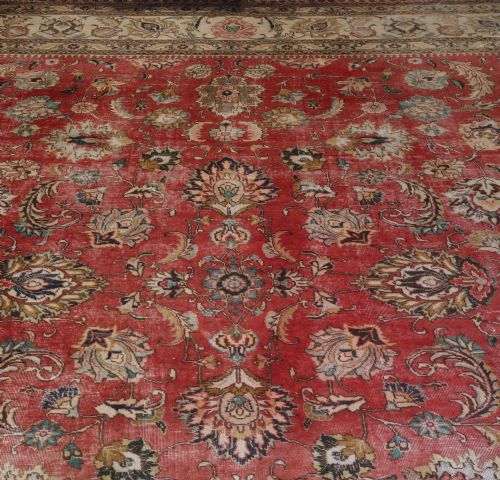
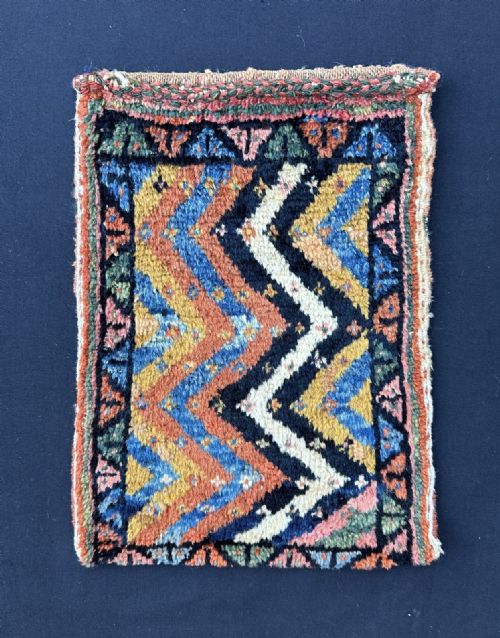
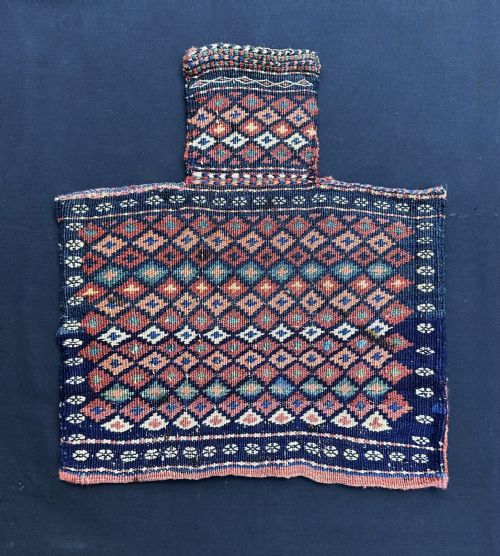
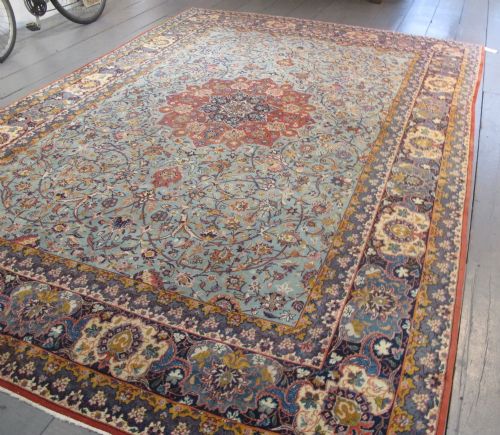
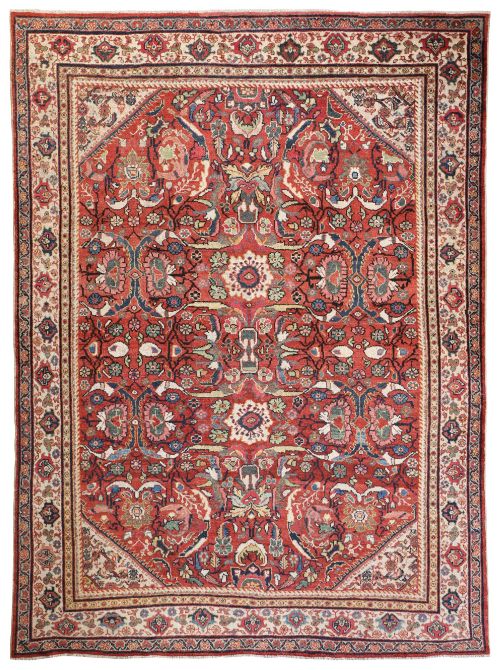
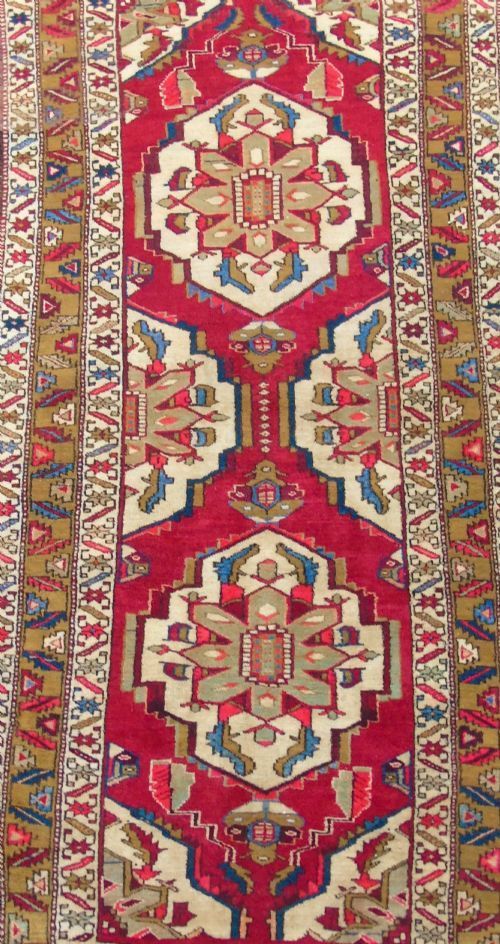
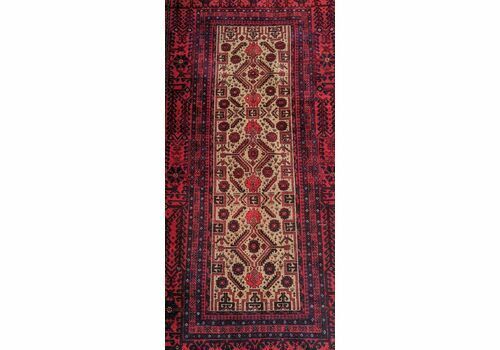
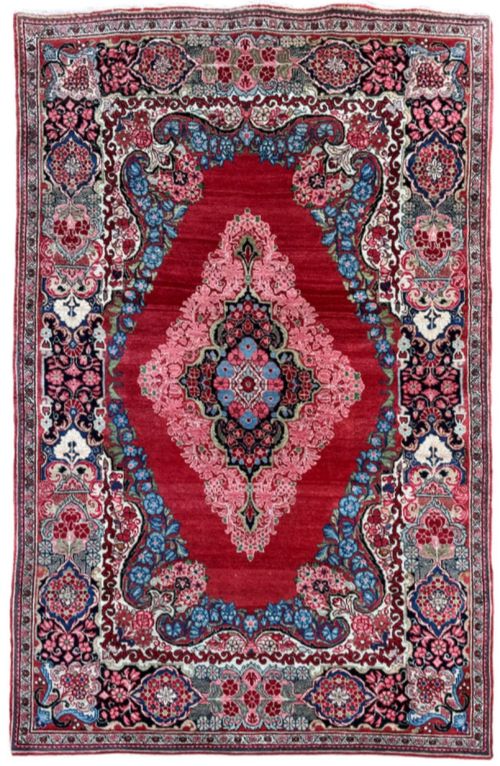
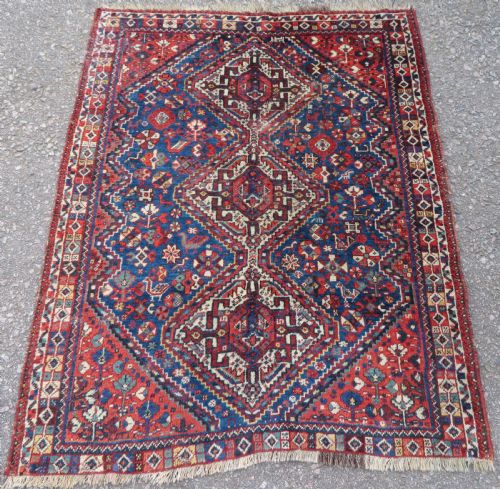
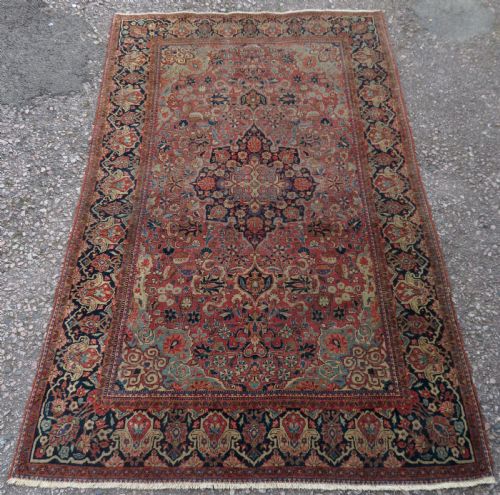
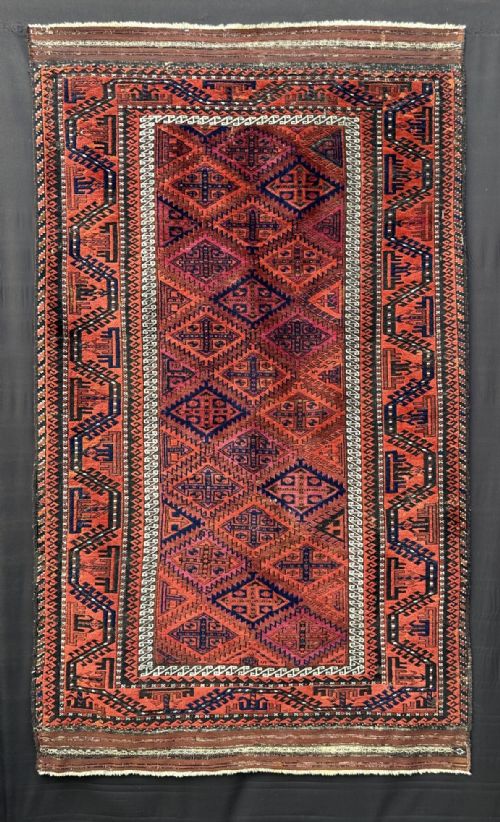
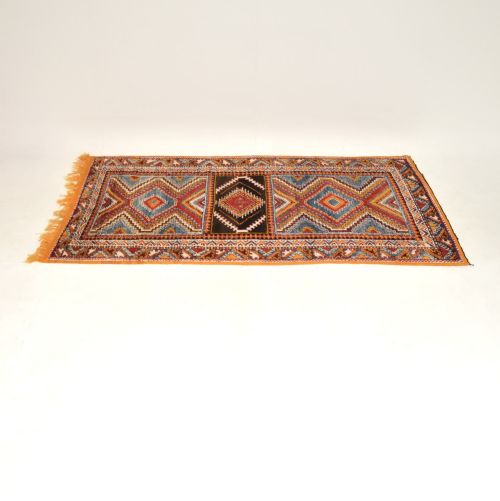
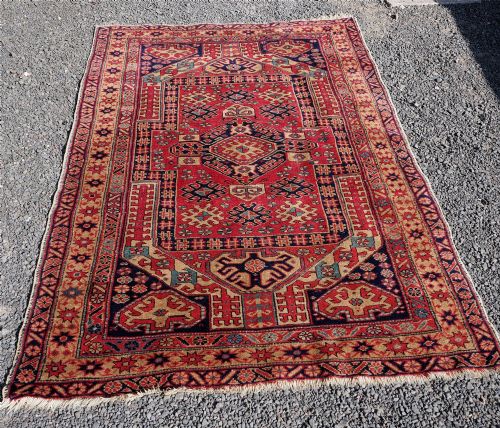
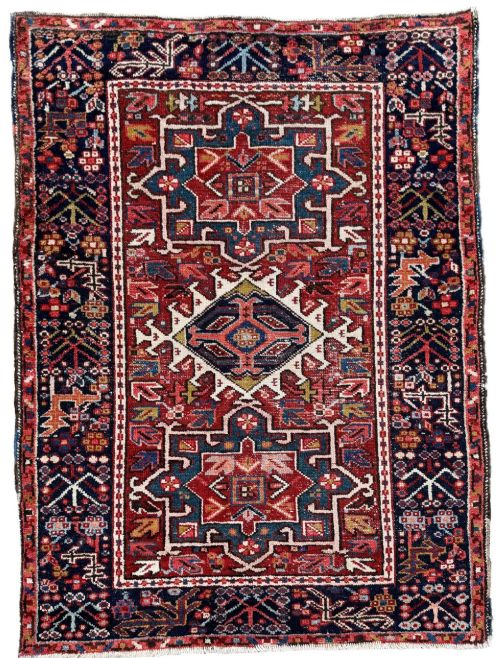
A persian weave rug encompasses everything from large city carpets to nomadic tribal bags created across various regions of Persia. When exploring a persian weave rug, collectors encounter utilitarian storage pieces, saddle covers, and floor coverings woven by distinct tribal groups such as the Qashqai, Baluch, and Bakhtiar.
The pieces originating from this tradition date from the late nineteenth century into the early decades of the twentieth century. Examples span from village room-size carpets down to small hearth rugs and tribal textiles.
Village and nomadic pieces dominate the selection, showing geometric patterns, medallions, and traditional motifs specific to regional weavers. City workshops also contribute finely knotted carpets featuring intricate floral and tree of life designs.
Materials and Construction
Weavers relied principally on wool, cotton, and occasionally silk for highlights, utilising hand-spun wool for durability and texture. Natural dyes supplied the deep blues, reds, and earthy tones found across these textiles.
Nomadic items often incorporated functional elements such as cowrie shells alongside flatwoven kilim structures and pile knots. The combination of hand-spun fibres and natural dye palettes resulted in rich patinas that deepen over time.
Persian Weave Rug Retail Price Guide 2026
Typical asking prices for persian weave rug among the pieces listed under this phrase on Sellingantiques today, from the lower quarter to the upper quarter. They describe what is for sale here now, not the wider market.
Certain nomadic saddle bags still retain original cowrie shells, stitched on to ward off the evil eye.
Evaluating the Weaving
Quality rests in the precision of the knotting, the handling of the wool, and the depth achieved by natural dyestuffs. Finer city carpets demonstrate dense pile work and intricate curves, while tribal pieces rely on bold asymmetry and robust structural integrity.
The handling of the wool and the consistency of the hand-spun yarn dictate the tactile appeal of the surface. Greater attention to detail in tribal motifs separates standard utility pieces from exceptional village textiles.
The Persian Weave Rug Glossary
- Kilim
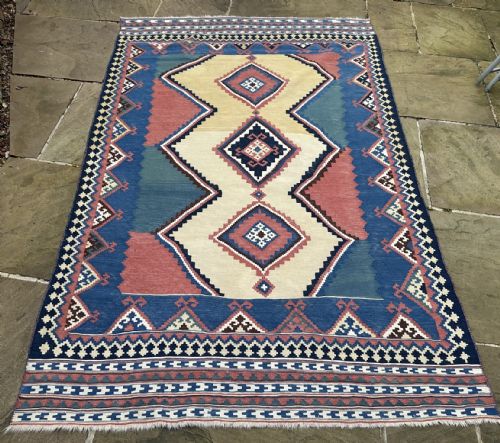
- A flatwoven carpet or rug produced without a pile. These textiles rely on interlocking warp and weft threads to create sharp geometric patterns.
- Khorjin
- A traditional woven double bag used by nomads for transport and storage. These items often feature characteristic tribal motifs.
- Warp
- The vertical threads stretched tightly on a loom before weaving begins. The foundation fringe consists of these extension threads.
- Weft
- The horizontal threads passed through the warp to bind the knots in place. Proper packing of the weft ensures structural stability.
Persian Weave Rug: Frequently Asked Questions
How do I care for a vintage rug?
Vacuum gently without using a rotating brush bar to protect the wool pile from unnecessary friction and wear.
Rotate the textile periodically to ensure even foot traffic distribution across the entire surface.
Where were these textiles made?
Production took place across diverse regions of Persia, spanning nomadic tribal territories and established city workshops.
Specific provinces such as Kerman, Fars, and Khorasan yielded distinct regional styles and colour palettes.
Are these items antique?
The pieces originate from the nineteenth and early twentieth centuries, placing them firmly within the antique category.
Age is determined by material analysis, dye characteristics, and traditional tribal construction methods.
What is a tribal bag?
Nomadic groups created these functional storage containers to transport belongings during seasonal migrations.
They frequently display compressed iconography and robust flatweave or pile techniques used by specific confederacies.