





Persian Tribal Pouch
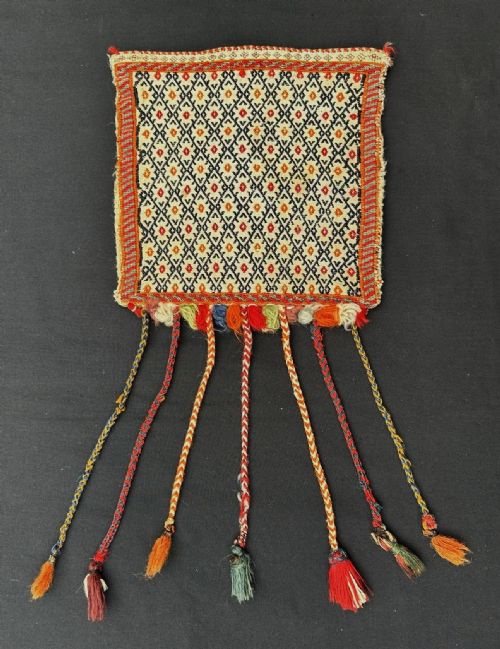
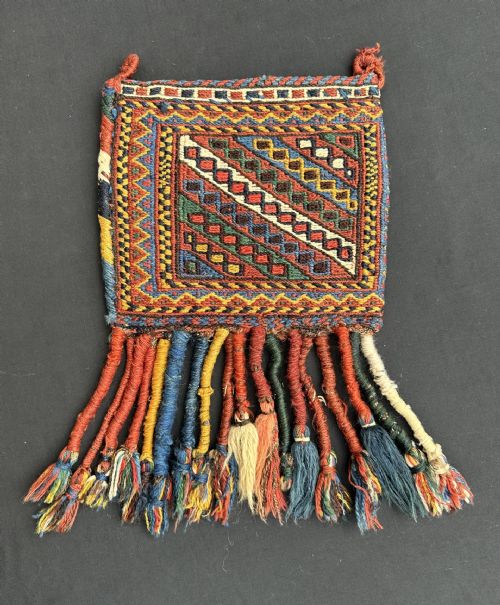
These persian tribal pouch examples are woven portable containers made by nomadic groups, offering tactile links to historic pastoral domestic life.
Persian Tribal Pouch
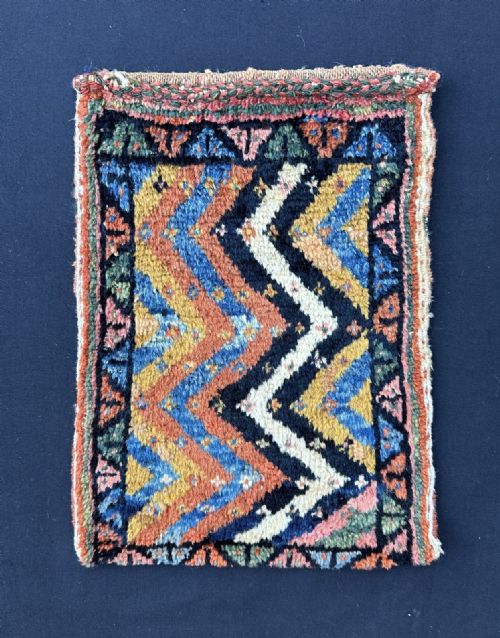
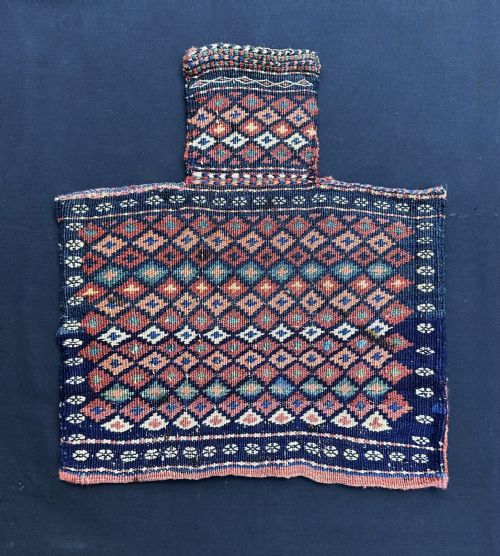
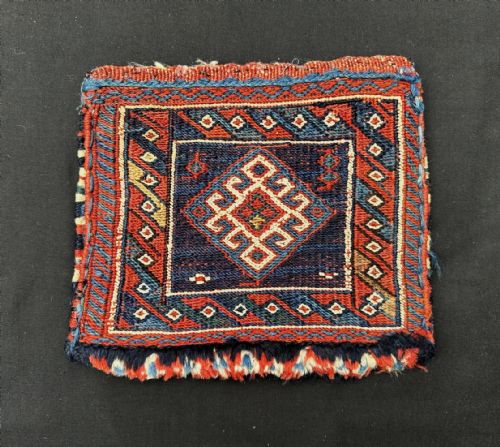
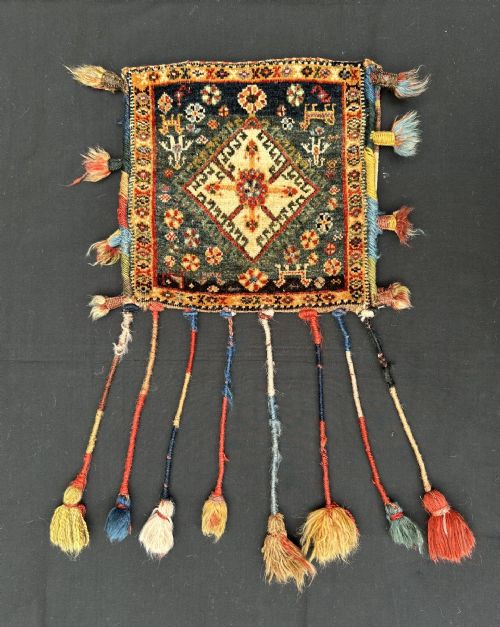
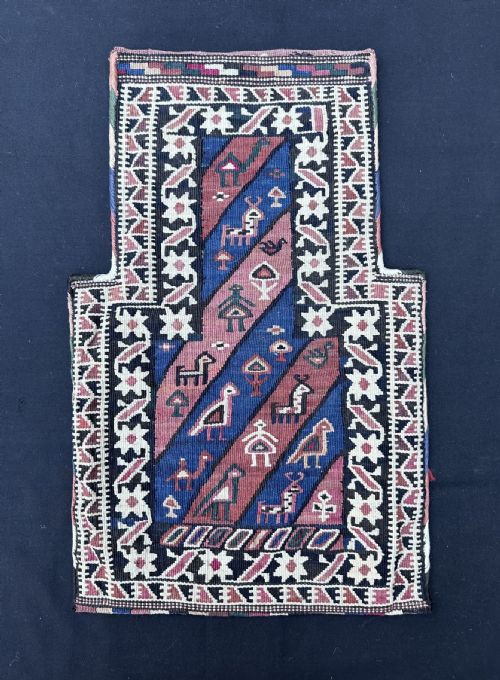
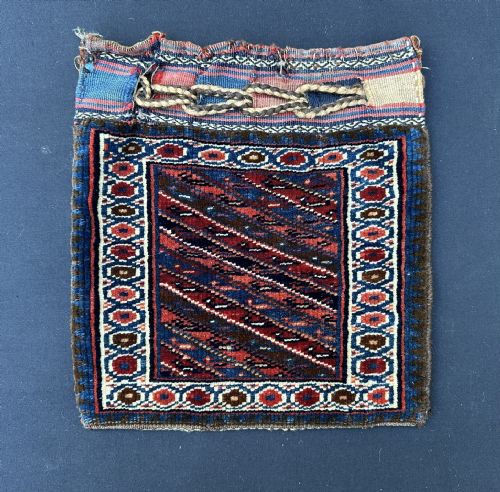
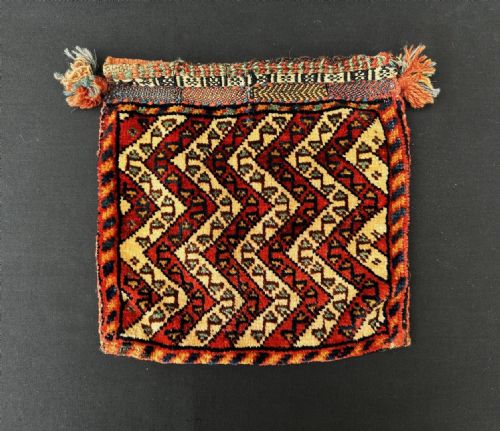
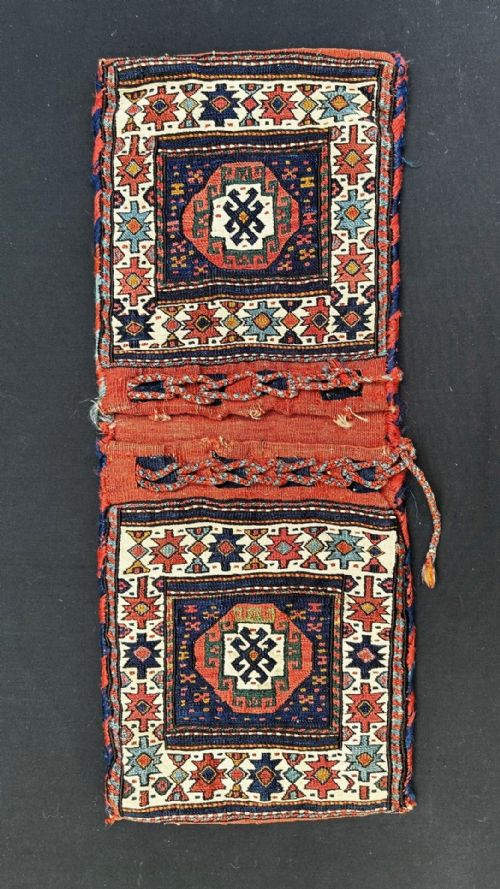
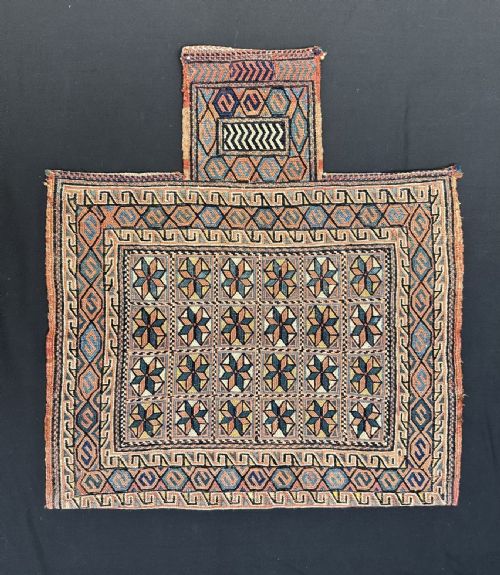
A persian tribal pouch encompasses small utility carriers such as salt bags, vanity bags, and pipe bags created by distinct confederacies and nomadic groups across the region. Examples span regional groups including the Qashqa'i, Afshar, Baluch, Kurdish, and Shahsavan makers from locations ranging from Fars Province to Khorassan and Azerbaijan.
The objects served specific daily functions within pastoral households, from holding household salt and tobacco to storing personal vanity items and utensils. Common formats encountered include the chanteh, saddle bags, and specialised smaller hanging containers produced between the mid-nineteenth and early twentieth centuries.
Materials and Construction
Makers constructed each persian tribal pouch primarily from handspun wool and cotton foundations, utilising natural dyes to achieve rich colour palettes across the surface. Certain examples incorporate cowrie shells into the decoration, adding textural contrast to the woven wool structure.
Weaving techniques vary from pile knots to flatweave soumak work and banded weft designs, depending on the specific tribal tradition and the intended function of the container. Surviving pieces frequently retain original wool backs and hanging loops that demonstrate traditional nomadic utility.
Persian Tribal Pouch Retail Price Guide 2026
Typical asking prices for persian tribal pouch among the pieces listed under this phrase on Sellingantiques today, from the lower quarter to the upper quarter. They describe what is for sale here now, not the wider market.
The listings show pieces originating from southern, north-eastern, and western Persia, spanning the decades between eighteen-sixty and nineteen-twenty.
Assessing Quality and Execution
The standard of a persian tribal pouch rests upon the tightness of the weave, the clarity of the tribal pattern, and the depth achieved with natural dyes. Superior examples display precise geometric drawing and harmonious colour saturation that reflect the weaver's individual skill within established tribal conventions.
Preservation of original structural elements, such as backs, closure mechanisms, and applied cowrie shells, elevates an example's integrity. The distinction between standard utility items and masterwork pieces lies in the fineness of the knotting or flatweaving and the complexity of the regional design.
The Persian Tribal Pouch Glossary
- Chanteh
- A small Persian tribal vanity or personal bag used by nomads. These portable containers often hung inside tents or served as personal luggage.
- Namakdan
- The traditional Persian term for a salt bag. These storage containers typically feature a narrow neck and a wider base to hold coarse rock salt.
- Soumak
- A flatweaving technique where pattern wefts are wrapped around the warp threads before being beaten down. This method produces a textured, durable surface without pile.
- Kelim
- A flatwoven textile lacking a pile surface. Shahsavan makers utilised this technique to produce lightweight storage containers.
- Cowrie Shells
- Marine gastropod shells sewn onto tribal textiles as protective amulets or decorative highlights. They appear frequently on vanity and utility bags.
Persian Tribal Pouch: Frequently Asked Questions
What were these bags used for?
Nomadic groups utilised these containers to store salt, tobacco, pipes, spoons, and personal vanity items during seasonal migrations.
Each specific bag shape corresponded to its exact household function within the tribal tent.
How do I identify the tribe?
Attribution relies on specific structural traits, wool types, and geometric motifs characteristic of groups like the Afshar, Qashqa'i, or Baluch.
Regional variations in border patterns and colour combinations provide strong clues to geographic origin.
Are the backs usually original?
Many surviving examples retain their original woven wool or flatweave backs, though some have suffered loss over decades of use.
Checking for intact original backs helps determine the overall preservation state of the textile.
How should I display them?
These small textiles mount easily on walls using custom supports or rest flat on surfaces depending on their structure.
Keeping them away from direct sunlight protects the natural dyes from fading over time.