






Persian Style Tribal Rug
A persian style tribal rug brings geometric village character and hand-spun warmth directly to a hallway or floor.
Persian Style Tribal Rug
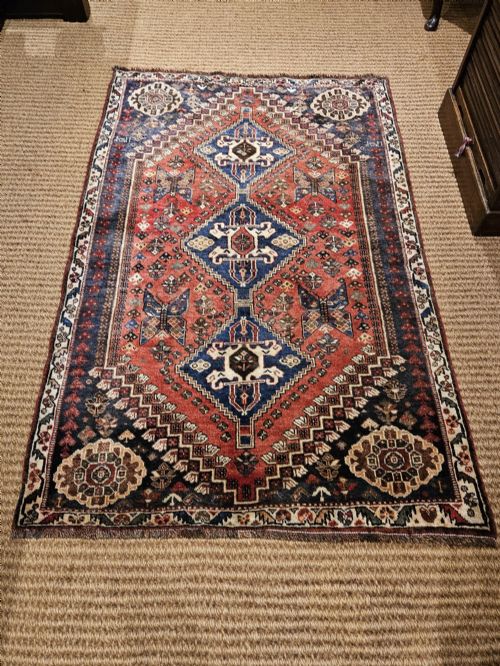
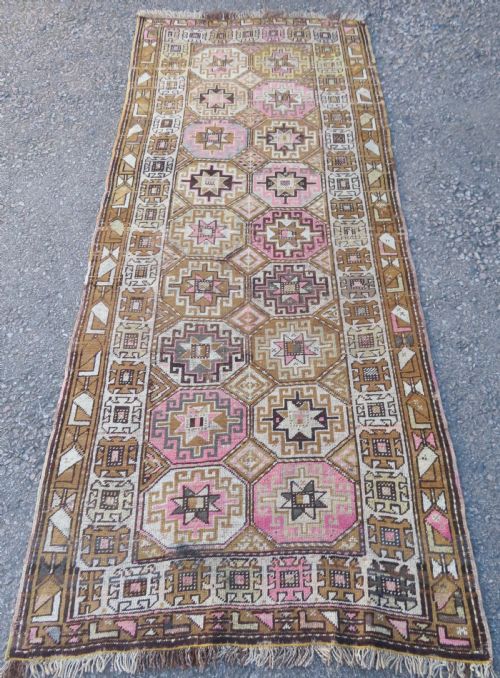
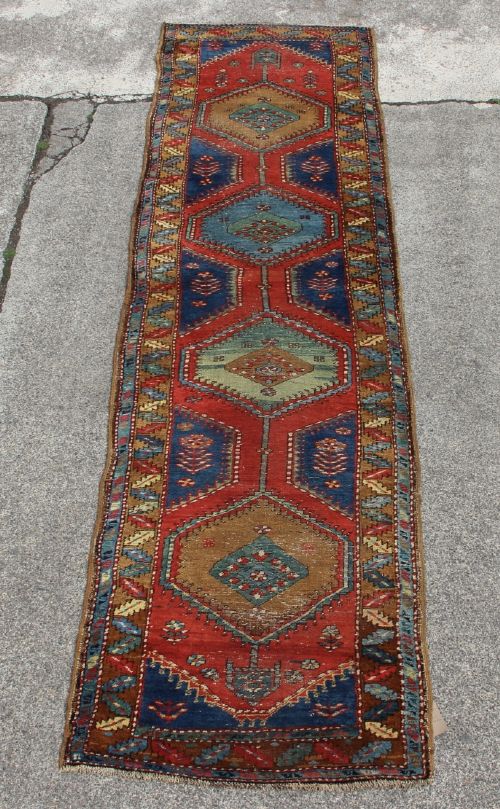
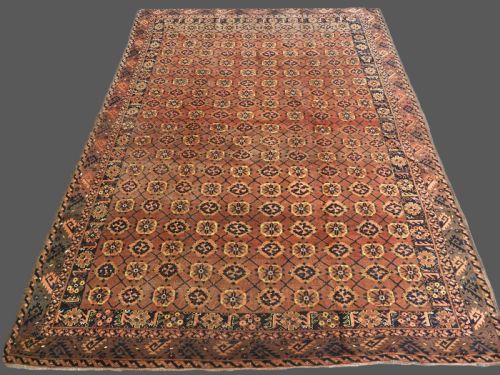
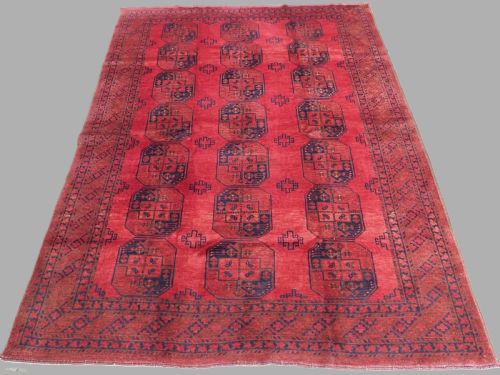
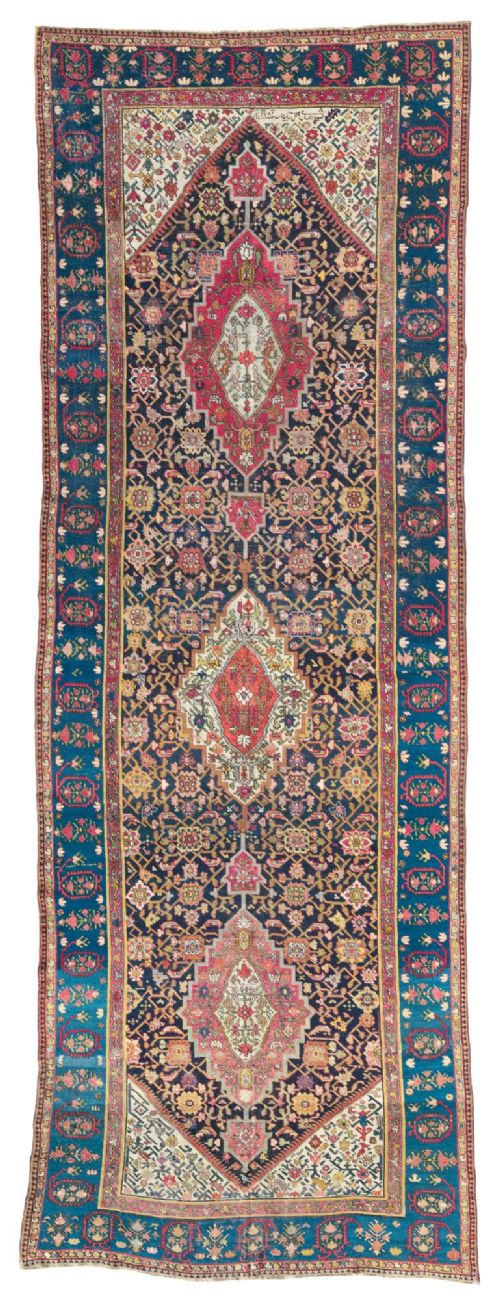
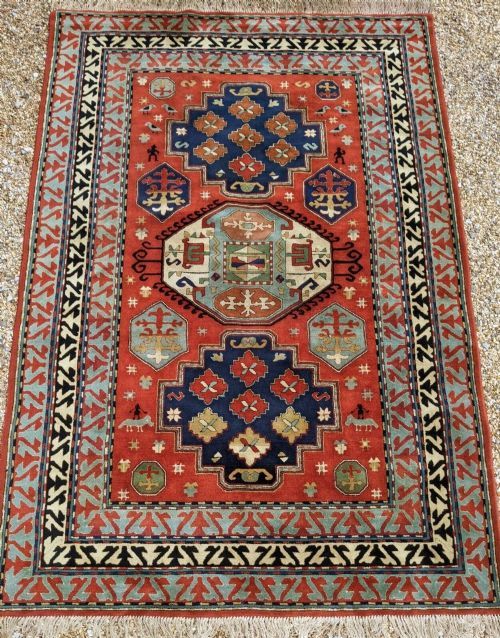
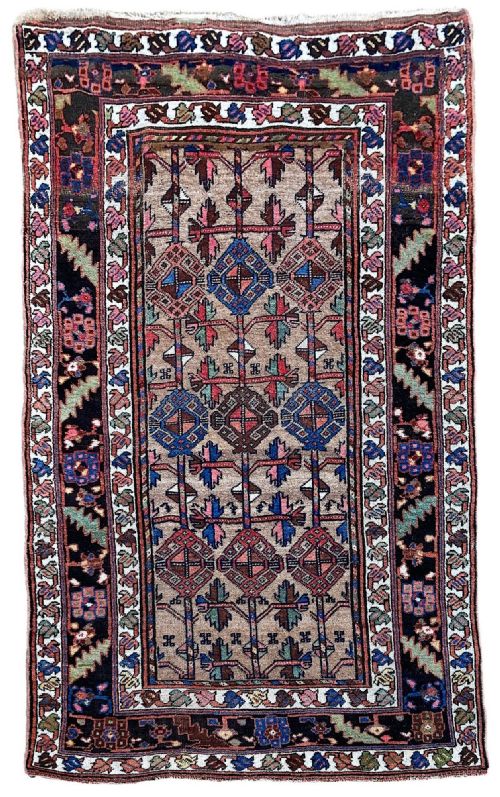
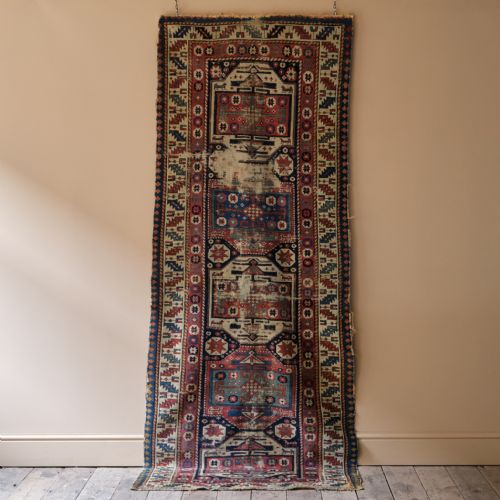
When you search for a persian style tribal rug, you encounter hand-knotted village and nomadic textiles dating from the nineteenth century up through the nineteen-thirties. These pieces encompass regional formats such as long runners, small bag faces, and substantial carpets originating from various weaving traditions.
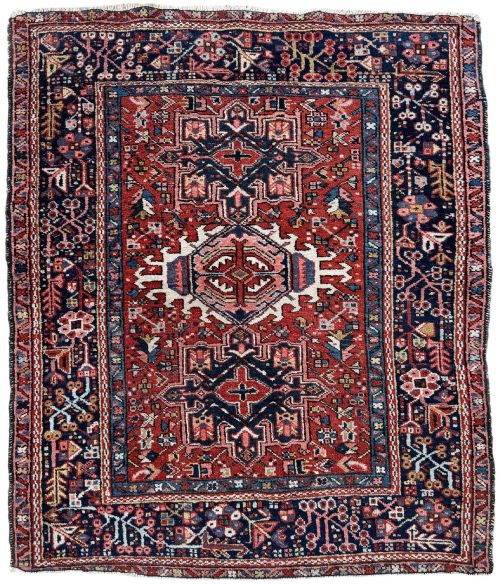
The items represented here span specific production areas including Heriz, Karaja, Kurdish, Afghan, and Sarab workshops. Most examples meet the eye as functional floor coverings woven with wool pile on cotton or wool foundations, carrying distinct geometric or medallion motifs.
How They Were Made
Weavers constructed these textiles by hand-knotting wool pile onto foundation warps and wefts using traditional upright looms. Many pieces incorporate hand-spun wool, which absorbs dye with subtle tonal variations across the field.
Makers utilised durable natural materials suited to nomadic and village life, creating dense structures designed to withstand decades of daily use. Foundations typically combine wool or cotton yarns to support the knotted surface.
Persian Style Tribal Rug Retail Price Guide 2026
Typical asking prices for persian style tribal rug among the pieces listed under this phrase on Sellingantiques today, from the lower quarter to the upper quarter. They describe what is for sale here now, not the wider market.
The listings span village and nomadic production from eighteen-eighty through nineteen-thirty, using wool and cotton materials.
What Varies In Quality
Quality rests upon the tightness of the knotting and the crispness of the geometric drawing across the field. Finer wool preparation and careful dye work separate densely constructed village pieces from simpler utility weaves.
The integrity of the foundation and the uniformity of the pile height dictate how well a textile survives centuries of foot traffic. Superior examples maintain balanced proportions and clear articulation of traditional motifs without distortion.
The Persian Style Tribal Rug Glossary
- Kelleh
- A large rectangular carpet format, typically longer than it is wide, suited for principal room floors. This traditional format accommodates expansive tribal medallion layouts.
- Runner
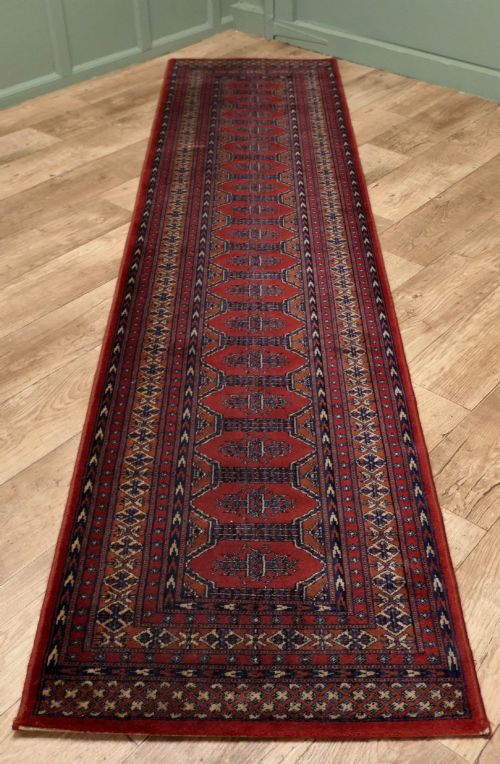
- A long, narrow carpet format designed specifically for corridors, hallways, and stairs. These pieces carry repeating field patterns to guide the eye along narrow spaces.
- Bag face
- The functional front panel of a nomadic storage sack, preserved and mounted as a small rug. These smaller items display concentrated tribal designs.
- Warp
- The vertical foundation threads stretched lengthwise on the loom before knotting begins. Weavers tie the wool pile directly around these structural yarns.
Persian Style Tribal Rug: Frequently Asked Questions
How do I clean an old wool rug?
Maintenance requires gentle surface vacuuming without the rotating brush bar to protect the wool pile from unnecessary friction. Professional textile conservation cleaning is advisable for deep washing to preserve natural dyes.
Water exposure should remain minimal to prevent the cotton or wool foundation from shrinking or distorting. Regular rotation distributes foot traffic evenly across the surface of the textile.
Where were these village rugs made?
Production centred in rural villages and nomadic encampments across Persia, the Caucasus, and surrounding regions. Weavers in specific districts like Heriz, Karaja, and Sarab developed distinct local palettes and geometric repertoires.
Nomadic groups such as the Kurdish, Baluch, and Turkmen transferred traditional tribal designs across borders through migration and trade. Each producing area imparted characteristic structural traits to its output.
How do I identify a tribal design?
Tribal designs rely on bold rectilinear geometry, repeating geometric medallions, and stylised animal or plant motifs rather than courtly curves. Village weavers drew from memory, resulting in charming asymmetries and spontaneous colour shifts.
Field patterns often feature hooked guls, diagonals, and abstract tree of life symbols passed down through generations. These symbolic motifs distinguish village output from formal workshop carpets.
Can I place these runners in hallways?
Long runner formats serve well in corridors and entryways where their narrow proportions fit high-traffic transit routes. Placing a suitable rug underlay beneath the piece prevents slipping and cushions the wool pile against hard floors.
High lanolin content in traditional hand-spun wool naturally resists dirt and simplifies routine maintenance in busy areas. Regular rotation ensures even wear patterns along the length of the runner.