






Persian Sofreh Kilim
These persian sofreh kilim textiles are authentic tribal flatweaves made for daily sustenance rituals, offering earthy wool warmth for collector floors.
Persian Sofreh Kilim
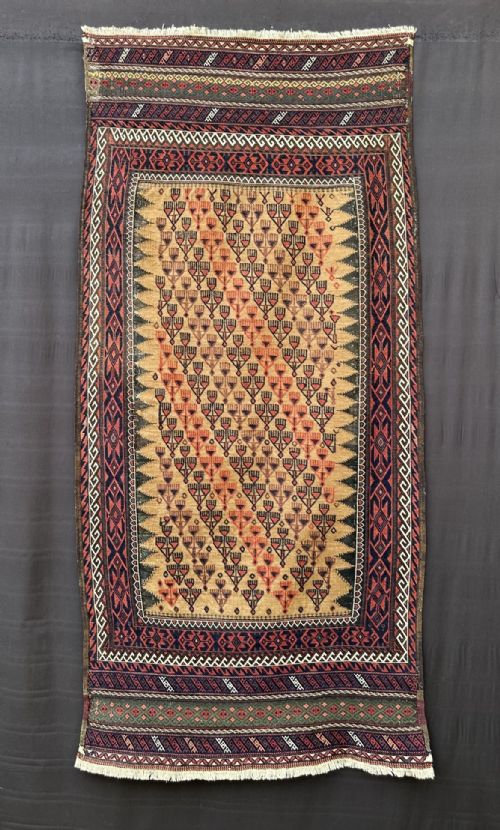
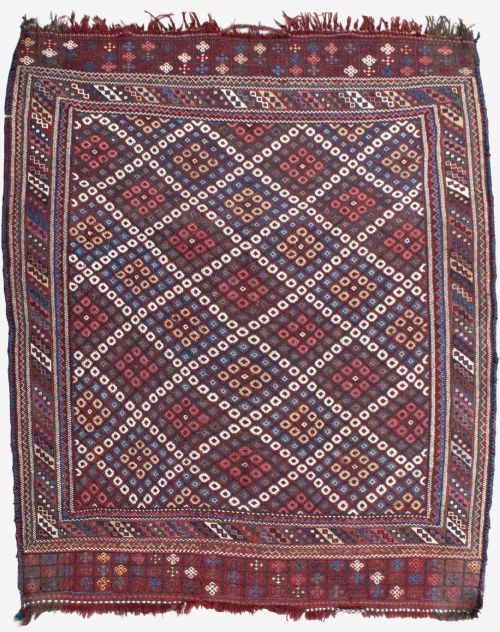
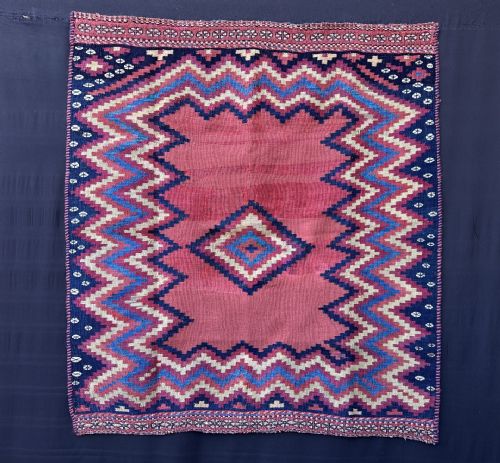
A persian sofreh kilim is a flatwoven textile created by tribal groups across Persia for utilitarian domestic tasks related to food preparation and communal dining. These pieces functioned primarily as eating cloths or bread cloths, spread upon the ground for family meals or dough processing.
Buyers will encounter specific regional types classified as dining sofreh or bread sofreh, reflecting their original domestic purpose. The forms range from square or rectangular flatweave rugs to smaller textiles suited for wall hanging and display.
Materials and construction
The construction relies heavily on wool and cotton, often incorporating natural dyes to achieve deep, rich tones across the flatweave surface. Certain pieces additionally utilise camel hair, adding texture and subtle colour variation to the wool foundation.
Weavers employed flatweaving techniques without a pile, producing lightweight yet durable textiles that could be easily folded, transported, and cleaned after communal meals. The warp and weft structures reflect the distinct regional habits of nomadic and village workshops.
Persian Sofreh Kilim Retail Price Guide 2026
Typical asking prices for persian sofreh kilim among the pieces listed under this phrase on Sellingantiques today, from the lower quarter to the upper quarter. They describe what is for sale here now, not the wider market.
Current listings feature wool, cotton, camel hair, and natural dyes across pieces originating between 1870 and 1920.
Distinctions in quality
Quality in a persian sofreh kilim depends on the tightness of the flatweave structure and the clarity of the tribal motifs. Tighter weaves demonstrate greater control by the weaver over the warp and weft tension.
The depth and complexity of the natural dye palette also determine distinction, with varied hues showing skilled extraction from plant and mineral sources. Well-preserved edges and minimal structural intervention elevate certain pieces above heavily worn examples.
The Persian Sofreh Kilim Glossary
- Sofreh
- A flatwoven cloth traditionally used in Persian households for spreading meals or kneading bread dough. These textiles served a central role in daily nomadic and village life.
- Kilim
- A pileless flatwoven textile produced by tightly interweaving warp and weft strands. This technique creates a smooth surface with patterns visible on both sides.
- Warp
- The vertical foundation threads stretched tightly on a loom before weaving begins. The weft threads are passed over and under these structural lines.
- Weft
- The horizontal threads passed through the warp to build the pattern and fabric. In flatweaves, the weft completely conceals the warp.
- Natural Dyes
- Colourants derived from plants, insects, and minerals rather than synthetic compounds. These materials yield rich tones that age with subtle variation.
Persian Sofreh Kilim: Frequently Asked Questions
What is a sofreh kilim used for?
These flatweaves were originally used as eating cloths or bread cloths by nomadic and village tribes in Persia. Families gathered around them on the ground for meals or utilised them during dough preparation.
Today, collectors primarily use them as flatweave rugs on floors or display them as textile art on walls. Their durability makes them suitable for moderate foot traffic in living spaces.
How do I care for a tribal flatweave?
Regular gentle vacuuming without a rotating brush helps remove dust from the flatweave structure. Professional cleaning tailored for antique textiles is recommended when deep washing is required.
Keep the textile away from prolonged direct sunlight to protect the natural dyes from fading. Rotating the piece periodically ensures even wear across the surface.
Where were these textiles made?
The pieces originate from various regions across Persia, including Kerman, Luristan, Khorassan, and the borderlands shared with Afghanistan. Different nomadic and tribal groups, such as the Afshar and Luri-Bakhtiari, produced them within their local territories.
Each region developed distinct weaving structures and stylistic motifs tied to its specific tribal heritage.
How can I tell the age of a piece?
Age is assessed through the materials used, the characteristics of the natural dyes, and the traditional tribal designs. Pieces seen here date from the late nineteenth century through the early twentieth century.
Structural wear patterns and hand-spun wool characteristics also offer clues to the period of manufacture.