




Persian Boteh Rug
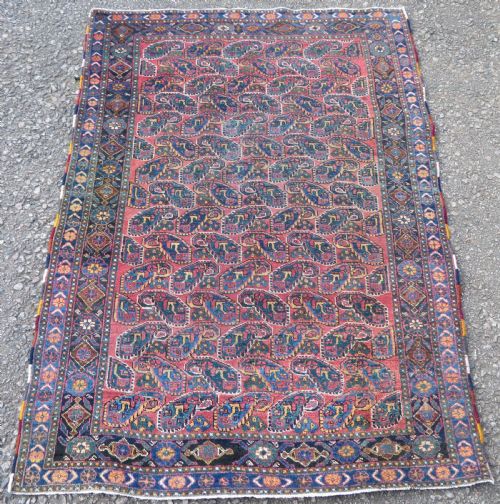
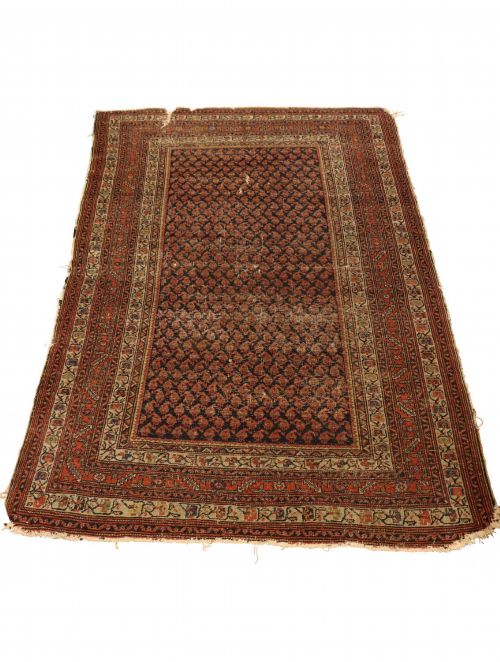
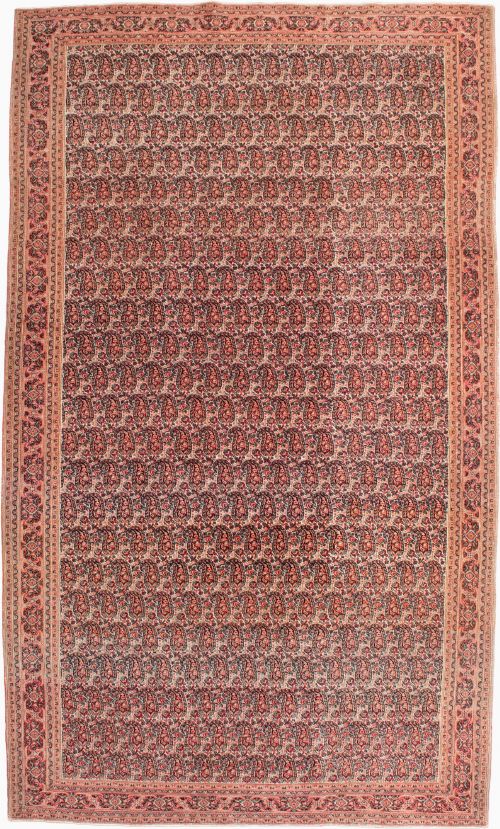
When you examine a Persian boteh rug, you are looking at centuries of nomadic and village weaving tradition defined by the iconic seed or almond motif.
Persian Boteh Rug
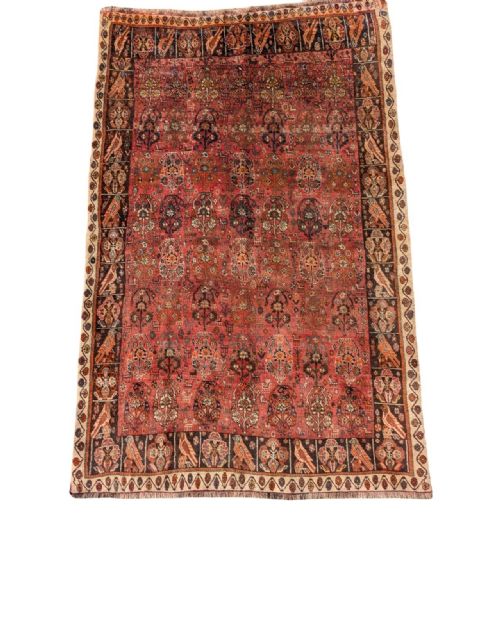
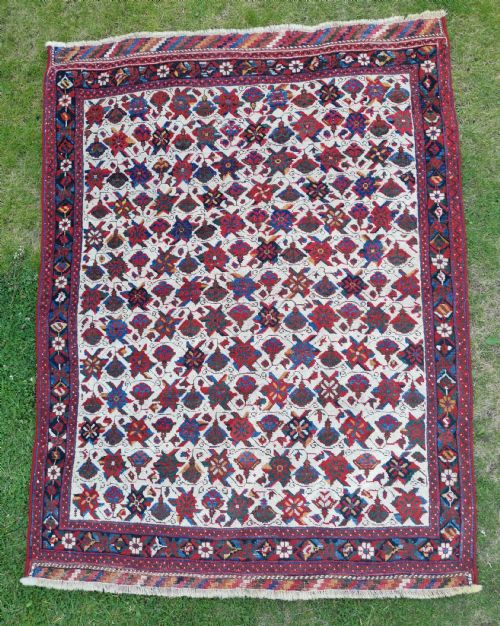
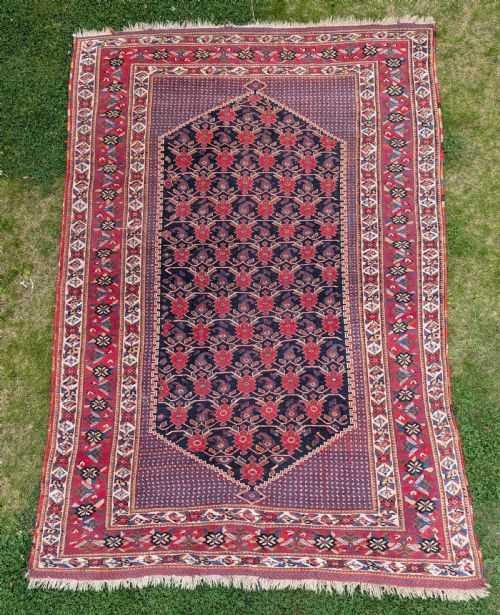
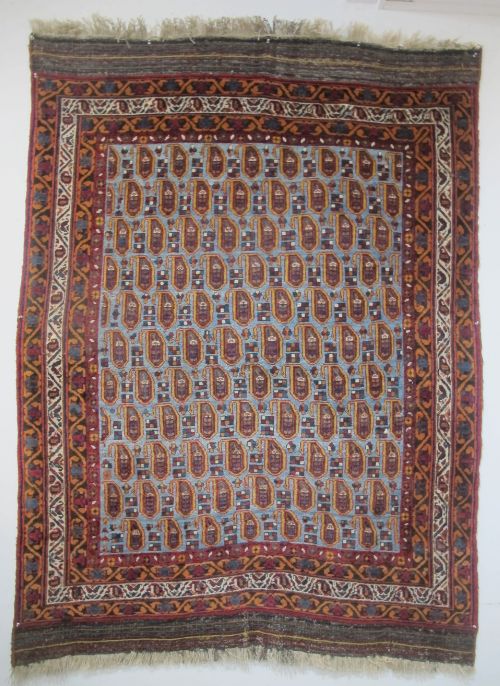
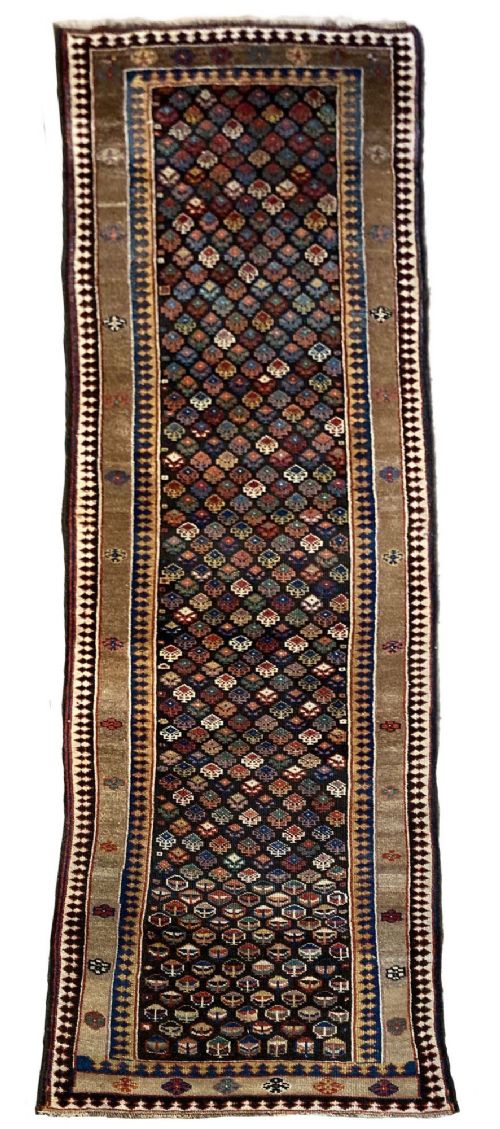
A persian boteh rug is defined by its repeating almond-shaped motif, a symbol with ancient roots in Persian textile arts. These textiles encompass tribal floor coverings, room-size carpets, runner formats, and smaller utility items such as saddle bags and vanity bags.
The examples gathered here span from the late nineteenth century through to the early decades of the twentieth century, originating from tribal workshops and regional centres across Persia. Pieces attributable to Afshar, Kurdish, and Qashqai weavers frequently appear, alongside urban village productions from Malayer, Serabend, and Kirman.
Buyers will encounter both compact area rugs suited for modest spaces and long gallery carpets designed for expansive corridors. The format ranges from all-over repeat patterns to compositions anchored by central medallions surrounded by dense floral or geometric fields.
How they were made
The construction of these floor coverings relies primarily on hand-knotted wool pile secured to sturdy cotton or wool foundations, utilising natural dyestuffs for coloration. Artisans employed traditional upright vertical looms, tying symmetric or asymmetric knots by hand to build up the dense pile.
Certain specialised examples incorporate silk highlights or feature intricate supplementary techniques such as felt applique work and fine embroidery. The use of natural dyes derived from plants and minerals yields rich, harmonious tones that mellow gracefully over decades of use.
Persian Boteh Rug Retail Price Guide 2026
Typical asking prices for persian boteh rug among the pieces listed under this phrase on Sellingantiques today, from the lower quarter to the upper quarter. They describe what is for sale here now, not the wider market.
Materials recorded across the selection include hand-spun wool, cotton foundations, silk highlights, and felt applique.
What varies in quality
Knot density and structural integrity dictate the foundational grade of each weaving, determining how sharply the fine lines of the boteh motif are defined. Tighter knots on supple foundations result in greater resilience and clarity of pattern across the field.
The nuance and depth of the palette separate standard regional pieces from superior works, particularly where natural dyes have created a varied abrash effect across the wool. The handling of secondary borders and the precision of the tribal motifs further distinguish the finer examples from routine village production.
The Persian Boteh Rug Glossary
- Boteh
- An ancient Persian motif resembling a curved almond, seed, or paisley shape, symbolising life and eternity. It appears singly or in dense overall repeats across the rug field.
- Abrash
- A subtle tonal variation or banding of colour within the wool, caused by uneven batches of natural dye or changing yarn lots over the course of weaving.
- Pile
- The upright yarn loops or cut ends that form the soft surface of the rug, providing both texture and protection for the structural foundation beneath.
- Warp
- The vertical foundation threads stretched tightly on the loom before knotting begins, which ultimately fringe the ends of the finished carpet.
- Weft
- The horizontal threads passed back and forth between rows of knots to lock the pile securely in place and stabilise the textile structure.
Persian Boteh Rug: Frequently Asked Questions
What is a boteh motif?
The boteh is a traditional Persian design element shaped like a twisted almond, flame, or floral bud. It is one of the oldest decorative motifs in Near Eastern textiles.
In these weavings, the motif can appear as a single dominant centrepiece or repeat in neat rows across the entire field.
How do I care for an antique rug?
Antique wool textiles require gentle maintenance, beginning with regular, low-suction vacuuming without a beating brush roll. Professional cleaning should be undertaken periodically by specialists familiar with antique vegetable-dyed wool.
Keeping the rug out of direct, harsh sunlight prevents the natural dyes from fading prematurely and preserves the integrity of the fibres.
Where were these rugs made?
The pieces originate from various tribal regions and urban centres across Persia, including the Kerman province, West Persia, and Kurdish districts. Nomadic groups like the Afshar and Qashqai produced distinct regional variations.
Village workshops in places such as Malayer and Serabend also contributed significantly to the tradition of weaving these specific patterns.
How are tribal rugs different from city carpets?
Tribal pieces are woven by nomadic or semi-nomadic groups working from memory on portable looms, resulting in charming irregularities and spontaneous designs. City carpets are typically produced in permanent workshops from precise preparatory cartoons.
This distinction means tribal examples often display more rustic wools and highly individual colour choices compared to formal urban productions.