



Persian Bag Face Rug
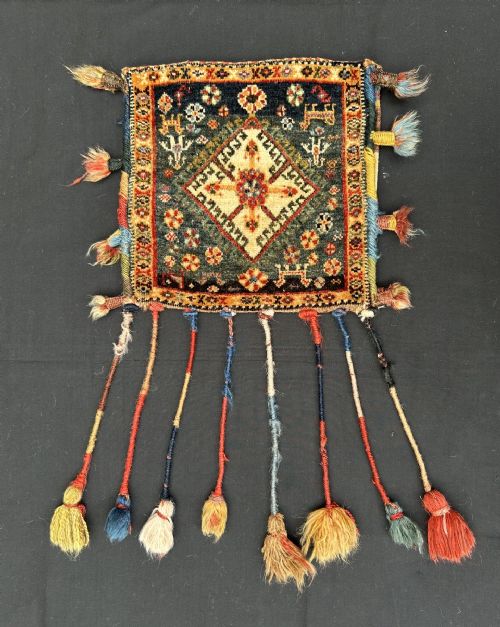
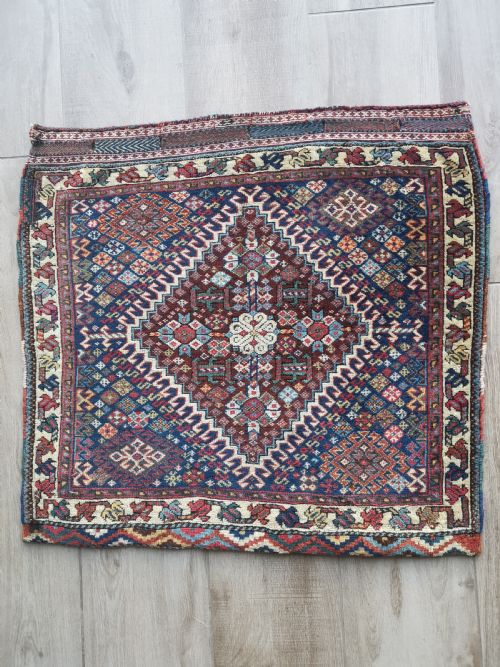
A persian bag face rug is a portable tribal textile carrying piece, prized for its dense wool pile and geometric motifs.
Persian Bag Face Rug
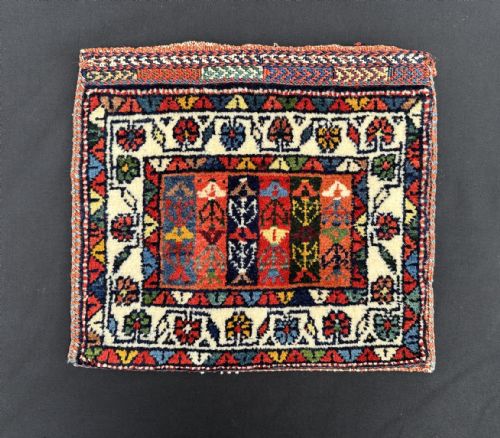
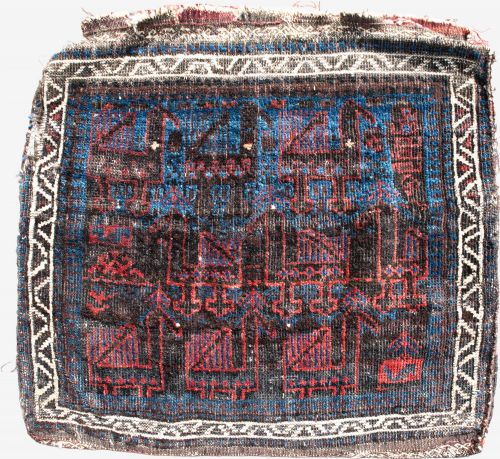
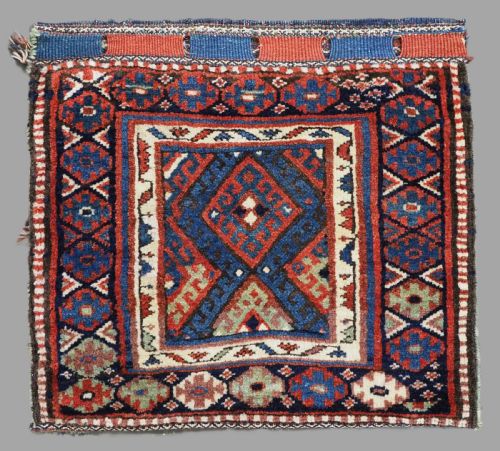
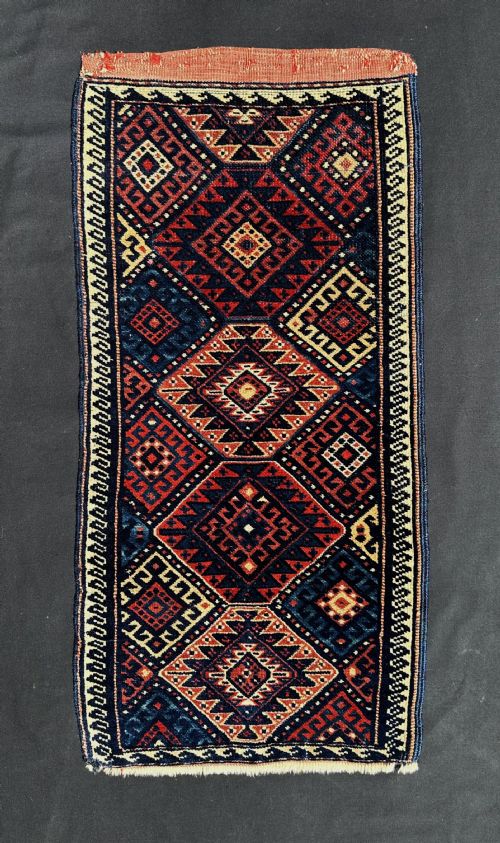
A persian bag face rug represents the front panel of a larger utility piece, such as a transport sack or storage container made by nomadic groups. These textiles were woven for daily functional use rather than display, preserving authentic tribal patterns across generations. Buyers encountering these pieces today will find them repurposed as small display rugs or cushion covers.
The regional attribution spans distinct tribal confederations and provinces across the region, from the Fars province in the south-west to Khorassan in the north-east. Pieces originate from groups such as the Qashqai, Afshar, Baluch, and various Kurdish tribes, each applying characteristic layouts. These origins dictate the palette and structural arrangement visible in the weave.
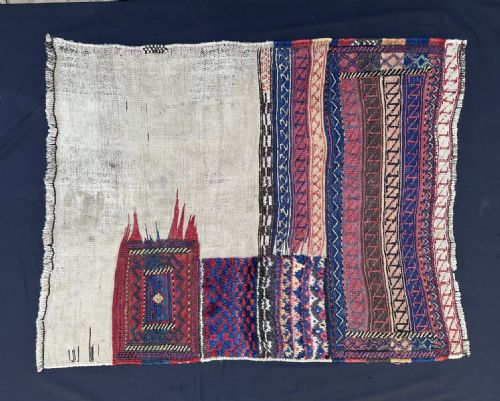
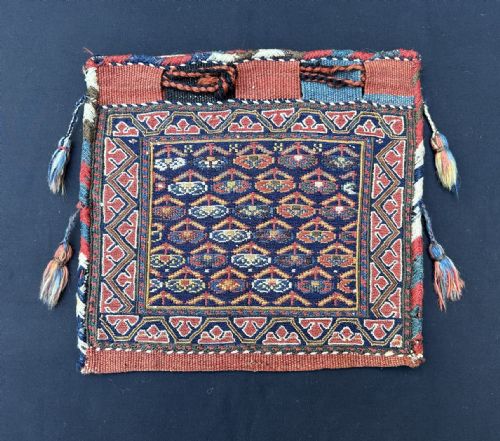
Formats include vanity bags, personal chantehs, and half-khorjin faces, alongside complete saddlebags retaining their plain weave backs. Dating spans the nineteenth and early twentieth centuries, capturing a period before synthetic materials dominated production. Collectors value this variety for its direct link to nomadic weaving traditions.
Materials and Construction
Weavers constructed these pieces using hand-spun wool for both the foundation warps and the dense surface pile. This natural material provides resilience and ages with a characteristic soft lustre over time.
Colour comes from natural and vegetable dyes yielding rich tones of madder red, indigo blue, and earthy yellows. Artisans also employed supplementary techniques like soumac flatweave and plain weave alongside knotted pile to create textured surface contrasts.
Nomadic weavers frequently tucked small personal talismans directly into the practical plain weave backs of their bags for protection.
Assessing Quality
Quality rests upon knot density and the precision of the geometric drawing executed by the weaver. Finer knotting permits sharper definition in intricate motifs like boteh patterns, central medallions, and tile designs.
The integrity of the wool and the depth achieved through natural dyes dictate visual appeal. Pieces exhibiting balanced proportions and well-preserved borders distinguish superior examples from standard utility weaving.
The Persian Bag Face Rug Glossary
- Khorjin
- A traditional double-sided saddlebag used by nomadic tribes for transport and storage. The face sections often survive independently as decorative panels.
- Chanteh
- A small personal carrying bag or vanity case woven with pile or flatweave techniques. These portable containers held small personal possessions.
- Soumac
- A wrap-pattern flatweaving technique that produces a durable textile without a cut pile surface. It creates a textured, ribbed effect on the reverse.
- Boteh
- A traditional almond-shaped or paisley motif representing a floral spray or cypress tree. This symbol appears frequently across Persian tribal weavings.
- Balisht
- A small pillow or cushion face constructed from tribal weaving remnants. These items served functional roles within nomadic tents.
Persian Bag Face Rug: Frequently Asked Questions
How were these bags used?
Nomadic groups utilised these textile containers for packing belongings, transporting goods on animals, and storing household items inside tents. They formed an essential part of daily domestic and nomadic existence.
Smaller versions served as personal carriers or vanity bags for individual owners.
How do I care for a bag face?
Protect the textile by placing it out of direct sunlight to prevent natural dye fading. Gentle vacuuming without a rotating brush maintains the wool pile safely.
Professional textile conservation cleaning should be employed when deep maintenance is required.
How do I identify tribal origins?
Attribution relies on studying the specific palette, border arrangements, and structural motifs unique to each tribal group. Weavers from regions like Fars or Khorassan incorporated distinct structural traits into their work.
Comparing knotting style and wool texture helps pinpoint the specific confederation.