


Period Yew Furniture
Period yew furniture brings rich grain and warm tone to a room, offering genuine eighteenth-century character.
Period Yew Furniture
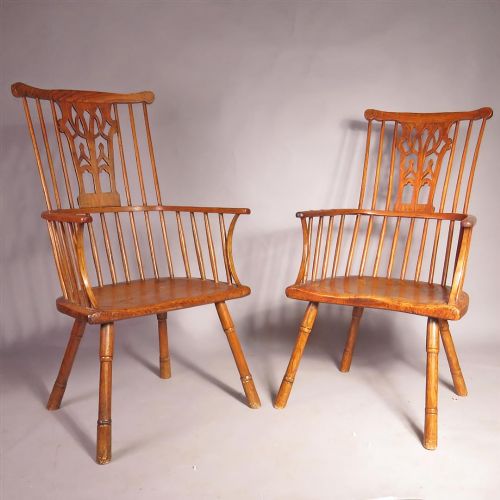
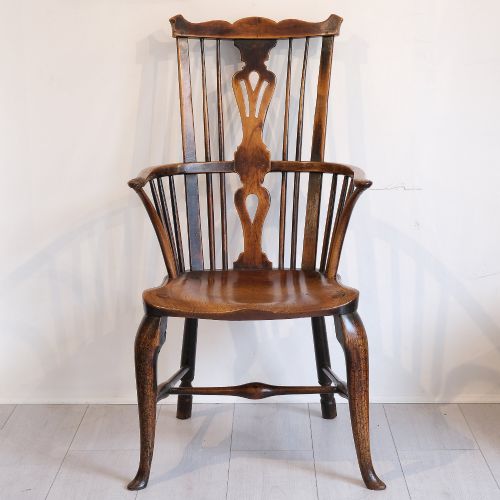
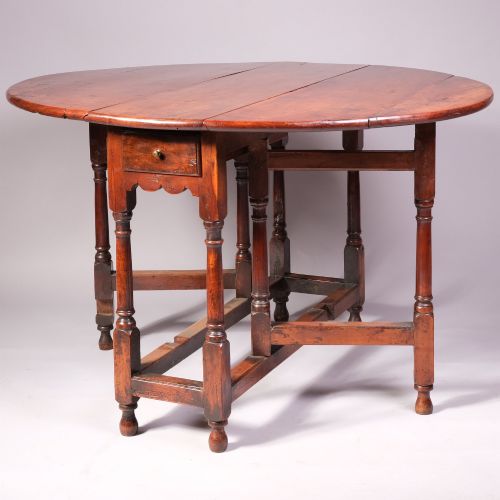
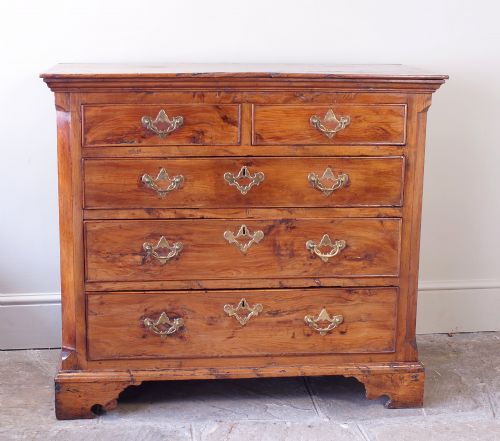
Buyers on this page are most likely to encounter eighteenth-century examples alongside earlier seventeenth-century pieces. Common formats include comb back Windsor chairs, gateleg tables, and chests of drawers finished in Georgian or Queen Anne styles.
How they were made
Cabinet makers utilised yew wood alongside complementary timbers like ash, elm, maple, and burr elm to build these pieces. Structural elements often combined solid yew with secondary woods to ensure stability in large forms like chests and desks.
Surface decoration relied on the natural figuring of burr yew and burr elm veneers, supplemented by brass hardware and iron fittings. Joinery techniques matched the period demands, producing sturdy frameworks for armchairs, side tables, and commodes.
Listings feature pieces spanning the seventeenth and eighteenth centuries, incorporating styles from William and Mary to George III.
What varies in quality
Quality in these pieces rests upon the selection and figure of the timber, particularly the depth of grain found in burr yew and burr elm surfaces. Superior examples display careful matching of wood panels across prominent areas like drawer fronts and table tops.
The sophistication of the period style, from simple country interpretations to refined Georgian forms like the cylinder bureau or demi-lune commode, dictates the level of craftsmanship. Original brass handles and sound structural integrity further separate standard pieces from the finest survivors.
The Period Yew Furniture Glossary
- Gateleg table
- A table with hinged leaves supported by swing legs that move outward to hold the flaps. This form became popular in the seventeenth century for dining and multipurpose rooms.
- Comb back Windsor chair
- A wooden armchair featuring a high back with vertical spindles rising through a bentwood bow, topped by a low comb piece. It represents a traditional seating form constructed from mixed timbers.
- Burr yew
- The knotty, highly figured growth from the yew tree utilised for decorative veneer. Cabinet makers prized its swirling patterns for prominent surfaces on high-status furniture.
- Cylinder bureau
- A writing desk enclosed by a rolling quarter-circle wooden cylinder that conceals pigeonholes and drawers. This refined Georgian form required precise joinery to operate smoothly.
- Chest on stand
- A tall storage chest raised upon a separate framed base with legs. This form elevates the primary drawers to a convenient height while adding architectural presence to a room.
Period Yew Furniture: Frequently Asked Questions
What is period yew furniture?
Period yew furniture comprises wooden items made from yew and related timbers during the seventeenth and eighteenth centuries. These pieces include practical household forms such as chests of drawers, tables, and chairs.
Craftsmen utilised the distinct grain of yew wood, often combining it with elm, ash, and maple. The surviving items showcase regional cabinet making alongside formal Georgian styles.
How do I care for yew wood?
Keep yew furniture away from direct heat sources and strong sunlight to prevent the timber from drying out or fading. Maintain a stable room temperature to protect the antique wood and its original finish.
Dust the surfaces regularly with a soft, dry cloth. Avoid using modern silicone polishes, opting instead for traditional beeswax when the wood requires nourishment.
How do I identify Georgian yew pieces?
Georgian yew pieces often display distinct period characteristics such as bracket feet, figured burr veneers, and polished brass handles. The design proportions typically follow classical neoclassical or regional country interpretations.
Examine the construction methods and secondary timbers used within the drawers and internal framing. These details help connect the item to the eighteenth-century manufacturing traditions seen across the listings.
Were these pieces used daily?
These items served functional roles in historic households, functioning as everyday dining tables, writing desks, and seating. Their durable construction in yew and elm allowed them to withstand generations of domestic use.
Wear marks and patination on the wood often reflect this long history of practical service. Today, buyers appreciate both the utility and the decorative character these functional antiques retain.