
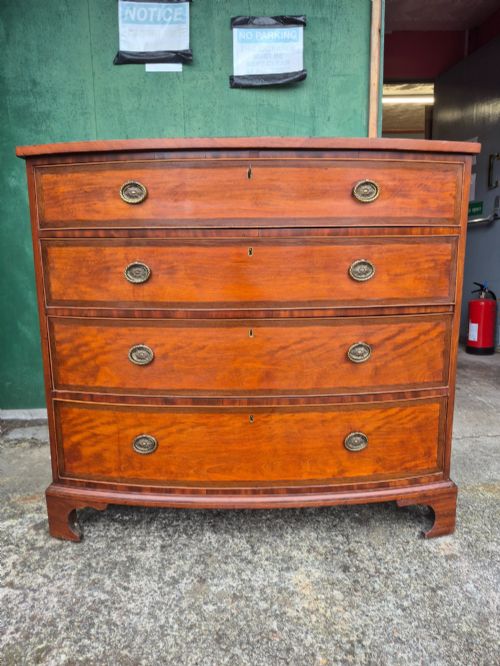
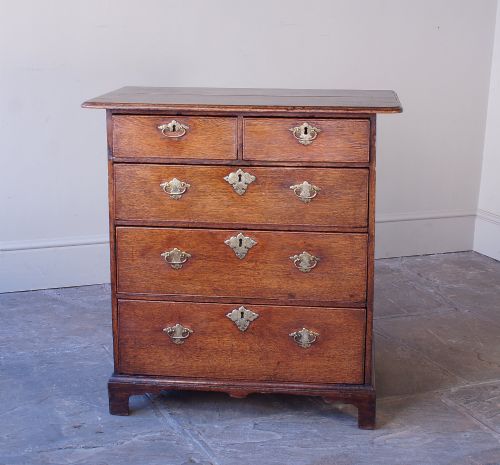
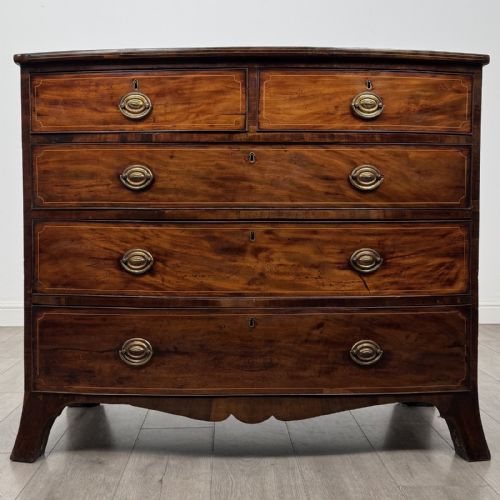
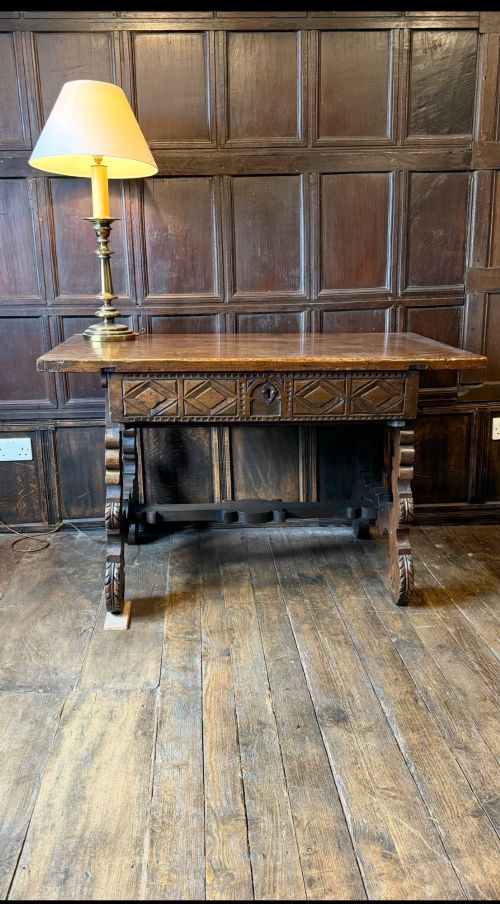
Period Wooden Drawers
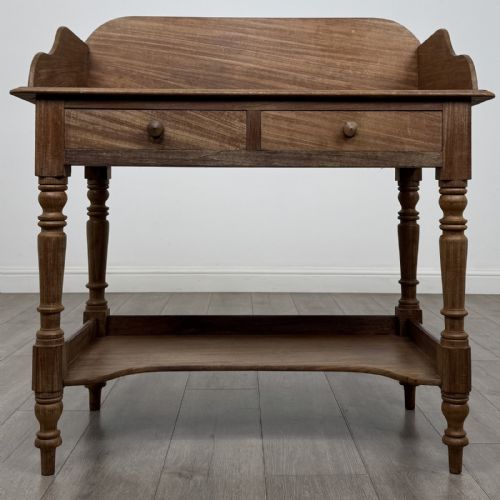
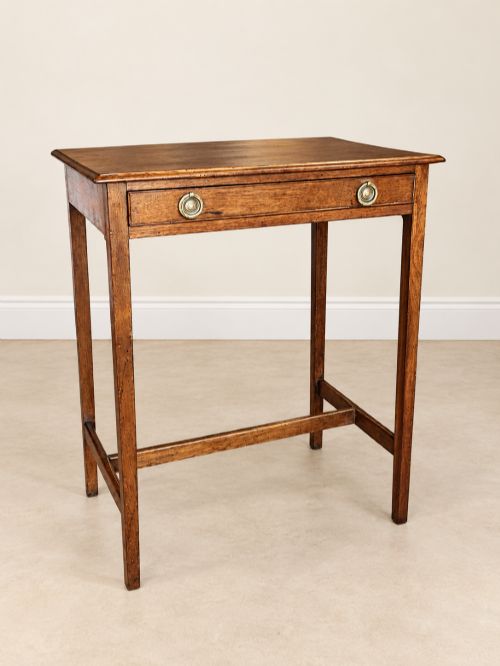
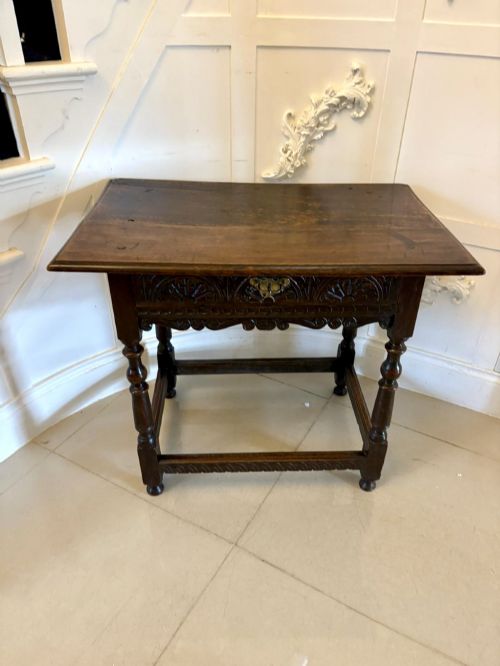
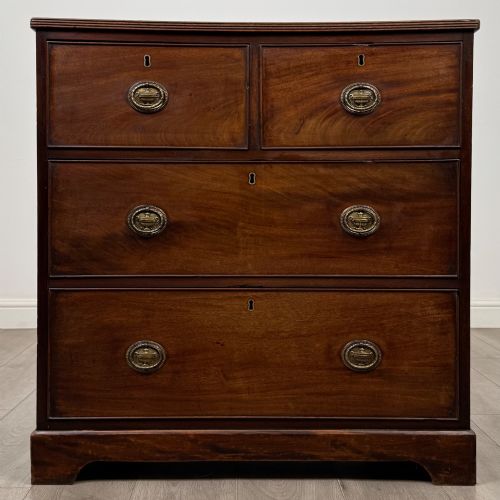
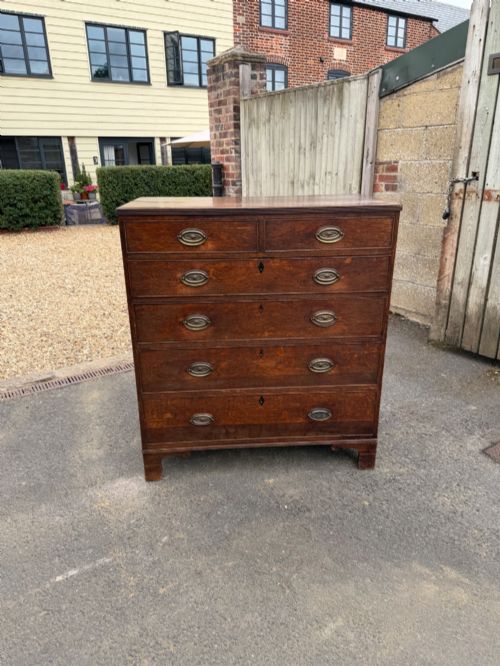
Period wooden drawers comprise chests, side tables, and coffers shaped from timber across centuries of British and continental design.
Period Wooden Drawers
Period wooden drawers encompass a range of storage furniture including chests of drawers, side tables, mule chests, and bookcases. These items date from the seventeenth century through to the Edwardian era, reflecting shifting domestic needs and stylistic preferences.
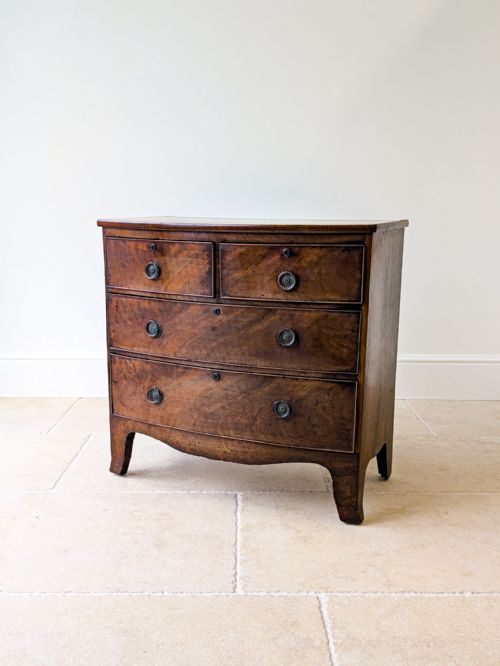
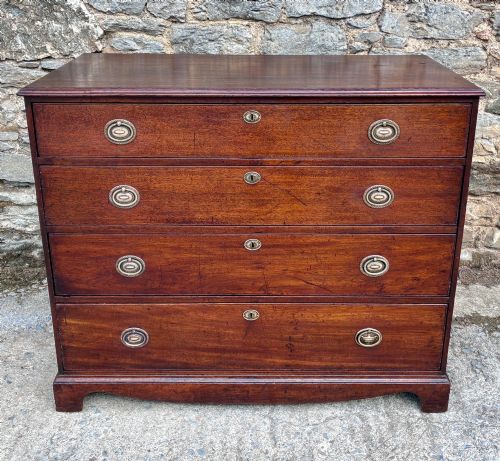
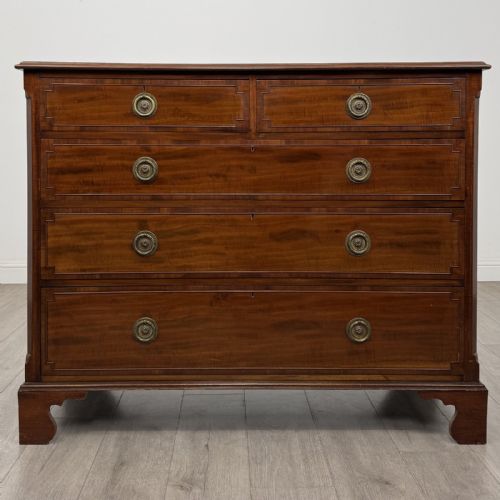
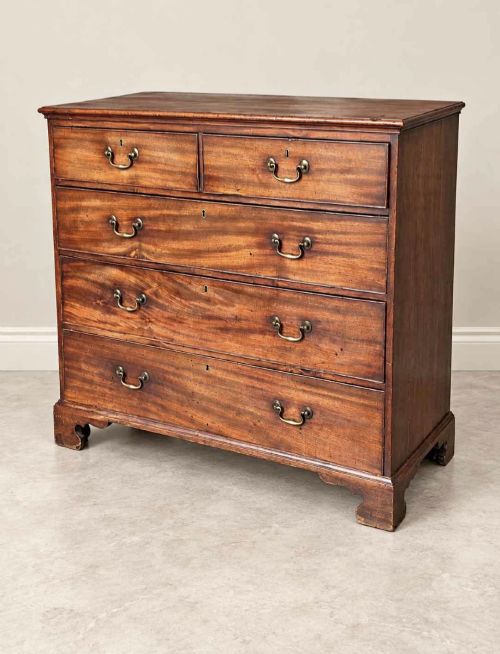
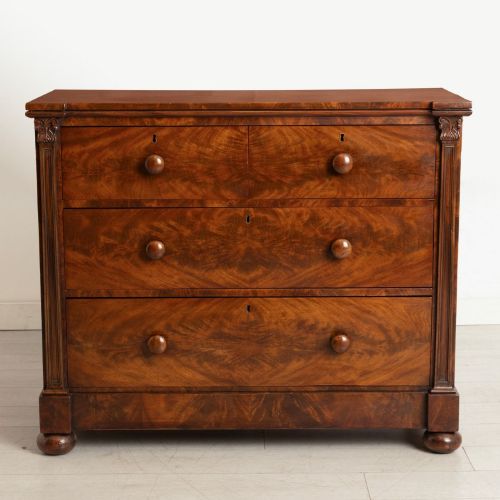
The most common forms encountered are Georgian and Regency chests of drawers in mahogany, oak, or walnut. Alongside these standard storage pieces, smaller occasional items like side tables and sideboards appear frequently.
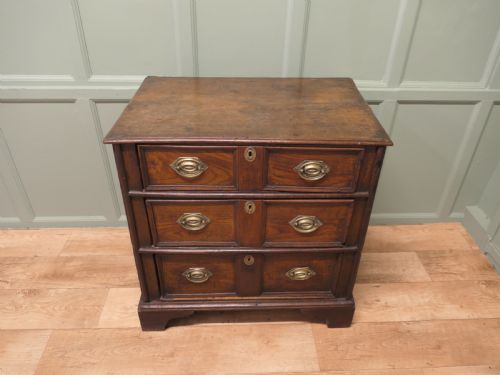
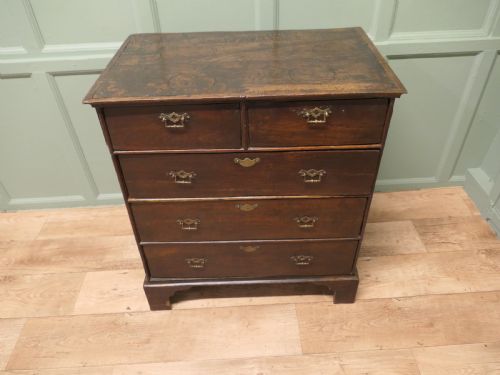
Origins span British regional workshops as well as continental centres, demonstrating diverse regional cabinet-making traditions. Oak dominates the earlier pieces, whilst mahogany and satinwood define the later Georgian and Regency periods.
Assessing Quality and Execution
Quality reveals itself in the selection of figured timber veneers, the tightness of dovetail joints, and the retention of original brass hardware. Superior pieces display thoughtful proportions and balanced grain patterns across every surface.
The degree of hand-carving, the crispness of inlaid details, and the survival of original surface patination distinguish finer examples from standard utilitarian items.
Listings feature oak, mahogany, walnut, elm, and satinwood across periods spanning the seventeenth century to the Edwardian era.
J Moorcroft
The Period Wooden Drawers Glossary
- Bow front
- A convex curved front profile popular on Georgian and Regency chests of drawers. This design softens the room's geometry while increasing internal storage capacity.
- Dovetail
- An interlocking joint used in drawer construction, prized for its tensile strength. Hand-cut dovetails indicate earlier craftsmanship before the advent of machinery.
- Mule chest
- A storage chest featuring one or more functional drawers built into the base beneath the main compartment. It bridges the transition between traditional blanket chests and modern drawer units.
- Bracket foot
- A structural and decorative foot shape resembling an architectural bracket, commonly supporting the corners of eighteenth-century case furniture.
- Carcass
- The main structural framework or body of a piece of furniture, excluding doors, drawers, and removable feet.
Period Wooden Drawers: Frequently Asked Questions
How do I identify a Georgian chest of drawers?
Georgian chests typically feature solid mahogany or oak construction with hand-cut dovetails on the drawer linings. Look for proportion, bracket or ogee feet, and period brass drop handles.
Examine the backboards and drawer sides for tool marks and timber shrinkage that confirm age. The overall aesthetic prioritises symmetry and restrained classical ornament over excessive carving.
What is the difference between oak and mahogany pieces?
Oak pieces generally date from the seventeenth and early eighteenth centuries, displaying a heavy, robust construction with prominent grain texture. Mahogany gained favour during the mid-eighteenth century for its rich reddish-brown tone and suitability for fine carving.
Oak furniture often utilises pegged frame-and-panel techniques, whilst mahogany allows for sleeker lines and finer veneer work. Both timbers were selected for durability but create entirely different visual weights in a room.
How should I care for antique wooden drawers?
Maintain a stable room temperature and keep wooden furniture away from direct heat sources and strong sunlight. This prevents the timber from drying out, warping, or splitting.
Apply traditional beeswax occasionally to nourish the surface and preserve the historic patination. Avoid silicone-based polishes that can permanently alter the finish of the wood.
Are side tables and chests constructed the same way?
Side tables and chests share similar primary timber choices and joinery methods like dovetailing and mortise-and-tenon joints. However, side tables focus on a lighter framework with turned or tapered legs supporting a surface and single or multiple shallow drawers.
Chests are built as heavy carcases designed to stack large volumes of clothing or linens. Both exhibit the cabinet-maker's skill but serve distinct functional roles within a historic interior.