



Period Wooden Credenza
These period wooden credenza pieces bring architectural timber and generous storage into a room, offering both presence and utility.
Period Wooden Credenza
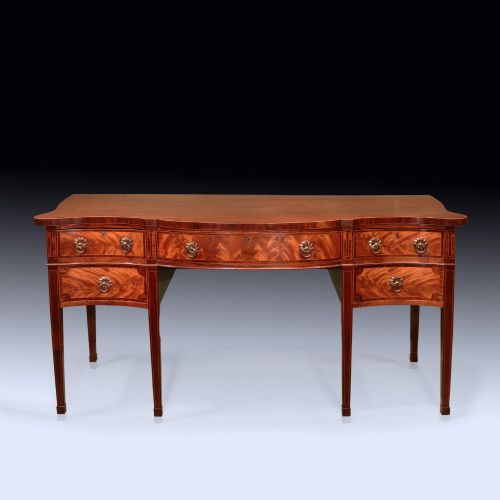
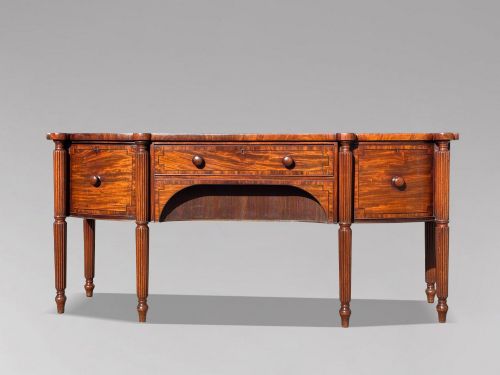
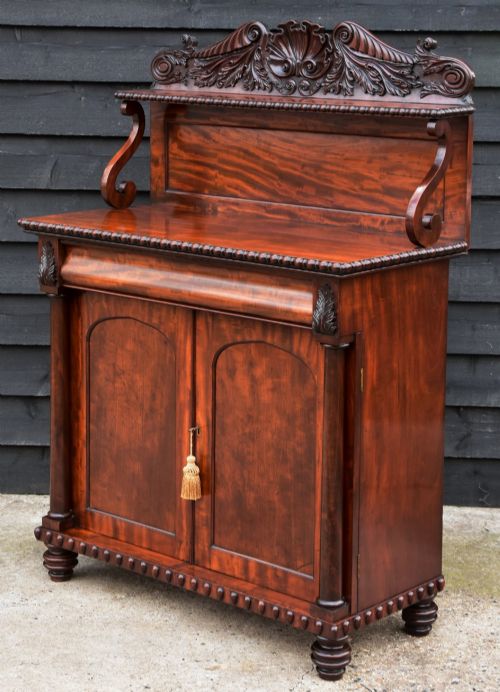
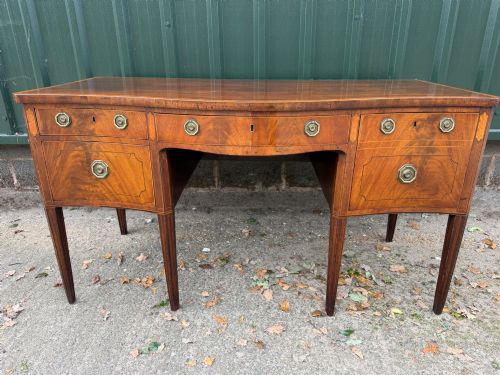
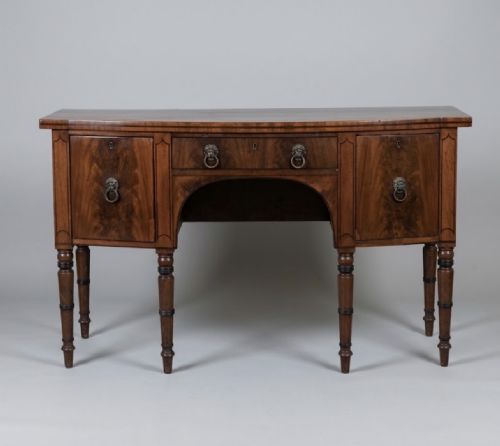
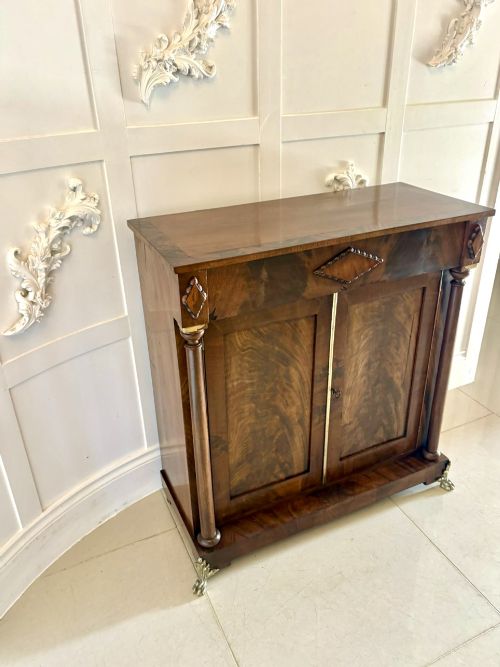
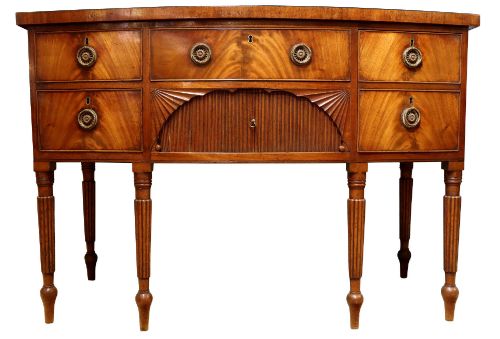
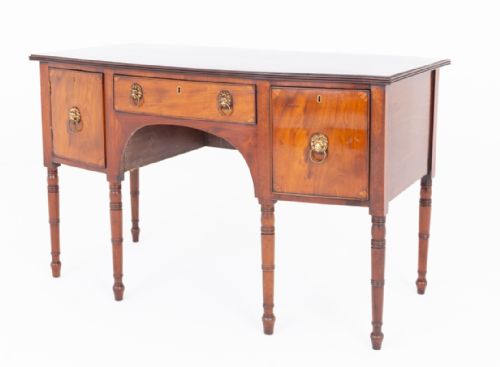
A period wooden credenza encompasses sturdy timber storage furniture, including sideboards, chiffoniers, side cabinets, and dressers from past centuries. When searching for a period wooden credenza, buyers most frequently encounter mahogany pieces from the Regency and Georgian eras.
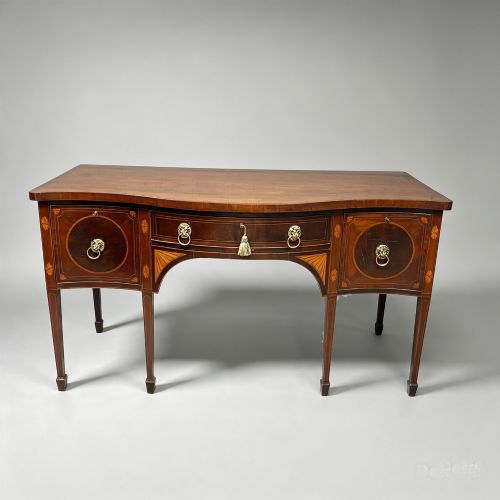
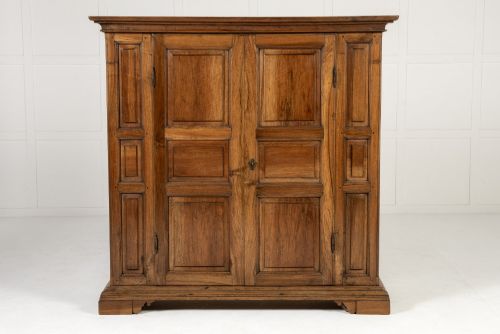
The selection ranges from bowfront and breakfront sideboards to smaller chiffoniers and side cabinets. These items originate across periods spanning the 17th, 18th, 19th, and early 20th centuries, reflecting styles such as Sheraton, Regency, and Jacobean.
Form follows function closely in these designs, which served traditionally for dining room service or displaying prized items. Cabinets often feature enclosed cupboards, drawers, or open shelving configurations suited to modern domestic storage.
Materials and construction methods
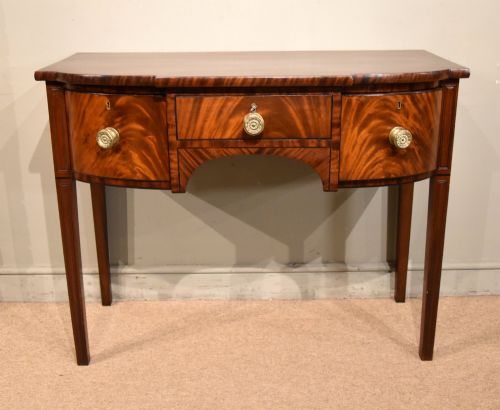
Cabinet makers relied heavily on dense hardwoods like mahogany, oak, and walnut, often applying flame mahogany or amboyna veneers to key surfaces. These timbers provided structural stability alongside rich natural grain patterns.
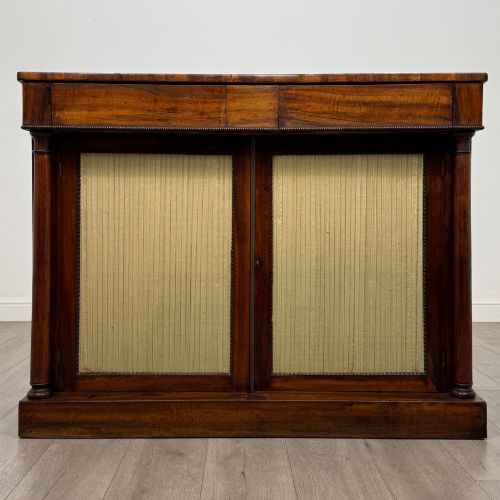
Decorative detailing involved contrasting inlays of boxwood, alongside intricate brass stringing and mounts. Secondary elements incorporated silk panels behind door grilles and simulated rosewood paint finishes.
Period Wooden Credenza Retail Price Guide 2026
Typical asking prices for period wooden credenza among the pieces listed under this phrase on Sellingantiques today, from the lower quarter to the upper quarter. They describe what is for sale here now, not the wider market.
Periods represented span from the 17th century through Georgian and Regency eras up to the 1920s.
Distinctions in craftsmanship and finish
Quality rests upon the selection and matching of timber veneers, particularly how symmetrically flame mahogany or figured grain flows across drawer fronts and doors. Superior examples display precise joinery and well-integrated brass or boxwood inlay work.
The sophistication of the silhouette defines the upper tier, seen in serpentine or breakfront outlines rather than simple straight fronts. Original hardware, intact silk panels, and refined proportions elevate an individual piece.
Gillows
The Period Wooden Credenza Glossary
- Chiffonier
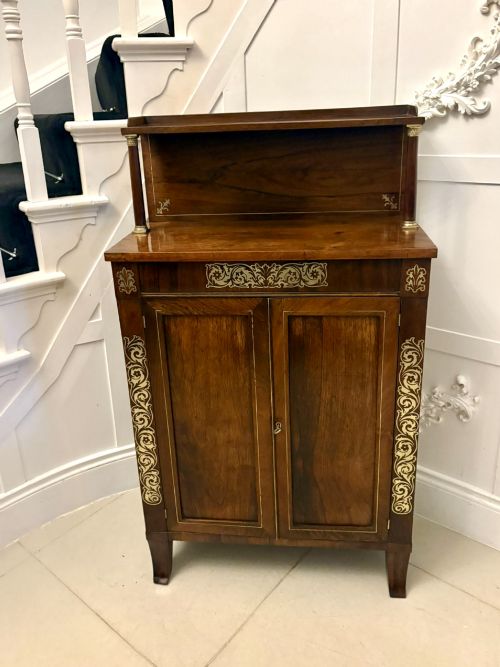
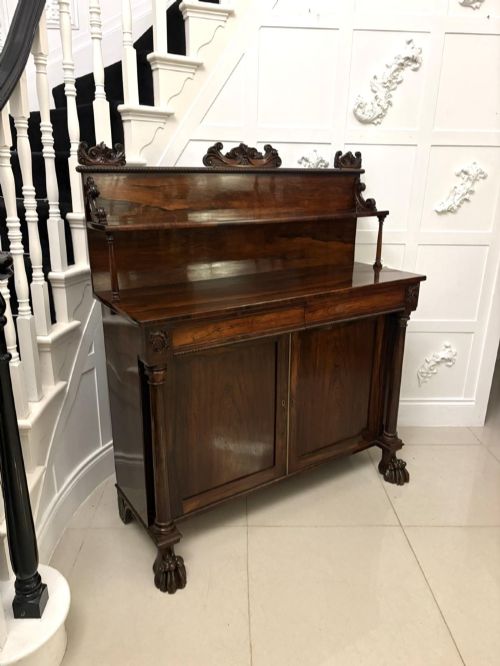
- A low compact sideboard or cabinet featuring enclosed shelves below, popular during the Regency period. These often include a raised superstructure or gallery on top.
- Bowfront
- A curved convex front profile typical of Georgian and Regency case furniture. This shape softens the corners of the room while adding interior depth.
- Breakfront
- A cabinet design where the central section projects forward from the flanking outer sections. This architectural arrangement creates shadow and visual rhythm across the piece.
Period Wooden Credenza: Frequently Asked Questions
What is a chiffonier?
A chiffonier is a compact cabinet designed for storage and display, typically featuring doors enclosing interior shelves. They emerged strongly during the Regency era as versatile alternatives to larger dining room sideboards.
These pieces often include small galleries or shelving on top for displaying ceramics or glass. Their smaller footprint makes them adaptable for living rooms or hallways today.
How do I identify a Regency sideboard?
Regency sideboards are characterised by architectural dignity, classical proportions, and rich mahogany timbers. Look for brass inlay, lion mask ring handles, and pedestal or cellarette ends.
They reflect the influence of classical antiquity popular in the early nineteenth century. Their sturdy construction and deep drawers suit contemporary dining spaces well.
Where should I place a side cabinet?
A side cabinet fits naturally in a dining room, hallway, or living space where surface display and concealed storage are required. Their shallow depth allows them to sit comfortably against walls without dominating the floor area.
Pair them with a wall mirror or painting to anchor the furniture within the room. Ensure the timber tone complements existing furniture in the space.
What timber was used most?
Mahogany is the predominant timber found across these listings, valued for its strength, rich reddish-brown tone, and responsiveness to polishing. Cabinet makers utilised both solid mahogany and decorative flame veneers.
Other regional timbers such as oak appear in earlier seventeenth-century pieces, whilst exotic woods like rosewood and amboyna denote high-status Regency commissions.