
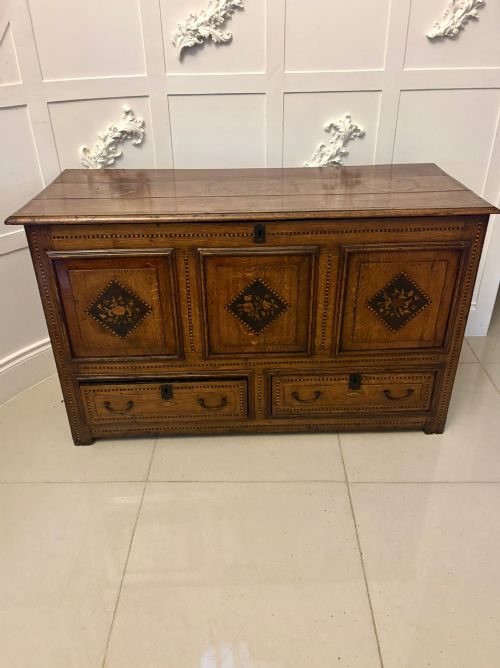


Period Wooden Coffer
A period wooden coffer holds generations of storage history, offering solid joinery and deep character for modern interiors.
Period Wooden Coffer
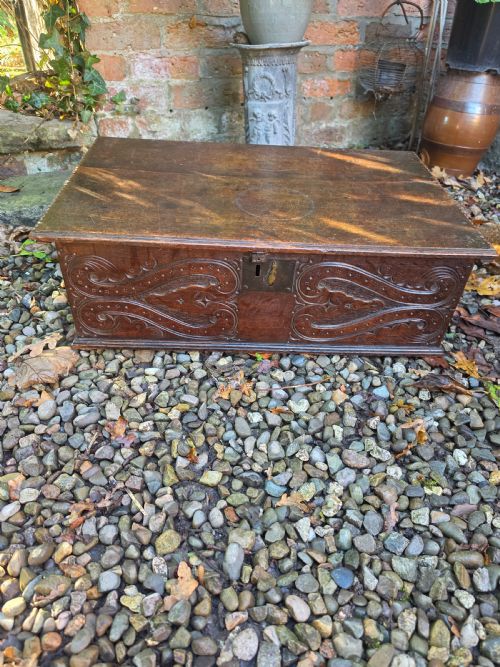
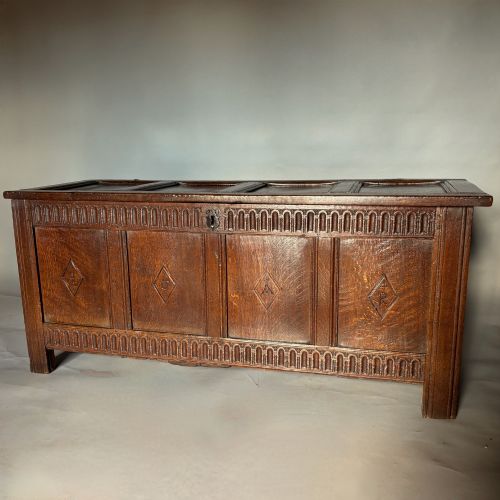
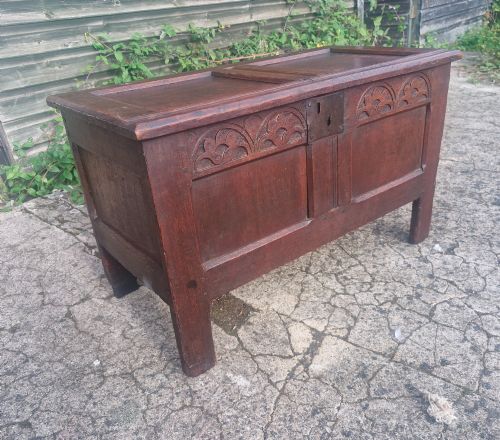
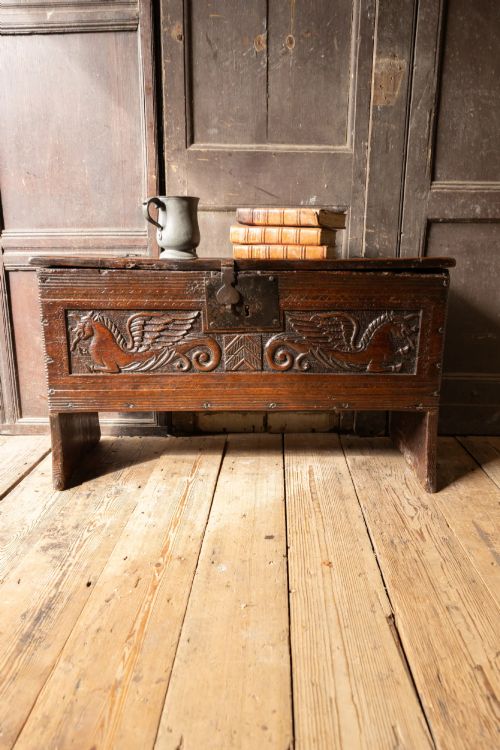
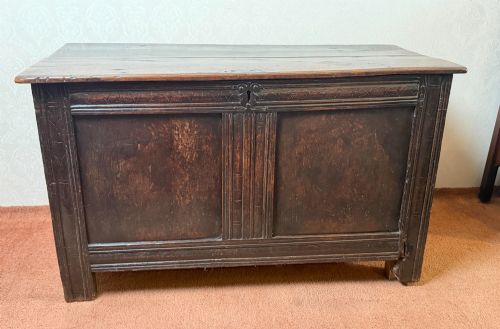
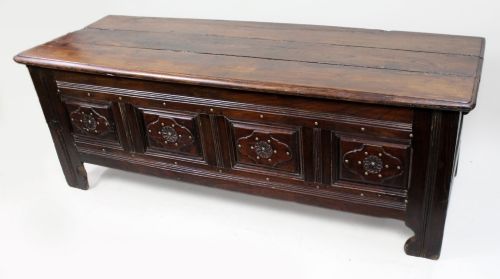
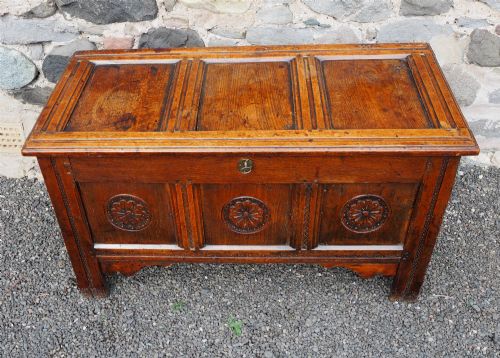
A period wooden coffer represents heavy domestic storage dating principally from the sixteenth, seventeenth and eighteenth centuries, constructed primarily in oak alongside elm, mahogany and walnut.
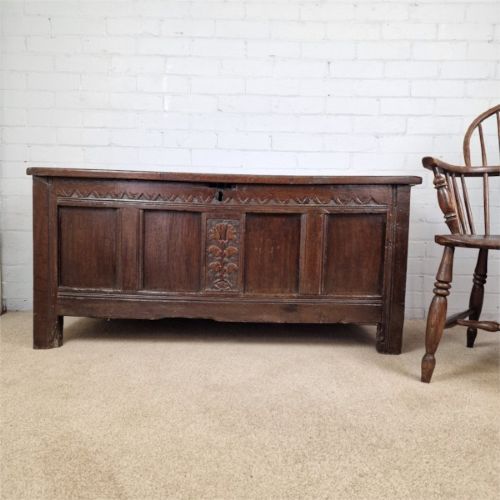
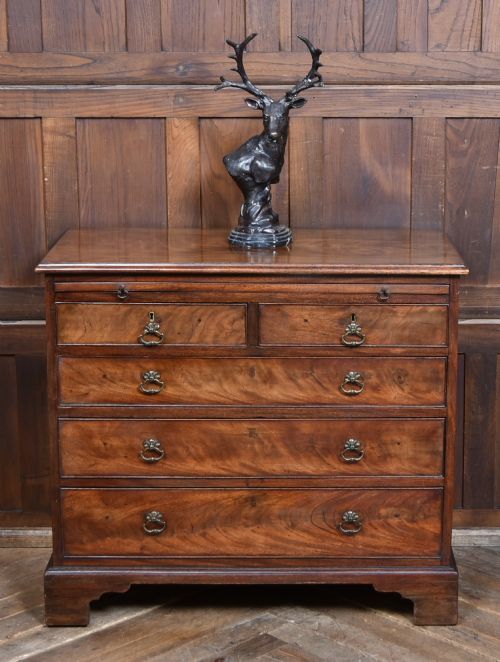
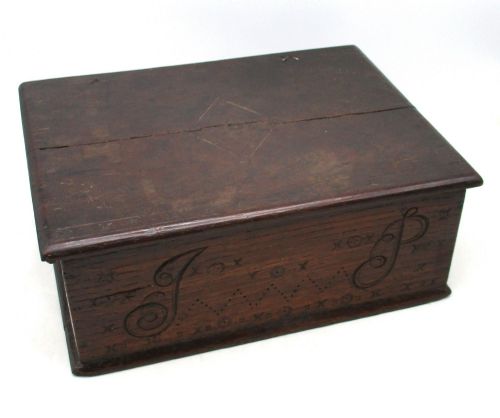
Buyers meet panelled chests, mule chests fitted with lower drawers, six-plank constructions, and smaller document or bible boxes bearing regional traits from English counties, Wales and continental Europe.
The selection ranges from robust Elizabethan and Jacobean joinery through to Georgian refinement, reflecting utilitarian domestic origins and regional craftsmanship.
Construction materials and techniques
Timbers were cleft or sawn by hand, utilising heavy oak framework, pegged mortise and tenon joints, and sturdy boarded elm for six-plank variants.
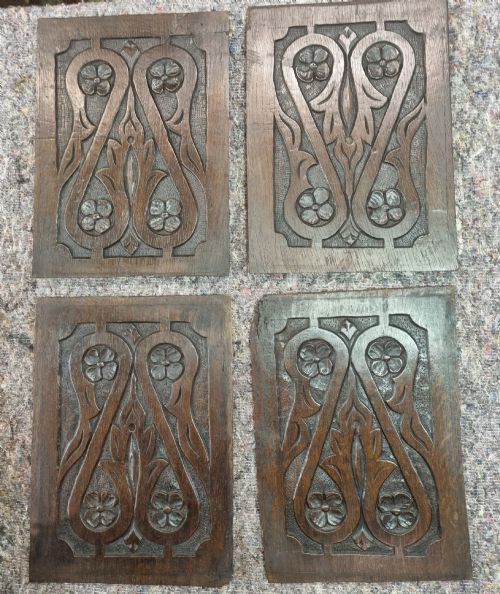
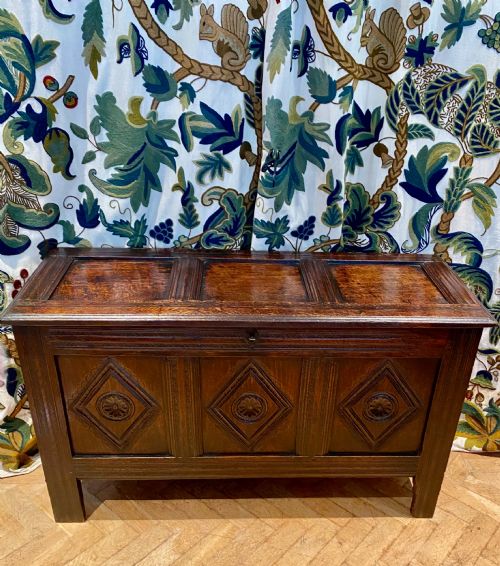
Surface ornamentation relied on hand carving, geometric panelling, and occasional marquetry inlay utilising mixed woods to create subtle visual depth.
Listings feature regional pieces originating from Welsh districts, French provinces, and English counties including Dorset.
Judging quality and integrity
Quality rests in the originality of the timber surfaces, depth of colour, and untouched patination built through centuries of use.
Structural integrity depends on surviving original hinges, feet, lid boards, and minimal timber replacement in the primary framework.
J Moorcroft
The Period Wooden Coffer Glossary
- Mule chest
- A storage chest equipped with one or more drawers beneath the main internal compartment. This form emerged as domestic storage needs evolved.
- Six-plank
- A primitive construction method utilising six individual boards joined edge-to-edge at the corners. This style appears frequently in early elm and oak examples.
- Panelling
- Framework consisting of vertical stiles and horizontal rails grooved to hold floating wooden panels. This technique accommodates seasonal timber movement.
- Patina
- The surface sheen and colour developed by wood over centuries through handling, polish and light exposure.
Period Wooden Coffer: Frequently Asked Questions
What did people store in a coffer?
Historically, households stored precious textiles, church silver, dried foods, and legal documents inside these heavy chests. Their robust construction and heavy lids offered security before fitted wardrobes and cupboards became common.
Over time, their roles shifted within the home toward blanket storage or general domestic organisation in parlours and bedchambers.
How do I date an antique oak coffer?
Dating relies on observing construction methods, tool marks left by pit saws or adzes, and stylistic motifs such as carved linenfold, lunettes, or geometric panels. Six-plank variants and pegged joints often point toward earlier centuries.
Hardware components like butterfly hinges or snipe hinges also provide clues, though hinges frequently underwent replacement during centuries of domestic use.
Where should I place a wooden coffer at home?
These sturdy chests function well as blanket storage at the foot of a bed, as a window seat in a hallway, or as a coffee table in a living room. Their flat lids provide useful surface area while concealing interior clutter.
Keep them away from direct heat sources and strong sunlight to protect historic timber and maintain the stability of the dry wood.
What is the difference between a coffer and a chest?
In historical terminology, a coffer often implies a boarded or panelled box used for travel or secure storage, sometimes featuring a domed or flat lid. A chest generally serves similar storage functions within a static domestic setting.
In modern antique trading, the terms are frequently used interchangeably to describe heavy wooden lidded boxes from the sixteenth to eighteenth centuries.