
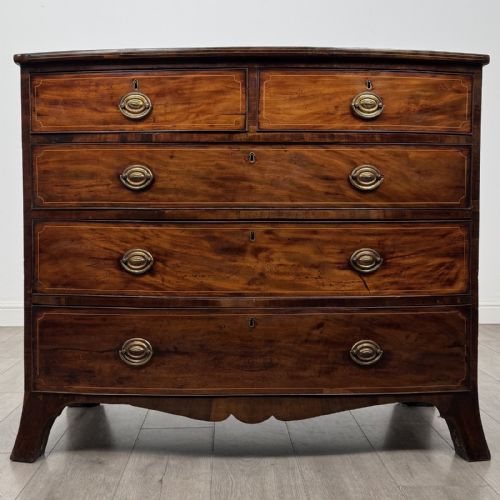
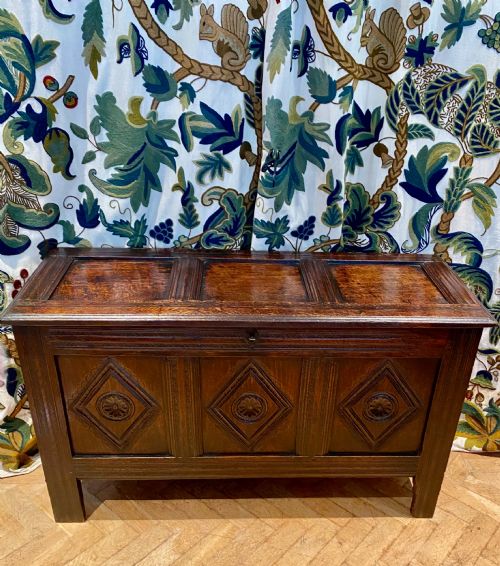
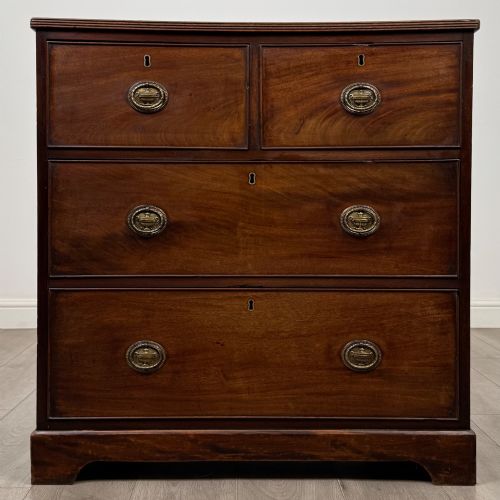
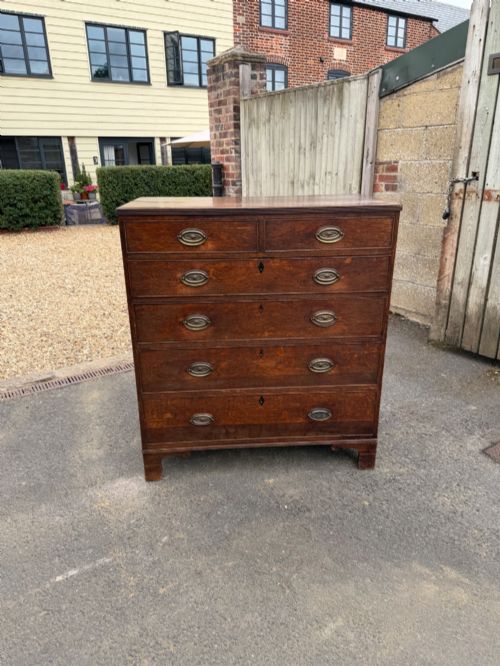
Period Wooden Chest
A period wooden chest offers lasting utility and honest craft, bringing centuries of domestic history into a modern room.
Period Wooden Chest
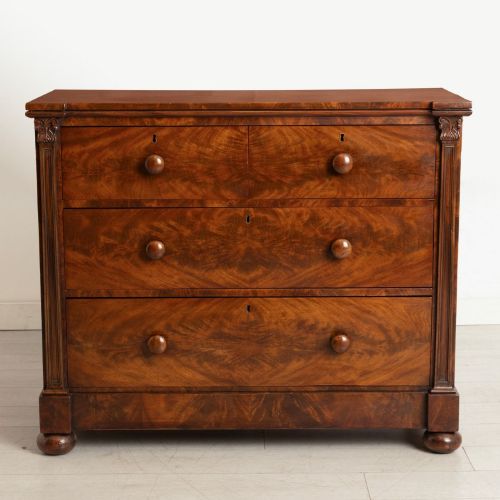
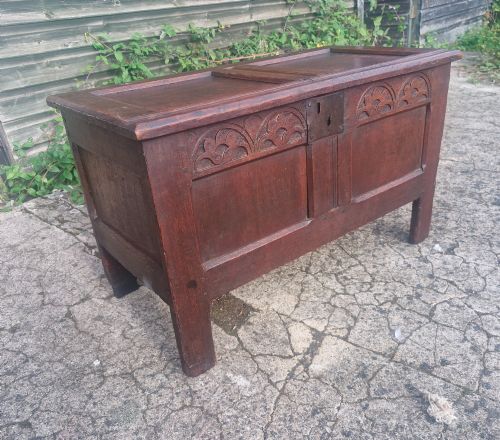
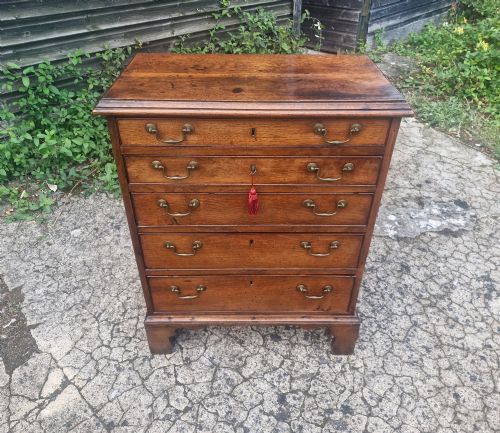
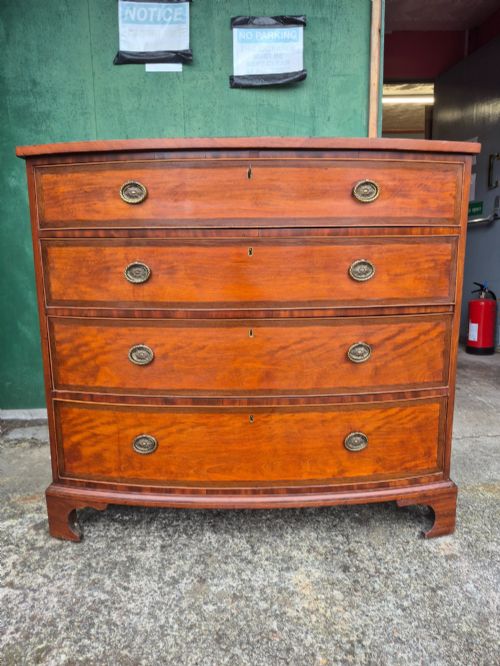
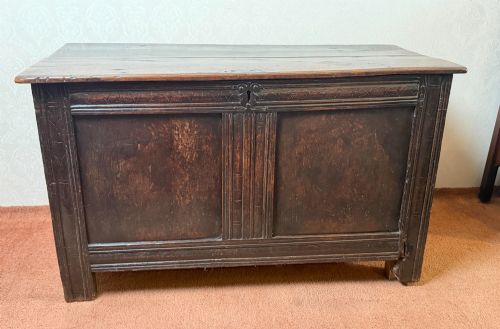
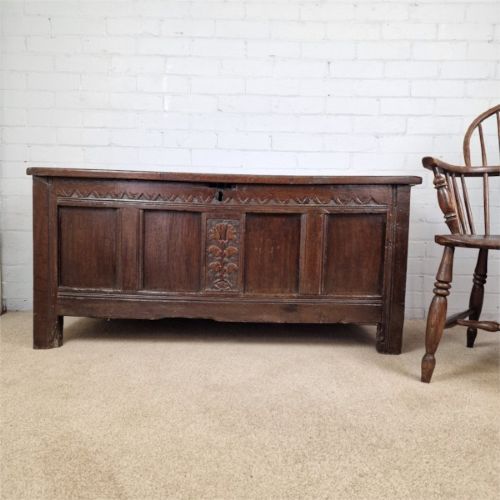
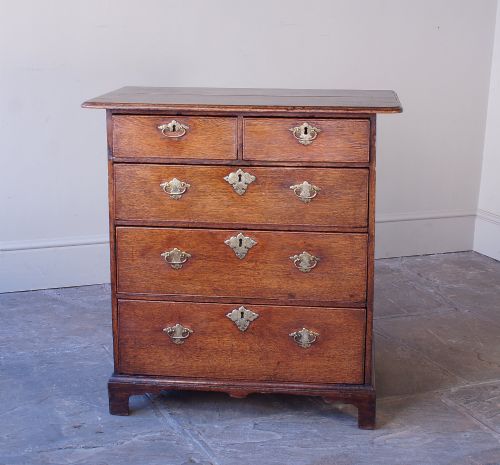
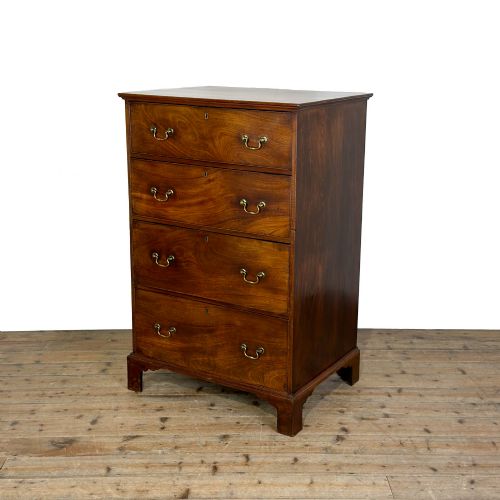
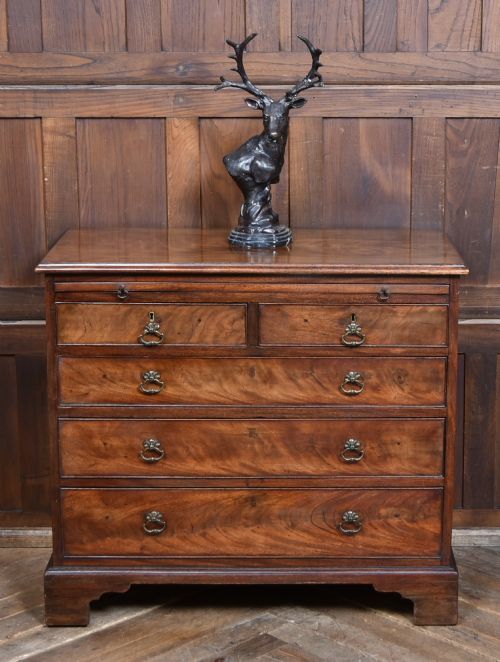
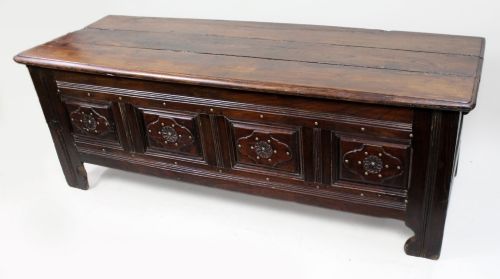
A period wooden chest encompasses robust storage furniture built across several centuries, ranging from early boarded coffers to refined drawer configurations. These pieces served essential domestic functions for holding linen, valuables, documents, and clothing before fitted wardrobes became common.
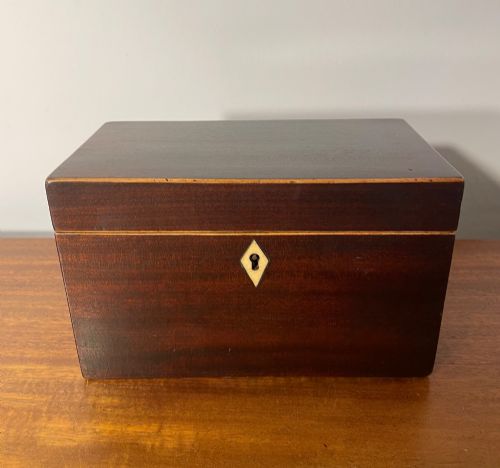
Origins span regional English workshops, Welsh traditions, and continental makers, creating considerable variety in scale and ornamentation. Smaller document boxes and mule chests with lower drawers supplement the larger blanket chests and tall drawer arrangements.
Materials and construction
Carpenters relied primarily on native timbers such as oak, elm, and walnut for early pieces, transitioning to imported mahogany and decorative veneers during the eighteenth century. Boards were joined using traditional methods including mortise and tenon frames, dovetails for drawers, and pegged joints.
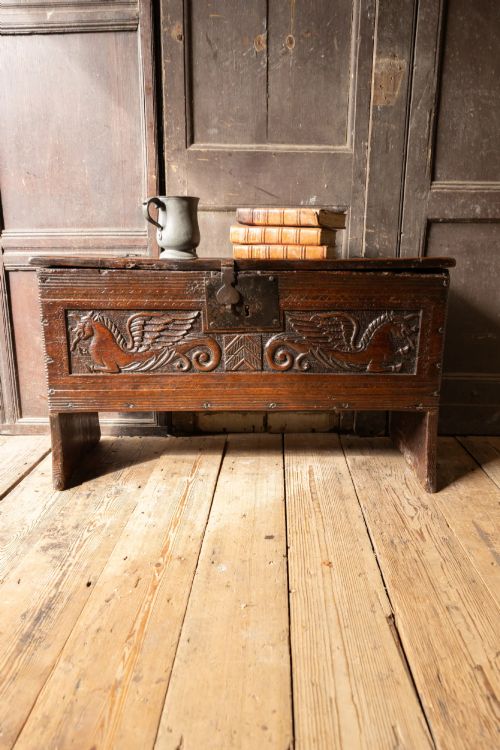
Iron and brass provided essential structural reinforcement and functional hardware, appearing as strap hinges, carrying handles, escutcheons, and drawer pulls. Surface decoration often involved hand carving, panel moulding, marquetry inlay, and polished wax finishes that enhanced the natural grain.
Listings feature pieces spanning the 16th century through the Regency era, constructed from oak, mahogany, walnut, and elm.
Distinctions in quality
The standard of craftsmanship shows in the precision of the joinery, the thickness of the timber, and the retention of original surface patination. Superior examples display carefully selected grain alignment, particularly in flame mahogany veneers or quarter-sawn oak panels.
Original hardware, untouched backboards, and stable structural integrity distinguish better pieces from those with extensive modern replacements. The subtlety of hand-carved details and the proportion of mouldings reflect the skill of the original workshop.
J Moorcroft
The Period Wooden Chest Glossary
- Coffer
- A heavy wooden box with a hinged lid used primarily for storage. Early versions feature boarded or panelled construction.
- Mule chest
- A storage chest fitted with one or more drawers beneath the main compartment. This form bridges the evolution from the simple coffer to the chest of drawers.
- Wellington chest
- A tall, narrow chest of drawers secured by a hinged locking side stile. It typically contains multiple shallow drawers.
- Marquetry
- Decorative inlay work using various coloured woods to create pictorial patterns or geometric designs. Artisans applied this technique to panels and drawer fronts.
- Escutcheon
- A protective plate surrounding a keyhole, usually made of brass or iron. It prevents the wood around the lock from sustaining damage.
Period Wooden Chest: Frequently Asked Questions
How do I date an oak chest?
Dating relies on observing construction methods, timber choice, and tool marks left by the maker. Early pieces utilise joined panels and hand-riven boards.
Later chests incorporate machine-cut elements, standardised fixings, and different secondary woods. Comparing handles, hinges, and lock mechanisms against known periods helps confirm the age.
Where should I place a chest?
These chests function well in hallways, living rooms, and bedrooms, providing both surface display space and deep storage. Keeping them away from direct heat sources prevents the wood from drying out and splitting.
Allowance should be made for the clearance needed to open hinged lids or pull out wide drawers fully.
Are these chests suitable for daily use?
Solid construction allows most period chests to handle regular storage duties without issue. Waxed oak and sturdy mahogany easily accommodate blankets, linens, or everyday items.
Care should be taken not to overload fragile drawer runners or force antique locks with incorrect keys.
What is a mule chest?
A mule chest combines the lift-top compartment of a traditional coffer with one or more lower storage drawers. This design allowed users to access smaller items without opening the main lid.
They appeared frequently during the seventeenth and eighteenth centuries as domestic storage needs evolved.