

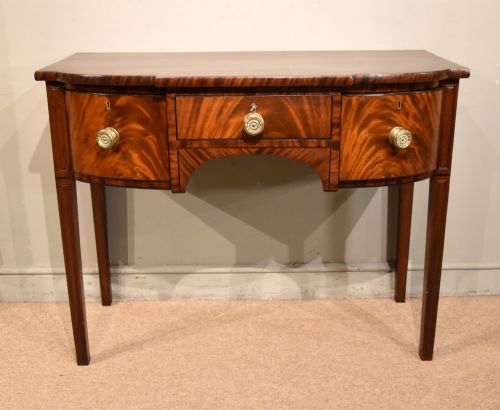
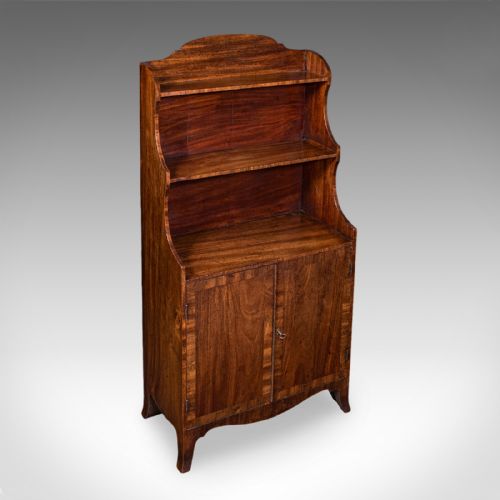
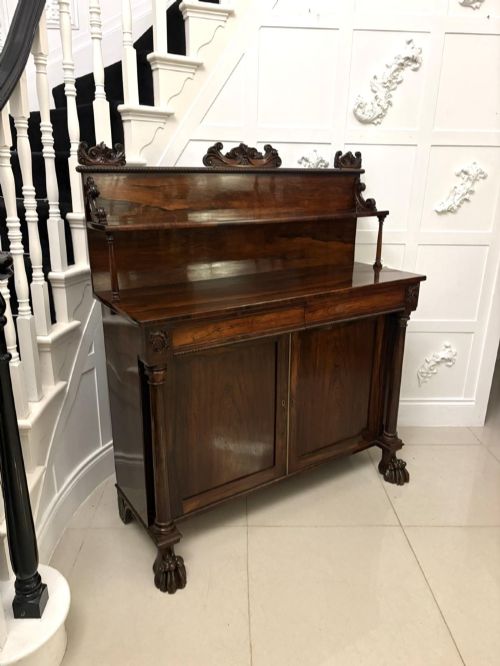
Period Wooden Cabinet
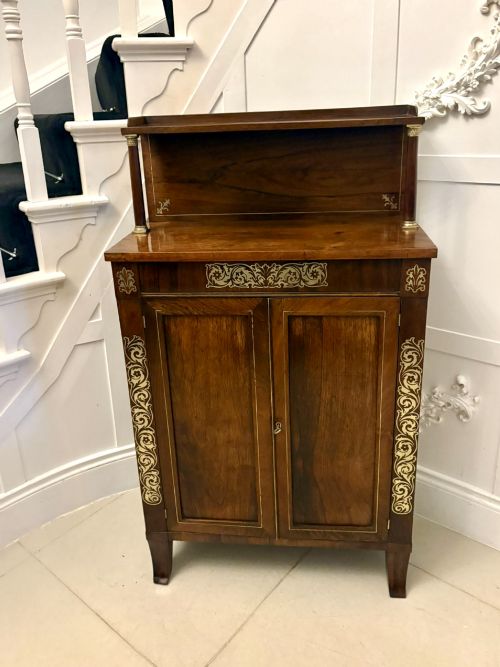
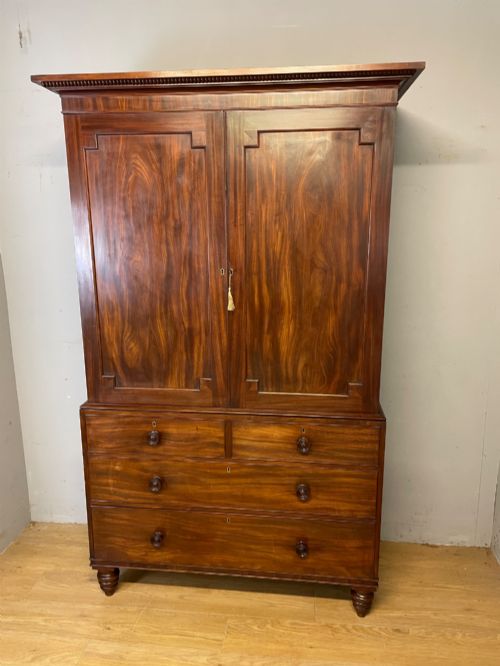
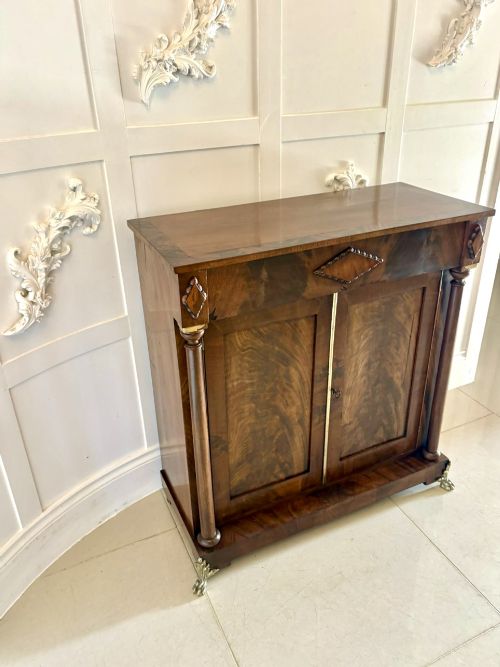
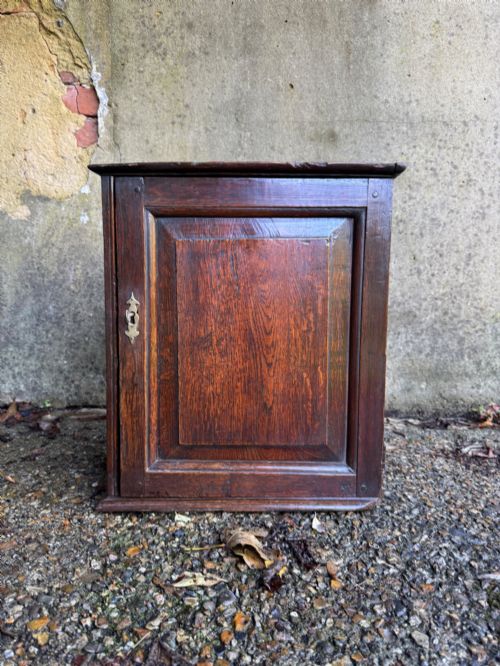
A period wooden cabinet gathers centuries of storage into timber, brass and glass, offering functional depth to a room through genuine age.
Period Wooden Cabinet
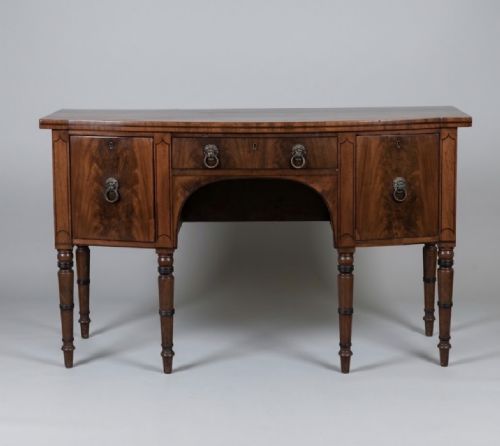
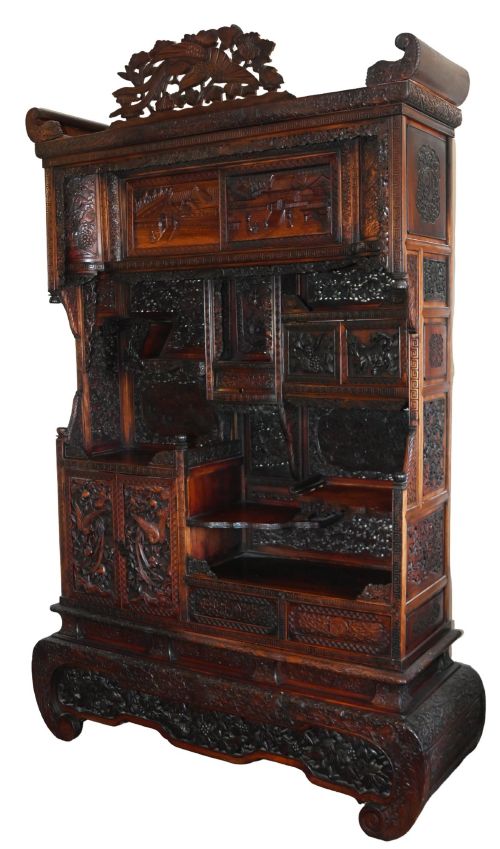
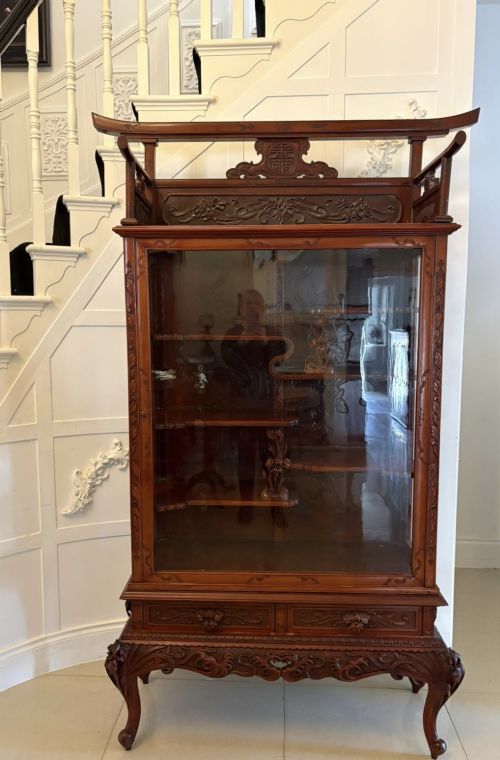
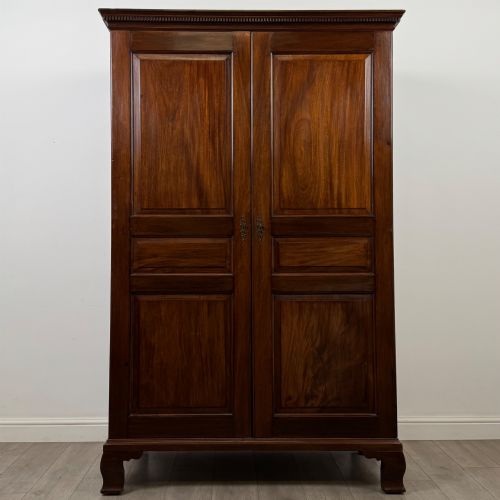
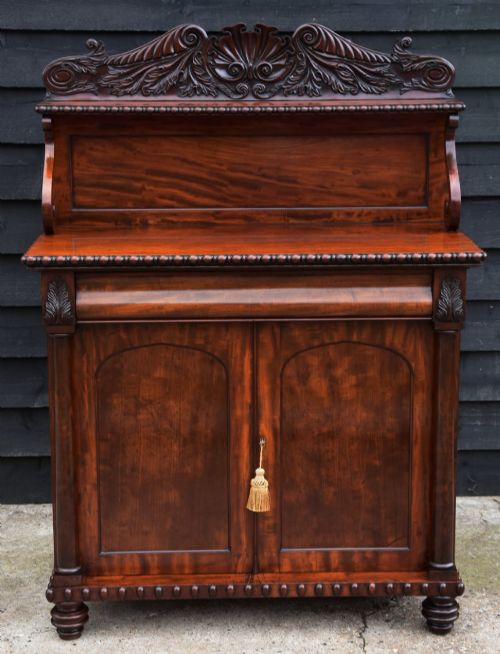
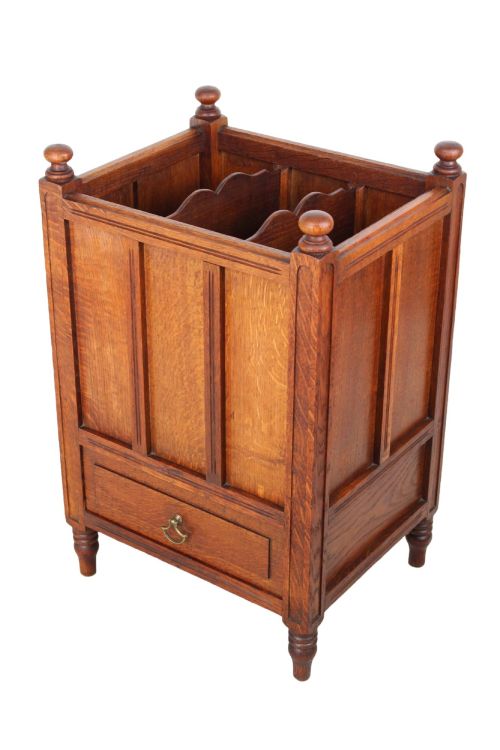
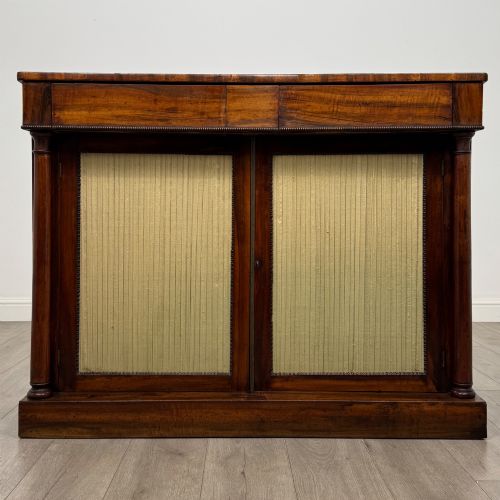
A period wooden cabinet encompasses a diverse range of functional furniture designed to store books, tableware, textiles and valuables across centuries of British and continental craftsmanship. When exploring this selection of a period wooden cabinet, buyers encounter utilitarian cupboards, formal sideboards, library bookcases and delicate chiffoniers spanning the seventeenth through to the early twentieth century.
The objects represented here lean heavily toward Georgian and Regency iterations constructed from rich timbers, alongside earlier oak and walnut forms. Regional variations and specific domestic uses dictate the scale, from towering display cases to compact bedside cupboards and spice boxes.
How they were made
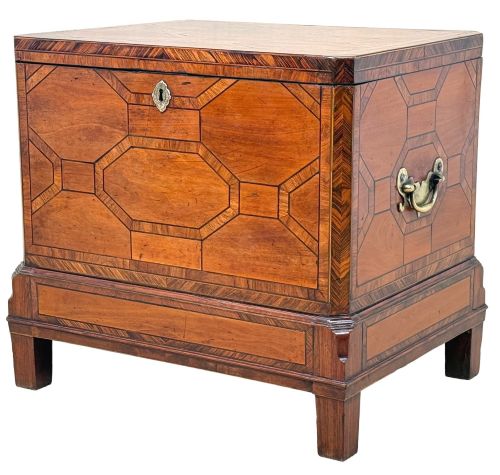
Cabinet makers relied primarily on native and imported hardwoods, utilising oak, mahogany, walnut and elm for structural integrity and decorative surface grain. Flame mahogany, satinwood and amboyna veneers provided striking optical depth, often enhanced with contrasting brass inlay, lacquer work or carved detail.
Joinery techniques evolved from pegged early oak framing to precise dovetailing and cabinetry framing seen in later Georgian and Regency workshops. Surface finishes relied on hand-applied polishes that accentuated the natural figure of the timber rather than masking it.
The listings here span eight distinct periods, led by Georgian, Regency and nineteenth-century examples alongside seventeenth-century oak pieces.
What varies in quality
The distinction between standard utility items and exceptional pieces rests in the selection of timber figure, such as well-matched flame mahogany or burr walnut veneers. Superior examples display meticulous attention to internal secondary woods, original hardware, and finely executed brass inlay or carved mouldings.
Proportion and structural harmony separate workshop masterpieces from simpler vernacular furniture. Originality of surface patination and minimal timber replacement preserve the integrity of the piece over centuries of domestic use.
Gillows
The Period Wooden Cabinet Glossary
- Chiffonier
- A low sideboard or cabinet featuring shelves or a small cupboard above, popular during the Regency and Victorian eras. This form evolved to display decorative objects while providing enclosed storage.
- Bookcase
- A piece of furniture with shelves to hold books, frequently combined with lower cupboards or glazed doors. Regency and Georgian examples often incorporate adjustable shelving and fine astragal glazing bars.
- Chippendale
- A style of eighteenth-century English furniture named after cabinet maker Thomas Chippendale, characterised by carved mahogany and rococo or neoclassical motifs. Pieces from this period demonstrate supreme mastery of timber carving.
- Sideboard
- A dining room cabinet utilised for serving food and storing silverware, rising to prominence during the Georgian period. Formal designs incorporate pedestals, urns or inlaid drawer fronts.
- Cellarette
- A lockable container designed to hold wine bottles safely, often fitted internally for individual bottles. Wealthy households utilised portable wooden boxes or floor-standing furniture pieces for this purpose.
Period Wooden Cabinet: Frequently Asked Questions
How do I date a wooden cabinet?
Dating relies on examining construction methods, timber choice, and hardware such as handles and hinges. Earlier pieces utilise hand-sawn boards and pegged joints, whereas later nineteenth-century pieces show machine assistance.
Stylistic cues like Regency brass inlay or Georgian bracket feet further narrow the period of manufacture. Comparing secondary woods inside drawers also reveals workshop origins.
Where were these cabinets used?
These cabinets served various rooms in historic homes, from libraries and formal dining rooms to intimate bedrooms. Bookcases and bureau desks belonged in studies, while chiffoniers and sideboards anchored reception spaces.
Smaller cupboards and apothecary chests found placement in private chambers or hallways for daily necessities. Each form directly reflects the domestic rituals of its era.
How should I care for antique timber?
Maintain stable humidity and temperature away from direct heat sources to prevent timber from splitting or warping. Dust regularly with a soft, dry cloth and apply natural beeswax sparingly to nourish the grain.
Avoid modern aerosol polishes containing silicone, which build up and degrade the historic finish over time. Gentle care preserves the natural patina developed across centuries.
What is flame mahogany?
Flame mahogany refers to wood cut from the fork of the mahogany tree where branches join the main trunk. This specific grain pattern produces a distinctive undulating, fiery visual effect when polished.
Cabinet makers reserved these highly figured veneers for the primary visible surfaces of high-status Regency and Georgian furniture.