
Period Wood Chest
A period wood chest brings centuries of practical craftsmanship and rich timber grain directly into a modern room.
Period Wood Chest
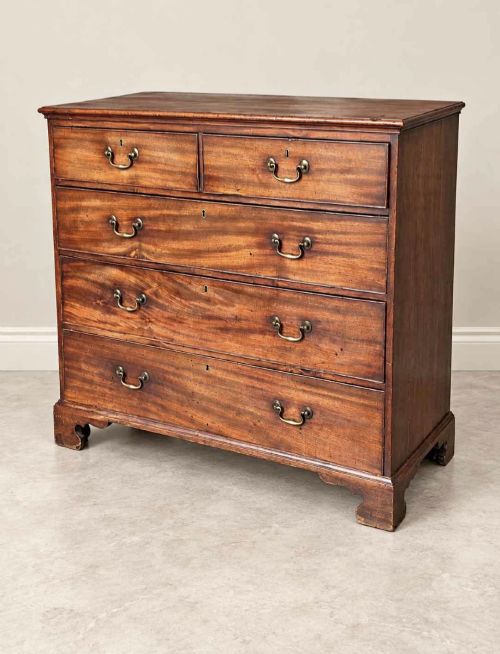
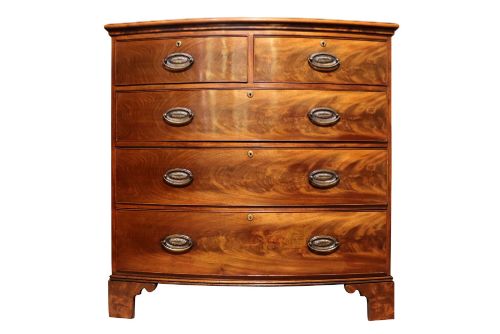
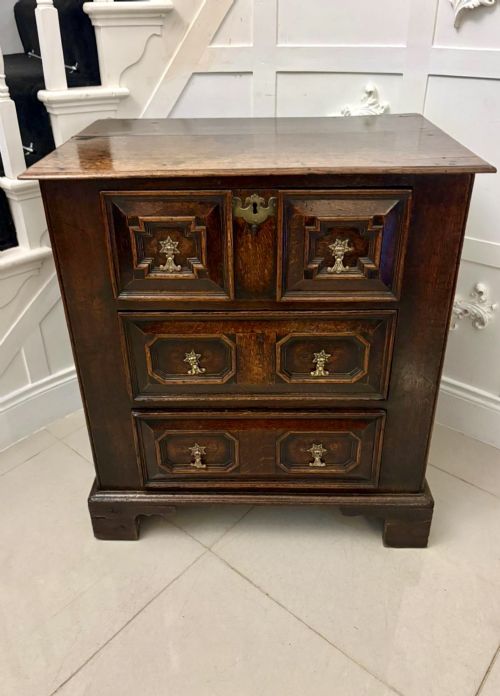
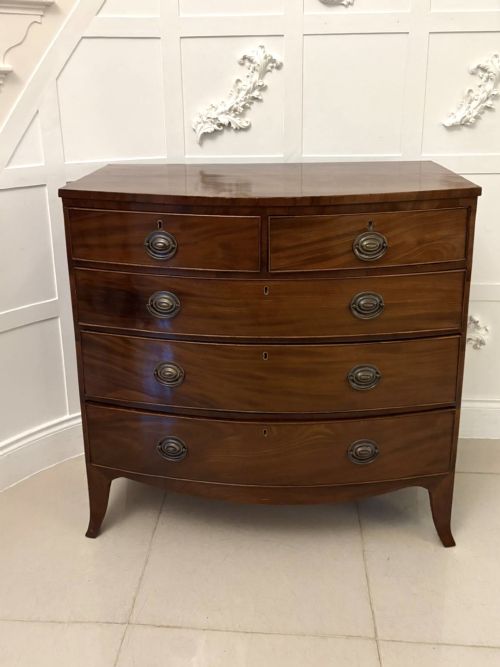
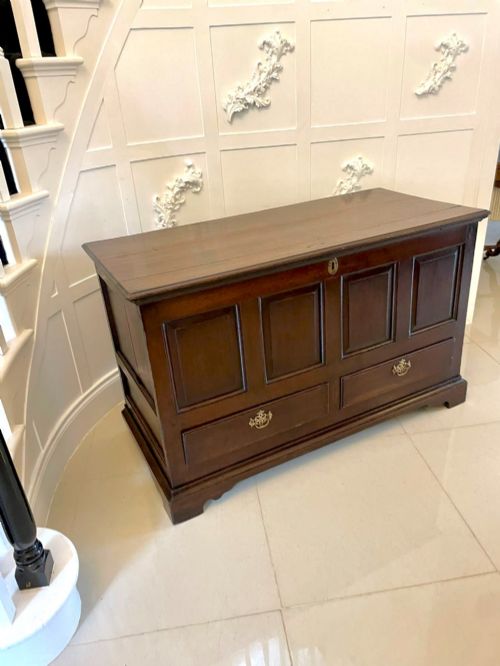
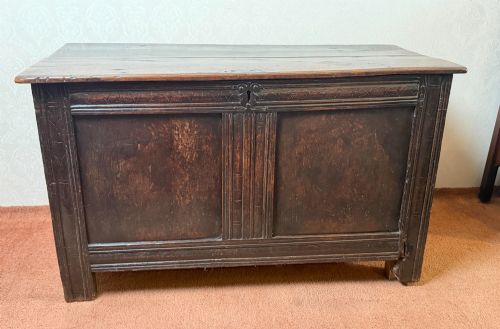
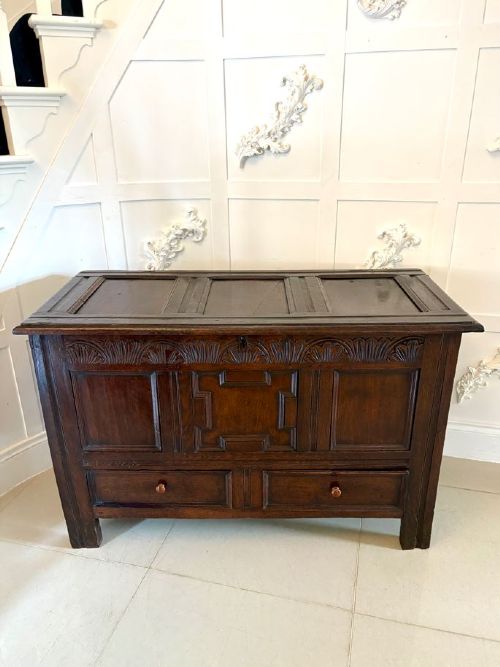
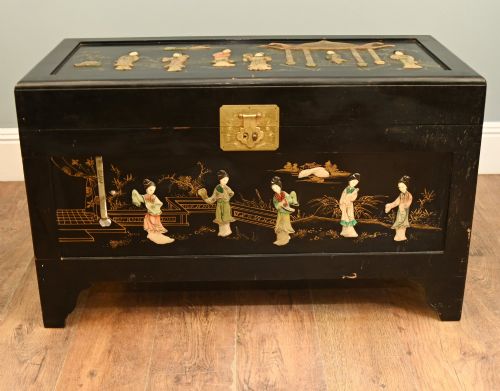
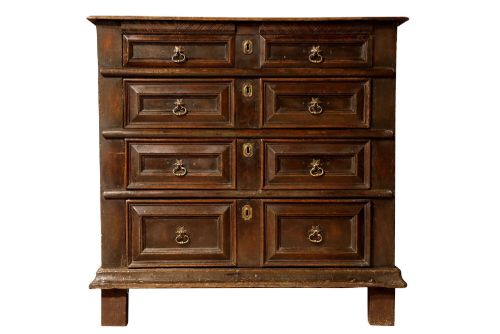
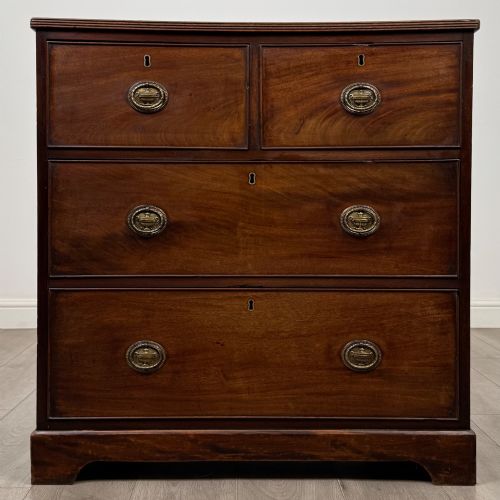
A period wood chest spans robust early joined furniture and refined later drawer forms designed for domestic storage. These items include heavy oak coffers, mule chests, and tall mahogany chests of drawers spanning several centuries.
Origins range across British, European, and Asian workshops, incorporating regional timbers like olive wood, yew, walnut, and kingwood. Each example reflects the distinct domestic needs and aesthetic priorities of its specific era.
Construction and Materials
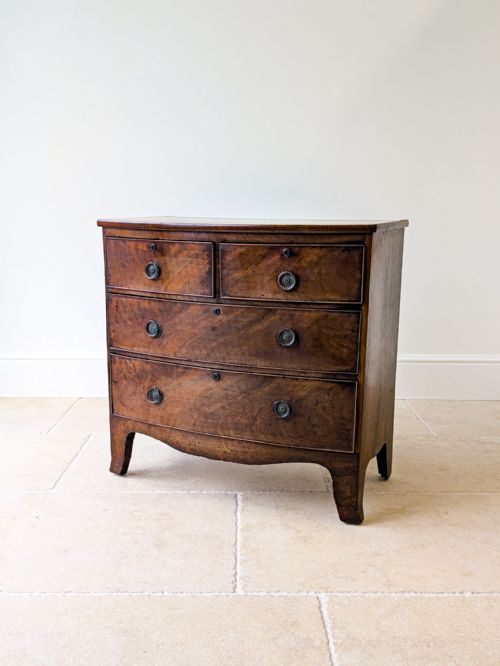
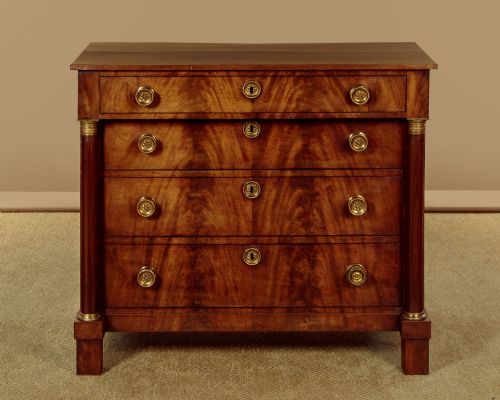
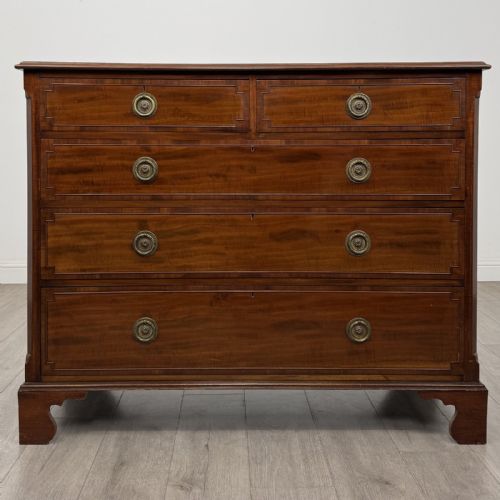
Cabinet makers utilised dense native hardwoods such as oak, elm, and walnut for early joined coffers, relying on pegged mortise and tenon frames. Later Georgian and Regency pieces demonstrate advanced cabinet work through finely figured mahogany veneers, satinwood banding, and dovetailed drawer construction.
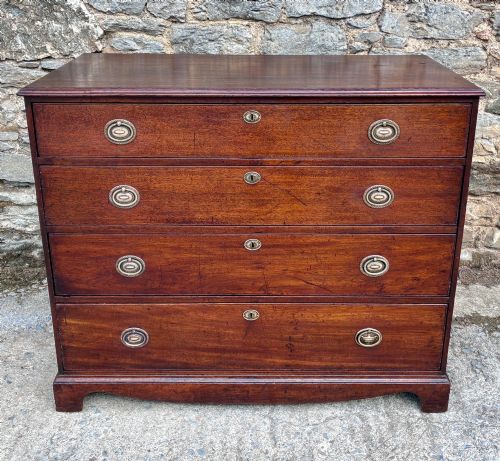
Metalwork plays a functional and decorative role, with brass handles, escutcheons, and iron strap hinges securing lids and drawers. Surface finishes vary from waxed natural grain to polished lacquer and decorative marquetry inlay.
Listings feature solid oak, mahogany, walnut, elm, and exotic lacquer surfaces spanning from the 17th century through the 1920s.
Judging Quality
Quality rests on the integrity of the timber selection and the precision of the joinery, distinguishing heavy utilitarian containers from elite parlour furniture. Superior examples display well-figured grain matching, crisp carved details, and original hardware.
Proportion and untouched surfaces separate exceptional items from heavily altered ones. Pieces retaining their original feet, bracket supports, and interior fittings command greater attention from discerning collectors.
The Period Wood Chest Glossary
- Cofer
- A large timber box with a hinged lid used originally for storing valuables, linens, and documents before the widespread adoption of drawer chests.
- Mule chest
- A storage box featuring one or more drawers built into the base beneath the main lift-top compartment.
- Bracket foot
- A structural support projecting beneath the corners of a case piece, shaped in a simple curve or mitred profile typical of 18th century design.
- Dovetail
- An interlocking joint formed by interlocking wedge-shaped fingers, used extensively to join drawer sides securely.
- Linen press
- A tall vertical cabinet enclosing sliding trays for textiles above a configuration of lower storage drawers.
Period Wood Chest: Frequently Asked Questions
How do I date an old wooden chest?
Dating relies on examining construction techniques, timber species, and stylistic details visible on the piece. Early examples from the 17th century typically show hand- cleft oak and pegged joints, whereas 18th-century pieces incorporate sophisticated dovetailing and mahogany.
Hardware styles, secondary woods inside drawers, and overall proportions also offer reliable clues to the decade of manufacture.
What is the difference between a coffer and a chest of drawers?
A coffer is a traditional storage box accessed via a hinged lid on the top, designed primarily for bulky household goods and textiles. A chest of drawers arranges sliding horizontal compartments stacked vertically for organised apparel storage.
Mule chests bridge this distinction by combining a top-opening lid with integrated drawers underneath.
How should I care for antique timber furniture?
Maintaining antique wood requires stable indoor humidity and protection from direct sunlight to prevent timber shrinkage and veneer lifting. Regular application of traditional beeswax nourishes the grain and preserves the historic surface finish.
Avoid placing damp items or heavy heat sources directly onto historic wooden surfaces.
Can I use an antique chest in a modern bedroom?
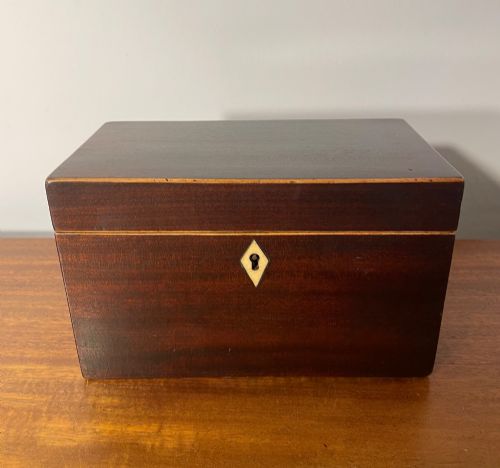
These timber pieces provide robust storage that suits contemporary domestic spaces while introducing rich texture and historic character. Chests of drawers function practically for clothing storage, while smaller boxes and coffers serve as bedside tables or hallway focal points.
Their versatile proportions allow them to sit comfortably alongside minimalist or eclectic modern interior schemes.