

Period Wood Carving
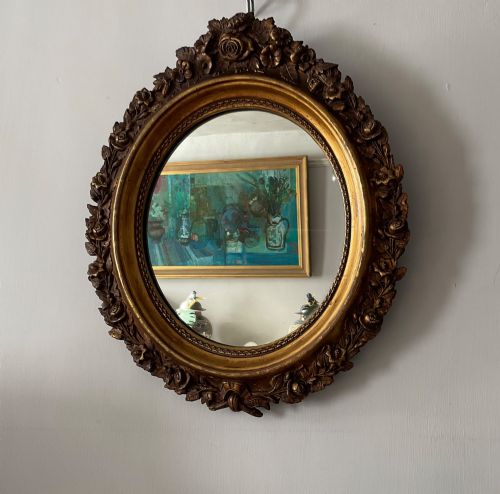
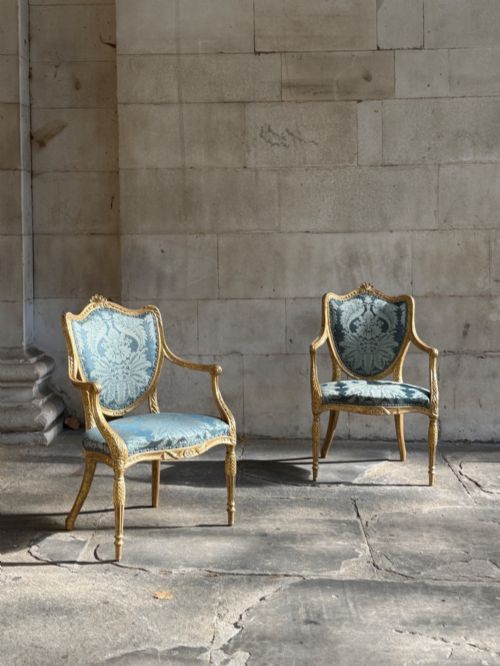
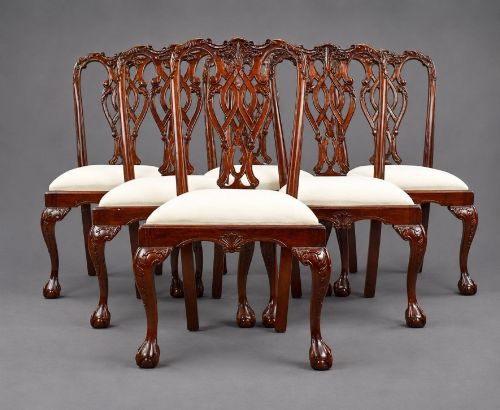
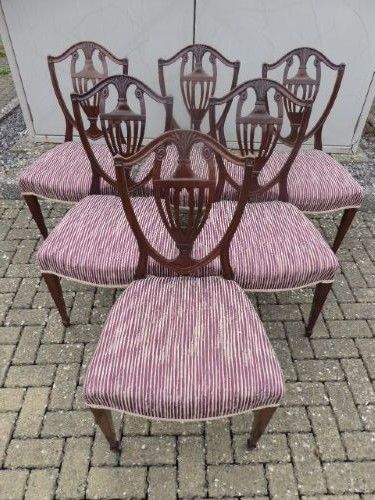
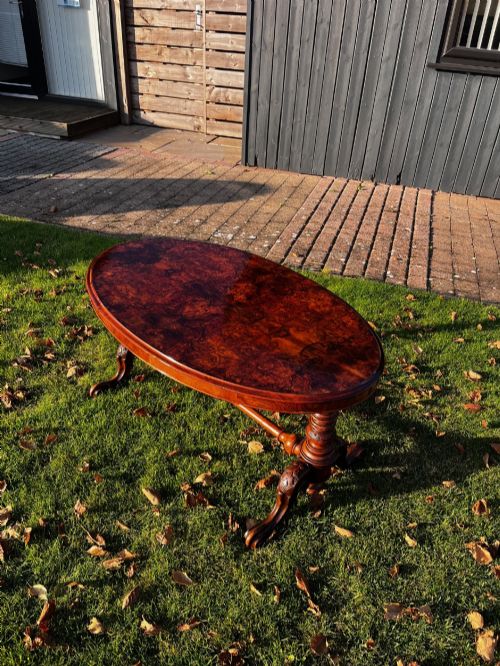
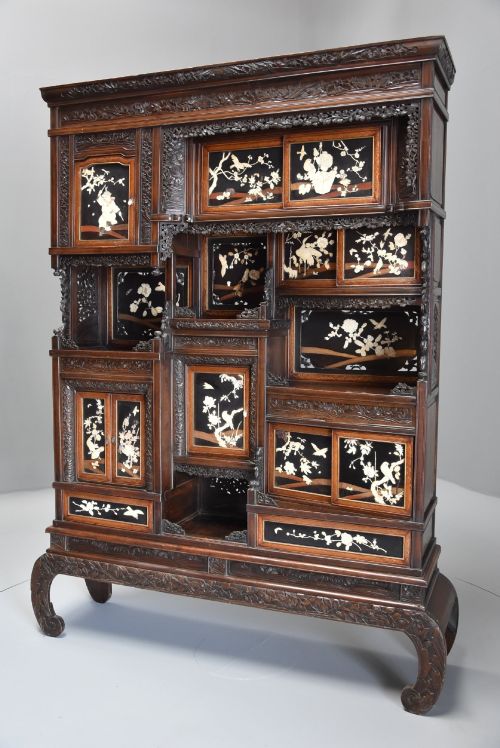
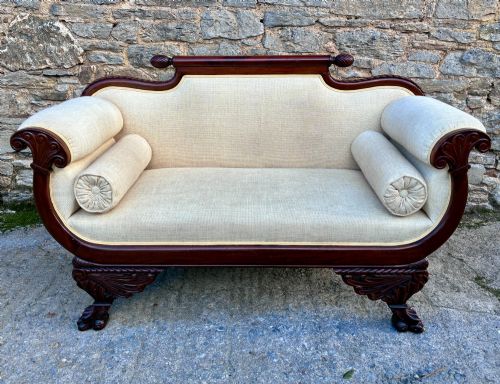
Period wood carving encompasses centuries of craftsmanship, presenting solid oak panels, giltwood mirrors, and rosewood dining chairs shaped by hand.
Period Wood Carving
When you search for period wood carving, you encounter furniture and decorative objects where timber receives deliberate sculptural treatment. The listings here contain functional household forms carrying hand-worked ornament.
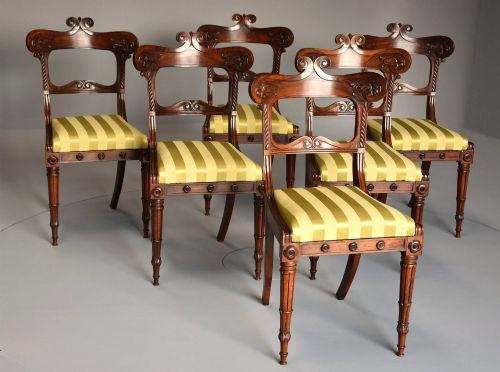
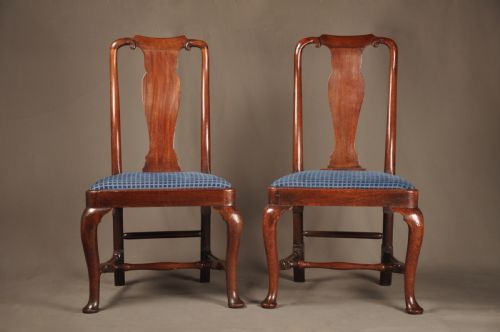
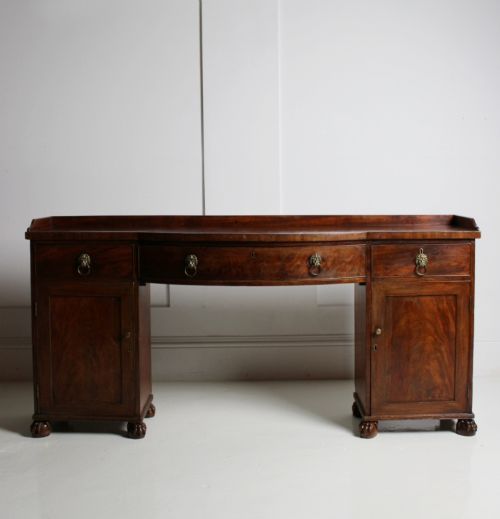
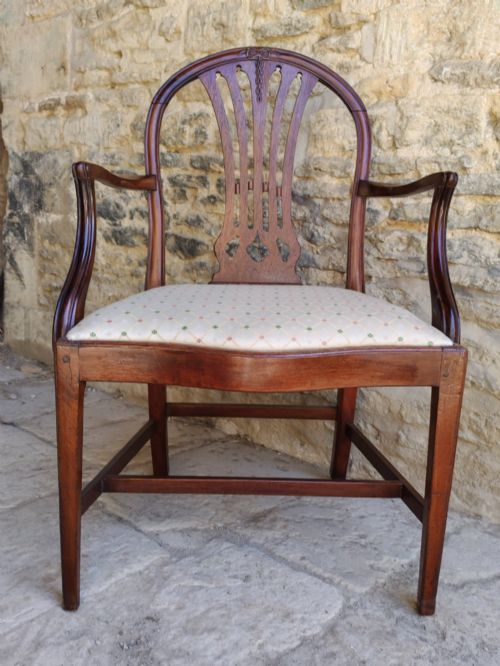
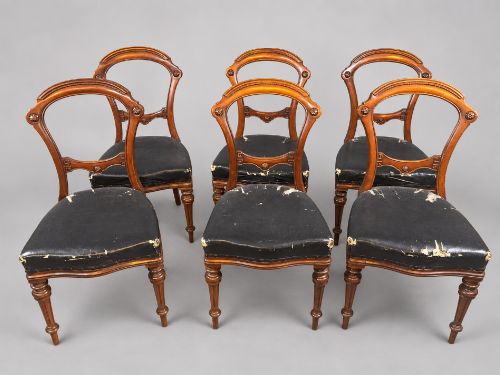
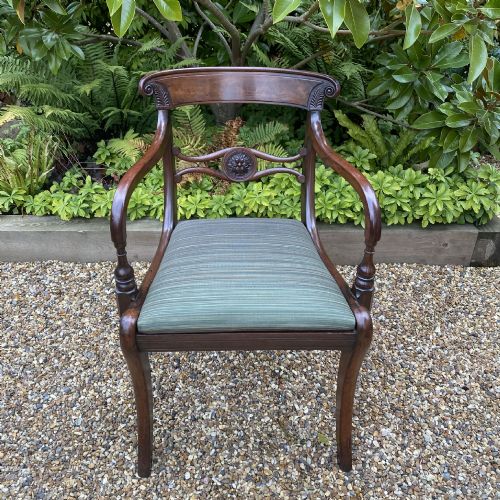
Dining chairs, wall mirrors, side tables, and coffers dominate the selection. These pieces originate across the seventeenth, eighteenth, and nineteenth centuries, taking shape within Georgian, Regency, and Victorian aesthetics.
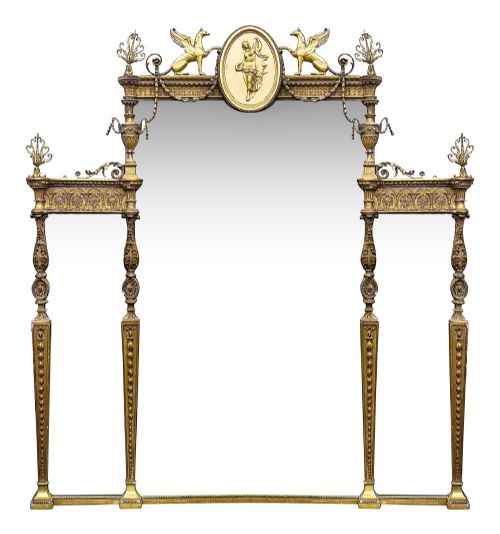
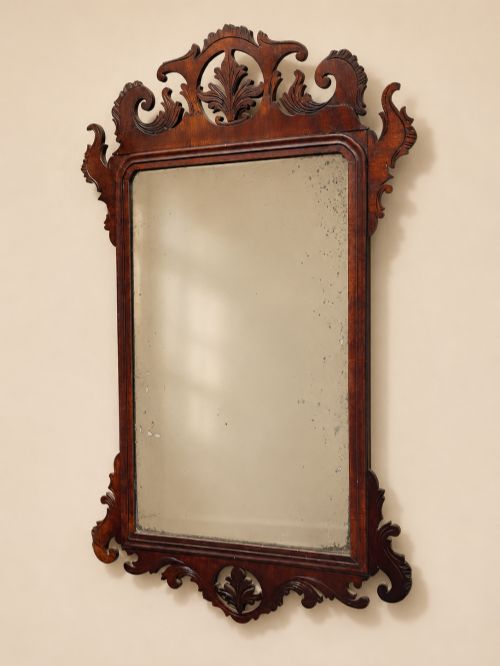
The most common items meeting this search are seating and mirrors with carved frames or panels. Oak and mahogany serve as the primary structural vehicles for this handwork across English and European workshops.
How They Were Made
Craftsmen shaped these objects using dense hardwoods like oak, mahogany, walnut, and rosewood, applying hand chisels and gouges directly to the solid timber. This subtractive process required deep understanding of grain direction to prevent splitting during intricate execution.
Giltwood and gesso pieces involved carving the wooden substrate first before applying layers of composition material and gold leaf. Cabinetmakers and carvers worked in tandem, joining structural carcases with mortise and tenon joints before surface ornament was finished.
Period Wood Carving Retail Price Guide 2026
Typical asking prices for period wood carving among the pieces listed under this phrase on Sellingantiques today, from the lower quarter to the upper quarter. They describe what is for sale here now, not the wider market.
Seating options range from seventeenth-century correction chairs to setts of Victorian balloon back dining chairs.
What Varies in Quality
The crispness of the carving separates exceptional examples from ordinary ones. Depth and undercut details show the carver's confidence, whereas shallow, rounded cuts suggest hurried production.
The choice of timber and the integration of the carving into the overall architecture matter significantly. Superior pieces treat the ornament as an organic extension of the furniture form rather than an applied afterthought.
D.J. McLauchlan·Trajan Hughes
The Period Wood Carving Glossary
- Giltwood
- Wood that has been coated with gold leaf. This finish appears frequently on eighteenth-century mirrors and nineteenth-century armchairs.
- Gesso
- A plaster-like mixture applied to wood surfaces to create a smooth base for gilding. It allows for sharp relief moulding beneath gold leaf.
- Coffer
- A large wooden chest used for storage, often constructed from heavy oak. Early examples feature hand-carved panels on the front elevation.
- Gonçalo Alves
- A dense tropical hardwood utilised in Regency furniture. Its distinctive figuring complements refined cabinetwork and turned details.
- Pelmet
- A wooden architectural framing piece placed above a window or bed. Carved versions appeared during the Regency period.
Period Wood Carving: Frequently Asked Questions
How do I clean carved wooden furniture?
Dust regularly with a dry, soft bristle brush to reach inside carved crevices. Avoid liquid polishes that build up in the recessed areas over time.
Feed dry timbers occasionally with a conservative application of microcrystalline wax. This protects the surface without softening the historic finish.
Can I use antique dining chairs daily?
Solid mahogany and rosewood dining chairs from the Georgian and Victorian eras were built for permanent utility. Their pegged joints withstand normal sitting when checked periodically.
Ensure weight is distributed evenly and avoid dragging chairs across unlevel floors. Proper maintenance keeps these structural joints sound for continuous use.
How do I identify seventeenth-century oak?
Early oak displays distinctive medullary rays, visible as silver flecks across the grain from quarter-sawing. Surface patination develops a deep, dark warmth through centuries of exposure.
Construction methods on seventeenth-century pieces rely heavily on hand-cut tenons secured with wooden pegs. Machine-cut elements or modern fixings indicate later alterations.
Where should I place a giltwood mirror?
Position gilt mirrors away from direct sunlight and excessive moisture to protect the delicate gold leaf and gesso layers. Wall fixings must bear the substantial weight of the solid wooden frame.
Pairing a carved mirror above a side table or mantelpiece creates a traditional focal point. Ensure the hanging brackets engage securely with wall studs.