

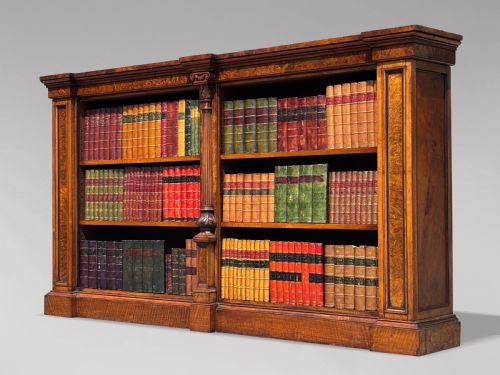


Period Walnut Bookcase
A period walnut bookcase brings rich warmth and deep grain into a room, offering timeless storage for a serious collection.
Period Walnut Bookcase
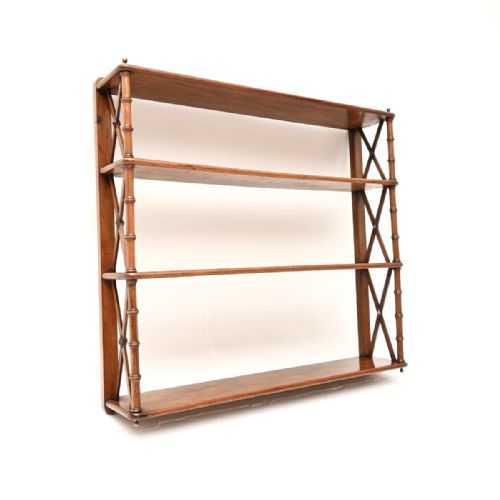
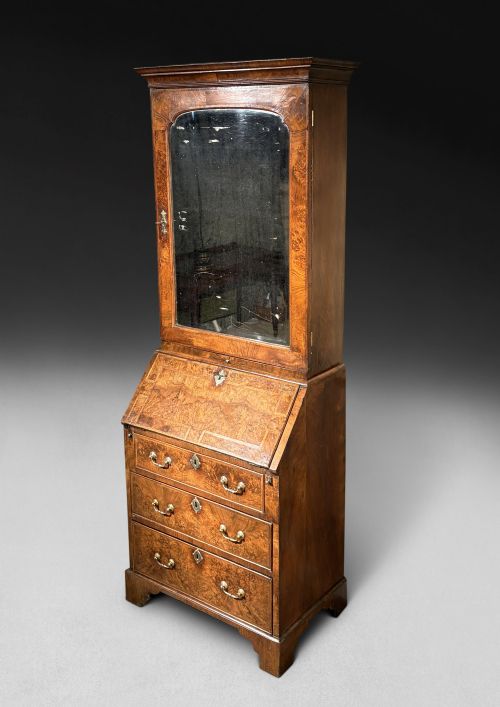
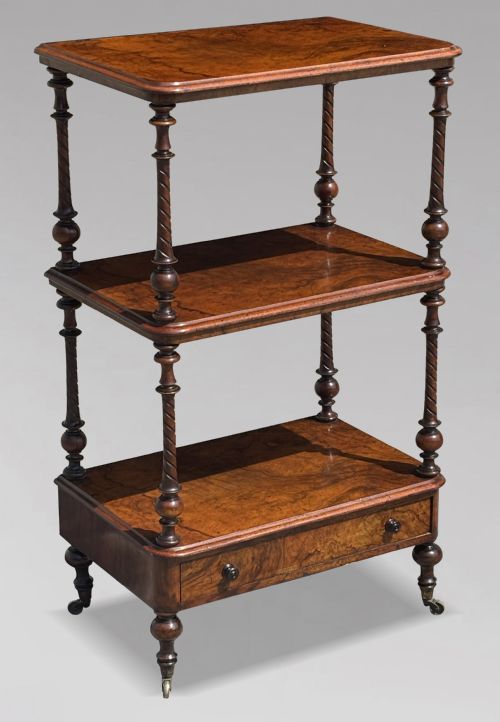
A period walnut bookcase appears in several distinct forms across our current listings, most notably as bureau bookcases, low open bookcases, and wall mounting pieces. These items span periods from William & Mary and Queen Anne through to George I, Regency, William IV, and Victorian times.
Originating predominantly from English workshops, these pieces showcase the evolving tastes in domestic storage from 1700 through the nineteenth century. Buyers encounter everything from tall eighteenth-century double-dome units to compact nineteenth-century low open alternatives.
Materials and construction methods
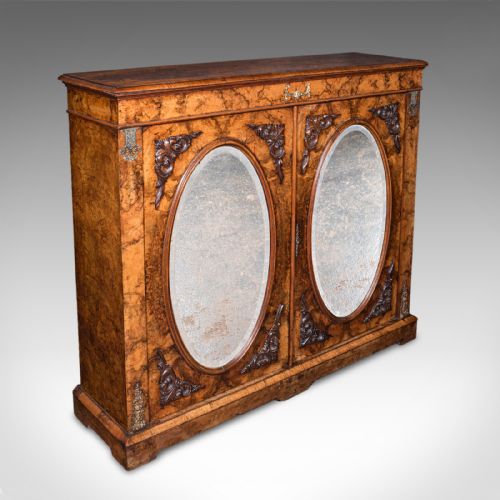
Cabinet makers utilised walnut and burr walnut veneer over secondary woods such as oak, creating striking figured surfaces on the primary elevations. Ormolu mounts, brass hardware, and mirror glass feature on select examples to accent the timber.
The application of burr walnut veneer required immense skill to match grain patterns across drawer fronts and fall fronts. Secondary timbers like oak provide structural stability behind the decorative walnut facades.
Period Walnut Bookcase Retail Price Guide 2026
Typical asking prices for period walnut bookcase among the pieces listed under this phrase on Sellingantiques today, from the lower quarter to the upper quarter. They describe what is for sale here now, not the wider market.
Listings feature walnut, burr walnut veneer, oak, brass, ormolu, and mirror glass across pieces spanning the 1700s to the Victorian era.
Judging quality and character
Quality rests in the depth of the timber's figure and the preservation of original surfaces, such as early patina on Queen Anne and George I examples. Finer pieces maintain their original mirrored doors and brass fitments without extensive timber replacement.
Proportion and architectural harmony dictate the distinction between standard items and exceptional workshop output. Early eighteenth-century bureau bookcases with untouched internal fittings command greater regard than later alterations.
The Period Walnut Bookcase Glossary
- Burr walnut
- A wood harvested from walnut tree growths that yields intricate, swirling grain patterns. Cabinet makers prized this timber for high-status veneer work.
- Bureau bookcase
- A dual-purpose form combining a sloping fall-front desk compartment with upper shelving. These pieces often feature numerous internal pigeonholes and small drawers.
- Ormolu
- Gilded bronze ornamentation applied to furniture. This decorative detail appears on select refined pieces.
- Patina
- The surface sheen and coloration developed through age and handling. Original patination indicates a piece has retained its historical finish.
Period Walnut Bookcase: Frequently Asked Questions
How do I date a walnut bookcase?
Dating relies upon examining the construction techniques, hardware, and secondary timbers used in the carcass. Stylistic markers from periods like Queen Anne or Regency provide clear chronological bounds.
Changes in door configuration, foot design, and veneer thickness further help distinguish early eighteenth-century pieces from nineteenth-century revivals.
What is a bureau bookcase?
A bureau bookcase is a combined desk and shelving unit featuring a fold-down writing flap. The upper section typically holds books behind wooden or mirrored doors.
Inside the bureau portion, small drawers and pigeonholes organise correspondence and writing implements.
How should I care for antique walnut?
Antique walnut requires stable indoor humidity and protection from direct sunlight to prevent veneer drying. Regular dusting with a soft, dry cloth preserves the finish.
Avoid modern silicone polishes, relying instead on traditional microcrystalline waxes when the surface needs nourishment.
Are mirrored doors original on early pieces?
Mirrored doors on early eighteenth-century pieces are bevelled plate glass held within panelled frames. Examining the glass backing and rebate construction reveals whether the mirrors are contemporary to the cabinet.
Replacements often show modern bevelling techniques and cleaner glass without historical bubble distortions.