
Period Victorian Chairs
Period victorian chairs combine robust timber framing with distinctive carved backs, offering practical seating suited to both traditional dining spaces and contemporary interiors.
Period Victorian Chairs
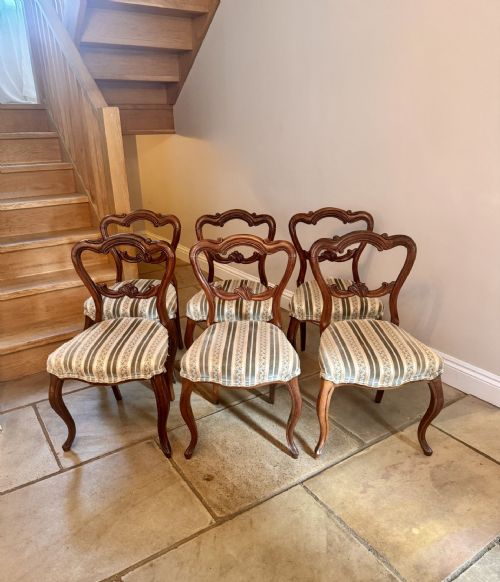
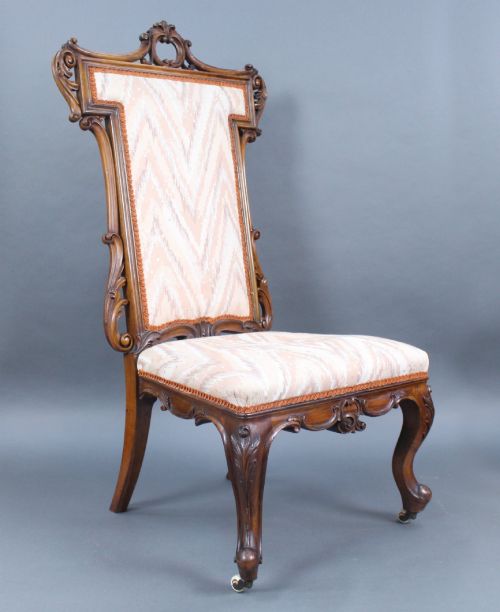
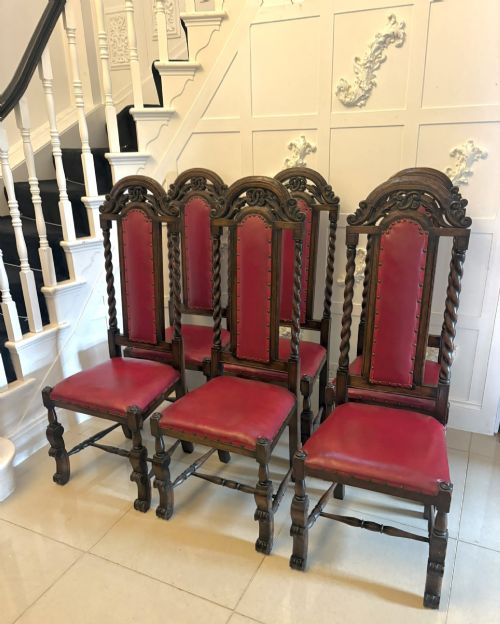
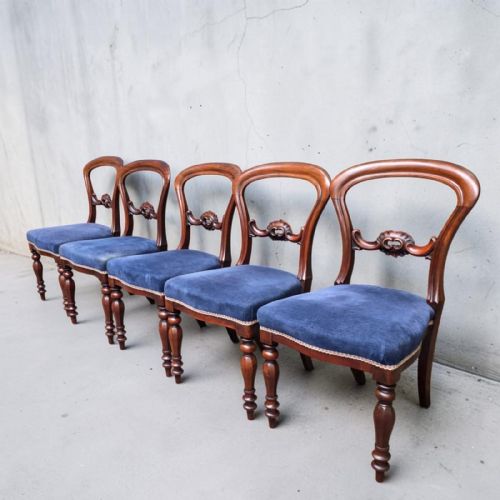
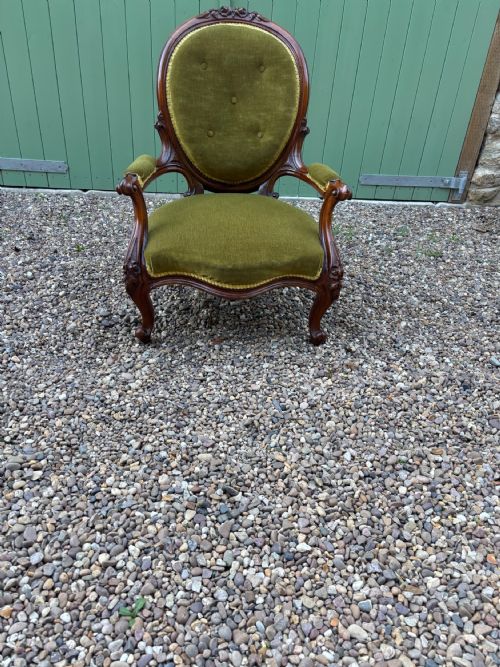
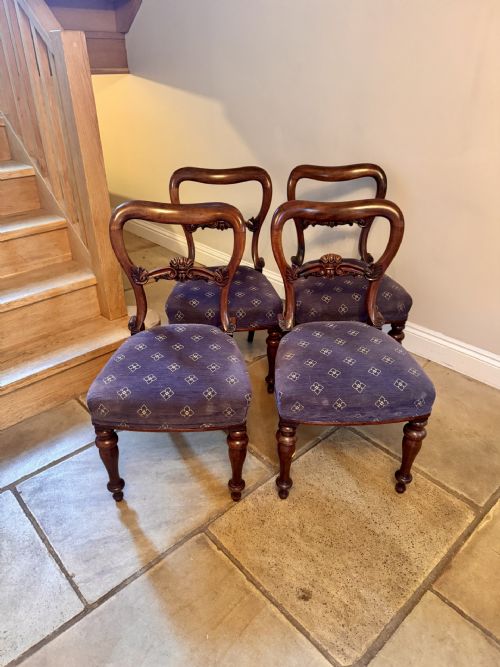
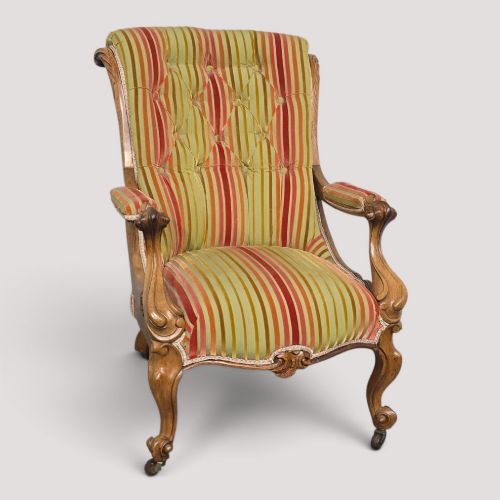
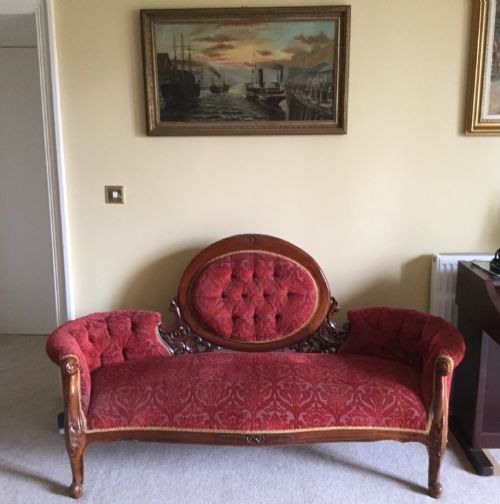
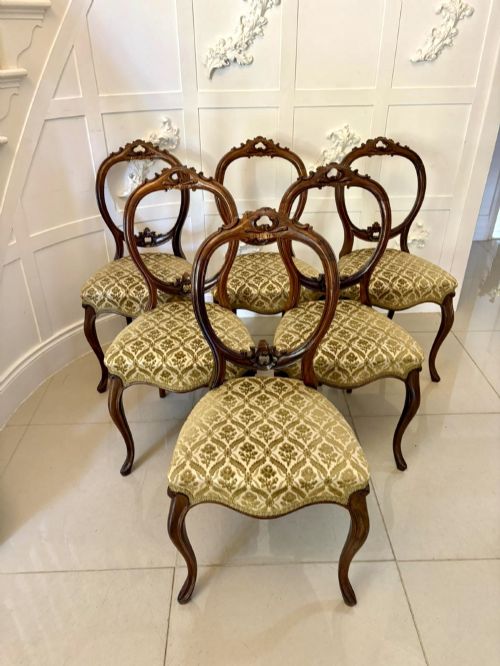
Period victorian chairs comprise a wide variety of seating forms, ranging from balloon back dining sets to library armchairs and nursing chairs. Buyers seeking these items will frequently encounter mahogany and walnut timber structures shaped during the nineteenth century.
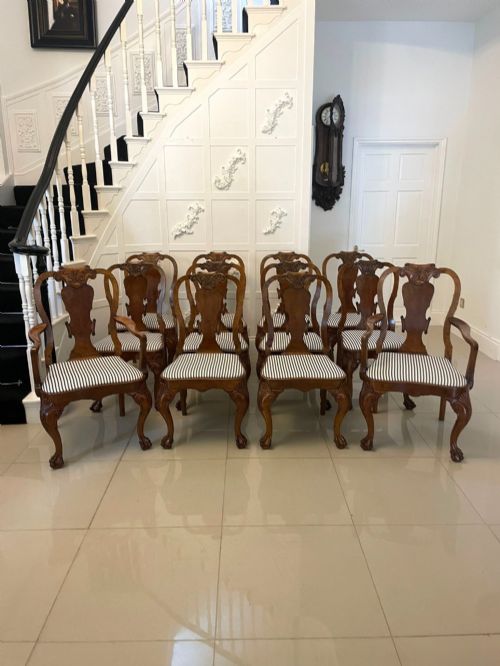
The selection includes matched sets for dining tables alongside single armchairs and pairs designed for drawing rooms or bedrooms. Regional variations, such as Scottish and Irish craftsmanship, appear regularly alongside English examples.
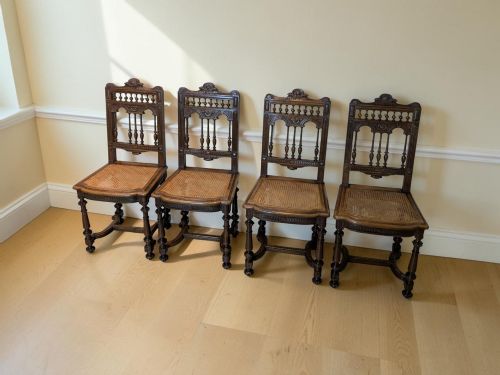
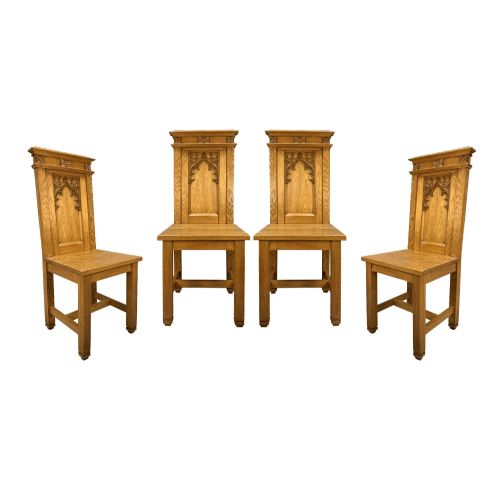
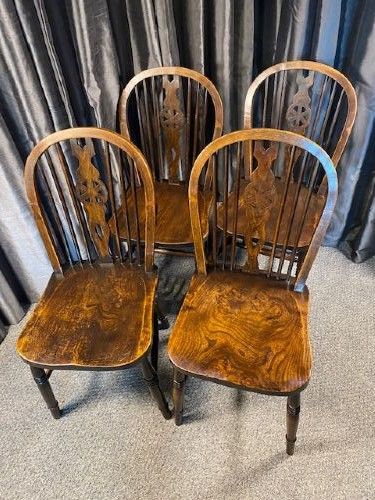
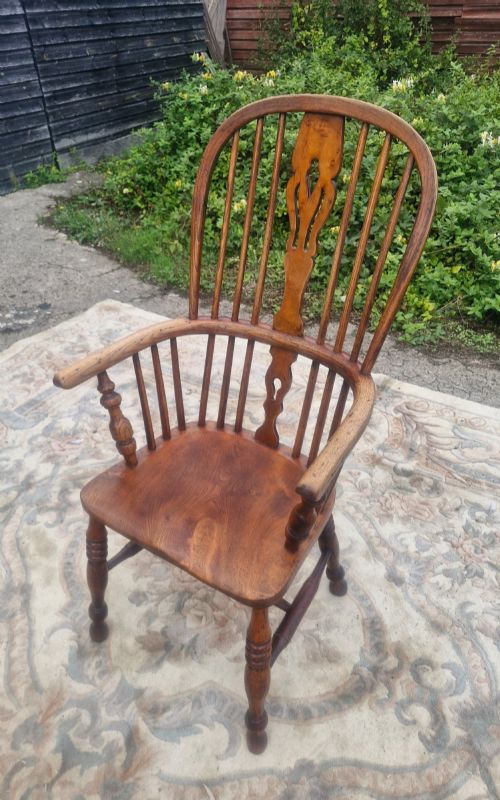
Styles span from early balloon backs to later aesthetic movement and revival designs including Chippendale and Hepplewhite influences. Occasional pieces such as lathback kitchen chairs and spindle-backed desk chairs provide alternative formats.
Materials and construction methods
Makers utilised dense hardwoods, predominantly mahogany and walnut, alongside oak and occasional rosewood for high-status frames. Timber was frequently carved with scrollwork, cabriole legs, or spider web motifs.
Upholstery techniques involved traditional stuffing secured over sprung seats or webbing, finished in fabrics ranging from leather and velvet to patterned brocade and tapestry.
Listings feature robust nineteenth-century timbers including mahogany, walnut, oak, and rosewood, paired with textiles such as leather, velvet, and tapestry.
Distinctions in manufacture and finish
The distinction between standard examples and finer pieces lies in the crispness of the hand-carving and the selection of figured wood veneers like burr walnut. Subtleties in the proportions of the balloon back or scroll arms indicate the tier of the workshop.
Originality of components, including intact upholstery foundations and matching timber grains across large sets, elevates the standing of individual chairs.
Gillows·Strahan
The Period Victorian Chairs Glossary
- Balloon back
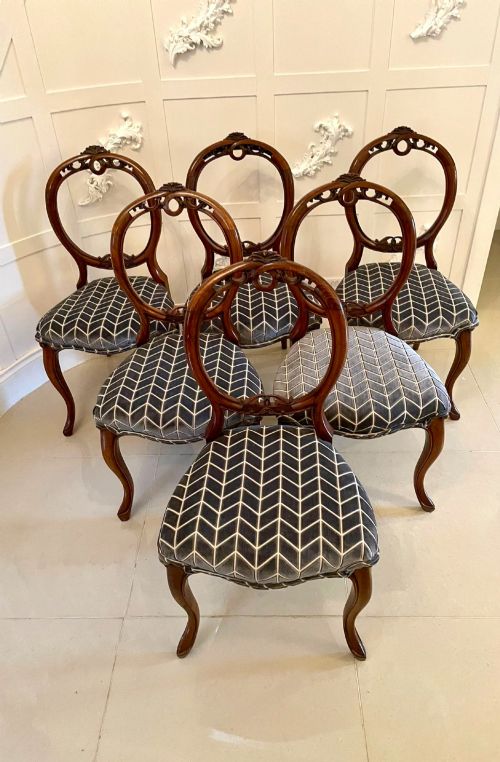
- A rounded, oval-shaped wooden chair back that curves outward, popular during the mid-nineteenth century.
- Carver chair
- An armchair designed to match a set of dining side chairs, traditionally used by the head of the table.
- Cabriole leg
- A furniture leg featuring a double curve, swaying outward at the knee and inward at the ankle, often terminating in a scroll or pad foot.
- Aesthetic Movement
- A late nineteenth-century design style focusing on visual beauty and artistic reform, often incorporating ebonised finishes.
- Spindle back
- A chair back constructed from vertical turned wooden rods arranged in a uniform row.
Period Victorian Chairs: Frequently Asked Questions
How do I care for antique wood chairs?
Maintain timber frames by dusting regularly with a soft cloth and applying a microcrystalline wax periodically to nourish the surface. Keep seating away from direct heat sources and strong sunlight to prevent timber splitting and fading.
Check joints occasionally for stability and avoid using harsh chemical sprays or abrasive cleaners on polished wood or antique upholstery fabrics.
Can I use period chairs for daily dining?
Most nineteenth-century dining chairs were constructed from sturdy hardwoods like mahogany and oak, making them entirely suitable for regular use. Ensuring that the underframe and joints remain firm will protect the structural integrity.
Sets with original sprung bases or modern re-upholstery provide comfortable support for everyday meals while retaining their historical character.
How do I distinguish early from late Victorian chairs?
Early examples often display simpler lines with influence from the preceding Regency and Georgian periods, featuring restrained carving and robust proportions. Walnut and mahogany were the primary timbers utilised.
Later pieces from the aesthetic movement or late nineteenth century introduce ebonised finishes, geometric details, and lighter decorative carving styles that reflect shifting tastes.
What is the difference between a side chair and a carver?
Side chairs are armless and compact, designed primarily to be tucked neatly around a dining table or placed against a wall when not in use. They form the majority of standard dining sets.
Carvers feature integrated armrests and slightly wider proportions, traditionally placed at the head and foot of the dining table or utilised as standalone desk chairs.