






Period Vanity Table
A period vanity table brings timber grain and tilting glass together, turning a bedroom corner into a place for morning routine.
Period Vanity Table
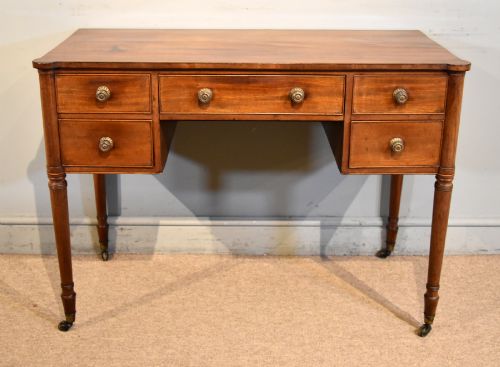
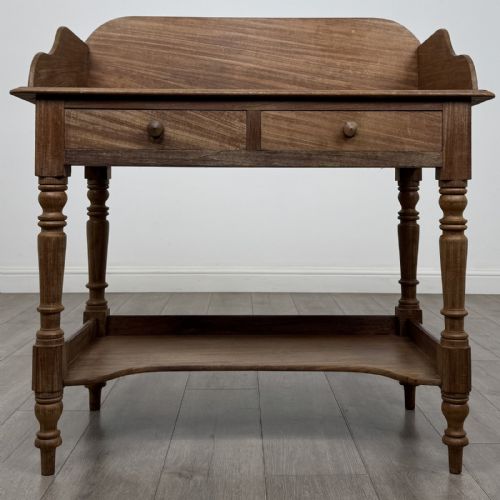
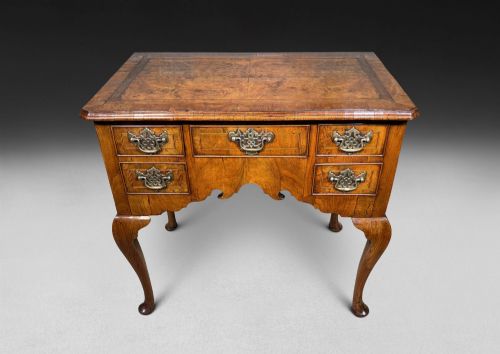
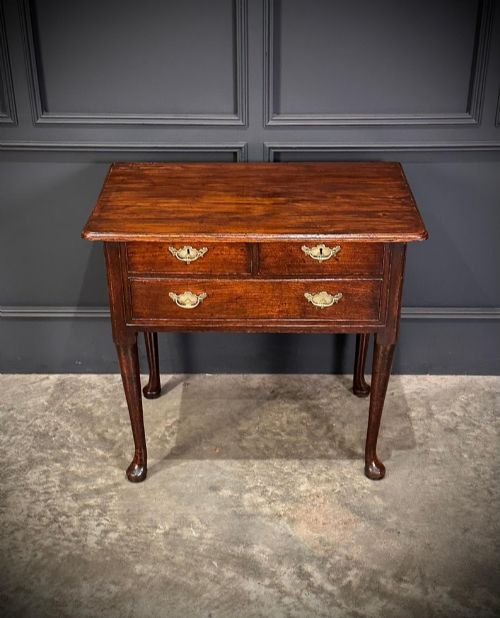
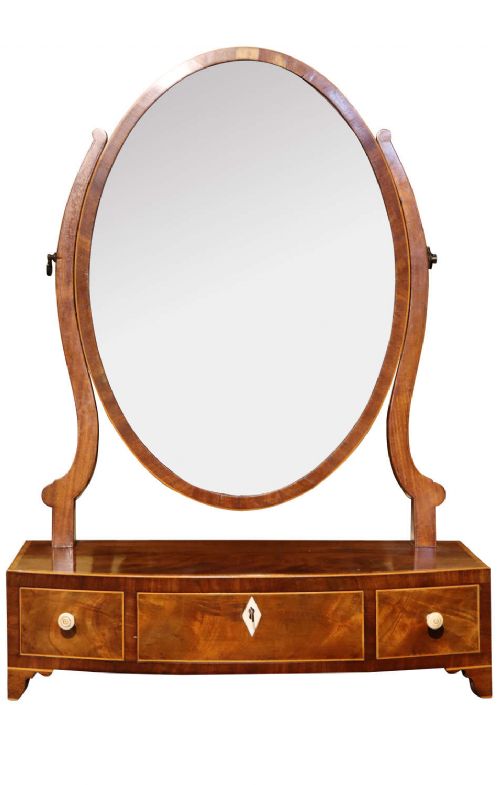
A period vanity table covers several forms in the evidence, from lowboys and kneehole dressing tables to smaller dressing mirrors designed to sit on top of another surface. You will frequently encounter Georgian and Regency examples alongside Victorian and Edwardian iterations.
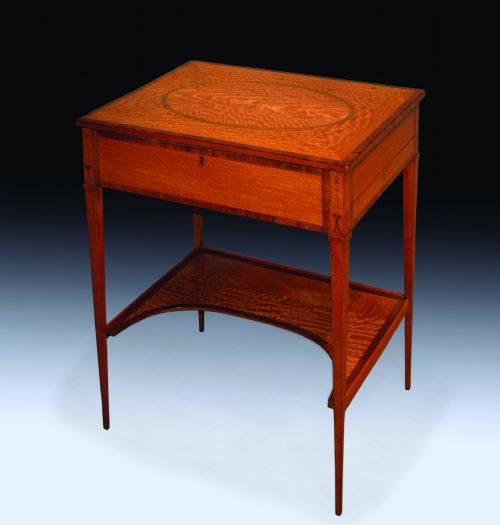
The materials span mahogany, walnut, oak and satinwood, occasionally paired with brass or bronze hardware and glass mirror plates. Some examples function as side tables or occasional tables that double as dressing furniture.
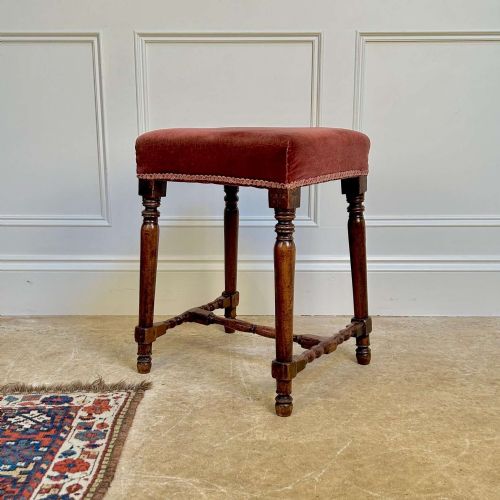
The selection ranges from larger freestanding chests with drawers to compact table mirrors and low stools meant to sit beneath the writing or dressing space.
How they were made
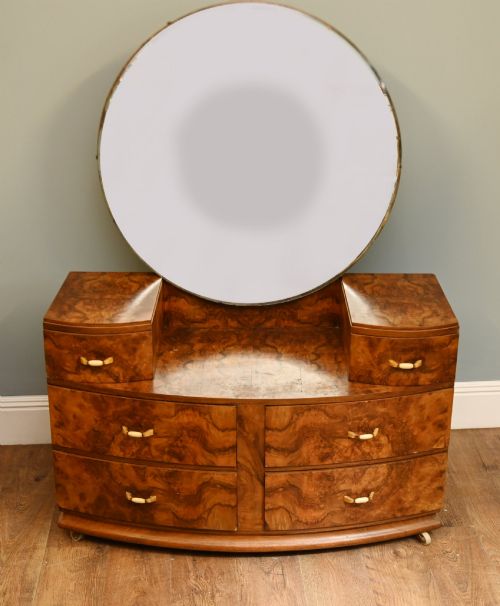
Cabinet makers utilised dense hardwoods like mahogany and walnut, frequently selecting figured or burr veneers to create pattern on drawer fronts and table tops. Crossbanding and inlay work added contrasting borders to satinwood and mahogany surfaces.
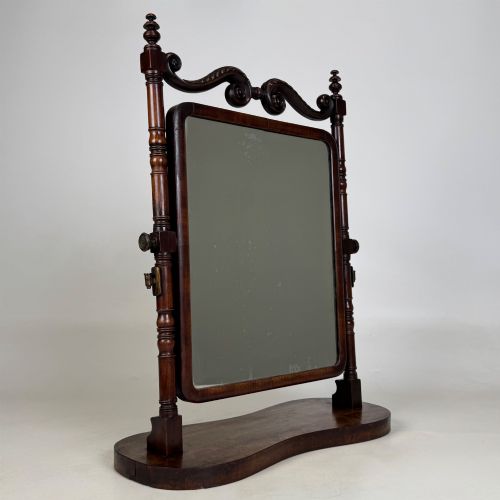
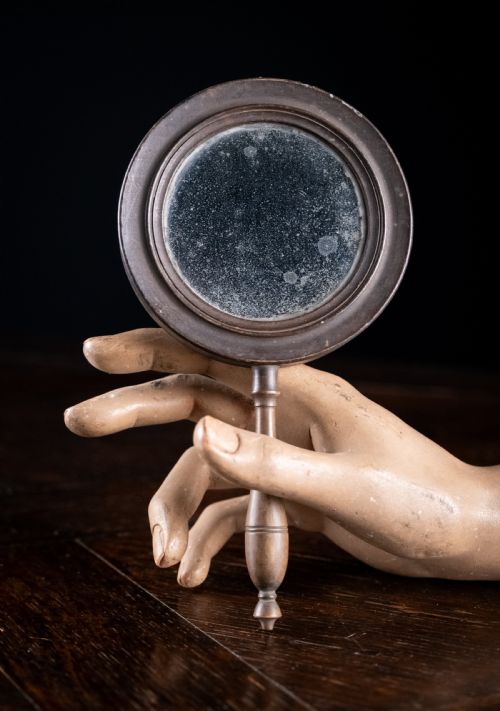
Mirrors relied on cast bronze, brass or carved wood frames, often incorporating adjustable pivots to tilt the glass plate. Joinery typically involved dovetail construction for drawers and secure tenon joints for table frames.
Period Vanity Table Retail Price Guide 2026
Typical asking prices for period vanity table among the pieces listed under this phrase on Sellingantiques today, from the lower quarter to the upper quarter. They describe what is for sale here now, not the wider market.
Listings feature mahogany, walnut, oak and satinwood alongside bronze, brass and glass across Georgian, Regency and Edwardian periods.
What varies in quality
The caliber of a period vanity table rests upon the selection of timber veneers, such as finely figured walnut or richly grained mahogany, and the crispness of any inlaid crossbanding. Subtlety in carved details and proportion distinguishes a master workshop from a provincial maker.
The retention of original mirror glass plates, brass handles and pivoting hardware elevates an item. Construction integrity in the drawer linings and smooth movement in the kneehole compartments also mark the upper tier of surviving examples.
The Period Vanity Table Glossary
- Lowboy
- A small kneehole table with drawers, commonly produced in walnut, oak or mahogany during the eighteenth century. It often served as a dressing table or side table.
- Toilet mirror
- A small mirror set into a wooden frame with a box base or upright supports, designed to stand upon a chest of drawers or dressing table.
- Crossbanding
- A decorative border of veneer laid around the perimeter of a table top or drawer front so the grain runs perpendicular to the central panel.
- Kneehole
- A recessed central space beneath a desk or dressing table designed to accommodate the user's legs while seated.
- Ormolu
- Gilded bronze mounts and decorative details applied to furniture and mirror frames, particularly common in French Empire pieces.
Period Vanity Table: Frequently Asked Questions
What is a lowboy used for?
A lowboy functions as a compact side table or a dressing table, equipped with a series of small drawers beneath the surface for personal items and cosmetics.
Its modest proportions allowed it to sit comfortably in bedrooms or dressing rooms throughout the eighteenth century.
How do I date a dressing mirror?
Dating relies on the construction of the mirror frame, the shape of the box base, and the method used for the pivoting side screws. Earlier examples feature simpler uprights and hand-cut dovetails in the small drawers.
Secondary woods used inside the carcass also provide clues to the period and region of manufacture.
Are these tables suitable for daily use?
Many period dressing tables and lowboys remain sturdy enough for regular use as writing desks or bedroom surfaces. Care should be taken with antique timber finishes when placing liquids or cosmetics on the polished wood.
Using protective mats preserves the original polish and patina of the surface.
What is the difference between a toilet mirror and a dressing mirror?
The terms are largely interchangeable in historical listings, both referring to portable mirrors designed to stand on a chest or table rather than hang on a wall.
Some incorporate small drawer bases for storage, while others consist purely of the glass frame and adjustable pivots.