

Period Timber Furniture
Period timber furniture encompasses centuries of craftsmanship, offering solid oak, mahogany, and walnut pieces designed for practical daily use.
Period Timber Furniture
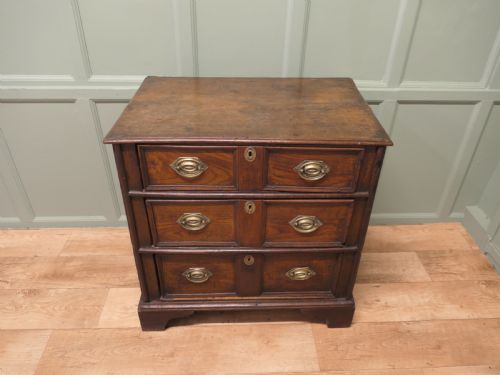
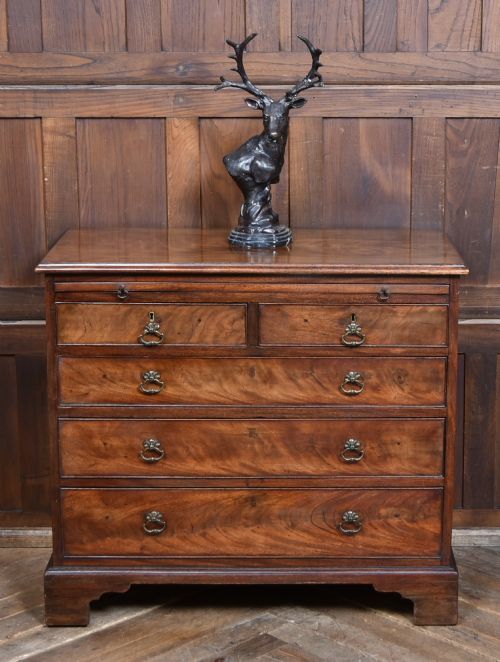
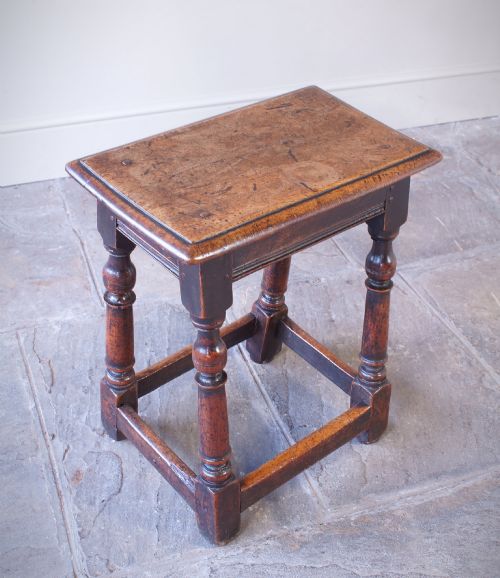
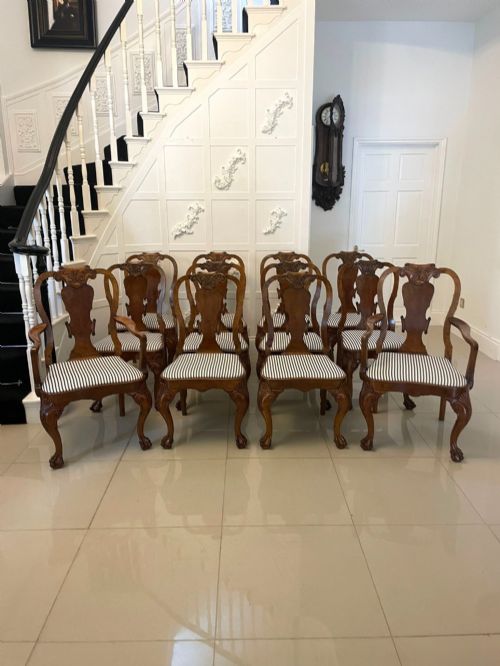
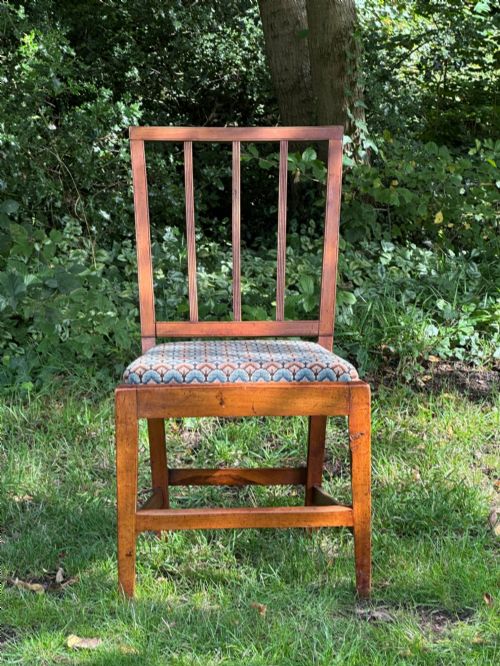
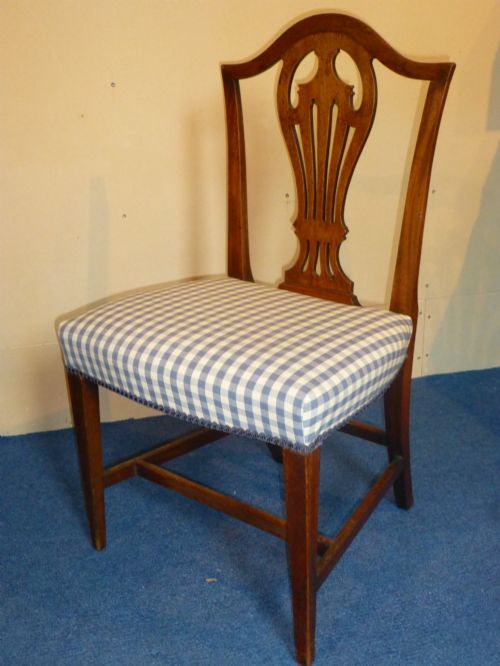
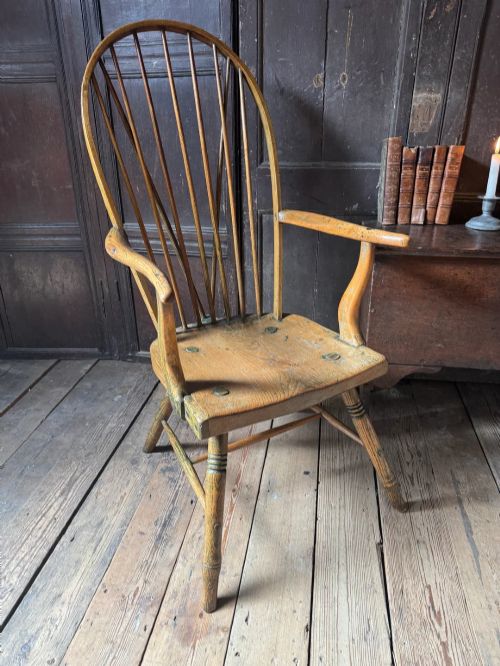
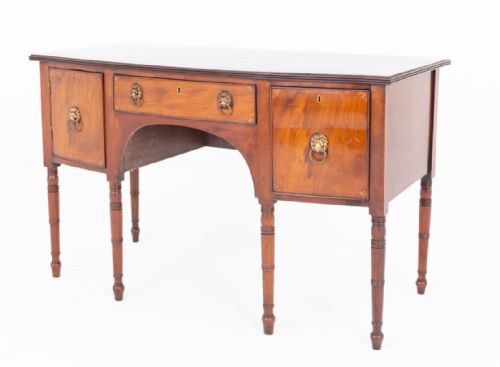
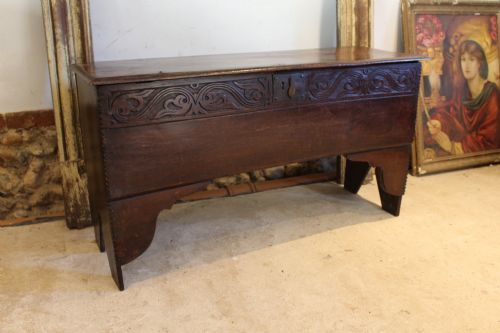
Period timber furniture covers items fashioned from woods such as oak, mahogany, walnut, elm, and fruitwood across centuries of history. When exploring period timber furniture, buyers encounter forms ranging from robust seventeenth-century joint stools and oak coffers to elegant eighteenth-century chests of drawers and Georgian sideboards.
Materials and techniques
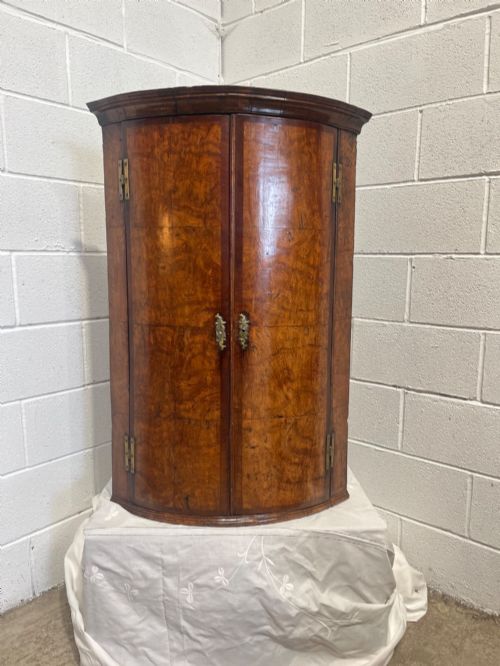
Cabinetmakers and joiners utilised native hardwoods like oak, elm, and ash alongside imported luxuries such as mahogany, walnut, and exotic veneers like amboyna and gonçalo alves. Construction relied heavily on traditional joinery methods, including dovetails for drawer boxes and mortise and tenon joints for structural frames.
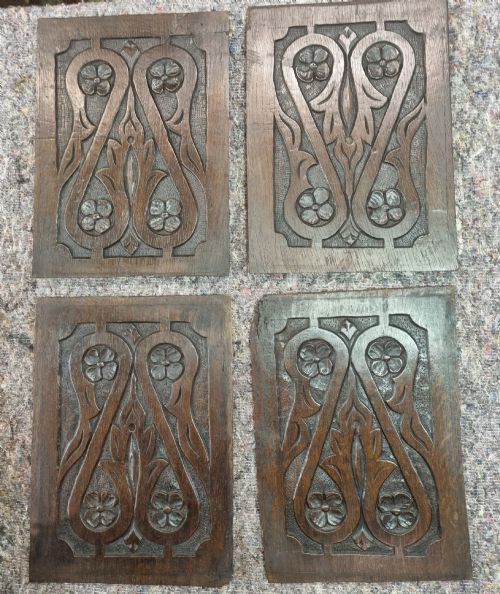
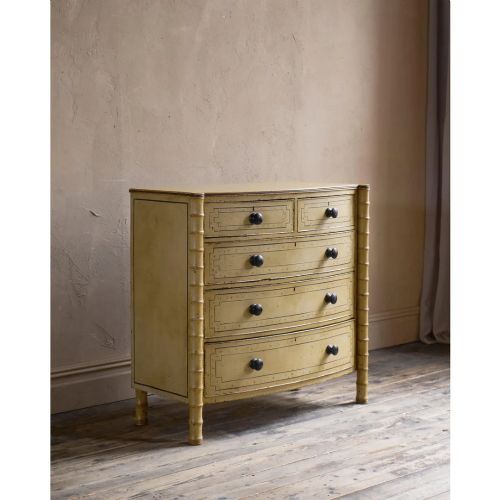
Surface treatments involved careful polishing, waxing, and occasionally painting or faux finishes such as faux bamboo. Carved details, turning, and figured wood veneers like burr elm, burr yew, and burr walnut added decorative contrast to structural timbers.
Period Timber Furniture Retail Price Guide 2026
Typical asking prices for period timber furniture among the pieces listed under this phrase on Sellingantiques today, from the lower quarter to the upper quarter. They describe what is for sale here now, not the wider market.
Variations in quality
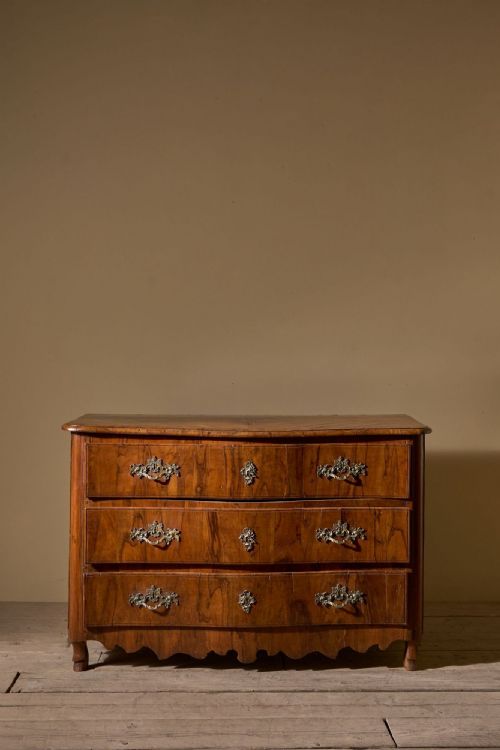
Quality rests upon the selection of timber, particularly the grain and figuring found in burr walnut, olive wood, and mahogany veneers. Superior pieces display thoughtful proportion, harmonious wood selection across panels, and restraint in carved or turned ornamentation.
The integrity of construction separates standard items from finer examples, visible in the precision of dovetailing and the retention of original surface patination. Untouched surfaces and period-appropriate hardware maintain the integrity of the piece, whereas heavy modern intervention diminishes the historic character.
The Period Timber Furniture Glossary
- Joint stool
- A sturdy, low wooden seat constructed with mortise and tenon joints rather than turned legs. These items served multi-purpose seating roles in early households.
- Coffer
- A large wooden chest used primarily for storage. Early examples often utilised six-plank construction joined with pegs.
- Commode
- A decorative low chest of drawers or cabinet developed in the eighteenth century. These pieces frequently showcased elaborate veneers and serpentine fronts.
- Burr wood
- Wood harvested from tree growths that produce complex, swirling grain patterns. Cabinetmakers sliced these sections into thin veneers for decorative surfaces.
- Lowboy
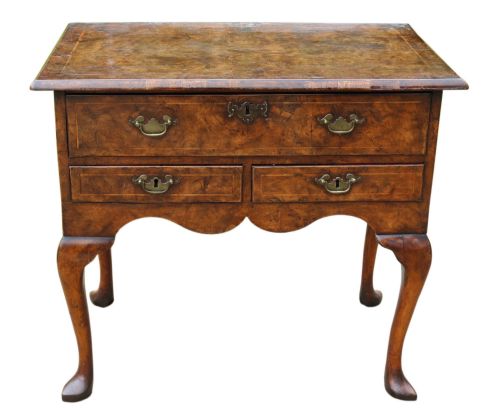
- A small table with drawers supported on legs, commonly utilised as a dressing table or side table during the eighteenth century.
Period Timber Furniture: Frequently Asked Questions
How do I identify a Georgian chest of drawers?
Georgian chests typically feature solid proportions, mahogany or oak construction, and hand-cut dovetails on the drawer sides. They rely on clean lines rather than excessive ornamentation.
Drawer linings often consist of secondary timbers like pine or oak, and brass handles generally reflect the period style of the hardware.
What is the difference between oak and mahogany pieces?
Oak furniture tends to date from earlier centuries, exhibiting a heavy, durable structure with prominent grain patterns. It forms the basis of seventeenth-century joined furniture and country pieces.
Mahogany became popular later in the eighteenth century, allowing for finer carving, reddish-brown tones, and sleek classical proportions favored in formal rooms.
How should I care for antique timber furniture?
Keep wooden pieces away from direct sunlight and heat sources to prevent the timber from drying out and splitting. Maintain a stable indoor environment.
Apply traditional beeswax periodically to nourish the surface and preserve the historic polish without using harsh modern chemical polishes.
What does joint stool mean?
A joint stool is an early form of wooden seating constructed by joiners using pegged mortise and tenon joints. They served as sturdy everyday seats before upholstered chairs became common.
Their robust frames allowed them to double as small tables when needed in domestic settings.