



Period Timber Carving
Period timber carving covers centuries of hand-worked oak, walnut, and hardwood panels, figures, and furniture designed to anchor a room with distinct historic weight.
Period Timber Carving
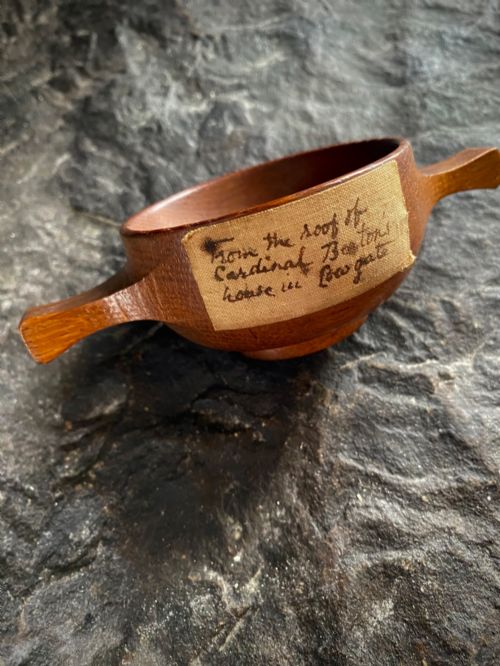
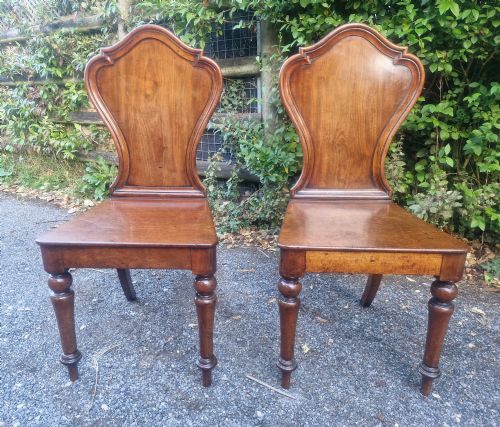
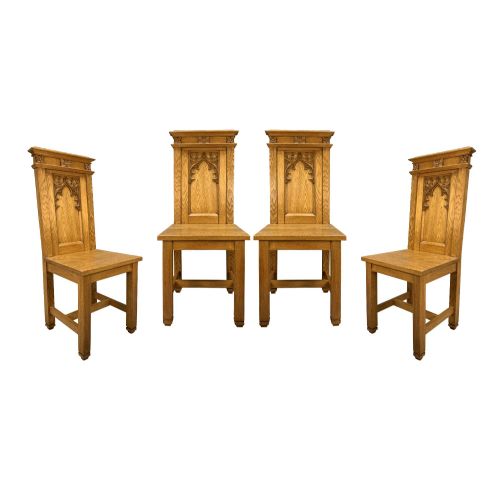
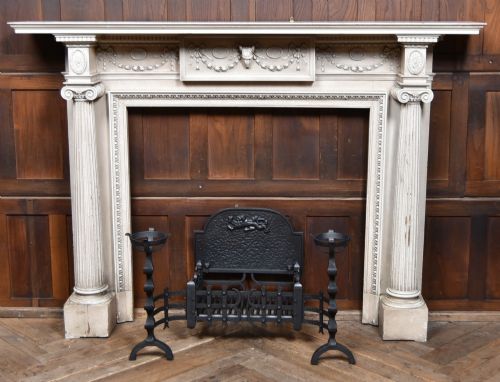
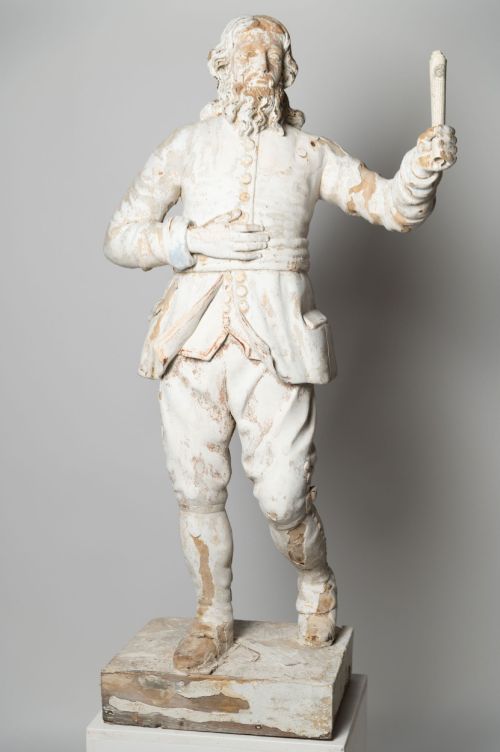
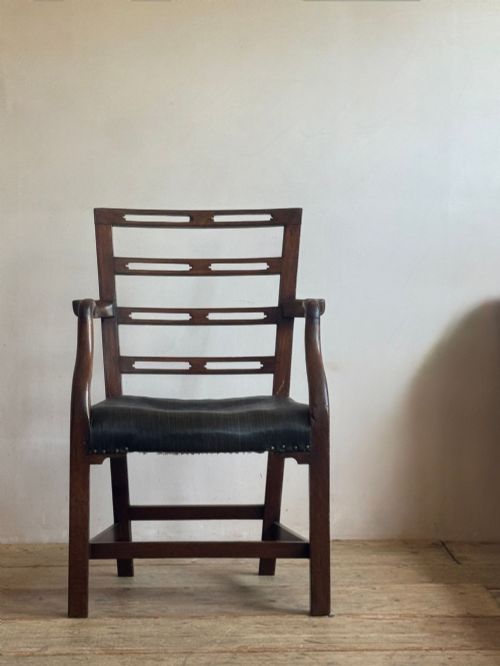
When a buyer explores period timber carving, they encounter functional furniture and decorative panels carrying hand-wrought ornament from past centuries. The items range from structural elements like fire surrounds and overdoor panels to seating, coffers, and freestanding figurative sculptures.
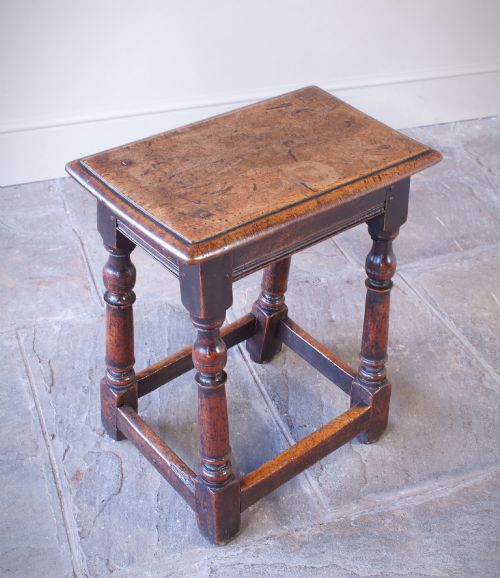
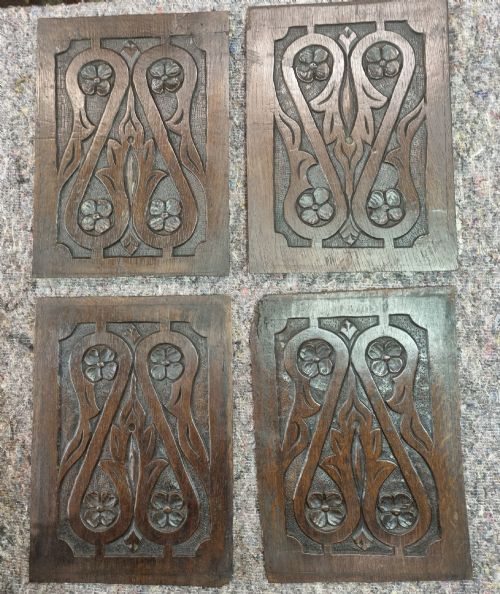
The selection on this page leans heavily toward English and European oak and walnut items from the seventeenth and eighteenth centuries, alongside nineteenth-century Asian carved hardwoods and regional seating. Joint stools, wall-hanging candle boxes, panel sets, and cupboards dominate the earlier English material, reflecting domestic storage and utility.
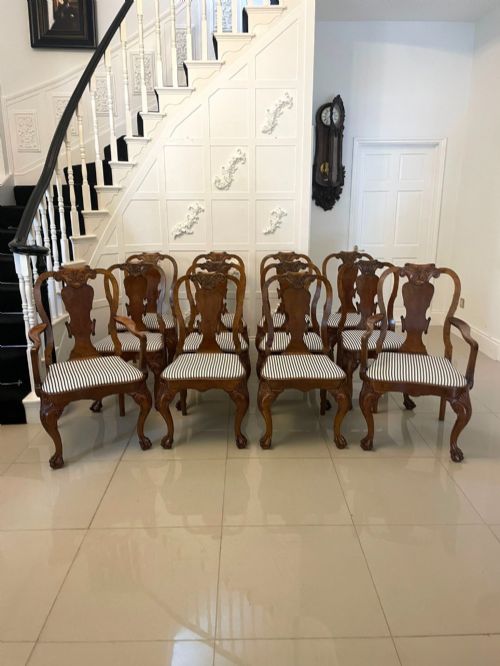
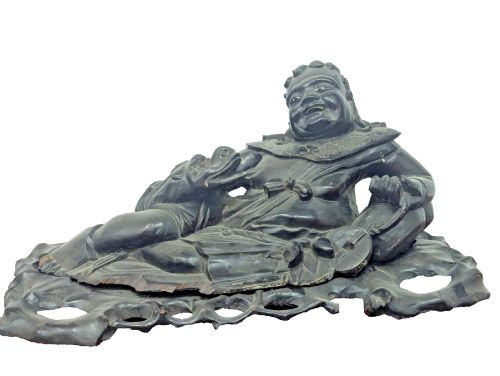
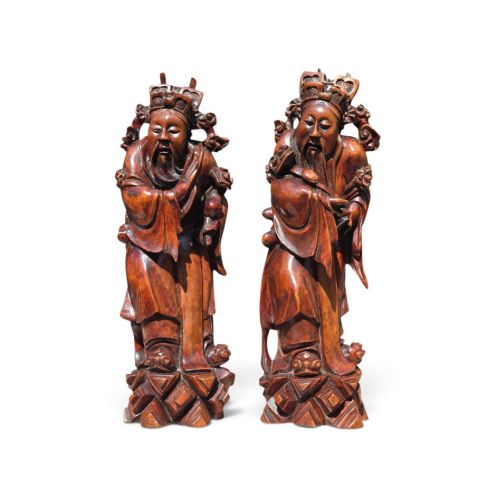
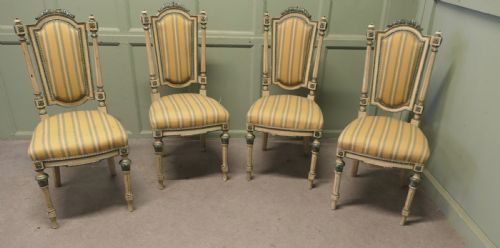
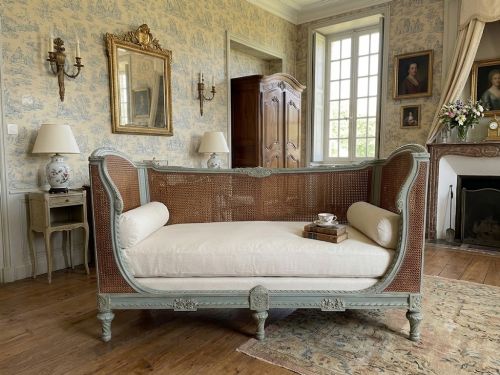
Alongside these domestic utilitarian forms sit decorative figures, cabinets, and seating created across various stylistic revivals and regional traditions. Pieces incorporate styles from Jacobean and Georgian eras through to Qing dynasty woodwork and Japanese Meiji period carvings.
How they were made
Carpenters and carvers shaped these pieces using solid domestic and imported timbers, primarily oak, walnut, mahogany, elm, and dense Asian hardwoods. Boards were joined using traditional pegged mortise and tenon joints, dovetails, and sturdy six-plank construction rather than modern metal fasteners.
Surface ornament relied entirely on hand-held gouges, chisels, and knives to produce relief panels, geometric mouldings, ceiling roses, and freestanding figures. Timber surfaces received wax, oil, or paint finishes that built up patination over generations of daily use and maintenance.
Period Timber Carving Retail Price Guide 2026
Typical asking prices for period timber carving among the pieces listed under this phrase on Sellingantiques today, from the lower quarter to the upper quarter. They describe what is for sale here now, not the wider market.
Listings span periods from the 17th century through to the 1920s, featuring oak, mahogany, walnut, pine, and exotic Asian hardwoods.
What varies in quality
The degree of crispness in the chisel work distinguishes standard joinery from superior carving. Master carvers produced depth, undercut relief, and naturalistic proportion that lesser hands rendered flat and stiff.
Surface preservation and structural integrity divide well-kept items from heavily altered examples. Pieces retaining their original timber boards, surface patination, and unreplaced joints command greater appreciation among collectors than those subject to extensive modern timber replacement.
The Period Timber Carving Glossary
- Joint stool
- A low wooden stool constructed with pegged joints rather than turned legs driven into seats. These sturdy oak items served multiple household seating and support functions in seventeenth-century homes.
- Coffer
- A large wooden chest used primarily for storing textiles, documents, or valuables. Early examples often utilise six plain boards joined at the edges.
- Okimono
- A Japanese carved ornamental figure designed for display on a shelf or tabletop. These pieces emerged in numbers during the Meiji period.
- Panels
- Flat sections of timber decorated with carved reliefs, geometric patterns, or figures, often set into walls, furniture, or ceilings. They represent architectural or cabinetry components removed from their original structures.
- Patina
- The surface sheen and colour developed by timber over years of handling, polishing, and oxidation. This quality indicates age and continuous exposure to light and domestic oils.
Period Timber Carving: Frequently Asked Questions
How do I date a carved oak panel?
Dating relies on tool marks, joint construction, timber shrinkage, and stylistic motifs characteristic of specific centuries. Earlier seventeenth-century work shows deep, hand-gouged surfaces and pegged joinery.
Later revival pieces often display machine-sawn timber backs and standardised modern fixings that contrast with authentic period examples.
Where should I place a joint stool?
Joint stools work well as small side tables next to armchairs or as standalone display stands for objects. Their sturdy frames also suit placement in hallways.
Keep them away from direct heat sources and strong sunlight to protect the aged timber surface.
Are these carvings made of solid wood?
The listings consist almost entirely of solid timbers including oak, walnut, mahogany, elm, and dense Asian hardwoods. Furniture and panels from these eras were built using heavy planks rather than veneered sheet materials.
This solid construction allows the pieces to withstand centuries of structural movement and atmospheric changes.
How do I care for antique timber?
Maintain the wood by applying traditional beeswax sparingly and buffing with a soft cloth to nourish the grain. Avoid modern liquid polishes that leave artificial silicone layers on the surface.
Control room humidity to prevent the dry air from splitting ancient panels and joints.