



Period Table Lighting
Period table lighting brings historical atmosphere to a room through genuine antique lamps, candlesticks and oil burners.
Period Table Lighting
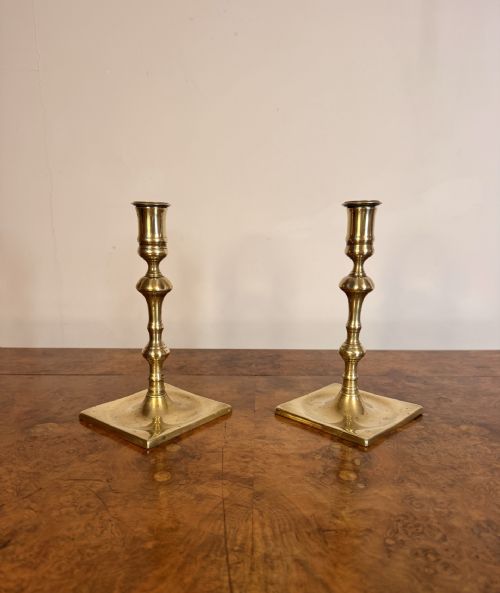
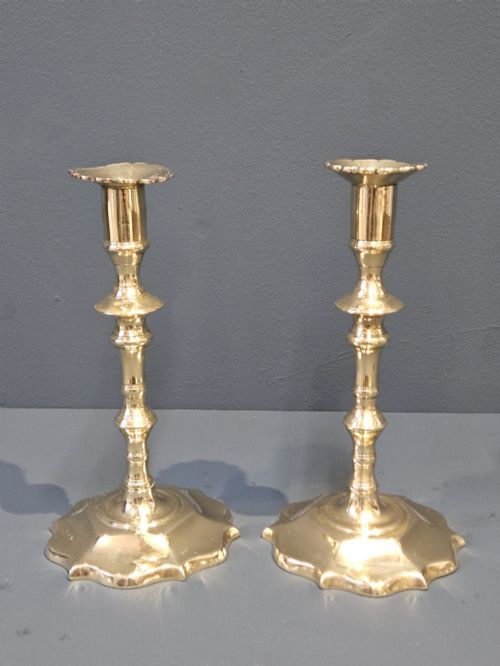
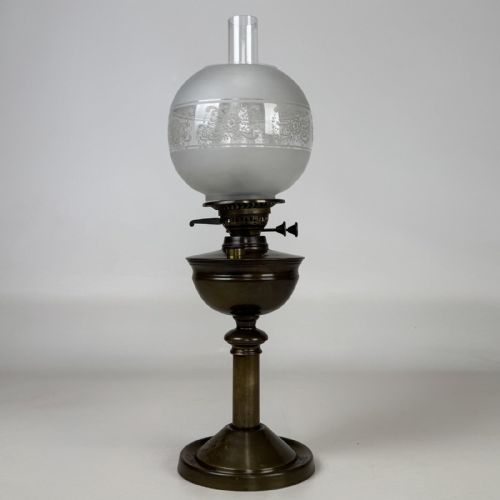
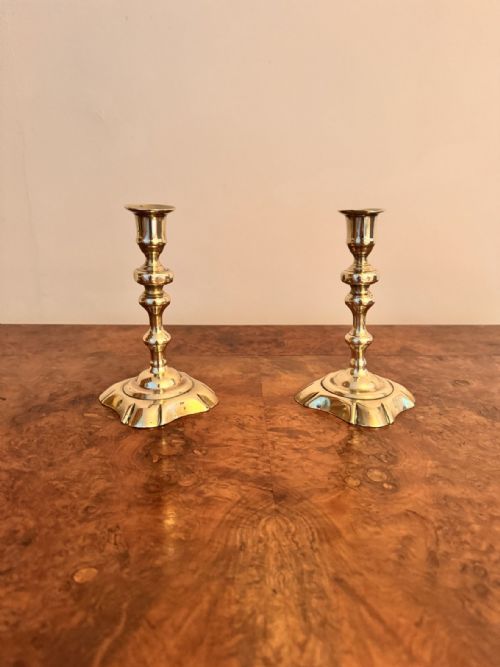
Earlier examples frequently originate from the eighteenth century in simple brass or mahogany formats designed strictly for candle power. Later Victorian and Edwardian iterations introduce complex mechanical burners, frosted glass shades, and imported decorative items adapted for electrical use.
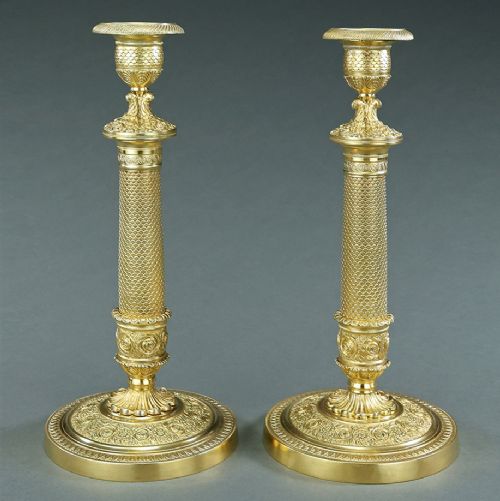
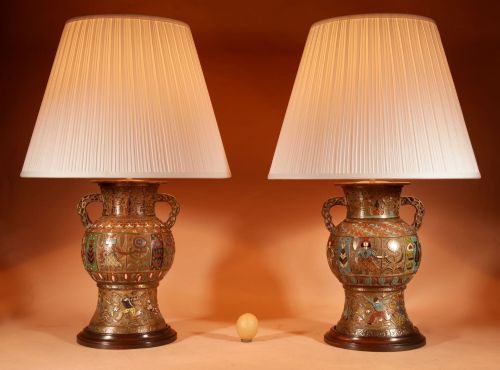
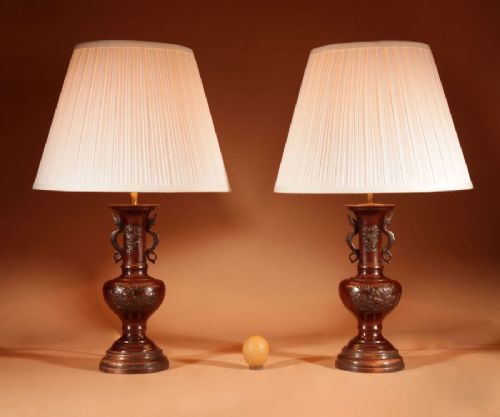
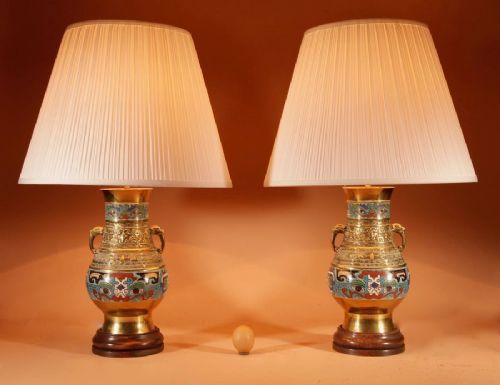
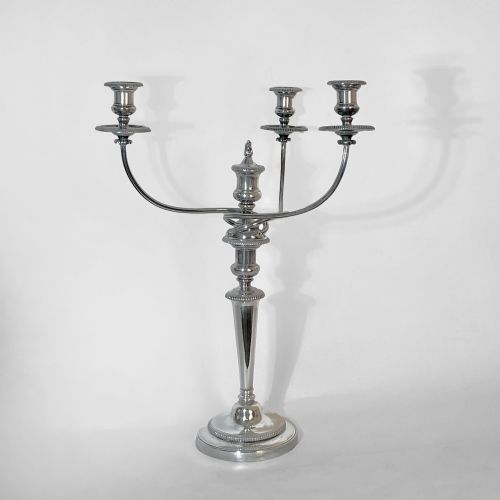
Buyers also encounter French Empire gilt bronze candelabra and heavy bronze pieces featuring champlevé enamel or cloisonné work. These diverse objects reflect how interior illumination evolved from utilitarian flame to decorative art across the Georgian, Regency, and Victorian eras.
Materials and Techniques
Metalworking dominates the construction of these items, utilising heavy cast brass, copper, ormolu, and patinated bronze. Many seventeenth and eighteenth century candlesticks rely on seamed brass construction, whilst nineteenth century pieces often incorporate intricate champlevé enamel detailing.
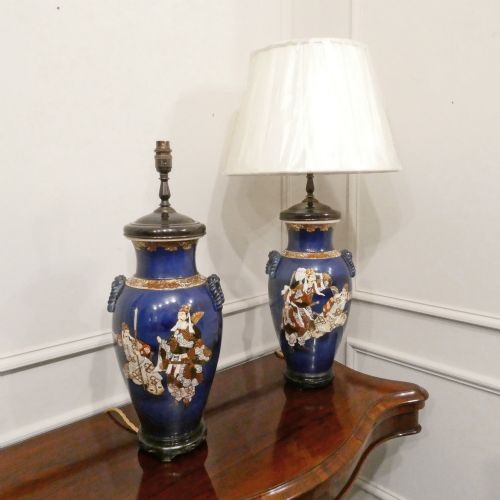
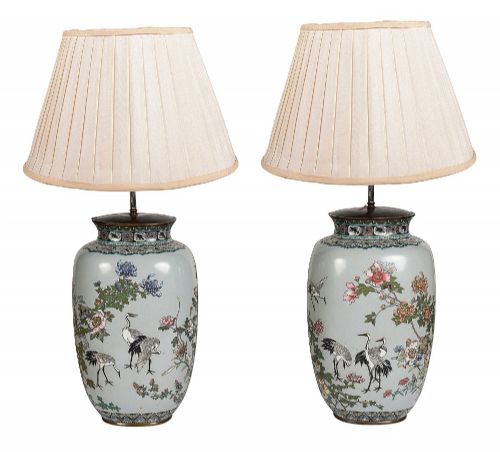
Ceramics and porcelain feature extensively in the construction of lamp bodies, notably through Satsuma and cloisonné wares imported from Japan during the Meiji period. These ceramic vessels are frequently mounted on bronze or brass bases and fitted with fabric or silk shades.
Converted items demonstrate domestic adaptation, where original oil reservoirs, vases, or brush pots receive wiring and electrical fittings to serve contemporary functions. Glass elements, including frosted shades and chimneys, complement the metallic and ceramic bodies through mouth-blown techniques.
Period Table Lighting Retail Price Guide 2026
Typical asking prices for period table lighting among the pieces listed under this phrase on Sellingantiques today, from the lower quarter to the upper quarter. They describe what is for sale here now, not the wider market.
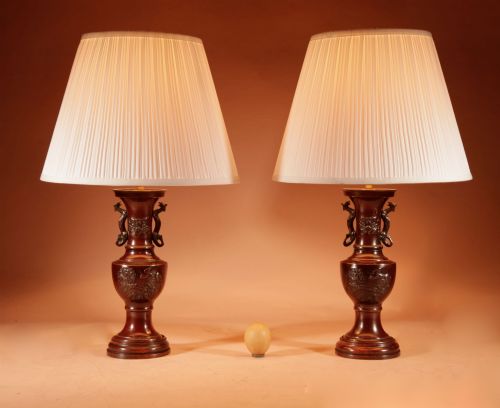
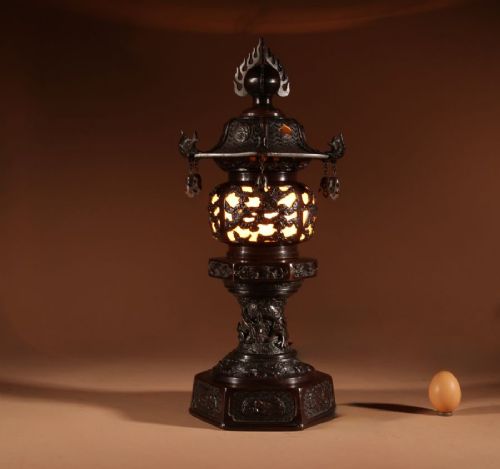
Elephants and dragons occasionally hold up the room, serving as unexpected bronze bases for nineteenth century Japanese table lamps.
Standards of Craftsmanship
Distinctions in quality rest heavily on the weight of the metal, the crispness of the chasing on gilt bronze, and the precision of the enamel work. Superior pieces display deep, intentional patination and hand-finished details rather than mass-produced uniformity.
The integrity of conversion work on adapted vases or oil lamps separates standard examples from exceptional ones. Masterful adaptations preserve the original vessel without compromising its historical form, maintaining proper balance and secure wiring conduits.
Provenance and signature marks elevate certain French and English pieces, where documented foundry work or known makers indicate superior workshop standards. The matching of original pairs, such as candelabra or Satsuma lamps, also dictates desirability among collectors.
Gustave Serrurier Bovy·Rabiat
The Period Table Lighting Glossary
- Candelabra
- A branched candlestick holding multiple candles or light bulbs. These often feature ornate arms extending from a central stem.
- Champlevé
- An enamelling technique where troughs are carved into a metal surface and filled with vitreous paste before firing. This method creates vibrant patterns on bronze lamp bodies.
- Meiji Period
- The era in Japanese history spanning from 1868 to 1912. Items from this time often found their way into European homes as decorative lamps.
- Ormolu
- Gilt bronze produced by applying a finely ground high-carat gold-mercury amalgam to a bronze object. This technique imparts a rich golden finish to nineteenth century mounts.
- Pricket
- A sharp metal spike inserted into a candlestick to secure the base of a candle. These are commonly found on older ecclesiastical or formal altar sticks.
Period Table Lighting: Frequently Asked Questions
How do I date a brass candlestick?
Dating relies on manufacturing techniques such as casting seams, base weighting, and turning marks. Earlier eighteenth century examples usually possess heavy solid bases and distinct sectional construction.
Later nineteenth century pieces often show machine tooling or standardised threading. Comparing the proportion and foot rim design against established stylistic periods provides further verification.
Are converted oil lamps safe to use?
Most converted oil lamps require professional rewiring to meet modern electrical safety standards. A qualified electrician can replace old internal components while preserving the outer antique housing.
It remains essential to check that the burner assembly or mounting does not pinch the new cord. Regular testing ensures the antique metalwork safely accommodates modern current.
What is a Satsuma lamp?
A Satsuma lamp is made from Japanese earthenware typically decorated with intricate enamel patterns over a ivory-crackled glaze. These vessels were imported to Europe and subsequently fitted for electrical illumination.
They offer a distinct aesthetic that blends traditional Eastern ceramics with Western domestic lighting requirements. Collectors look for crisp hand-painted details and intact gilding.
How do I clean antique brass lighting?
Dusting with a soft, dry cloth prevents the accumulation of grime without disturbing the natural patina. Avoid harsh chemical polishes that strip away historical surface ageing and diminish the value.
If washing is necessary, use mild soap and warm water, drying the metal immediately to prevent corrosion. Preserving the dark highlights in recessed areas maintains the visual depth of the piece.