

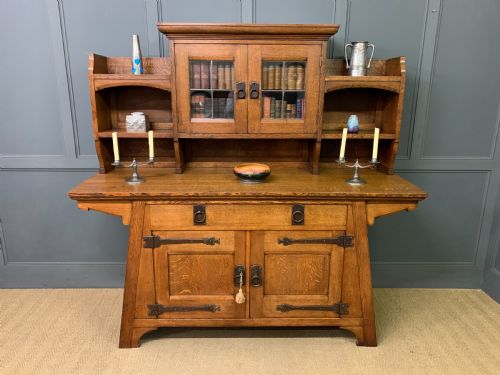


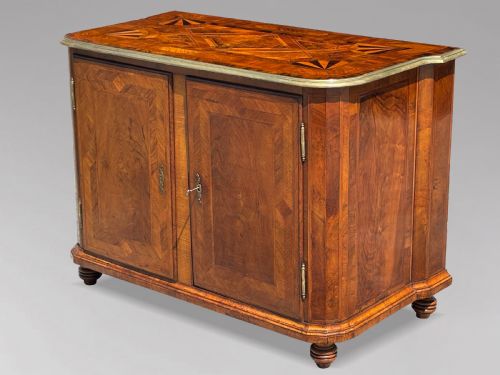
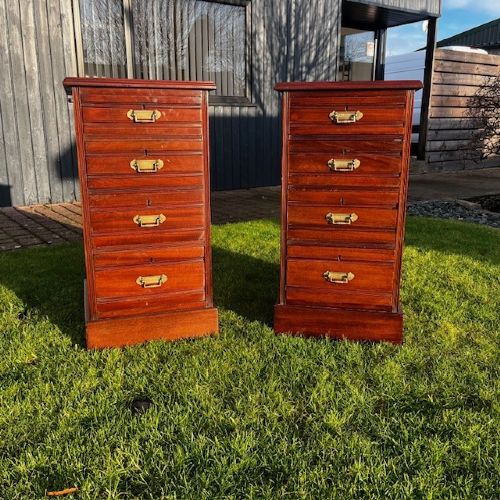
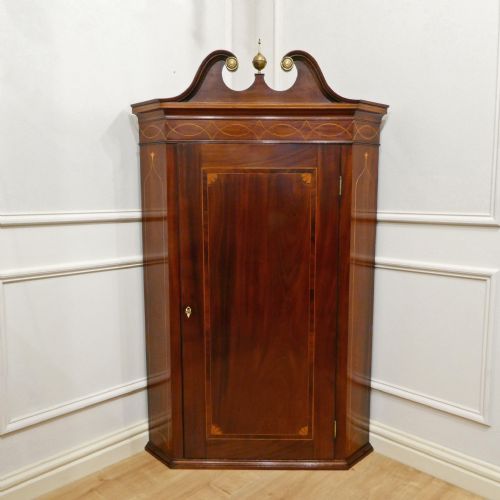


Period Style Cupboard
A period style cupboard brings centuries of timber craftsmanship into a room, offering practical storage disguised as historical art.
Period Style Cupboard
A period style cupboard encompasses a diverse range of historic storage furniture spanning from the seventeenth century through to the late Victorian era. Buyers searching for a period style cupboard will encounter forms as varied as oak court cupboards, mahogany side cabinets, rosewood display cabinets, and satinwood secretaire writing desks.
The selection ranges from robust seventeenth-century oak pieces to refined George III mahogany bookcases and Regency chiffoniers. Sideboards, corner cupboards, and bedside chests also populate this category, reflecting how domestic storage evolved across different centuries and social strata.
Materials and construction methods
Timbers such as mahogany, oak, rosewood, and satinwood form the structural foundation of these cabinets, frequently paired with brass hardware and glass panels. Craftspeople utilised traditional joinery techniques to shape durable sideboards and display cabinets designed for daily domestic utility.
Surface decoration ranges from brass inlay and Japanning to polished wood grains that highlight the natural qualities of walnut and mahogany. Fabric elements and iron details occasionally appear, demonstrating the diverse material combinations employed across Georgian, Victorian, and earlier workshops.
Period Style Cupboard Retail Price Guide 2026
Typical asking prices for period style cupboard among the pieces listed under this phrase on Sellingantiques today, from the lower quarter to the upper quarter. They describe what is for sale here now, not the wider market.
A tiny bamboo cabinet from the Aesthetic period proves that Victorians enjoyed a touch of lightweight whimsy alongside their heavy oak.
Distinguishing quality in historic storage
Quality in these storage pieces rests upon the selection of timber and the precision of the joinery rather than mere age alone. Superior examples demonstrate thoughtful proportion, balanced grain patterns, and integrated decorative details like brass inlay or finely carved mouldings.
Lower tiers of quality often reveal heavier, less refined construction or later alterations that obscure the original form. A superior cabinet maintains structural integrity alongside crisp carving and intact hardware that harmonize with its specific period style.
Louis Constantin Le Gaigneur·Gillows·S Jamar
The Period Style Cupboard Glossary
- Chiffonier
- A compact sideboard or low cabinet popular during the Regency period, often fitted with drawers and enclosed shelves below. They function well as versatile living room or dining room storage.
- Secretaire
- A cabinet incorporating a pull-down writing flap that conceals small drawers and pigeonholes. This dual-purpose form combines desk space with enclosed cupboard storage.
- Japanning
- A European imitation of East Asian lacquerwork, applied as a glossy decorative finish to furniture surfaces. This technique creates a striking visual impact on select Regency cabinets.
- Serpentine
- A descriptive term for a front edge that curves outward in the centre and inward at the sides. This fluid shape demands advanced woodworking skill.
Period Style Cupboard: Frequently Asked Questions
How do I use a chiffonier?
A chiffonier works effectively as a low sideboard in a dining room or a media cabinet in a living space. The enclosed lower cupboards conceal modern items while the top surface provides display room.
Originating in the Regency period, these compact units suit rooms where space is at a premium. They combine surface utility with discrete internal shelving.
How do I date an oak cupboard?
Dating an oak cupboard involves examining the tool marks, joinery methods, and hardware construction. Seventeenth-century pieces typically display pegged mortise and tenon joints alongside hand-planed surfaces.
Later Victorian reproductions or adaptations often utilise machine-cut elements and standardised fixings. Comparing the timber patination and construction style helps establish the likely era of manufacture.
Where do I place a corner cupboard?
A corner cupboard fits neatly into unused room junctions, transforming empty angles into functional storage areas. Both hanging and floor-standing variants make efficient use of difficult architectural spaces.
These cabinets suit dining rooms for holding glassware or hallways for small items. Their wedge-shaped design draws the eye naturally into the room's periphery.