

Period Style Chairs
Period style chairs bring centuries of design history into modern rooms, offering craftsmanship and timber that suit formal dining spaces and quiet corners alike.
Period Style Chairs
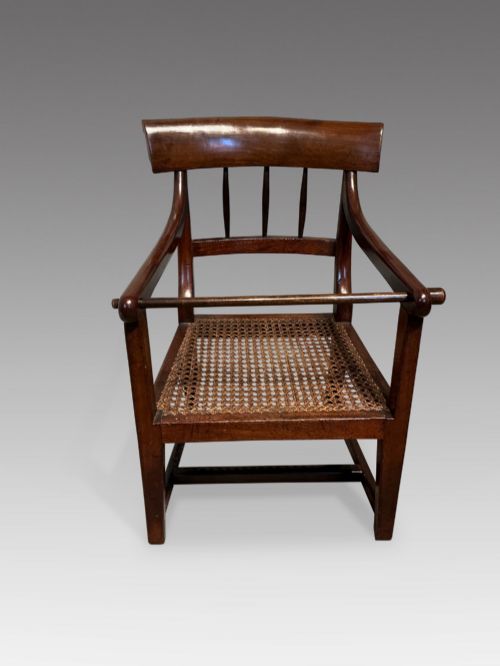
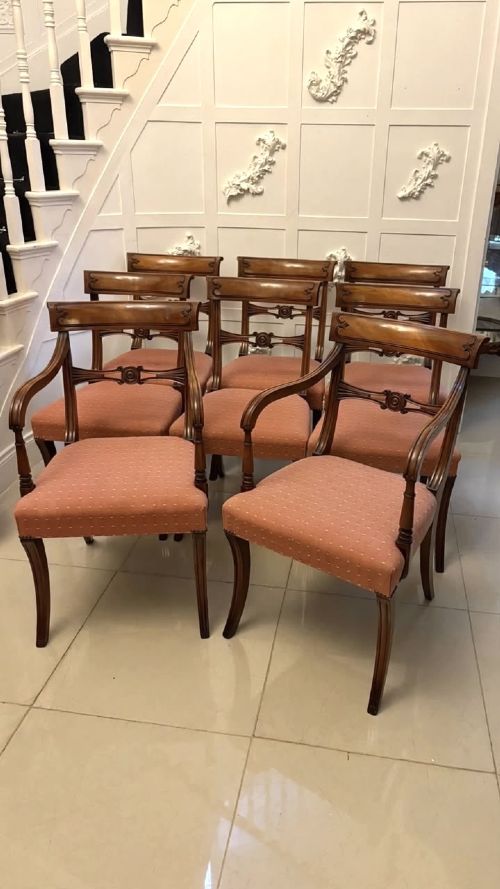
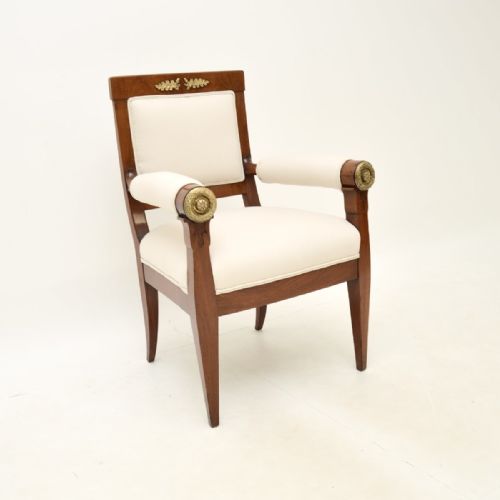
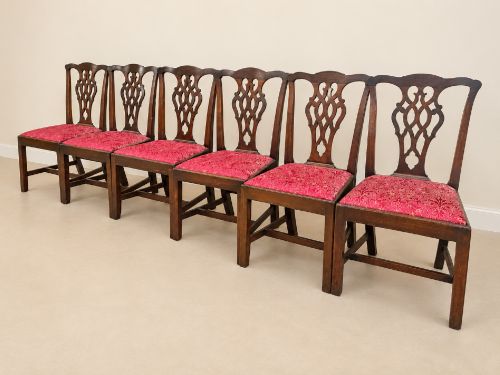
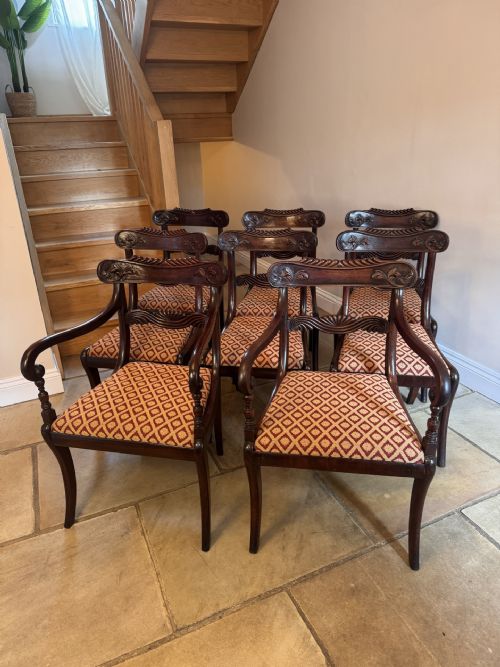
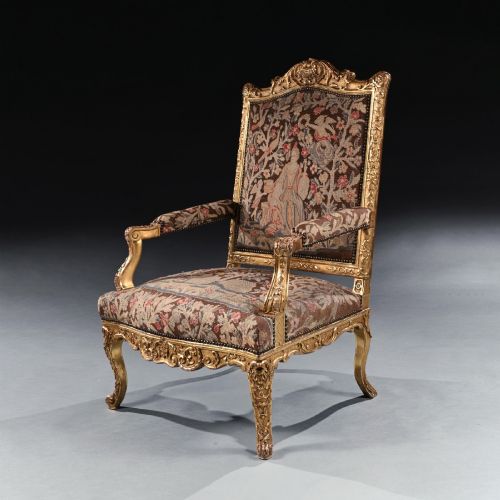
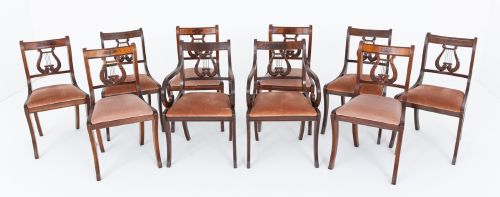
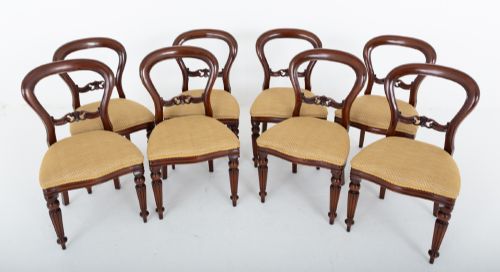
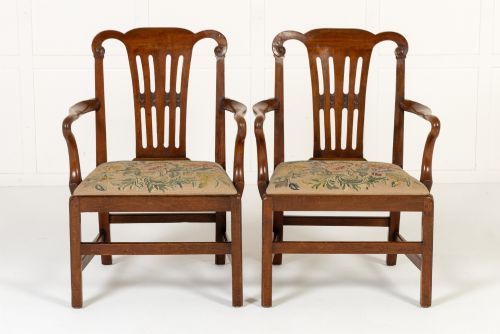
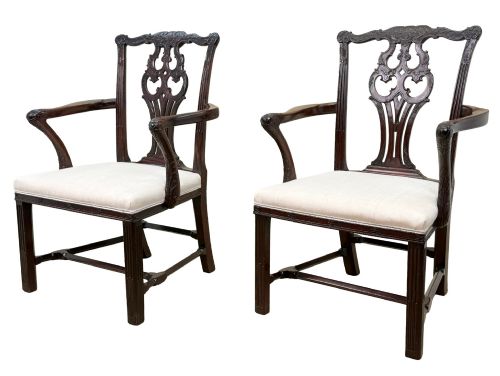
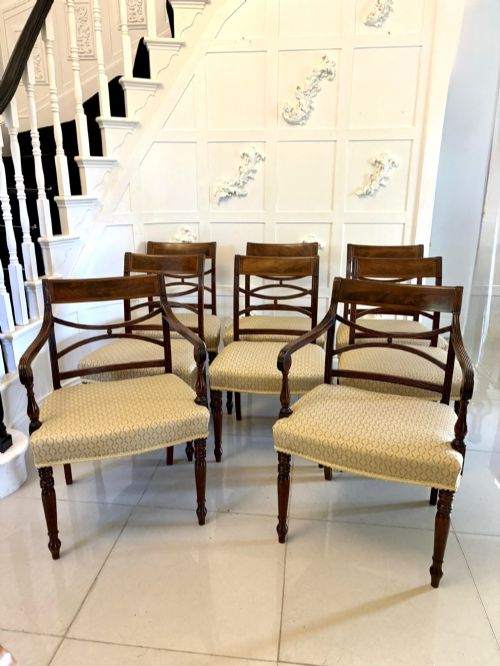
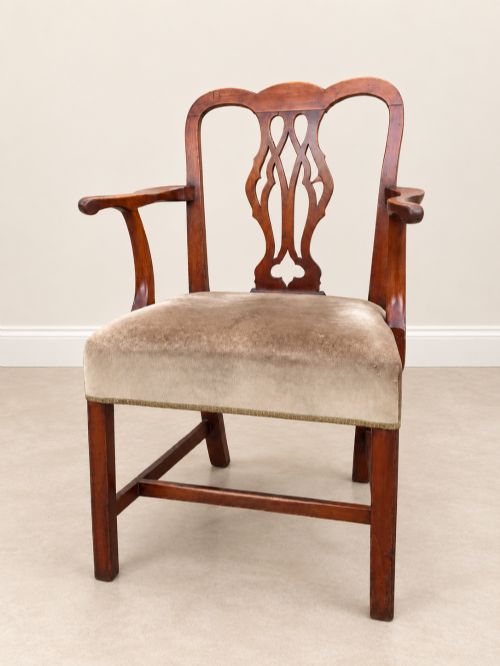
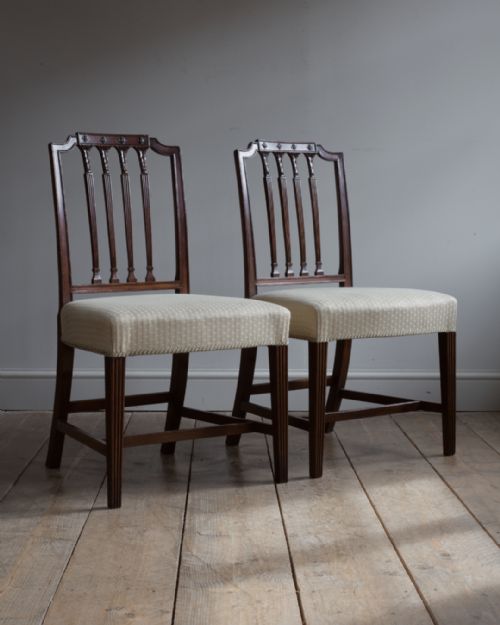
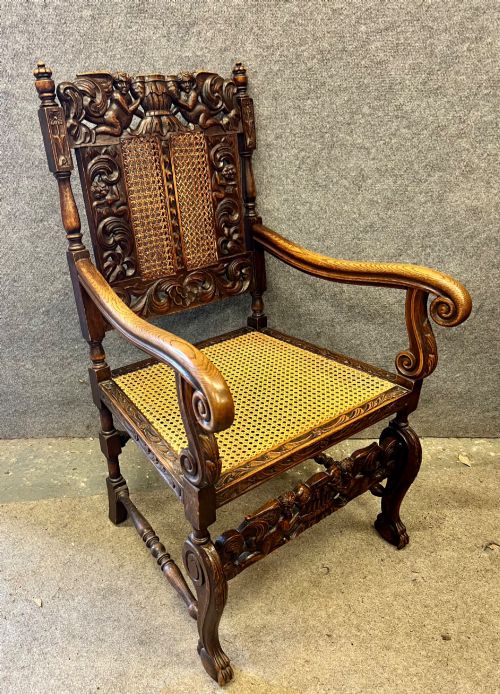
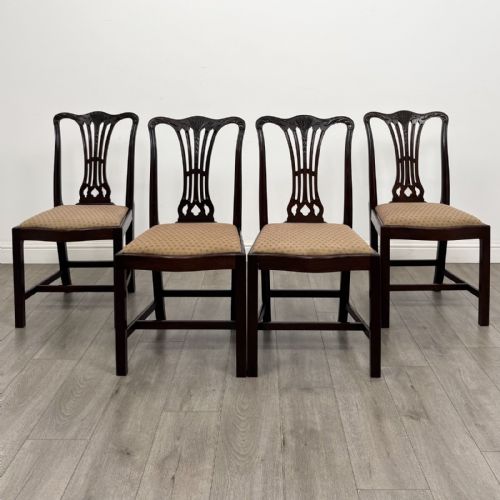
Period style chairs encompass a broad selection of seating, ranging from genuine 18th-century antiques to later revivals produced around 1920. Dining chairs, armchairs, side chairs, and salon chairs form the main groupings found in these listings.
Mahogany remains the dominant timber across these examples, alongside walnut, oak, yew wood, rosewood, and giltwood. Buyers frequently encounter sets intended for dining tables as well as individual carvers and armchairs.
Materials and Construction
Cabinetmakers relied heavily on solid mahogany and walnut, utilising the natural grain and strength of these timbers for frames and carved splats. Giltwood and rosewood appear in select French and Regency seating.
Upholstery involved traditional textiles, including velvet, leather, fabric, and Aubusson tapestry covers. Carved details such as pierced splats and balloon backs required precise hand woodworking techniques.
Period Style Chairs Retail Price Guide 2026
Typical asking prices for period style chairs among the pieces listed under this phrase on Sellingantiques today, from the lower quarter to the upper quarter. They describe what is for sale here now, not the wider market.
Listings feature dining chairs, armchairs, side chairs, and salon chairs spanning the 18th, 19th, and early 20th centuries.
Judging Quality
The degree of hand carving and the crispness of detail in elements like shield backs and pierced splats distinguish finer seating from simpler production. Original timber surfaces and patination elevate a piece above later refinishing.
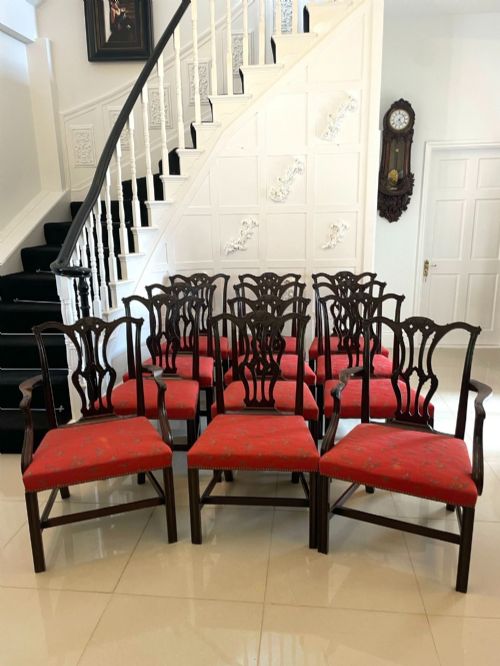
Completeness matters significantly, particularly for large dining sets where matching timbers and unified proportions indicate an original suite rather than a later assembled collection.
Chippendale·Hepplewhite
The Period Style Chairs Glossary
- Carver
- An armchair, typically designed to sit at the head of a dining table. These often match a set of smaller side chairs.
- Balloon back
- A rounded, oval-shaped chair back associated primarily with Victorian seating. This form provides ergonomic support while presenting a continuous curved wooden frame.
- Splat
- The vertical wooden strip down the centre of a chair back. Pierced splats are open-worked into decorative patterns.
- Giltwood
- Timber coated with a thin layer of gold leaf. This finish appears frequently on ornate French and neoclassical salon chairs.
Period Style Chairs: Frequently Asked Questions
How do I spot a revival piece?
Revival chairs, such as those from the Edwardian period or around 1920, often emulate 18th-century George III or Chippendale designs. Examining the timber maturity, construction joints, and internal hardware helps clarify the true age of the piece.
Secondary indicators include the wear patterns on the feet and the type of secondary wood used in the frame construction. Comparing these details against known period practices reveals whether a chair is a genuine antique or a later homage.
Can I mix different chair styles?
Mixing period style chairs around a dining table is a long-standing tradition that creates an eclectic interior. Combining side chairs with matching carvers at the table ends maintains a balanced visual weight.
Ensuring the seat heights and timber tones share a similar lineage prevents the arrangement from looking disjointed. Georgian and Regency pieces often complement each other through their shared use of dark hardwoods.
How were dining sets originally configured?
Large dining sets historically comprised a mix of single side chairs and a pair of armchairs, known as carvers. Sets often numbered eight, ten, or twelve pieces to suit grand dining rooms.
Finding a complete matched set of twelve remains unusual, as many groups were split or added to over generations of family use.
What maintenance do antique chairs need?
Preserving wooden frames involves feeding the timber with appropriate wax polish to prevent drying and cracking. Leather and fabric upholstery require gentle cleaning suited to their specific textile composition.
Keeping antique seating away from direct heat sources and strong sunlight protects both the polished wood finish and the underlying tension of the upholstery webbing.