


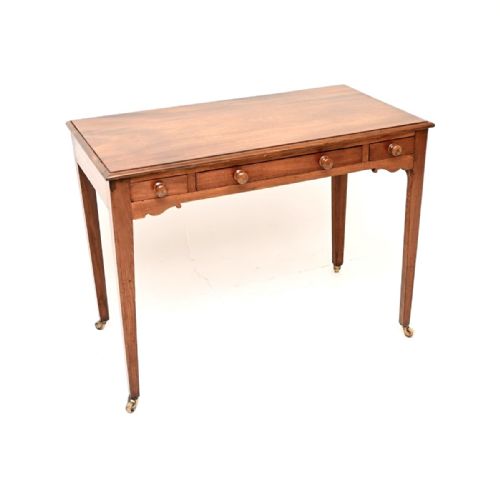


Period Study Table
A period study table brings centuries of craftsmanship into a room, offering deep timbers and considered proportions designed for correspondence and private work.
Period Study Table
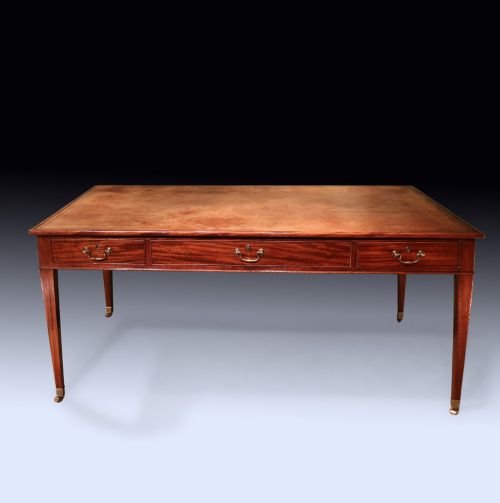
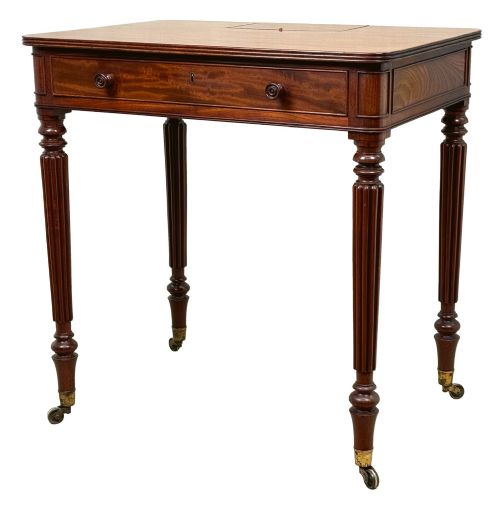
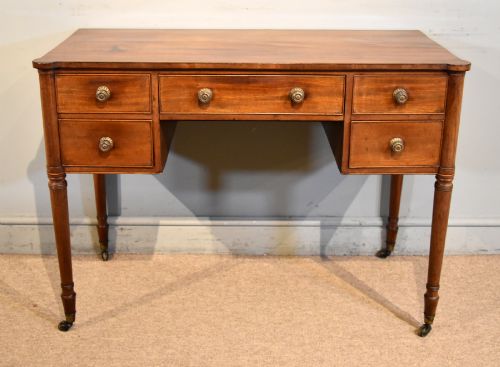
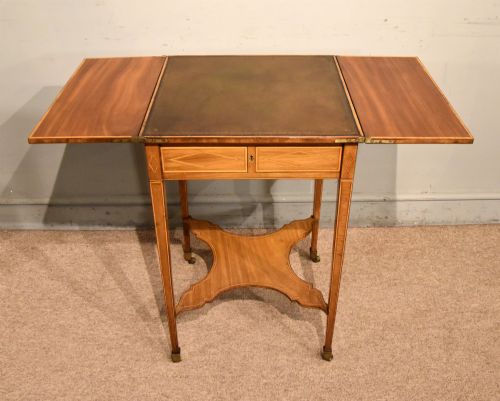
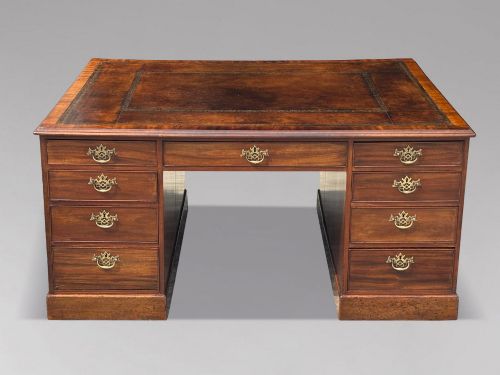
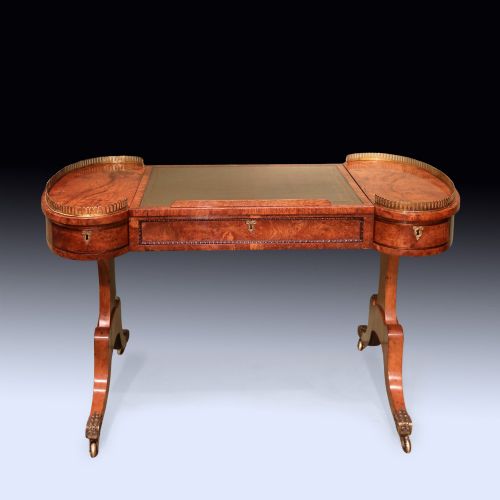
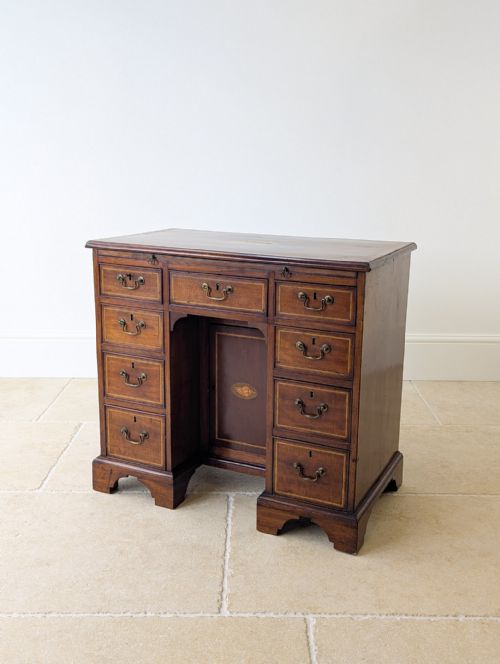
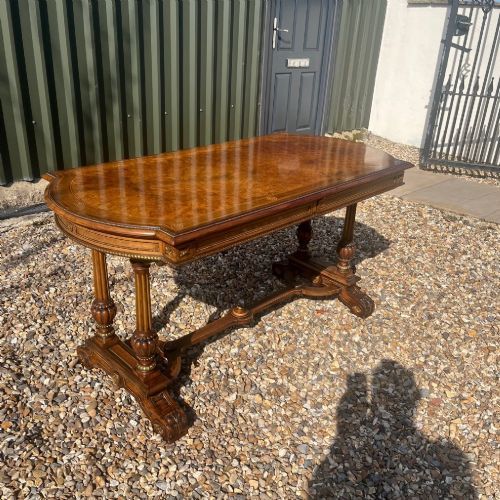
A period study table encompasses a variety of writing surfaces, library tables, and kneehole desks originating from the eighteenth, nineteenth, and early twentieth centuries. These pieces span distinct historical epochs including the Georgian, Regency, Victorian, and Edwardian eras, reflecting the evolving domestic requirements of each period.
Buyers will most frequently encounter mahogany and rosewood examples from the Regency and Georgian periods, alongside oak and burr walnut iterations from the Victorian era. The selection ranges from compact lady's desks to broad library tables and partners desks designed for freestanding placement within a room.
The forms adapt to diverse functional demands, incorporating central drawers, leather inset writing surfaces, and distinct support structures such as end pedestals or carved feet. Each piece serves as both a practical workspace and a notable focal point rooted in historical cabinet-making traditions.
Materials and construction
Cabinet makers utilised dense hardwoods such as mahogany, rosewood, and oak as the foundational structure for these desks, frequently selecting burr veneers to create figured grain patterns across drawer fronts and tops. Secondary timbers like oak often appeared in drawer linings and internal framing.
Surface treatments incorporated tooled leather writing inserts, brass mounts, and occasional ormolu detailing, particularly on nineteenth-century library tables. Joinery relied on traditional dovetailing for drawers and robust frame constructions to support heavy writing loads.
Period Study Table Retail Price Guide 2026
Typical asking prices for period study table among the pieces listed under this phrase on Sellingantiques today, from the lower quarter to the upper quarter. They describe what is for sale here now, not the wider market.
The listings on this site feature timbers including mahogany, rosewood, oak, burr oak, and walnut across Georgian, Regency, and Victorian periods.
Distinctions in quality
Quality rests upon the selection of timber figures, where symmetrical burr oak or richly grained rosewood indicates a higher grade of material choice by the maker. The crispness of carved details, such as lions paw feet or applied mouldings, further separates standard production from exhibition pieces.
Structural integrity and original hardware, including brass handles and working locks, determine the preservation standard of a desk. Superior examples maintain uncompromised drawer linings and precise joinery that reflects the original workshop standards.
George Faulkner Armitage·Gillows of Lancaster
The Period Study Table Glossary
- Partners desk
- A large double-sided desk configured with drawers and cupboards on both faces, allowing two people to work opposite one another.
- Kneehole desk
- A compact freestanding desk featuring a central recess for the sitter's legs, flanked by pedestals of smaller drawers.
- Library table
- A freestanding centre table with a finished top on all sides, historically utilised in libraries for reading and sorting papers.
- Ormolu
- Gilded bronze mounted onto furniture as decorative embellishment, common on high-status nineteenth-century pieces.
- Dovetail
- A traditional interlocking joint used in drawer construction to ensure durable corners without relying on metal fasteners.
Period Study Table: Frequently Asked Questions
Where do I place a library table?
A library table is designed to sit freestanding in the centre of a room rather than pushed against a wall. This placement exposes the finished timber on all four sides.
Ensure there is adequate clearance around the piece for movement and seating access within the study.
How do I care for leather inserts?
Leather writing surfaces benefit from periodic cleaning with a damp cloth followed by a neutral leather cream to prevent cracking. Avoid placing hot cups or liquids directly on the hide.
Keep the desk away from direct sunlight and strong heat sources to preserve the suppleness and colour of the leather.
How do I distinguish Regency from Victorian tables?
Regency tables generally display cleaner classical lines, rosewood or mahogany veneers, and brass inlay or lion paw feet. Victorian pieces often incorporate heavier proportions, darker burr walnut, and more ornate ormolu or carved mounts.
Examining secondary timbers and construction methods can also help confirm the manufacturing era.
Can these desks be used daily?
These tables were built for continuous writing and administrative tasks using durable hardwoods like oak and mahogany. Modern daily use is entirely appropriate provided basic furniture care is maintained.
Use protective pads beneath writing instruments to prevent accidental scratching of antique timber or leather surfaces.