


Period Study Desk
A period study desk brings solid mahogany, burr oak, and rosewood into a room to anchor daily writing and correspondence.
Period Study Desk
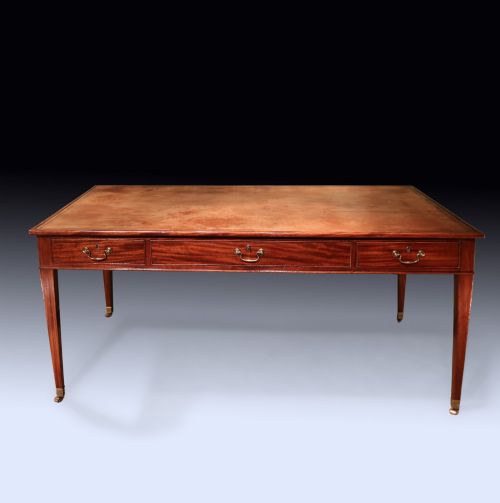
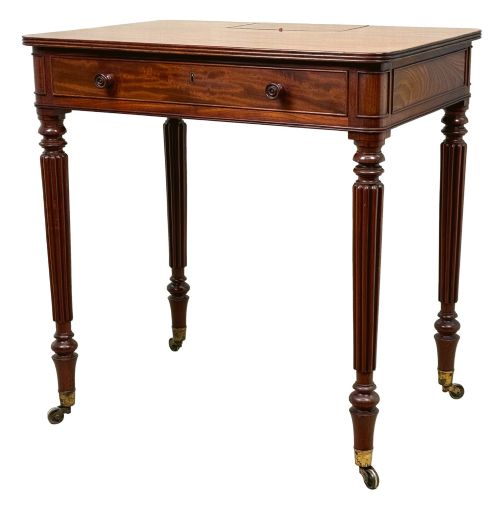
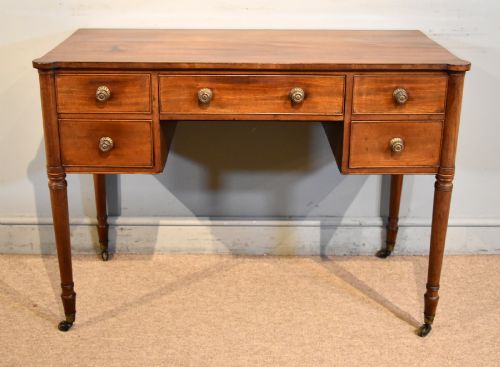
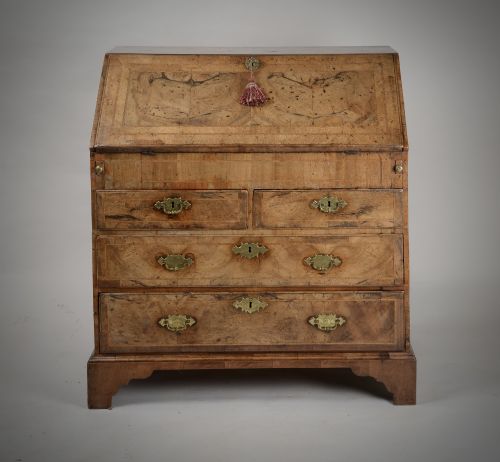
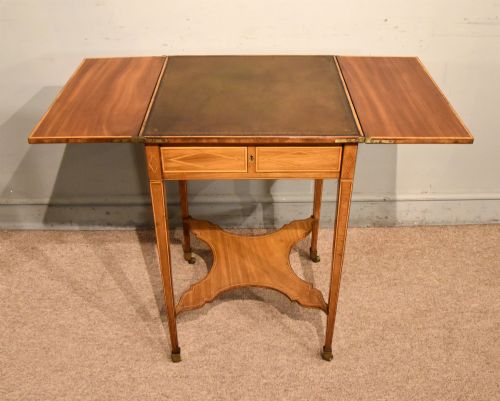
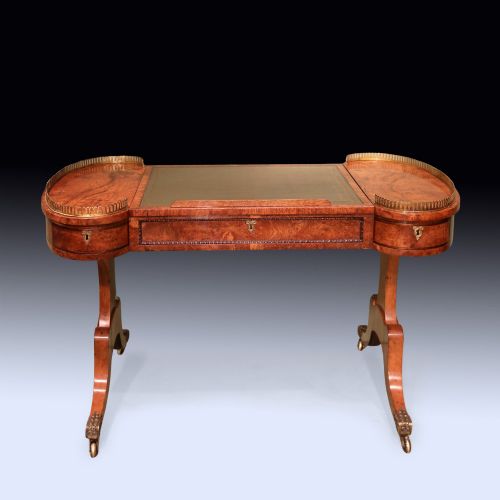
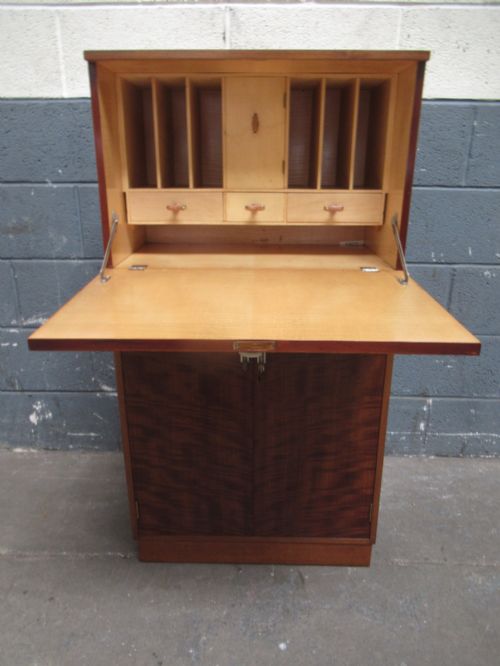
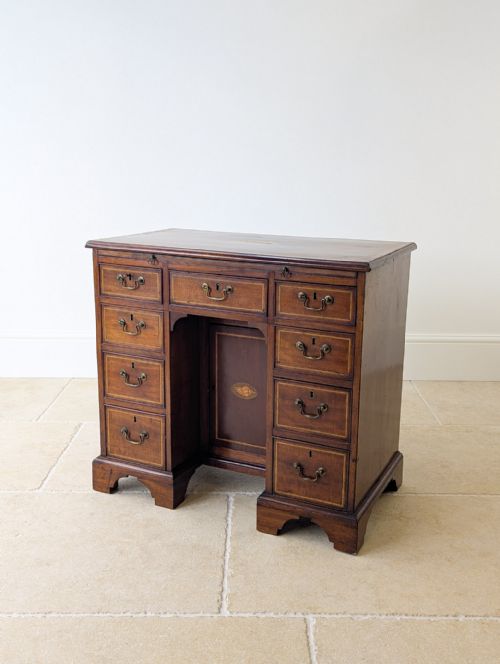
A period study desk encompasses writing tables, bureau forms, kneehole desks, and partners desks spanning the eighteenth, nineteenth, and early twentieth centuries. These pieces serve as functional workstations while displaying the proportions and timber selections characteristic of Georgian, Regency, and Victorian cabinet making.
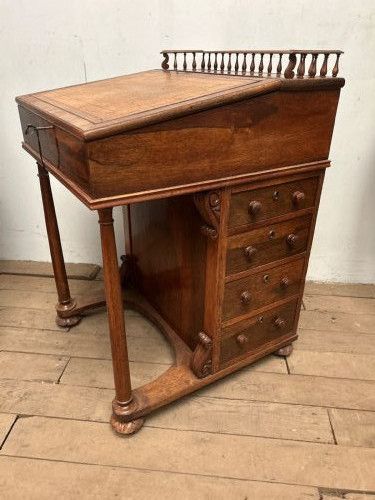
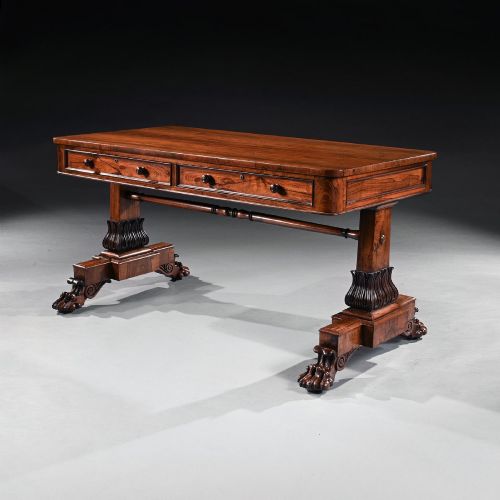
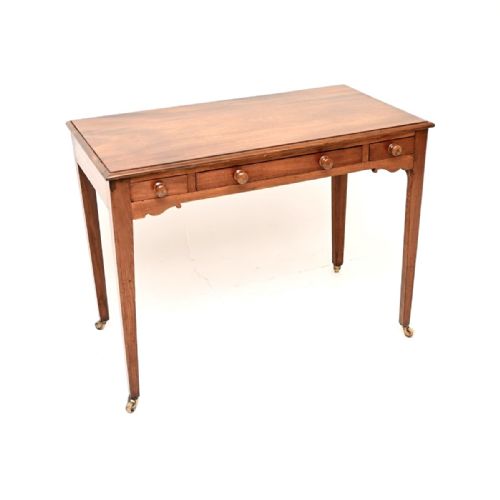
The most frequent examples encountered on this page belong to the Regency and Georgian eras, executed in rich mahogany or figured rosewood. These range from compact davenports and end-support writing tables to broad library tables designed for central placement in a study.
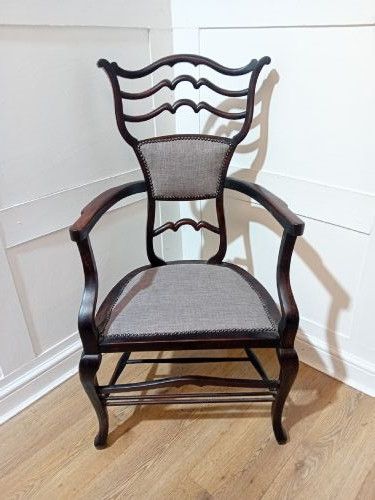
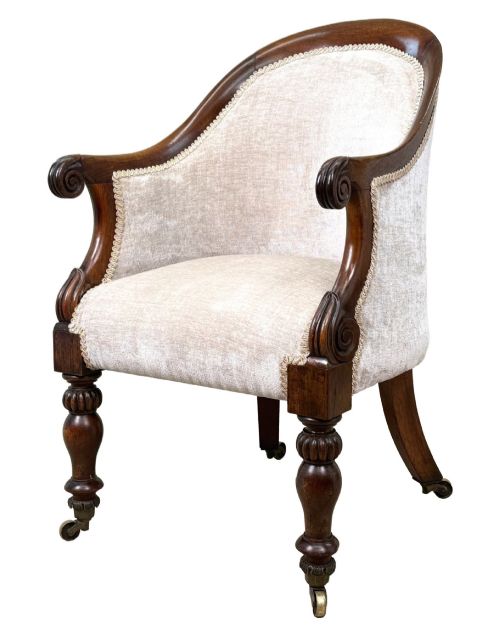
Associated seating pieces frequently appear alongside the desks, including leather-upholstered library armchairs and elbow chairs in matching period styles. Together, these form the complete furnishings for a traditional home study or library space.
Materials and Construction
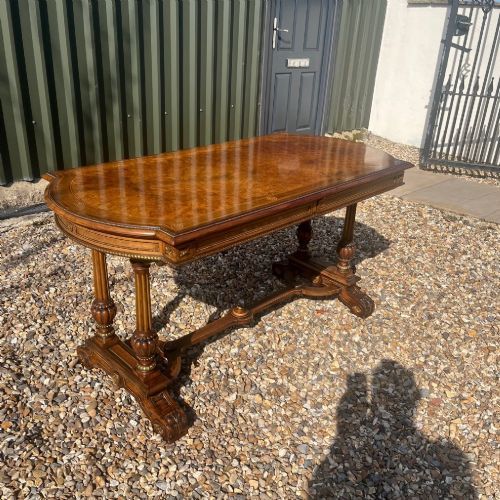
Cabinet makers relied primarily on dense hardwoods such as mahogany, oak, walnut, and rosewood, often selecting veneers with pronounced grain patterns like burr walnut and burr oak. Solid timbers formed the structural frames, legs, and drawer linings, while finely figured veneers decorated flat writing surfaces and drawer fronts.
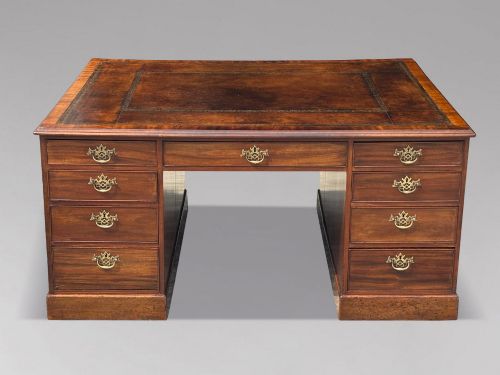
Writing surfaces frequently integrate inset panels of leather, sometimes tooled with gilt borders, providing a durable and smooth writing plane. Brass handles, escutcheons, and occasional ormolu mounts complete the hardware details on drawer units and writing compartments.
Period Study Desk Retail Price Guide 2026
Typical asking prices for period study desk among the pieces listed under this phrase on Sellingantiques today, from the lower quarter to the upper quarter. They describe what is for sale here now, not the wider market.
Materials represented across the furniture selection include mahogany, rosewood, walnut, oak, burr walnut, and burr oak.
Quality and Craftsmanship
Gradations in quality depend on the selection of timber figures, the precision of dovetail joinery in the drawers, and the restraint or ambition of carved details. Finer pieces demonstrate continuity of grain across drawer fronts and sophisticated secondary woods within internal compartments.
Design execution separates standard commercial production from exhibition-grade pieces, seen in carved lions paw feet, crisp mouldings, and integrated mechanisms for writing slopes or stationery storage.
George Faulkner Armitage
The Period Study Desk Glossary
- Partners Desk
- A large double-sided desk designed for two people to sit opposite each other, featuring banks of drawers on both sides.
- Davenport Desk
- A compact pedestal desk with a sloping writing surface hinged above a set of drawers accessed from the side.
- Kneehole Desk
- A freestanding desk with a central recess for the user's legs, flanked by pedestals containing multiple small drawers.
- Library Table
- A large freestanding table used in studies or libraries, finished on all sides so it can stand away from walls.
- Escutcheon
- A protective plate surrounding a keyhole, usually cast in brass or bronze to match other hardware on the piece.
- Dovetail Joint
- An interlocking woodworking joint formed by interlocking wedge-shaped fingers, used to construct sturdy drawer boxes.
Period Study Desk: Frequently Asked Questions
How do I date a study desk?
Dating relies on identifying the characteristic styling of periods such as Georgian, Regency, or Victorian, combined with construction methods like hand-cut dovetails and timber selection.
Secondary woods, hardware types, and leg profiles further narrow the decade of manufacture when makers marks are absent.
What is a partners desk?
A partners desk is built to allow two people to work face-to-face, featuring full sets of drawers and cupboards on both the front and back elevations.
These substantial pieces originated in large libraries, banks, and administrative offices during the eighteenth and nineteenth centuries.
How should I maintain leather inserts?
Leather writing surfaces benefit from periodic cleaning with a damp cloth followed by the application of a specialist leather wax or balsam to prevent drying and cracking.
Avoiding direct sunlight and excessive heat preserves both the leather and the gilt tooling surrounding the edges.
Where were these desks placed?
Library tables and partners desks are freestanding forms designed to sit in the centre of a room rather than pushed against a wall, as all four sides are finished.
Smaller writing tables, davenports, and bureau desks typically stood against perimeter walls or within window alcoves to catch natural light.