





Period Storage Unit
A period storage unit brings centuries of practical craftsmanship into a room, offering timeless utility through timber chests and cabinets.
Period Storage Unit
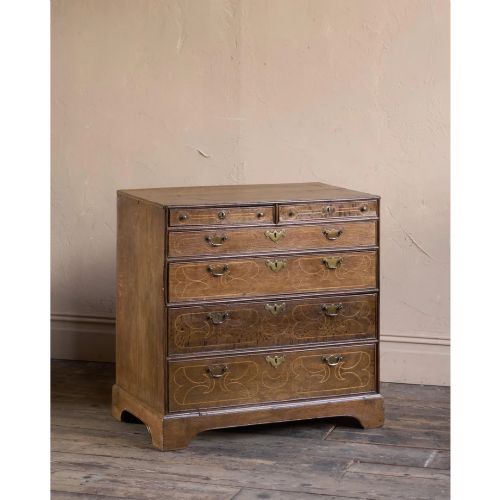
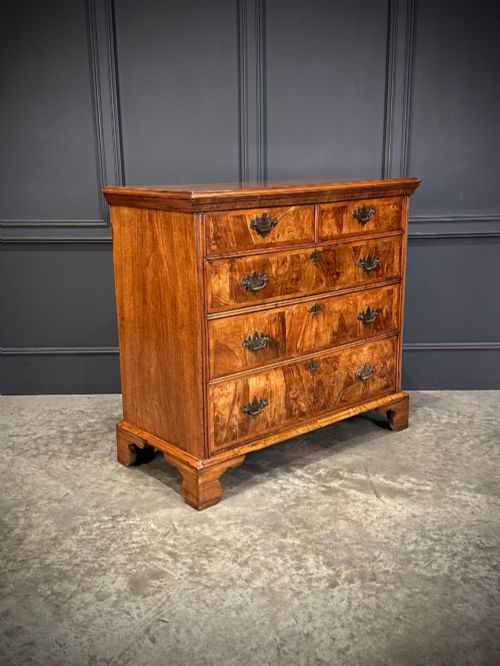
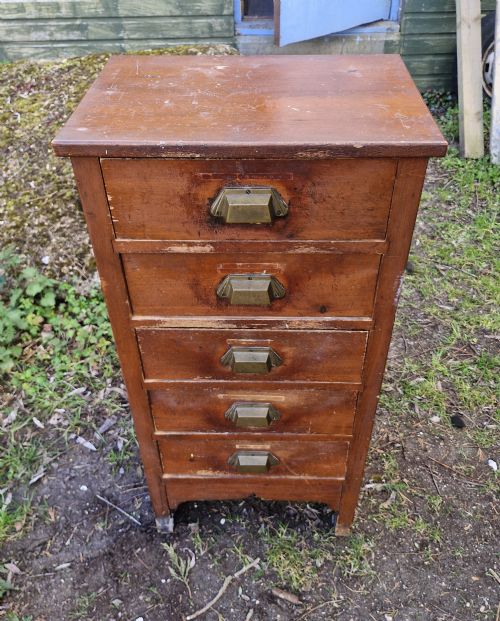
A period storage unit encompasses a diverse array of antique chests of drawers, corner cupboards, and cabinets spanning the seventeenth to the early twentieth century. These practical forms range from robust oak estate cupboards and Georgian mahogany chests to Japanese step chests and French provincial cupboards.
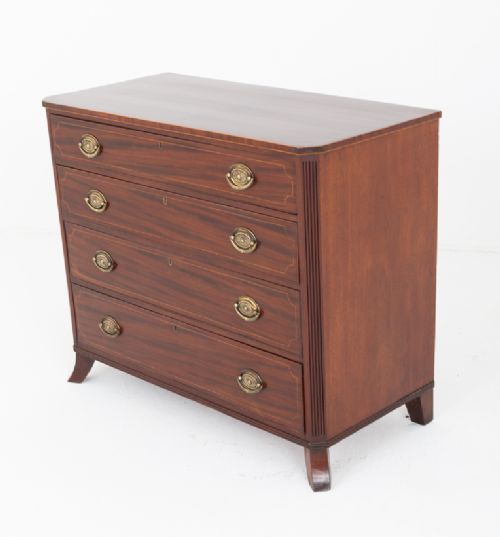
The version most commonly encountered in these listings is the mahogany or oak chest of drawers from the eighteenth century or the Georgian period. Buyers also frequently discover corner cupboards designed for wall hanging or standing, reflecting the domestic needs of past centuries.
How they were made
Cabinetmakers constructed these pieces primarily from solid hardwoods such as oak, mahogany, and walnut, frequently incorporating fruitwood or satinwood inlay for decorative contrast. Pine and iron also appear in utilitarian applications and internal framing.
Joinery techniques relied on traditional hand-cut methods, panelled construction, and precise drawer framing suited to the timber used. Hardware such as brass handles and bronze animal decoration completed the functional design of the period.
Period Storage Unit Retail Price Guide 2026
Typical asking prices for period storage unit among the pieces listed under this phrase on Sellingantiques today, from the lower quarter to the upper quarter. They describe what is for sale here now, not the wider market.
Step chests secretly doubled as staircases in traditional homes, proving that past generations mastered the art of climbing into their wardrobe.
What varies in quality
The distinction between tiers of quality rests upon the selection of timber, the fineness of the inlay work, and the integrity of the original construction. Superior examples display carefully chosen grain patterns in woods like mahogany and walnut, alongside refined brass hardware.
Proportion and the execution of period details, from corner cupboard panelling to chest of drawers configuration, separate standard utility pieces from exceptional cabinetmaking. The harmony of timber ageing and the retention of original fittings further define the standing of each piece.
The Period Storage Unit Glossary
- Chest of drawers
- A case piece designed for storage featuring multiple horizontal drawers stacked vertically. They appear widely in oak, mahogany, and walnut across various centuries.
- Corner cupboard
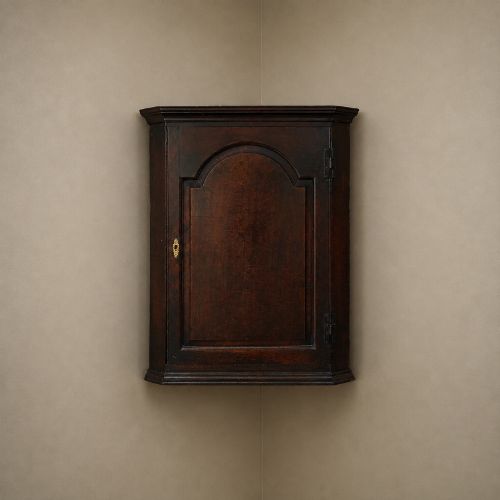
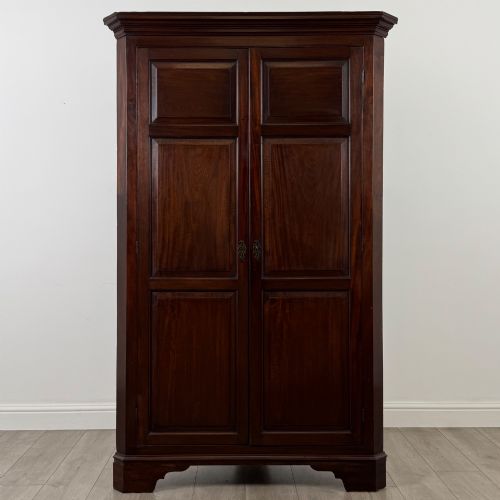
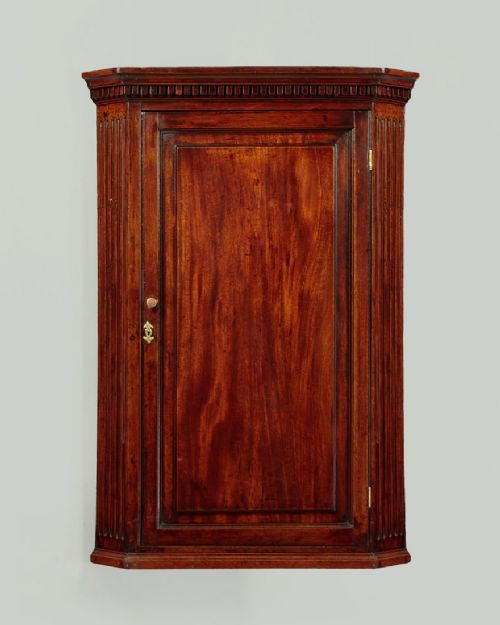
- A specialised cabinet built to fit into the corner of a room, saving space while displaying or concealing contents. These take wall-hanging, standing, or panelled forms.
- Inlay
- A decorative technique where contrasting materials such as fruitwood or satinwood are inserted into depressions within the primary timber. This adorns specific Georgian and seventeenth-century pieces.
- Kaidan Tansu
- A traditional Japanese step chest utilised for storage and access to upper levels in historical homes. They represent the diverse international forms found within these listings.
- Estate cupboard
- A large storage furniture piece historically used in substantial households for linens or provisions. They are typically constructed from solid oak during the Georgian era.
Period Storage Unit: Frequently Asked Questions
Where should I place a corner cupboard?
Corner cupboards suit unused room angles, utilising dead space effectively while adding historical character. Wall-hanging versions attach securely at eye level, whereas standing models anchor directly to the floor.
Ensure the door swing clears surrounding furniture before installation. They work particularly well in dining rooms or hallways for display and storage.
How do I care for antique timber?
Protect antique wood by maintaining stable room humidity and avoiding direct sunlight, which fades timber finishes like mahogany and walnut. Dust regularly with a soft, dry cloth rather than applying silicone-based polishes.
Occasional application of traditional beeswax nourishes the grain without building up heavy residue. Treat brass handles gently during routine cleaning.
What is a step chest?
A step chest, or Kaidan Tansu, is a Japanese storage form built with a stepped profile. Originally designed as movable stairs that doubled as drawer storage in traditional dwellings.
They offer compartmentalized space while serving as striking architectural focal points in modern interiors. Their construction combines practicality with distinctive nineteenth-century craftsmanship.
How do I identify a Georgian chest?
Georgian chests of drawers typically feature solid mahogany or oak construction with hand-dovetailed drawer boxes. Look for period brass handles and proportions characteristic of the eighteenth century.
Drawer configurations often range from three to five drawers, sometimes resting on bracket feet or a separate stand. Examining the secondary timbers inside helps confirm the period of origin.