


Period Storage Trunk
When you seek a period storage trunk, you look for substantial timber vessels that served households for centuries.
Period Storage Trunk
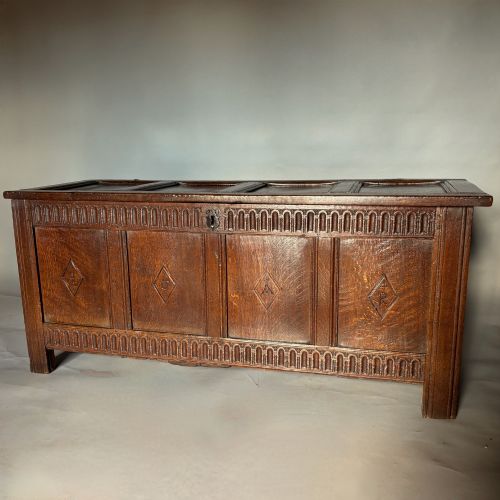
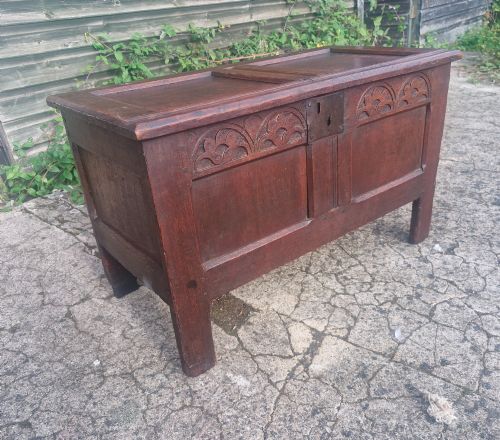
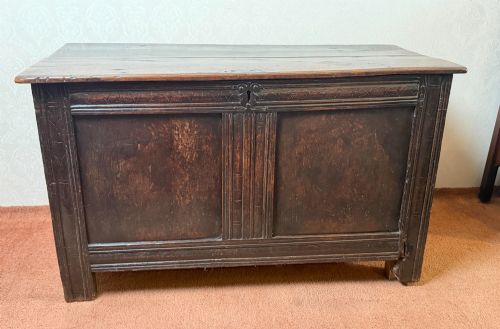
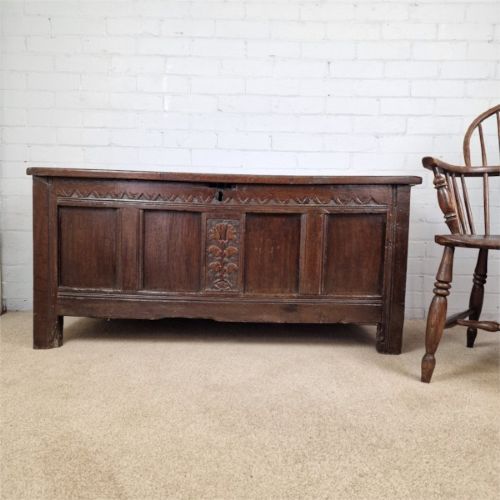
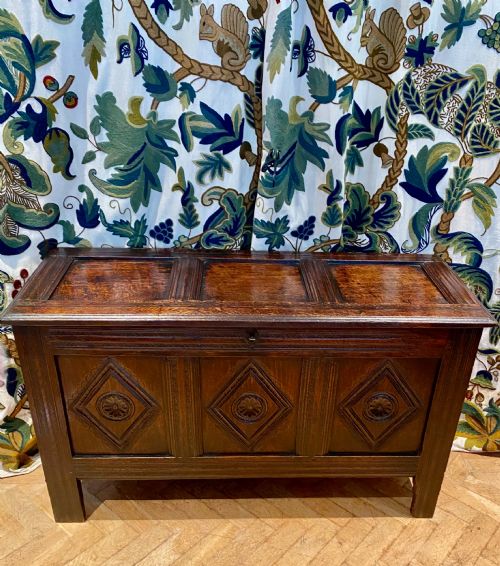
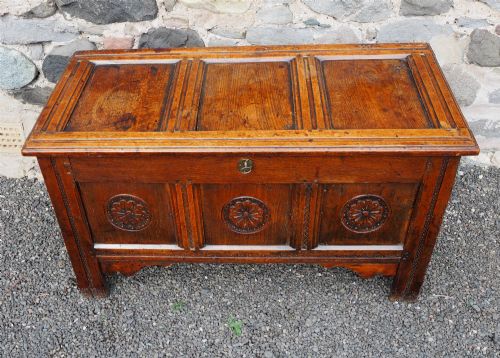
A period storage trunk primarily manifests as an oak coffer, chest, or mule chest originating from sixteenth, seventeenth, and eighteenth-century workshops. These robust wooden containers held household linens, documents, and valuables before dedicated wardrobes and closets became common domestic furnishings.
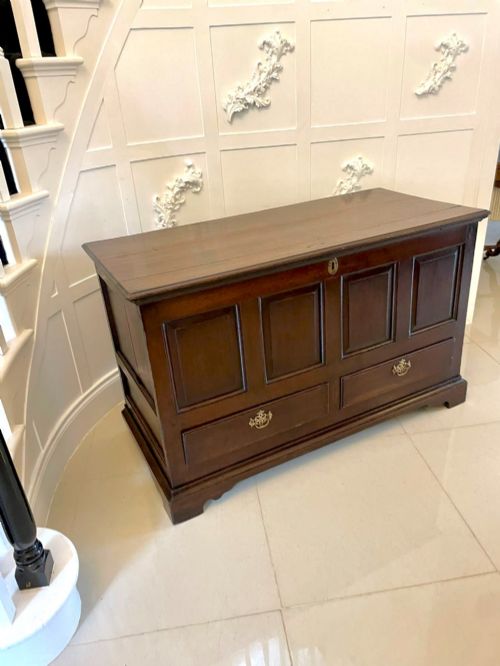
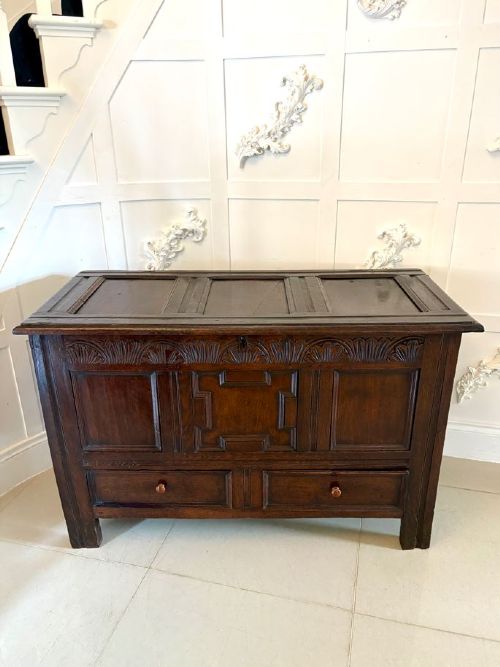
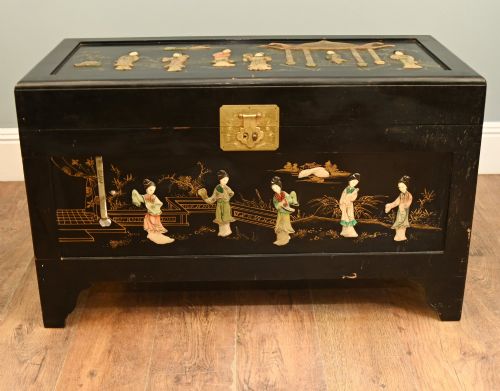
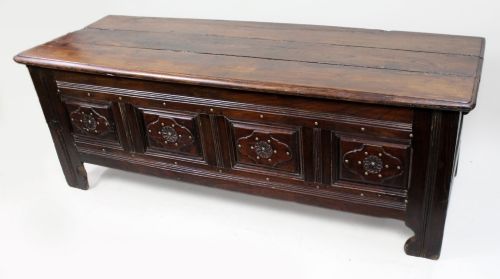
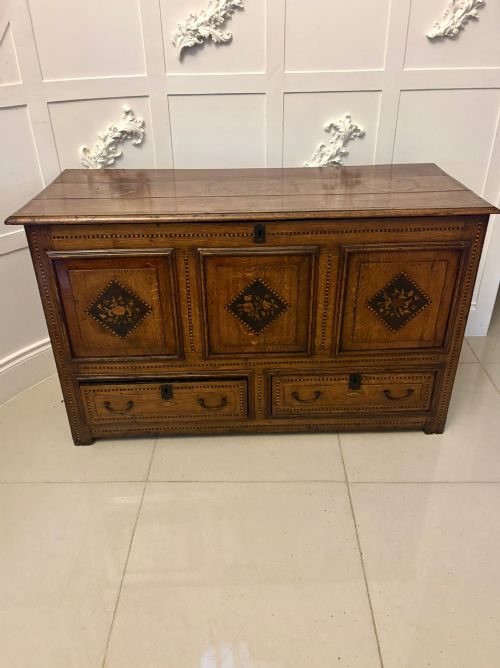
The selections available range from boarded six-plank elm boxes and panelled joined oak coffers to marquetry-inlaid mule chests with lower drawers. Regional British examples sit alongside continental pieces, including French provincial designs and Chinese lacquer wedding chests from later decades.
Materials and construction
Carpenters constructed these trunks predominantly from native hardwoods, principally oak and elm, utilising pegged joints, frame-and-panel techniques, or simple boarded construction. Iron hinges, brass lock plates, and metal fittings secured the lids and provided structural reinforcement against heavy daily use.
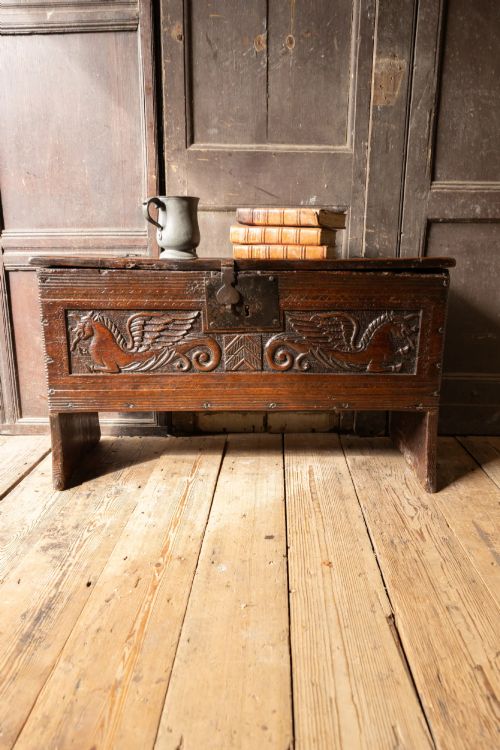
Surface ornamentation involved hand carving, geometric panelling, and occasional marquetry inlay, finished with natural wax polishes that developed deep patinas over generations. Specialised examples incorporated applied mouldings and incised detailing characteristic of Elizabethan, Jacobean, and Georgian periods.
Listings span periods from the sixteenth century through the nineteen-thirties, dominated by seventeenth and eighteenth-century oak panelled coffers.
Markers of distinction
Distinction in these pieces rests on the crispness of hand-carved detailing, the integrity of the original timber framing, and the survival of early ironwork. Examples displaying regional characteristics, such as Welsh Gower Peninsula framing or West Country winged fantastic beasts, demonstrate higher artisan engagement.
The depth of the natural surface patina and the retention of original boards without extensive timber replacement elevate specific pieces. Simpler boarded six-plank elm items contrast with intricately joined and marquetry-inlaid seventeenth-century chests.
The Period Storage Trunk Glossary
- Coffer
- A heavy wooden chest traditionally used for storing valuables, documents, or clothes. These items often feature hinged lids and sturdy boarded or panelled construction.
- Mule chest
- A storage chest featuring one or more drawers built beneath the main internal compartment. This form bridges the traditional coffer and the modern chest of drawers.
- Joined oak
- Furniture constructed using mortise and tenon joints secured with wooden pegs rather than simple nailed boards. This method defines better quality seventeenth-century cabinet making.
- Boarded chest
- A primitive form made from thick planks joined directly at the edges, often reinforced with metal straps. Six-plank examples represent the earliest surviving domestic storage vessels.
- Marquetry
- Decorative inlay work using various woods to create intricate patterns on the surface of the chest. This technique appears on high-status seventeenth-century pieces.
Period Storage Trunk: Frequently Asked Questions
What is a period storage trunk?
A period storage trunk is a wooden chest or coffer originating from historical eras like the sixteenth or seventeenth centuries. These vessels served early households for keeping garments and domestic goods secure.
Today, they function as decorative furniture that provides functional storage space within a home. Their construction reflects the woodworking techniques of past centuries.
How were these trunks used historically?
Households utilised these heavy wooden boxes to store precious textiles, blankets, and important family documents away from damp floors. Their sturdy lids also allowed them to double as impromptu seating or tables.
Because homes lacked built-in closets, these chests were essential portable storage units for moving possessions between residences. Wealthier families stored silver and ceremonial clothing within them.
How do I identify a seventeenth-century oak coffer?
Seventeenth-century oak coffers typically feature frame-and-panel construction secured with wooden pegs, hand-carved geometric or foliate motifs, and forged iron hardware. The timber exhibits the characteristic medullary rays and open grain of native oak.
Many bear carved dates or initials associated with their original owners or construction year. Their proportions tend to be robust and heavy compared to later lightweight furniture.
How do I live with an antique chest?
An antique chest integrates easily into modern living spaces as a window seat, coffee table, or bedroom blanket box. Placing them away from direct heat sources protects the historic timber from drying and splitting.
Interior spaces remain suitable for storing contemporary linens, seasonal garments, or keepsakes. Regular waxing maintains the historical surface patina without harming the wood.