

Period Storage Box
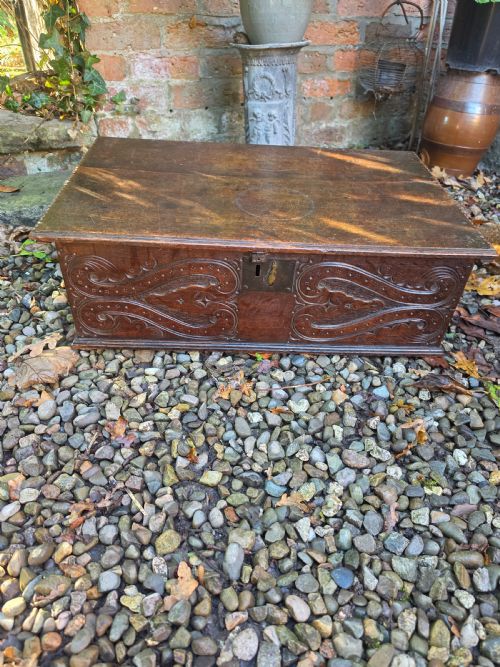
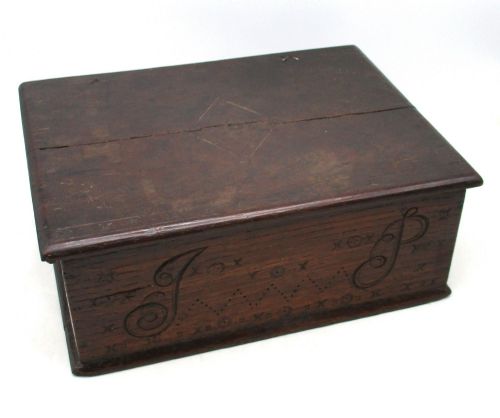
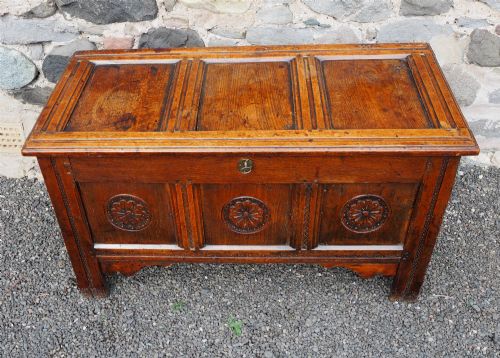
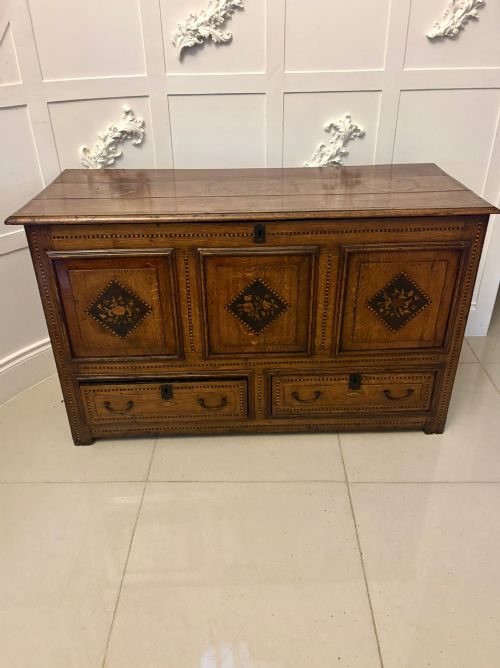
A period storage box delivers centuries of utility, ranging from small oak bible boxes to substantial mule chests built for domestic belongings.
Period Storage Box
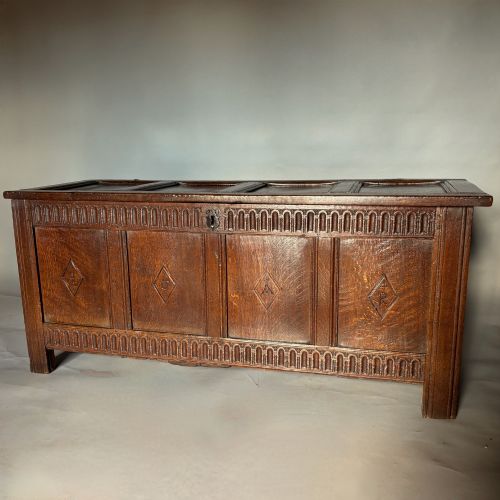
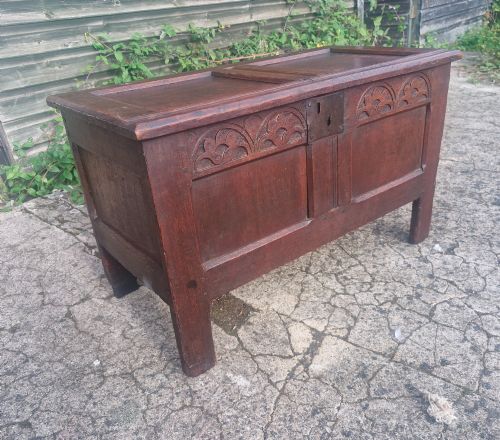
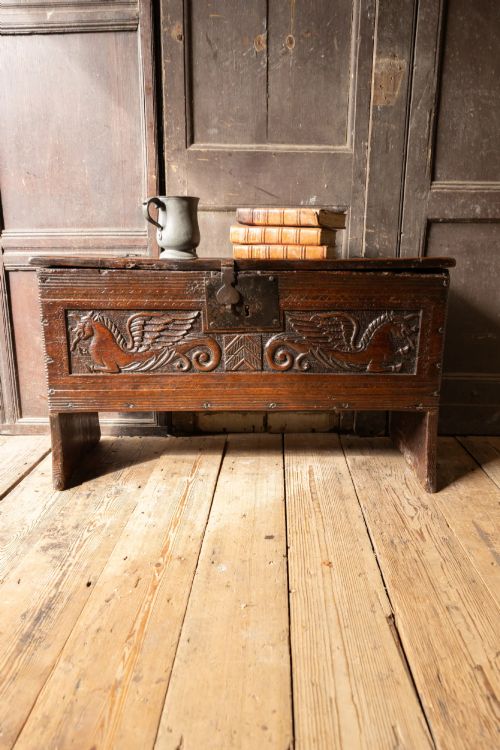
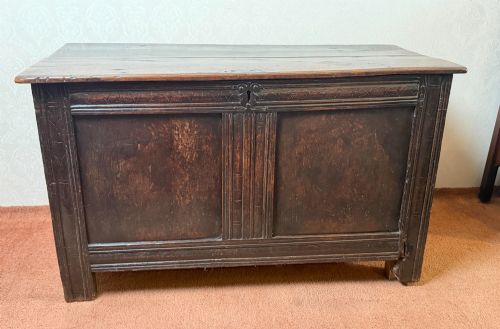
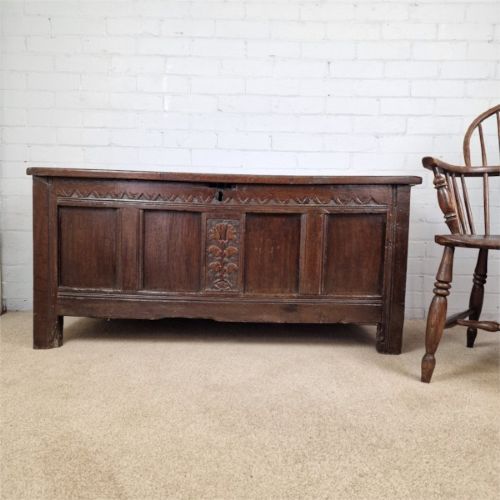
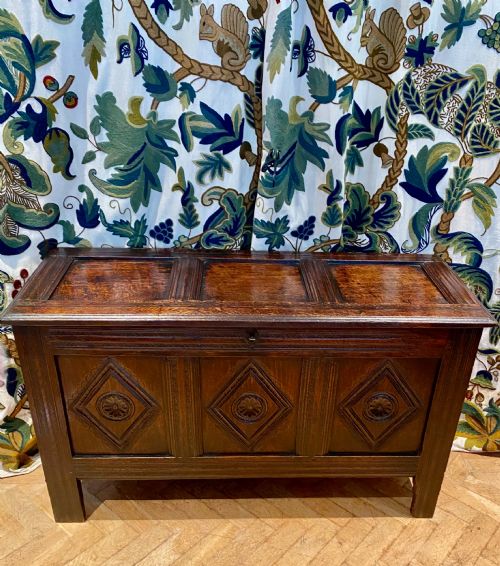
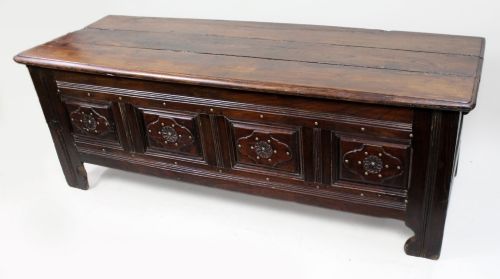
A period storage box encompasses a broad category of historic containers, with oak coffers and chests forming the largest group available on this page. These objects served essential domestic functions for securing valuables, documents, and textiles before fitted wardrobes became common.
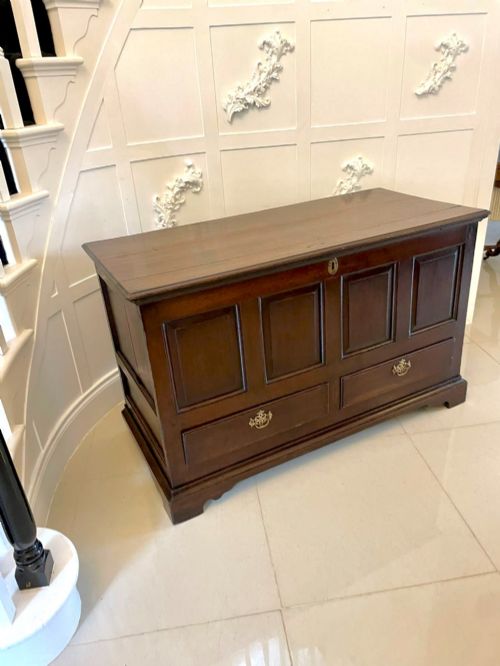
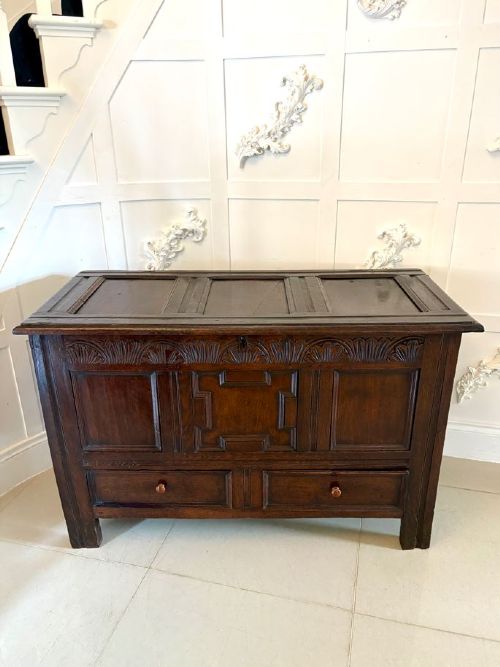
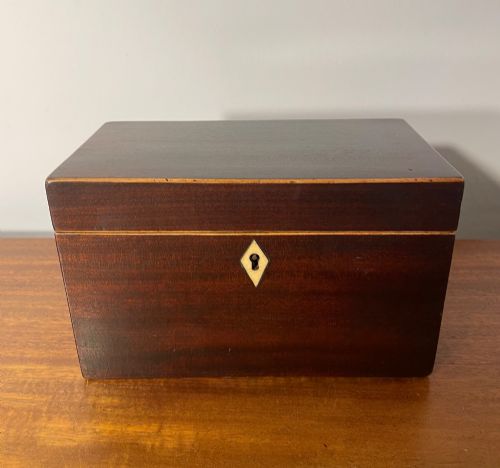
The selection ranges from sixteenth-century boarded and carved examples to seventeenth-century joined oak boxes and eighteenth-century mule chests. Smaller tabletop forms such as bible boxes, document boxes, and tea caddies also appear alongside larger floor-standing chests.
Regional variations emerge across England, Wales, and continental Europe, displaying distinct carving styles and structural methods. Buyers encounter both vernacular six-plank constructions and sophisticated joined frameworks featuring panels and mouldings.
Materials and Construction Techniques
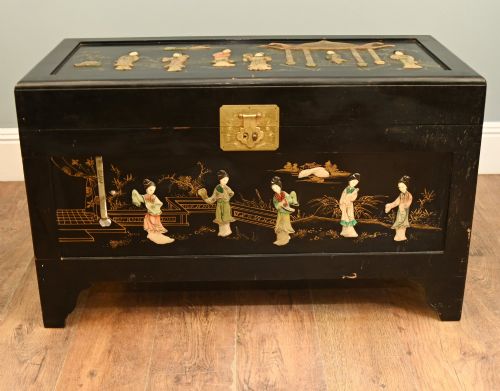
Oak dominates the material record, complemented by walnut, elm, and imported lacquer on specific pieces. Timber was typically cleft or sawn manually, reflecting the technical limitations and capabilities of early woodworking.
Joinery methods define the structural integrity of these boxes, utilising pegged mortise and tenon joints for joined coffers, while earlier boarded chests rely on simple nailed or pegged side planks. Iron hinges, brackets, and brass lock plates provide essential reinforcement and security.
Surface ornamentation relies on hand-carving, geometric panelling, and occasional marquetry inlay. Finish is developed through centuries of wax application and natural oxidation rather than modern varnishes.
Object forms range from large joined coffers and mule chests down to miniature document boxes, tea caddies, and lace containers.
Distinctions in Quality
Quality rests upon the proportion of original timber remaining intact, particularly regarding lids, baseboards, and hinge assemblies. Replacements and extensive timber grafting diminish historical coherence.
The crispness and depth of hand-carving distinguish standard vernacular boxes from exceptional workshop productions. Master carvers executed intricate strapwork, foliate patterns, and figurative details with notable precision.
Structural complexity influences value, separating simple boarded containers from sophisticated framed panel chests with integrated drawers or marquetry decoration.
The Period Storage Box Glossary
- Coffer
- A heavy wooden chest traditionally used for storing valuables or dry goods. These sturdy containers often feature hinged lids and raised feet to protect contents from damp floors.
- Mule chest
- A storage chest featuring one or more drawers at the base beneath the main compartment. This form bridges the evolution between the traditional coffer and the modern chest of drawers.
- Boarded chest
- A primitive box constructed from thick planks fastened together with nails or wooden pegs. This method represents one of the earliest forms of wooden chest construction.
- Joined coffer
- A chest constructed using a framed skeleton of stiles and rails fitted with thin central panels. This technique allowed wood to expand and contract naturally without splitting.
- Bible box
- A small tabletop box with a sloping lid, designed to house a family Bible and writing materials. These compact containers often double as desk surfaces.
Period Storage Box: Frequently Asked Questions
What is a mule chest?
A mule chest is a storage box that incorporates one or more drawers beneath the main compartment. This design combines open chest storage with accessible drawer space.
They emerged during the seventeenth and eighteenth centuries as households sought more organised storage solutions for clothing and textiles.
How do I date an oak coffer?
Dating relies on examining construction methods, tool marks, and stylistic motifs such as carved strapwork or panel styles. Sixteenth and seventeenth-century examples typically utilise pegged joinery and hand-rived timber.
Changes in hardware like hinges and lock plates also provide clues, though fittings are frequently replaced over centuries of use.
Were these boxes used for clothes?
Large coffers and mule chests served primarily for storing garments, household linens, and woollens before built-in closets existed. Their enclosed spaces protected textiles from dust and pests.
Smaller boxes fulfilled different domestic roles, safeguarding legal documents, Bibles, lace, or valuables.
How should I care for historic oak?
Historic oak requires stable indoor humidity and protection from direct sunlight and heat sources to prevent wood shrinkage and splitting. Feeding the timber occasionally with traditional beeswax helps maintain the finish.
Avoid modern silicon polishes or heavy liquid cleaners that can penetrate porous historic wood surfaces.