




Period Standing Mirror
A period standing mirror brings upright reflection into a room, offering tall timber frames and swivelling plates that suit a dressing space.
Period Standing Mirror
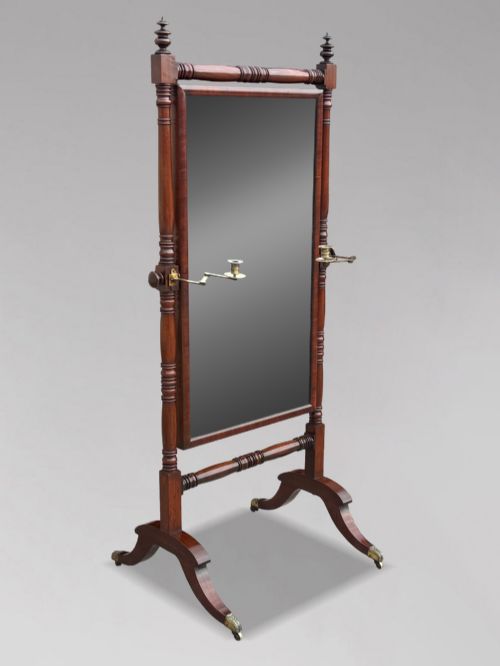
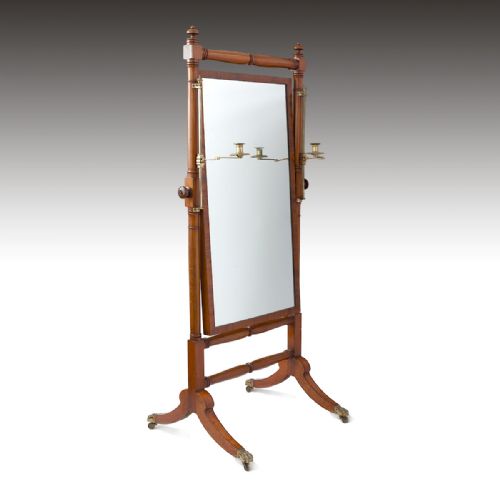
A period standing mirror is typically encountered here as a large mahogany cheval glass dating from the Regency era or the wider nineteenth century. These tall dressing mirrors allow a full-length view, mounted on upright floor frames with pivoted pivots for tilting the glass.
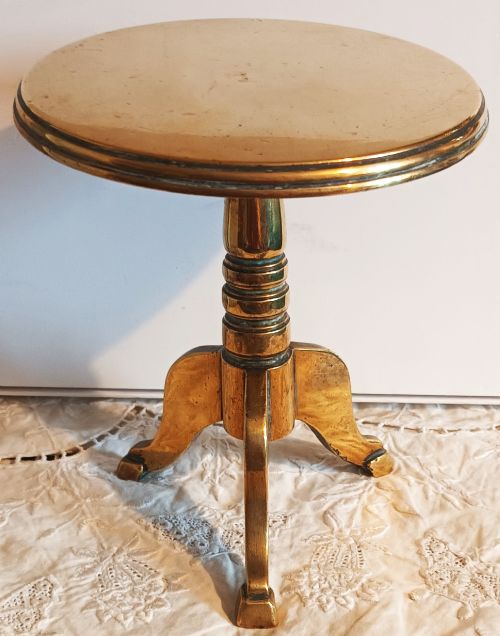
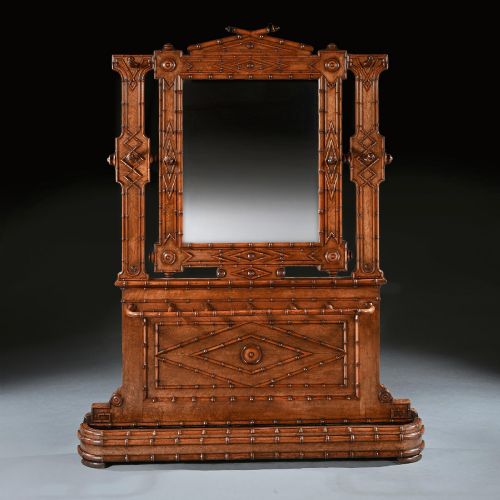
Beyond the classic floor-standing cheval forms, the selection includes smaller pedestal and table mirrors in bronze and brass, alongside related furnishings like hall stands and washstands from later nineteenth-century and art deco periods.
The dominant material signature across these standing examples is rich mahogany, often paired with brass mounts, alongside occasional French empire bronze or birdseye maple variants.
How they were made
Makers utilised dense timbers such as flame mahogany and birdseye maple, building sturdy floor frames to support the heavy weight of swinging glass plates. Joinery relied on traditional framing techniques to maintain rigidity in tall, upright structures.
Metal elements involve cast bronze and brass, utilised for adjustable pedestals, mounts, and pivoting hardware. Ormolu and gilt finishes frequently accent the metallic components on French empire and later pieces.
Period Standing Mirror Retail Price Guide 2026
Typical asking prices for period standing mirror among the pieces listed under this phrase on Sellingantiques today, from the lower quarter to the upper quarter. They describe what is for sale here now, not the wider market.
Listings feature mahogany, bronze, brass, and birdseye maple across the nineteenth century and art deco periods.
What varies in quality
The distinction between standard examples and top-tier pieces rests on the choice of timber and the ambition of the design, such as large country house proportions executed in figured mahogany. Finer items display crisper brass mounts and more sophisticated architectural framing.
Proportion and stability dictate the merit of a standing mirror, where heavier woods and balanced swivel mechanisms ensure the tall frame stands securely without strain on the pivots.
The Period Standing Mirror Glossary
- Cheval mirror
- A large standing dressing glass supported on four legs and a vertically pivoting frame. This form permits a full-length reflection.
- Regency
- A style period spanning the early nineteenth century, known for classical restraint and elegant mahogany furniture. Pieces often feature brass inlay or mounts.
- Ormolu
- Gilded bronze applied as decorative mounts on furniture and mirrors. It provides bright metallic contrast against dark timbers.
- Birdseye maple
- A decorative timber figuring showing small circular eyes within the grain. It appears frequently in later nineteenth-century decorative pieces.
Period Standing Mirror: Frequently Asked Questions
What is a cheval mirror?
A cheval mirror is a tall floor-standing dressing glass hung on pivots within a stable frame. This allows the user to tilt the glass plate to various angles for a full-length view.
Most examples date from the nineteenth century and utilise heavy timbers like mahogany to support the swinging weight.
How do I place a standing mirror?
These tall mirrors require adequate floor space and a secure wall proximity to prevent tipping, particularly given their heavy timber and glass construction. They function best in bedrooms or dressing rooms where full-length reflection is necessary.
Ensure the floor beneath the feet is level so the pivoting frame operates smoothly without twisting the joints.
Are bronze table mirrors adjustable?
Many period pedestal and table mirrors feature adjustable mounts that allow the glass plate to angle as required. Bronze and brass hardware facilitates this movement while adding decorative weight to the base.
These smaller vanity pieces were designed for dressing tables rather than the floor.
How do I identify a Regency period mirror?
Regency mirrors show classical architectural lines, rich mahogany surfaces, and often incorporate brass candle sconces or gilt metal mounts. The proportions tend to be grand, especially in country house examples.
Construction details include period timber seasoning and traditional joinery characteristic of the early nineteenth century.