

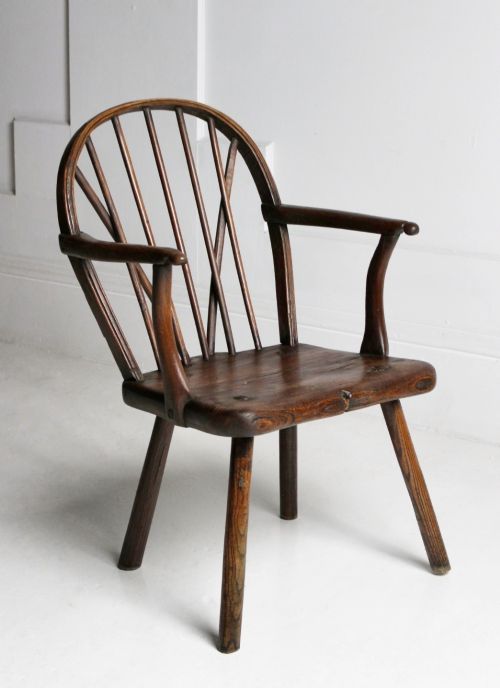


Period Spindle Back Chair
A period spindle back chair brings genuine vernacular character to a room, offering robust construction and honest timber forms shaped by centuries of use.
Period Spindle Back Chair
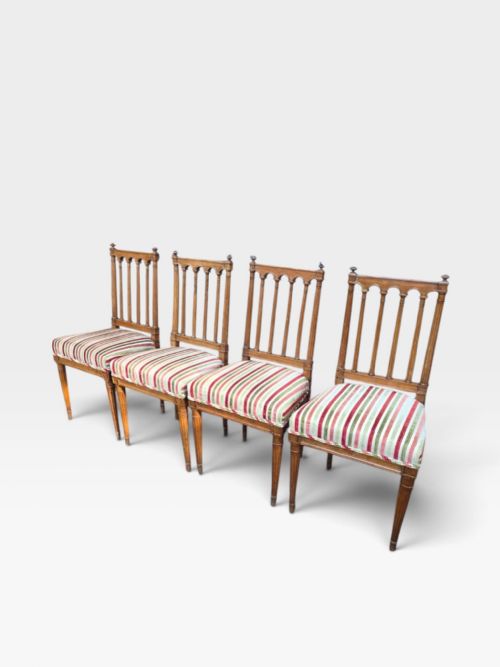
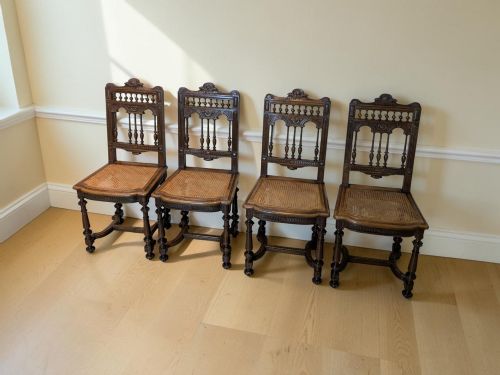
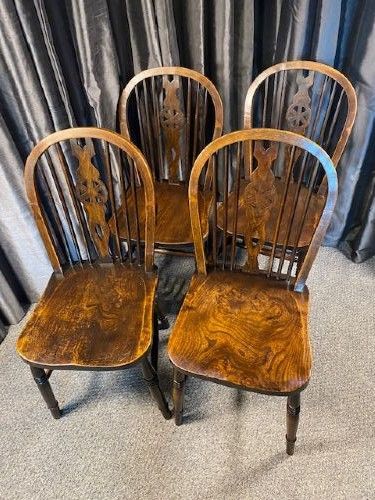
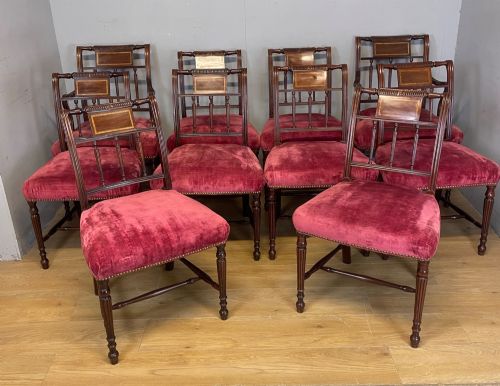
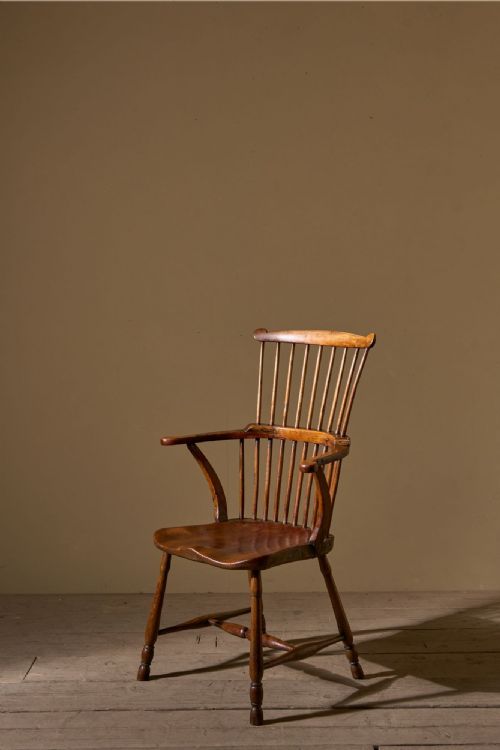
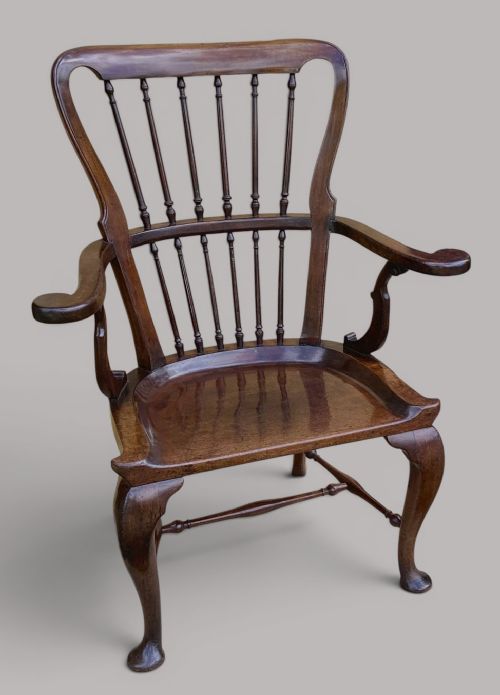
When you search for a period spindle back chair, you encounter an array of seating ranging from vernacular country windsor armchairs to refined Edwardian dining sets. These pieces utilise traditional turned spindles and sturdy uprights to support the back, balancing structural strength with visual lightness.
You are most likely to meet elm and ash windsor variants from the eighteenth century alongside nineteenth century oak farmhouse chairs and later mahogany dining sets. The selection spans armchairs, side chairs, nursing chairs and child chairs, reflecting domestic needs across multiple eras.
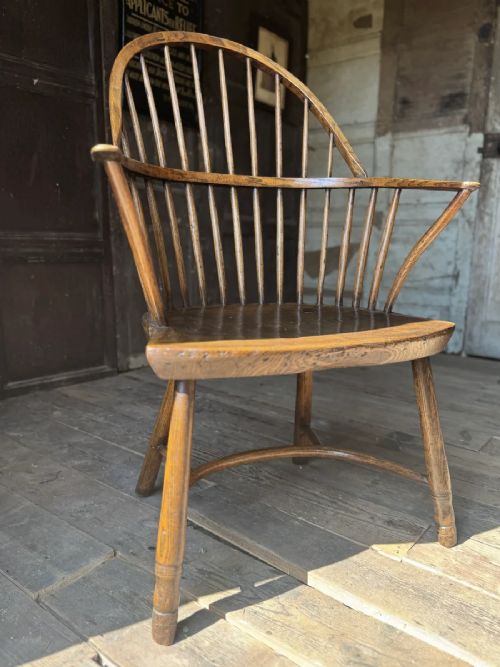
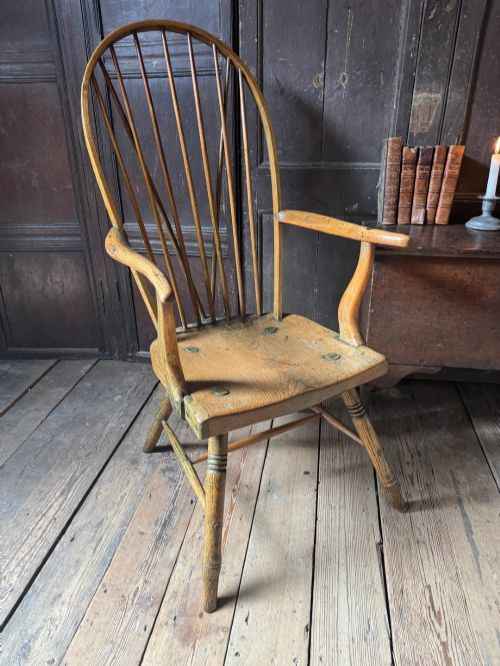
Regional variations emerge clearly across the inventory, with West Country makers producing distinctive hooped armchairs whilst Welsh workshops turned solid oak farmhouse seating. Each form preserves the utilitarian aims of its maker, whether built for a rustic kitchen or a formal Edwardian salon.
How they were made
Makers constructed these chairs primarily using native timbers such as elm, ash, oak and mahogany, selecting each wood for its specific structural properties. Elm frequently served for solid saddle seats due to its resistance to splitting, while ash and oak provided flexible yet rigid material for bent limbs and turned spindles.
Joinery relied on traditional techniques including wedged tenons and mortise joints, supplemented by steam-bending to achieve the curved crest rails and hoops characteristic of windsor designs. Turned components required a lathe to shape the spindles and legs accurately before hand-finishing with simple oils or waxes.
Period Spindle Back Chair Retail Price Guide 2026
Typical asking prices for period spindle back chair among the pieces listed under this phrase on Sellingantiques today, from the lower quarter to the upper quarter. They describe what is for sale here now, not the wider market.
The listings encompass items spanning the eighteenth century through to the Edwardian period, utilising primary woods like mahogany, elm, ash and oak.
What varies in quality
The distinction between ordinary and superior examples lies in the selection of timber and the harmony of the turning. Better chairs display well-matched grain patterns in the seat and balanced, crisp turnings on the spindles and legs that reveal the maker's eye for proportion.
Structural integrity also separates the grades, as exceptional pieces maintain their original wedged joints and crinoline stretchers without excessive replacement parts. Refined urban models show sophisticated styling such as Sheraton inlay or ebonised surfaces, contrasting with the robust simplicity of country vernacular pieces.
The Period Spindle Back Chair Glossary
- Windsor chair
- A chair built with a solid wooden seat into which the legs and back spindles are driven directly. These forms developed strong regional identities across English counties.
- Spindle back
- A chair back constructed from numerous slender turned wooden rods rather than a solid splat. This arrangement distributes weight efficiently while keeping the frame light.
- Crinoline stretcher
- A curved under-stretcher connecting the legs of a chair to provide lateral stability. It often sweeps backward in a loop reminiscent of a crinoline skirt.
- Vernacular furniture
- Domestic objects made by local craftsmen using traditional regional methods rather than following high-style academic designs. These pieces prioritise utility and local materials.
Period Spindle Back Chair: Frequently Asked Questions
How do I care for an antique wooden chair?
Maintain timber chairs by keeping them away from direct heat sources and sudden humidity shifts that cause wood to split. Apply a microcrystalline wax occasionally to nourish the surface without attracting dust.
Avoid using modern silicone polishes which penetrate the grain and damage historic finishes. Gentle dusting with a dry cloth preserves the patina built up over generations.
Are these chairs suitable for daily dining use?
Many of these chairs served around dining tables originally and remain robust enough for everyday seating. Solid construction in timbers like oak, ash and elm ensures lasting stability under regular use.
Check joints periodically for movement to prevent minor looseness from turning into structural damage. Heavier use suits sturdy vernacular forms rather than delicate salon or child chairs.
How do I distinguish regional styles?
Regional differences appear in the choice of local woods and characteristic turning details on the legs and stretchers. West Country makers often utilised distinctive hooped backs and crinoline stretchers on their windsor armchairs.
Welsh workshops favoured solid oak for farmhouse seating built for heavy domestic service. Comparing the timber species and turning profiles helps identify these geographical origins.