


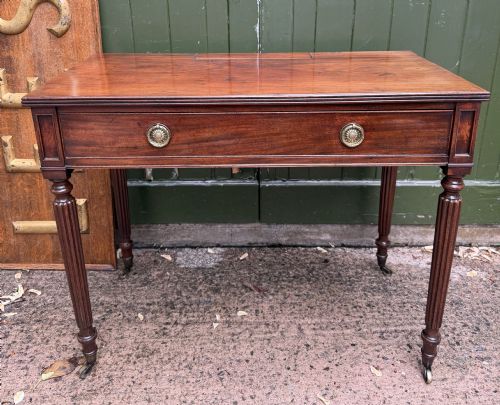


Period Small Drawers
Period small drawers offer compact storage and refined craftsmanship, spanning oak, mahogany and walnut across several centuries.
Period Small Drawers
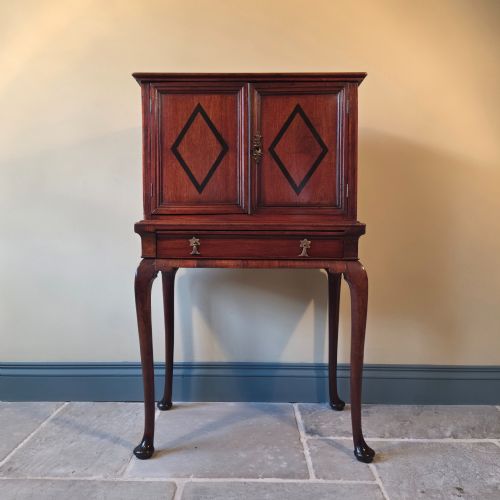
Period small drawers encompass chests of drawers, side tables, desks, cabinets and miniature furniture built to condensed proportions. These items emerge from the 17th century through the Georgian, Regency and Victorian eras, reflecting the domestic needs of their times.
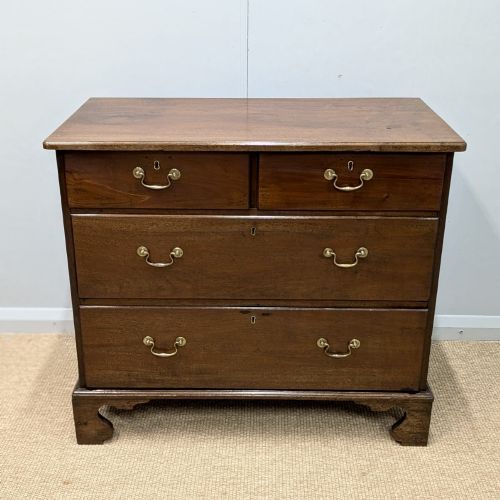
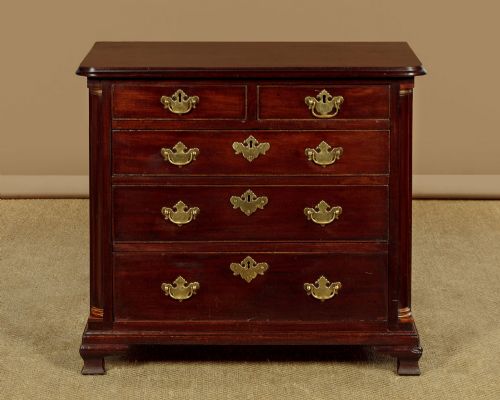
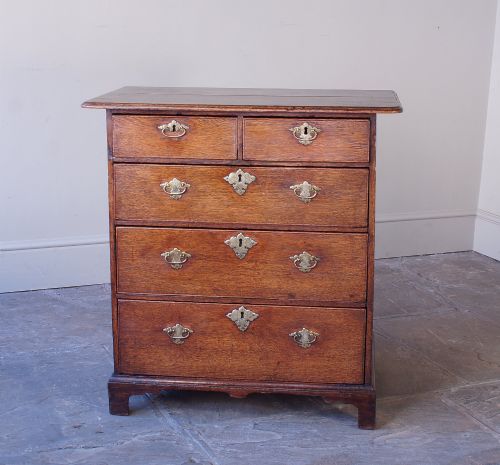
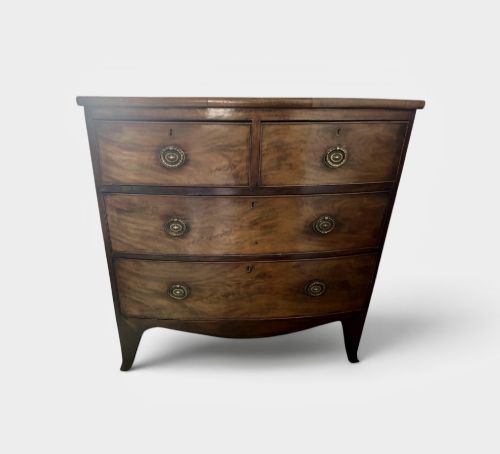
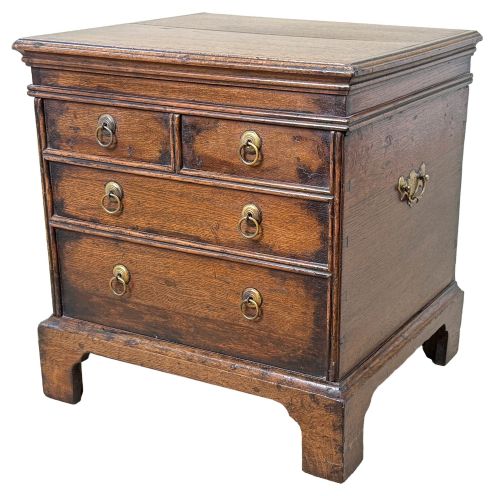
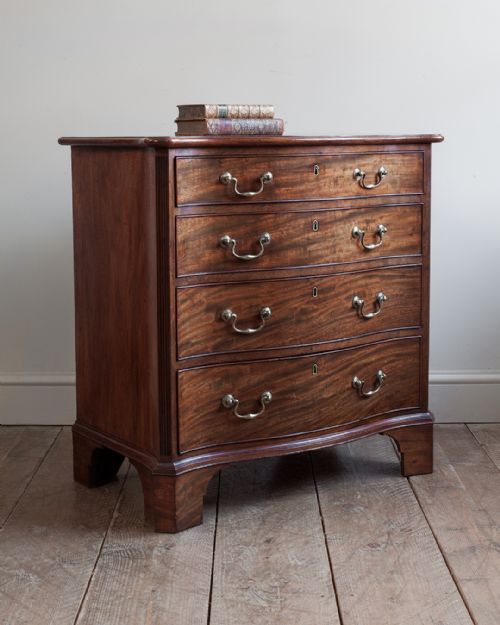
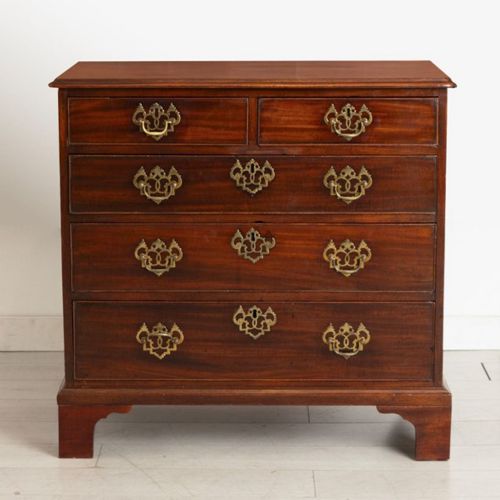
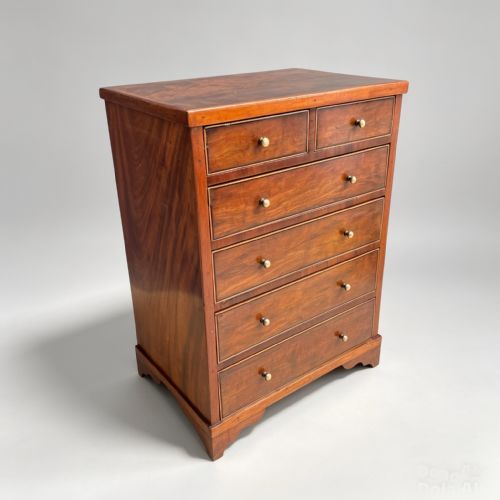
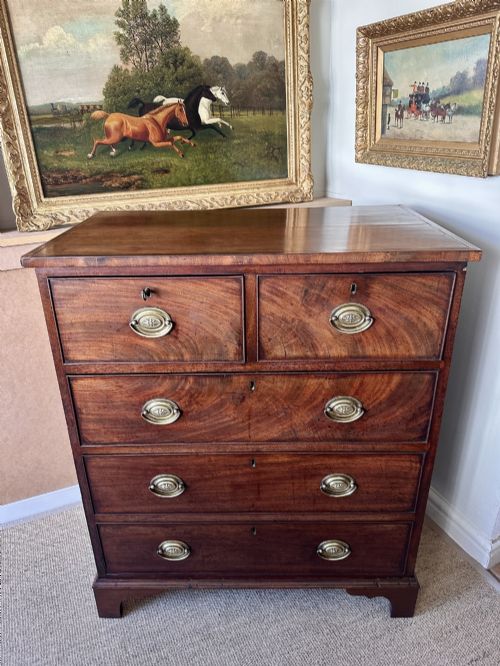
The most common examples on this page are mahogany and oak chests from the 18th and 19th centuries, often featuring bow fronts, bracket feet or brushing slides. Buyers also encounter side tables, miniature apprentice chests and specialised cabinets.
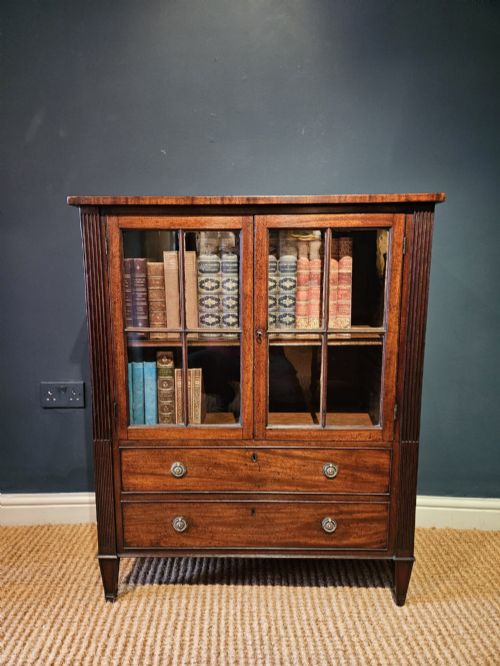
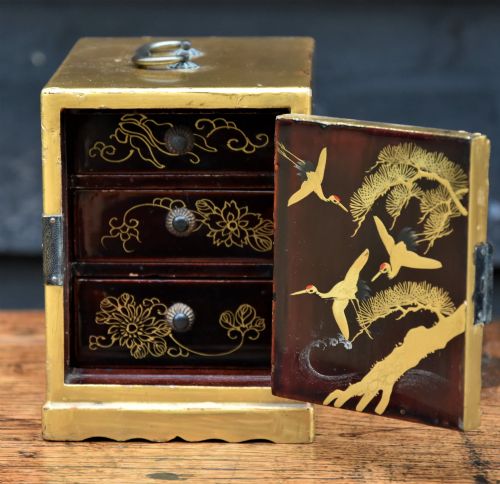
The category extends to diverse forms such as Japanese lacquer table cabinets, walnut bureaux and occasional writing tables. Each piece demonstrates how makers adapted larger furniture forms for intimate spaces or desktop use.
Materials and construction methods
Timbers such as mahogany, oak and walnut provide the structural foundation, occasionally enhanced by cross-banding or lacquer finishes. Cabinetmakers selected these woods for durability and grain figure, shaping them into compact carcases and tabletops.
Hardware details involve brass handles, escutcheons and working locks that secure drawers and cabinet doors. Joinery techniques include dovetailing for drawer construction and bracket or turned feet to support the weight of the timber.
Period Small Drawers Retail Price Guide 2026
Typical asking prices for period small drawers among the pieces listed under this phrase on Sellingantiques today, from the lower quarter to the upper quarter. They describe what is for sale here now, not the wider market.
Several small chests hide sliding compartments and secret wells designed to keep personal correspondence out of prying eyes.
Distinguishing quality factors
The grade of timber selection and the precision of the cabinetmaker's joinery dictate the overall standard of a piece. Finer examples display well-figured mahogany or walnut veneers, tight dovetails and proportionate scaling.
Originality of surface finish and hardware substantially elevates a piece's integrity. Elements like untouched brass handles, period bracket feet and retaining keys indicate a higher grade of preservation.
Gillows of Lancaster
The Period Small Drawers Glossary
- Bracket foot
- A furniture foot shaped like a bracket, commonly seen on 18th-century chests and cabinets. It lifts the carcase slightly off the floor.
- Brushing slide
- A pull-out shelf fitted above the top drawer of a chest or bureau. It provided a clean surface for writing or grooming.
- Bow front
- A convex curved front on a chest of drawers or sideboard. This style gained popularity during the Georgian and Regency periods.
- Cross-banding
- A decorative border of veneer laid around the edges of a tabletop or drawer front. The grain runs perpendicular to the main panel.
- Kodansu
- A small Japanese tabletop cabinet containing multiple internal drawers. These pieces often feature lacquer decoration and metal fittings.
Period Small Drawers: Frequently Asked Questions
What are period small drawers?
Period small drawers are compact antique storage items including miniature chests, side tables, desks and cabinets built before the 20th century. They served various domestic functions in bedrooms, libraries and studies.
Craftsmen constructed them in timber such as oak, mahogany and walnut, reflecting the design movements of the 17th, 18th and 19th centuries.
How were small chests used?
These pieces provided secure storage for documents, jewellery, currency and personal accessories in private chambers. Miniature versions also served as apprentice pieces or desktop collector cases.
Their reduced scale allowed placement on tables or in smaller rooms where standard furniture would not fit.
How do I date a small chest?
Dating relies on examining the timber species, joinery methods, hardware and overall stylistic proportions. Oak construction often points to the 17th or early 18th century, while mahogany and satinwood suggest Georgian or Regency eras.
Drawer construction, such as hand-cut dovetails and the presence of original brass handles or locks, also indicates the period of manufacture.
Where should I place them?
Small chests and side tables fit easily into hallways, living rooms and bedrooms as bedside units or lamp tables. Their compact dimensions suit modern interiors while retaining antique character.
Ensure they sit away from direct heat sources and strong sunlight to protect the timber and veneer surfaces.