



Period Silver
Period silver encompasses historic items shaped from precious metal across centuries, prized for tangible connections to past craftsmanship and domestic rituals.
Period Silver
When searching for period silver, buyers encounter an array of historic objects spanning multiple centuries, from early flatware to decorative tableware. The selection includes items originating from the 17th century onwards, reflecting distinct eras of design and craftsmanship.
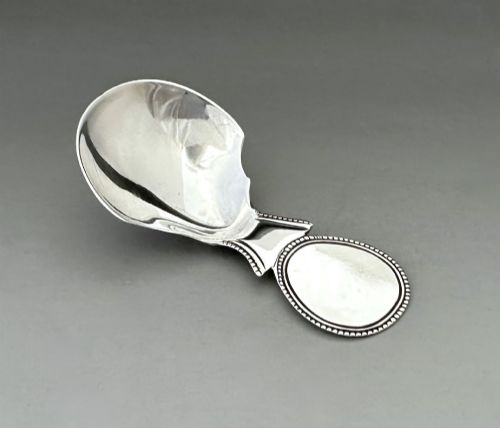
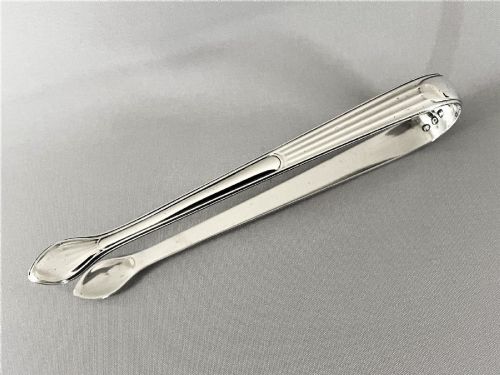
The objects most frequently met on this page range from Georgian serving spoons and salt cellars to Victorian sugar baskets and Edwardian pieces. These functional domestic items demonstrate the enduring utility and aesthetic appeal of precious metalwork through successive generations.
Materials and Techniques
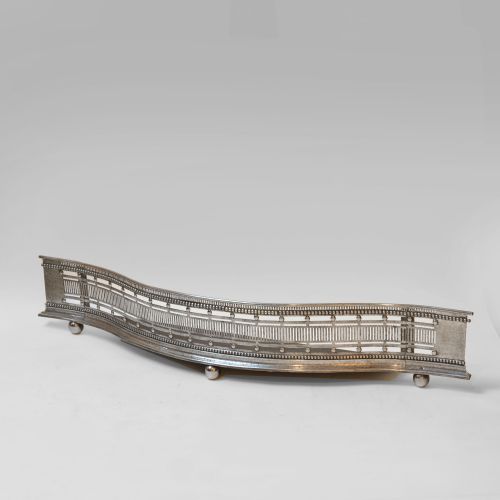
Makers utilised sterling silver alongside standard silver alloys, shaping the metal through hammer work, casting, and intricate piercing. Many pieces incorporate supplementary materials such as glass liners, steel components, or gold and bronze highlights.
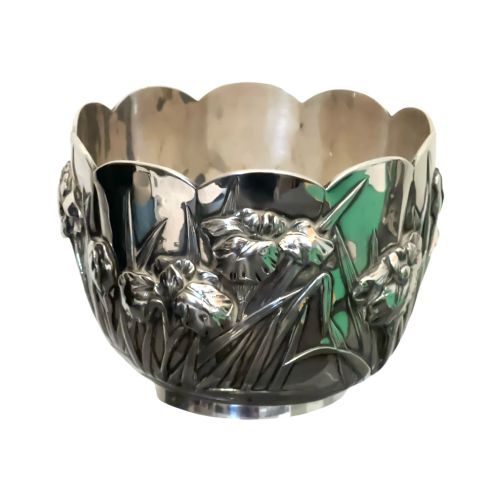
Surface decoration often involved hand engraving, embossing, and silver gilt finishes, particularly on items like trefid spoons and decorative boxes. These traditional techniques ensured structural durability while producing fine ornamental detail.
Period Silver Retail Price Guide 2026
Typical asking prices for period silver among the pieces listed under this phrase on Sellingantiques today, from the lower quarter to the upper quarter. They describe what is for sale here now, not the wider market.
Listings incorporate items spanning from the 17th century through the Victorian and Edwardian eras, utilising silver, sterling silver, and silver plate.
Quality Variations
The standard of a piece depends heavily on the crispness of its hallmarks, the preservation of original surface detail, and the integrity of any applied decoration. Finer examples retain clear maker marks and proportional balance without excessive wear from past polishing.
Construction methods also distinguish superior items, such as the solid weight of early trefid spoons compared to lighter plated wares. The harmony between primary metal and secondary elements like glass liners or wooden mounts dictates overall refinement.
Wang Hing And Co·Bateman Family·William Penstone·Isaac Davenport
The Period Silver Glossary
- Trefid spoon
- An early form of dining spoon featuring a trilobed terminal handle and a flat stem. These pieces date back to the late 17th century and represent significant milestones in domestic cutlery.
- Hallmark
- An official stamp applied to precious metals to guarantee purity and identify the maker. These marks provide crucial evidence for dating items accurately.
- Silver gilt
- Silver coated with a thin layer of gold on its surface. This technique was frequently utilised to enrich the interior of vessels or decorative tableware.
- Sheffield plate
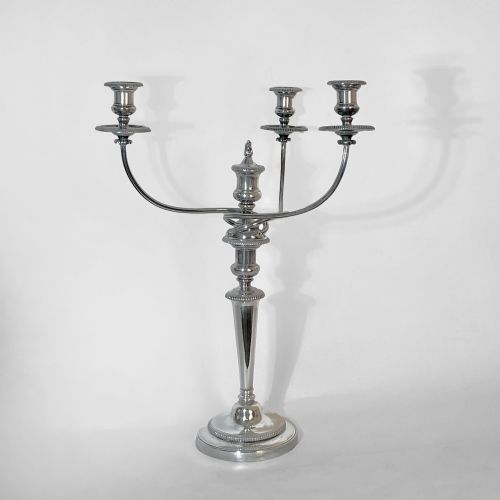
- An early composite material made by fusing a sheet of silver to a copper base. It preceded modern electroplating and remains notable in older candelabras and serving wares.
- Dognose spoon
- An alternative 17th-century flatware term for a trifid variation with a rounded terminal. Collectors prize these for their scarcity and early manufacturing traits.
Period Silver: Frequently Asked Questions
What defines period silver?
Period silver refers to authentic historic items fashioned from silver during designated historical eras like the Georgian or Victorian periods.
These pieces carry verifiable characteristics and hallmarks that distinguish them from modern reproductions.
How do I clean old silver?
Historic silver requires gentle handling using specialised non-abrasive cloths and mild cleaning solutions.
Avoid harsh chemical dips that strip away the subtle patinas accumulated over centuries of existence.
What are silver hallmarks?
Hallmarks are official impressions stamped onto precious metal items to denote standard purity, assay office, and maker identity.
Reading these tiny marks allows collectors to trace an object's precise origin and manufacturing date.
Are glass liners original?
Many period items like salts and baskets were paired with fitted glass liners during manufacture.
While replacements exist, matching original glass components significantly enhances the historical completeness of the piece.