



Period Secretary Desk
A period secretary desk combines private storage and a writing surface, bringing centuries of cabinet-making craft into a room.
Period Secretary Desk
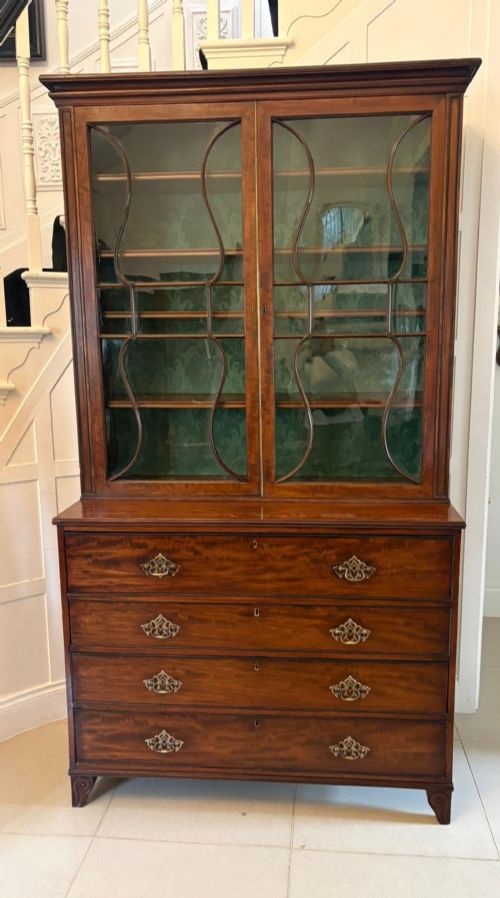
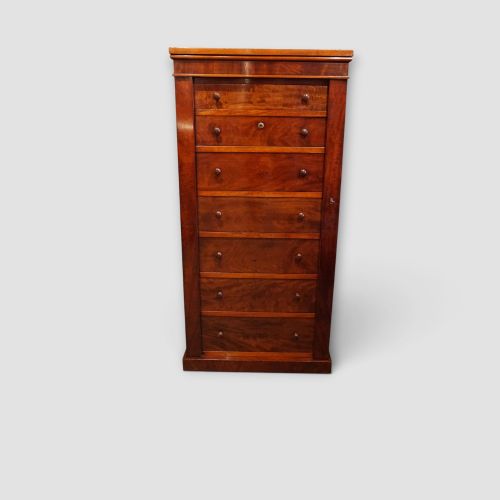
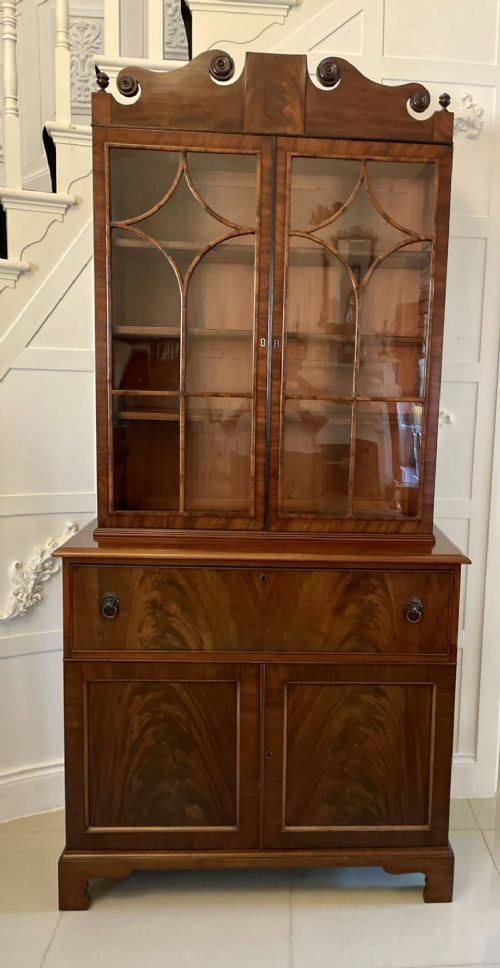
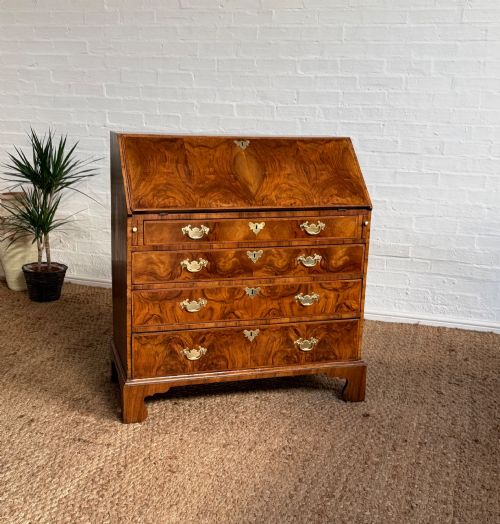
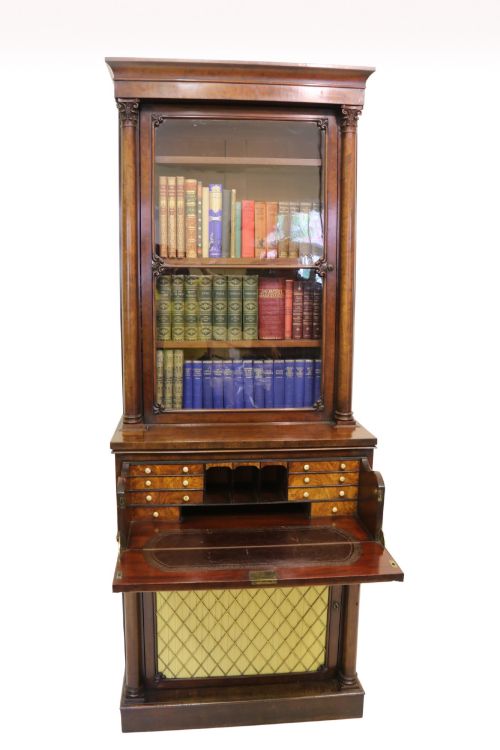
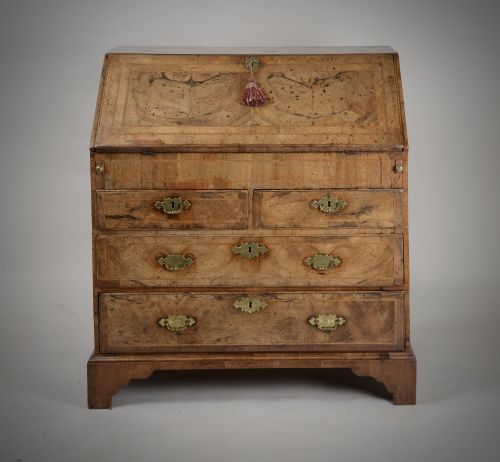
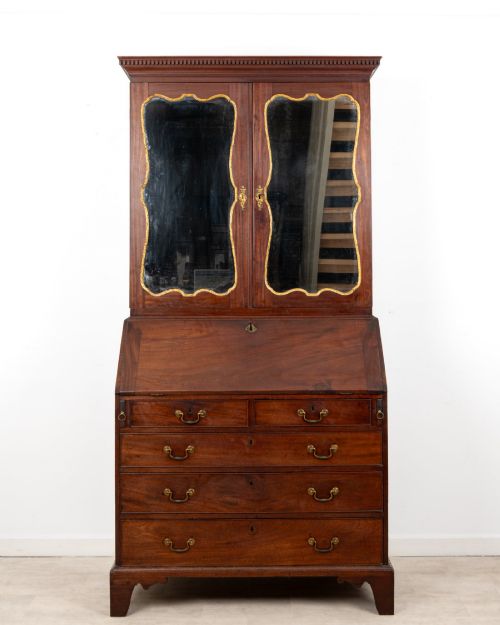
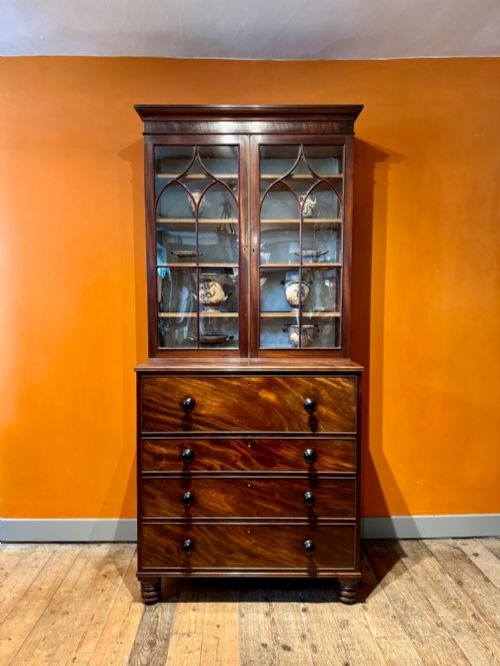
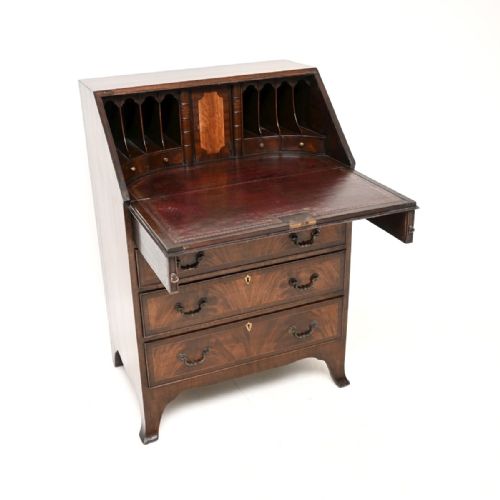
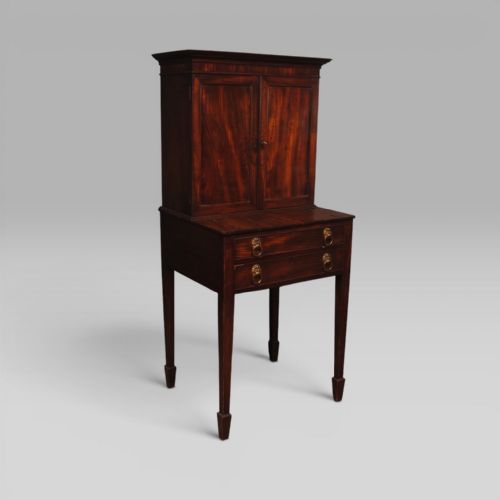
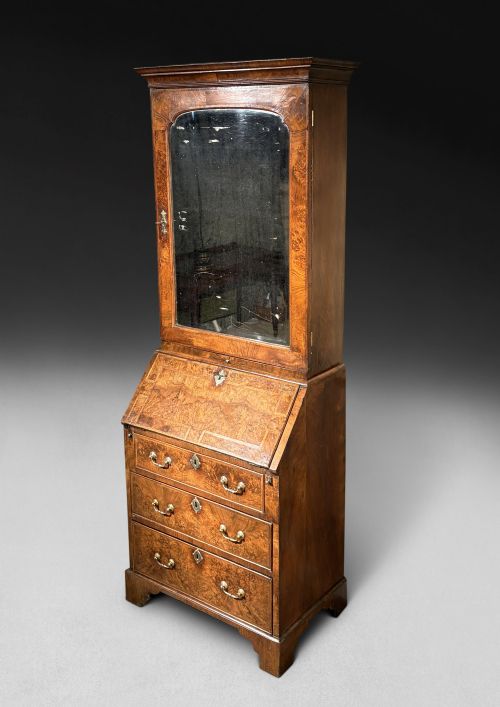
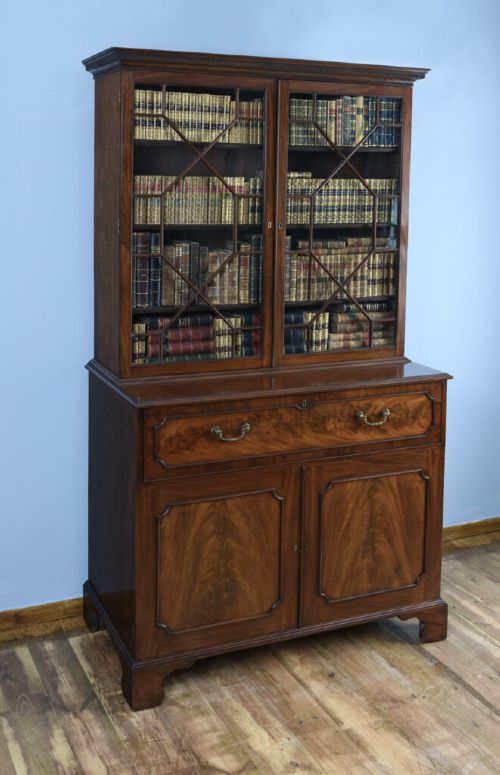
A period secretary desk appears across these listings in several distinct forms, including bureau bookcases, fall-front bureaux, escritoires, and secretaire chests. The selection spans the seventeenth, eighteenth, and nineteenth centuries, with Georgian and Regency examples appearing most frequently alongside earlier William and Mary pieces.
The objects serve dual purposes as practical writing furniture and substantial display or storage cabinets. Many feature upper glazed doors for books, fitted internal compartments with small drawers and pigeonholes, and lower drawers or locking flaps.
Makers utilised diverse regional styles and proportions, ranging from tall walnut bookcase cabinets to diminutive Regency writing desks and elm or oak country pieces.
Materials and Construction
Cabinet-makers relied heavily on figured mahogany, walnut, and burr walnut veneers applied to secondary timbers, complemented by secondary woods such as oak and elm. Inlays of satinwood and brass hardware add decorative contrast to the primary surfaces.
Construction techniques include cross-banding, dovetailing on internal and external drawers, and panelled door framing. Glass panels are integrated into upper bookcase doors, while writing surfaces frequently incorporate fitted leather inserts.
Period Secretary Desk Retail Price Guide 2026
Typical asking prices for period secretary desk among the pieces listed under this phrase on Sellingantiques today, from the lower quarter to the upper quarter. They describe what is for sale here now, not the wider market.
Listings feature walnut, mahogany, oak, and satinwood pieces spanning the seventeenth to the nineteenth centuries.
Craftsmanship and Survival
Quality rests on the selection of timber veneers, the precision of internal drawer joinery, and the integrity of the fitted writing interior. Finer examples display harmonious grain matching across the fall-front or drawer fronts and retain original brass handles and working locks.
The survival of original surface patination and uncompromised internal fittings distinguishes high-status workshops from simpler utilitarian pieces.
Gillows of Lancaster·Giles Grendey
The Period Secretary Desk Glossary
- Bureau
- A desk with a sloping hinged lid that opens to reveal a fitted interior of small drawers and pigeonholes. It typically sits above a chest of graduating drawers.
- Secretaire
- A piece of furniture containing a drawer or compartment with a drop-front that serves as a writing desk. It conceals pigeonholes and small inner compartments.
- Escritoire
- A writing cabinet originating in the seventeenth century, usually featuring a fall-front writing flap above drawers or a stand. The form showcases elaborate walnut or veneered surfaces.
- Burr walnut
- A wood harvested from the wart-like growths on walnut trees, yielding highly figured swirling grain patterns. Cabinet-makers used it for veneering high-end furniture.
- Dovetail
- A joint formed by interlocking wedge-shaped fingers, used extensively in period drawer construction. Hand-cut dovetails indicate traditional cabinet-making methods.
Period Secretary Desk: Frequently Asked Questions
What is a secretary desk?
A secretary desk is a form of fall-front or sloping-lid writing furniture that conceals internal compartments, often combined with a chest of drawers or bookcase.
These pieces provide both a concealed writing surface and enclosed storage for papers and books.
How do I date a period desk?
Dating relies on timber choices, construction methods like dovetailing, and prevailing decorative styles such as inlay or veneer figuring.
Comparing structural details against known period characteristics helps place the piece within its century.
Were these desks used for writing?
They were designed for correspondence and household administration, providing secure storage for letters and account books behind locked doors.
The drop-front or sloping lid folds down to create a stable writing platform.
How do I care for antique wood?
Antique wooden surfaces benefit from stable room humidity and protection from direct sunlight to prevent veneer cracking or fading.
Regular dusting and occasional applications of traditional wax help maintain the finish.